

Symptoms that may appear in the body at the beginning of pregnancy
The beginning of pregnancy comes very silently. At this time, the body does not tell you anything in a big way, but rather starts giving hints through small changes. Many women are still not sure, but their bodies start changing inside. These changes are called early pregnancy symptoms.
Not all symptoms are the same for all women. Some symptoms come very quickly, while others come slowly. Therefore, it is very important to pay attention to your body at this time.
Feeling very tired for no reason
Have you been feeling tired in the morning even after getting enough sleep at night? Or even after a simple task like climbing stairs or cleaning the house, you feel like you’ve worked like a mountain? This feeling of being tired or exhausted for no reason is what we call ‘feeling tired for no reason’.

Why do you feel tired for no reason?
Fatigue is not always caused by a major illness, but some small mistakes in our lifestyle can also be behind it:
Lack of water in the body: Many times we don’t realize that even if we don’t feel thirsty, there may be a lack of water in the body. Drinking less water slows down blood circulation, resulting in fatigue in the brain and muscles.
Anemia: The main reason for fatigue in our country, especially in women, is lack of iron in the blood. If hemoglobin is low in the blood, sufficient oxygen does not reach the body’s cells, resulting in sleepiness all the time.
Thyroid problems: Thyroid hormones control the energy use of our body. If these hormones are out of balance, the body may feel very tired even without doing any work.
Lack of nutritious food: If you eat only biscuits or fried food all day, the body does not get the necessary calories. Especially due to the lack of vitamins D and B12, the body breaks down.
Excessive mental stress: Anxiety or mental instability tires the brain more than the body. When the mind is depressed, the body also loses its strength.
Irregular sleep: You may be sleeping for 78 hours, but if the sleep time is not right (such as sleeping too late), the body’s biological clock gets messed up and causes fatigue.
Ways to overcome fatigue and become alert
You can try the following changes to refresh yourself again:
1. Increase the amount of water: Drink at least 8-10 glasses of water a day. If you make a habit of drinking a glass of warm water after waking up in the morning, the body will activate faster.
2. Dietary changes: Include iron and protein-rich foods in your diet (e.g. bananas, eggs, dates, vegetables). Try eating fruits instead of relying on caffeine or sugar for quick energy.
3. Light exercise: It may sound strange, but it is true that a little walking or exercise when you feel tired increases blood circulation in the body and reduces fatigue.
4. Digital detox: Put away your phone or laptop at least an hour before bed. Deep sleep is the best medicine for relieving fatigue.
Chest heaviness or pain when touched
Many of us experience problems such as feeling an invisible pressure or heaviness on the chest or pain when touching or pressing a specific area of the chest. Many times we panic, thinking it is a direct heart problem, but there may be many other common causes behind it.
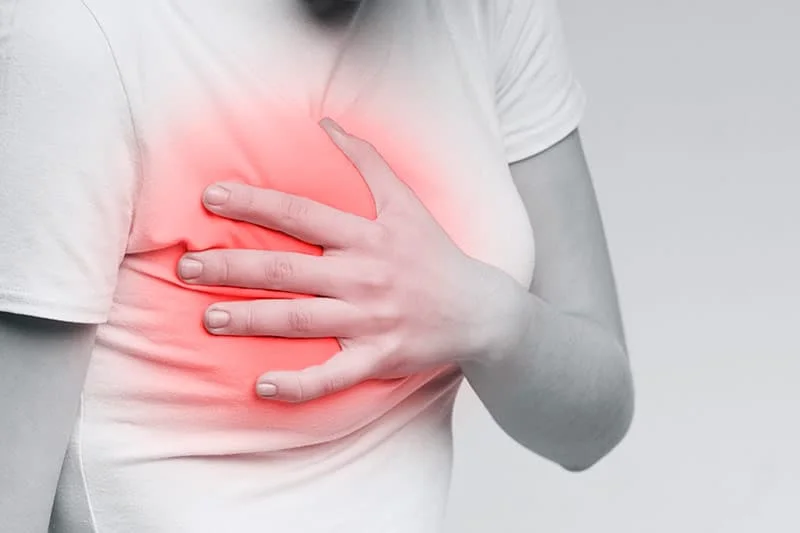
Why does the chest feel heavy or feel painful when touched?
In the language of medical science, this chest discomfort can be divided into several categories. The most common physical and mental reasons behind it are:
Muscle or bone pain: When there is inflammation at the junction of the bones of the rib cage with the cartilage, it feels very painful when touched. Lifting something heavy, twisting suddenly, or coughing hard can also cause tension in the chest muscles.
Gas problems or acidity: When excess gas accumulates in our stomach, it pushes upwards. As a result, the chest feels heavy and it feels like something is stuck in the chest. We often confuse this with ‘heartburn’.
Mental anxiety and panic attacks: If you are very worried or suddenly afraid for some reason, your chest may feel heavy. Sometimes it feels like you are having difficulty breathing and that a stone is pressing on your chest.
Lung problems: If you have bronchitis or lung infection with phlegm in your chest, your chest feels heavy. In this case, you may have a chronic cough along with chest pain.
Possibility of heart disease: If you have a heavy chest, you sweat a lot, the pain spreads to the jaw or left arm, and you feel short of breath, then this may be a sign of a heart problem.
Remedies and things to do
You can take the following steps to reduce this chest discomfort:
1. Rest and ice: If the pain is due to muscle tension, do not do any heavy work for a few days. Applying mild heat or cold to the painful area relaxes the muscles and reduces the pain.
2. Change your eating habits: If the chest heaviness is due to gas, avoid oily and fried foods. Make a habit of eating small, frequent meals instead of eating too much at once, and don’t lie down right after eating.
Mild tightness or discomfort in the lower abdomen
A slight pulling or discomfort in the lower abdomen is a very common thing that can happen to both men and women. However, in women, it is more related to pregnancy or the menstrual cycle. Many times we think of it as a simple stomach ache, but there are specific reasons behind it.
Why do we feel pulling or discomfort in the lower abdomen?
There can be several main reasons behind this kind of feeling in the lower abdomen:
Muscle tension: Lifting something heavy or twisting the body suddenly incorrectly can cause tension in the lower abdominal muscles. We usually call this ‘tension in the veins’.
Early pregnancy: If you are trying to conceive, you may feel a slight pulling or discomfort in the lower abdomen as the embryo settles in the uterus. It is usually not as intense as period pain.
Gas problems or constipation: When gas accumulates in the intestines or the stomach is not clean, the lower abdomen feels heavy and sometimes feels tight. Many times it is felt on one side or below the abdomen.
Urinary tract infection: If you have a urinary tract infection, there is always a feeling of discomfort or heaviness in the lower abdomen. This tension may be felt more especially during or after urination.
Menstruation or ovulation: It is very normal to feel mild tension or pain on one side of the lower abdomen a few days before the start of your period or in the middle of the month when the egg is released.
What you can do to reduce this discomfort
Following some home remedies to reduce lower abdominal tension can help you get relief quickly:
1. Rest: Whenever you feel tension or discomfort, leave everything and lie down on your stomach. Keeping your legs slightly elevated (on a pillow) relaxes the abdominal muscles.
2. Light heat: Apply a warm water bag or hot water bag to the lower abdomen. This works like magic to reduce muscle spasms and increase blood circulation.
3. Drink enough water: If the body is dehydrated, the tendency to tense muscles increases. So drink enough water and coconut water throughout the day.
4. Eat fibrous foods: If you are uncomfortable due to constipation, eat more vegetables and fruits. This keeps the stomach clean and reduces pressure in the lower abdomen.
Sudden irritation by odor
Sudden discomfort or hypersensitivity to smell is a special physical condition. The smell of perfume or food that you used to like before may now make you want to put clothes on your nose or make you feel dizzy. This is often called ‘hyperosmia’ in medical terms.
Why do you suddenly feel uncomfortable with smell?
Our sense of smell is directly linked to the brain. Therefore, any change in the body can affect smell:
Pregnancy: At the very beginning of pregnancy, the sense of smell increases several times due to the increase in hormone levels (especially estrogen). Then, the smell of cooking spices, fish or perfume causes severe nausea and discomfort.
Migraine: Those who have migraine problems find any strong smell unbearable before or during the headache. Even a mild smell can cause them discomfort.
Liver problems: When toxins or toxic substances cannot be removed from the body properly, sometimes there is a reluctance or discomfort in the smell of food.
Sinus or cold: After a long-term sinus or cold, the olfactory nerves often become overly sensitive.
Stress and fatigue: Excessive anxiety or lack of sleep can cause the brain to react very quickly and negatively to external stimuli.
Ways to reduce discomfort or annoyance with smells
If you have a problem with a specific smell, you can adopt the following strategies:
1. Fresh air system: Keep the windows of the room you live in open so that air can circulate. Smells stay in a closed room for a long time, which increases annoyance.
2. Use lemon or ginger: When you feel confused or annoyed by a smell, try drying a piece of fresh lemon or ginger. The refreshing scent of lemon helps calm the brain and reduce nausea.
3. Avoid strong fragrances: Temporarily stop using strong perfumes, air fresheners, or incense sticks. You can choose scent-free products when buying detergents or soaps.
4. Eat food cold: The smell of hot food spreads more in the air. If you have a problem with cooking odors, eating food slightly colder can reduce the smell and reduce discomfort.
Change in food taste
A change in taste means that your favorite foods no longer taste good or you want to eat something you didn’t like before. In many cases, you may even feel a metallic or bitter taste in your mouth. This is a big signal of internal changes in the body.
why does food taste change?
There can be several physical and psychological reasons behind taste changes:
Pregnancy hormones: At the beginning of pregnancy, the hormone ‘estrogen’ increases in the body. As a result, many people have a strong desire to eat sour foods or feel nauseous at the smell of their favorite fish and meat. We call this ‘food aversion’.
Nutritional deficiency (zinc and B-12): If there is a lack of zinc or vitamin B-12 in the body, the taste buds do not work properly. This can make food taste bitter or tasteless.
Acidity and digestive problems: If you have flatulence or heartburn, a white coating forms on the tongue, which prevents the real taste of food from being available and reduces the taste.
Drug effects: If you have recently taken any antibiotics or strong medicines, the chemical effects of the medicine may cause a metallic or bitter taste in your mouth for a few days.
Stress and depression: If you are upset or worried for a long time, the brain reduces the desire to eat. Then even the most delicious food does not taste good in your mouth.
Home remedies to restore taste
You can try the following ways to restore taste in your mouth and eat regularly:
1. Eat small amounts frequently: Eating a lot of food at once can further reduce your taste. So instead of eating a lot at once, eat something nutritious in small amounts every 2-3 hours.
2. Changing the taste of your mouth: To get rid of the bitter feeling, you can try mildly sour foods such as lemon water, tamarind pickle or amla. This helps to increase taste by activating the salivary glands.
3. Cold or room temperature foods: The smell of hot food often reduces taste. So eating food a little colder makes it taste better.
Sudden change in mood
Sudden changes in mood, or what we call ‘mood swings’ in English, are an integral part of many of our lives. You may be very happy one moment, and then the next moment you feel sad or irritable for no reason.
Why do moods change suddenly?
Some chemical and environmental factors are mainly responsible for our moods:
Hormonal changes: Especially in women, at the beginning of pregnancy, before the menstrual cycle or during menopause, there is a huge fluctuation in the hormones estrogen and progesterone in the body. This directly affects the part of the brain that controls our emotions.
Lack of adequate sleep: If you do not sleep properly for several days in a row, your brain becomes tired. Then you may get very angry or cry even over very small things.
Excessive stress: When work pressure, family problems or thoughts of the future weigh on our heads, our patience decreases. As a result, it is very natural to have sudden mood swings.
Low blood sugar: Not eating for a long time can cause low blood sugar, which can lead to dizziness and irritability. This is called ‘Hangry’ in English.
Vitamin deficiency: Vitamin B12 or vitamin D deficiency can have a negative effect on our mind, which can lead to depression or restlessness.
Ways to keep or control your mind good
Discover more here: Very Early Signs of Pregnancy 2 Weeks
Although mood swings cannot be completely stopped, there are some strategies that can help control them:
1. Acknowledge your feelings: When you feel like you’re in a bad mood, tell yourself, “I’m feeling sad right now and it’s temporary.” Don’t force yourself, take a moment to take a break.
2. Breathe deeply: If you suddenly get angry or cry, close your eyes, take 10 long breaths and exhale slowly. This will calm your nerves and reduce immediate restlessness.
3. Talk to your loved ones: Share everything with someone you trust without keeping it all in your mind. Sometimes just talking can lighten the load on your mind by half.
4. Taking care of your body: Eating nutritious food on time and sleeping at least 7-8 hours is the best way to reduce mood swings. It is also better to avoid caffeine or excessive tea and coffee.
Feeling dizzy or weak
Dizziness or sudden loss of body weight is a problem that stops our daily work. Many times, when we suddenly stand up from sitting, the surroundings appear dark or our head feels dizzy. This can be a symptom of a disease or it can also be a symptom of a general deficiency in the body.
Why do we feel dizzy or weak?
These problems occur when the body’s energy balance is disrupted. The main reasons for this are:
Low blood pressure: When we suddenly stand up from sitting, our blood pressure can temporarily drop, causing dizziness. In medical science, this is called ‘orthostatic hypotension’.
Low blood sugar: If we don’t eat for a long time or if the sugar in the body decreases, the brain does not get enough energy. This can cause the body to tremble and cause extreme weakness.
Dehydration or lack of water: When the amount of water in the body decreases, the blood density increases and blood circulation slows down. As a result, dizziness and fatigue are very common.
Anemia: When there is a lack of iron in the body, hemoglobin decreases. This results in less oxygen reaching the brain and cells, which makes you feel weak all the time and causes dizziness.
Pregnancy: At the beginning of pregnancy, the blood vessels in the body dilate and hormonal changes occur. As a result, many expectant mothers may feel dizzy or light-headed.
Ear problems: The inner ear is a part of our body that maintains balance. If there is an infection or problem there, severe dizziness occurs.
Ways to reduce dizziness and weakness
You can take the following steps to get immediate relief and a long-term solution:
1. Move slowly: When getting up from a lying or sitting position, get up slowly and do not rush. Sit for a few seconds before standing.
2. Salt-sugar syrup or ORS: If you feel weak, drink a glass of saline or lemon-salt sugar syrup. This helps to balance the electrolyte balance in the body and normalize blood pressure.
3. Nutritious small meals: Do not go without eating for a long time. Eat energy-rich foods like bananas, dates, or nuts at short intervals to keep your blood sugar levels stable.
Light spotting or change in discharge
Light spotting and changes in vaginal discharge are very normal during early pregnancy or before and after your period. When your body goes through a new physical change (such as pregnancy or your menstrual cycle), this discharge is the first sign of it.
1. Light Spotting
Spotting basically refers to a few drops of blood on your underwear. It is not a period-like flow.
Implantation Bleeding: Very light bleeding may occur in the very beginning of pregnancy when the embryo implants itself in the uterine wall. It is usually pink or dark brown in color.
Hormonal Effects: Fluctuations in estrogen or progesterone levels can also cause spotting in the middle of the month or just before your period.
Cervical Sensitivity: During pregnancy, blood flow to the cervix increases, so it is not uncommon to have light spotting after heavy work or sexual intercourse.
2. Changes in Discharge
During early pregnancy or due to hormonal changes, the type or amount of discharge changes a lot:
Increased amount: In early pregnancy, the body produces more discharge to protect the uterus and prevent infection. This is called ‘leucorrhoea’ in medical terms.
Color and thickness: This normal discharge is usually white or clear like thin milk and has very little or no odor.
Slippery: During ovulation, this discharge becomes slippery and transparent like raw egg white.
When is this change not normal?
If the discharge or spotting is accompanied by the following symptoms, it is important to understand that there is an infection or problem:
1. Color change: If the discharge is yellowish, greenish or gray in color. 2. Strong odor: If the discharge smells fishy or rotten. 3. Itching and burning: If there is itching around the vagina or burning during urination. 4. Thick, curd-like discharge: If the discharge is thick and white, like cottage cheese or yogurt (this is usually a sign of a yeast infection). 5. Bright red blood: If the spotting is bright red instead of brown and is accompanied by pain.
conclusion
Starting from spotting in early pregnancy to fatigue, mood swings or changes in food taste, each of these symptoms is a signal of a huge process happening inside your body. Although these changes may seem uncomfortable at times, in most cases they indicate a healthy and beautiful future.
In the context of the entire discussion, it is important for you to remember the following points:
Give your body time: Pregnancy or hormonal changes are not an illness, but a special stage of life. So, give yourself enough time when your body wants to rest.
Caution is protection: Although symptoms like spotting or discharge are normal, keep an eye on their color, pattern and smell. If you feel anything unusual, do not hesitate to seek expert advice.