
Learn important Mum To Be Tips about staying healthy during pregnancy, proper diet, safe exercise, mental comfort and emergency symptoms.

The news of pregnancy brings joy, excitement and many new questions in a woman’s life at the same time. Suddenly, you have to pay more attention to your body, food, sleep, movement, medication and mental state than ever before. Especially women who are going to be mothers for the first time often have questions in their minds – what to eat, what to avoid, how much exercise is safe, when to see a doctor or which changes are normal and which ones need to be worried about.
However, a healthy pregnancy does not mean doing everything perfectly. Rather, it is more important to understand the changes in your body, take regular prenatal care, eat nutritious food, get enough rest and seek advice quickly if any unusual symptoms appear.
Small right decisions at this time can create a good foundation for mother and baby. So let’s find out some practical things that every expecting mother needs to know.
What Should You Do First When You Find Out You’re Pregnant?
Mum To Be Tips should start by explaining what to do once you are pregnant. It is important to start prenatal care by contacting a qualified healthcare professional early. You should tell your healthcare provider about your last menstrual period, any pre-existing health conditions, and any medications and supplements you are taking.
Initial appointments will usually include a discussion of your pregnancy history, physical condition, and any necessary tests or screenings. It is always best to consult a doctor before starting or stopping any medication on your own.
Could Your First Few Weeks Be More Important Than You Think?

Important stages of a baby’s development begin early in pregnancy, so it’s best to establish a healthy routine as soon as possible after learning about pregnancy.
| First Things First | Why Is It Important? |
| Make A Prenatal Appointment | Regular pregnancy care begins |
| Knowing About Folic Acid | Important for the child’s early development |
| Reviewing Medicine | Some medicines may not be suitable for pregnancy |
| Avoid Smoking And Alcohol | Helps reduce the risk of pregnancy |
| Pay Attention To Food | Helps meet the nutritional needs of mother and baby |
[Remember: It’s best not to postpone a healthcare appointment for too long, saying “I’ll see you later” after pregnancy is confirmed.]
Does Being Pregnant Really Mean You Should Eat For Two?
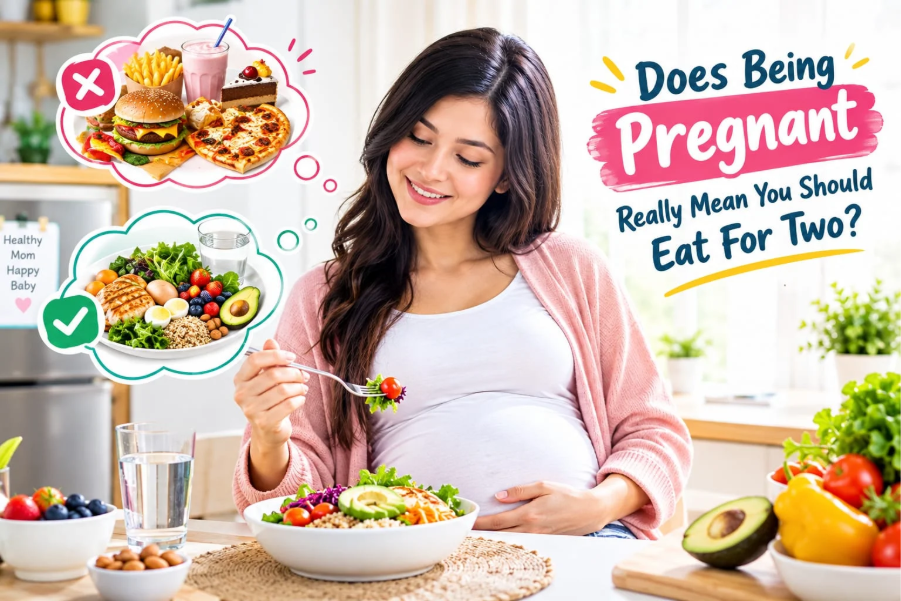
Many people think that becoming a mother means eating twice as much as you normally would. But “eating for two” does not mean eating the same amount of food for two people. Rather, it is important to pay more attention to the quality, variety and nutritional value of food.
A balanced diet is a central theme in Mum To Be Tips. A variety of vegetables, fruits, whole grains, protein-rich foods and suitable dairy or alternatives can be included in your daily diet.
Nutrients such as iron, folate, calcium and protein are especially important during pregnancy. However, nutritional needs may vary from person to person.
What Should A Balanced Pregnancy Plate Look Like?
One can try to get all types of nutrients together in a simple meal.
For example:
- Rice or whole-grain foods
- Lentils, fish, eggs or lean protein
- Vegetables of different colors
- Seasonal fruits
- Milk or suitable dairy alternative
- Ample water
Increasing nutritional diversity is more important than simply “increasing” the amount of food you eat.
Are You Paying Enough Attention To Food Safety?
It’s not just what you eat during pregnancy that matters, but how you prepare and store your food as well. It’s a good idea to keep raw and cooked foods separate, wash fruits and vegetables thoroughly, and cook and store food properly.
Are Prenatal Vitamins Enough If Your Daily Diet Is Not Perfect?

No supplement is a complete substitute for a balanced diet. However, during pregnancy, the need for some nutrients increases and your healthcare provider may prescribe a prenatal vitamin or specific supplement as needed.
Folic acid is especially important early in pregnancy. Iron also plays an important role in pregnancy. However, you should not start taking multiple supplements on your own.
An important point from Mum To Be Tips is that just because a supplement or herbal product says “natural” doesn’t mean it’s safe during pregnancy.
| Supplement or Nutrient | What To Remember |
| Folic acid | Important in the early stages of pregnancy |
| Iron | Related to blood production and iron needs |
| Calcium | Important for bone health |
| Vitamin D | Supplements may be required according to individual needs |
| Herbal supplements | It is better to seek professional advice before use |
Could Staying Active Actually Make Pregnancy Easier?
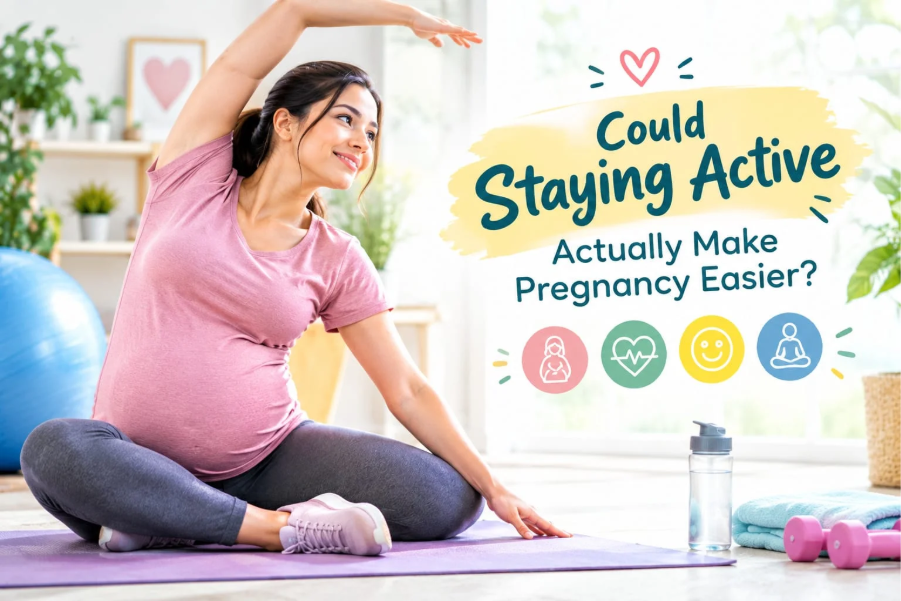
Pregnancy doesn’t mean lying down all day. For those who don’t have any specific medical restrictions during pregnancy, appropriate physical activity can generally be beneficial.
Walking, swimming, and pregnancy-appropriate exercises can be good options for many. Regular moderate activity can help maintain fitness and help you maintain your ability to do daily tasks.
However, there’s no need to suddenly start an intense workout if you haven’t exercised before.
What If You’re New To Exercise?
It’s best to start small.
For example, if you don’t have an exercise routine, you can start by walking for a short time every day and gradually increase your activity. It’s important to pay attention to your body’s signals.
Mum To Be Tips, If your healthcare provider gives you any restrictions for your pregnancy, that advice will take precedence.
When Should You Stop Exercising And Ask For Help?
If you experience concerning symptoms such as vaginal bleeding, fluid leakage, severe dizziness, chest pain, significant shortness of breath, or painful regular contractions while exercising, you should stop the activity and seek medical advice.
Why Can Rest Feel Like A Necessity Rather Than A Luxury?

Pregnancy brings many changes to the body. Hormonal changes, growing baby, and physical stress can cause tiredness or sleep disturbance. So rest doesn’t have to be seen as “lazy.” Getting enough sleep and taking short rest breaks during the day can give your body a chance to recover.
Can A Simple Evening Routine Improve Your Rest?
Reducing heavy activity before bed, creating a comfortable sleeping environment, and trying to go to bed at a similar time each day can be helpful. If you have recurring problems sleeping at night or excessive fatigue is affecting your daily life, it’s a good idea to talk to your healthcare provider.
Could A Medicine You Usually Take Be Unsafe During Pregnancy?
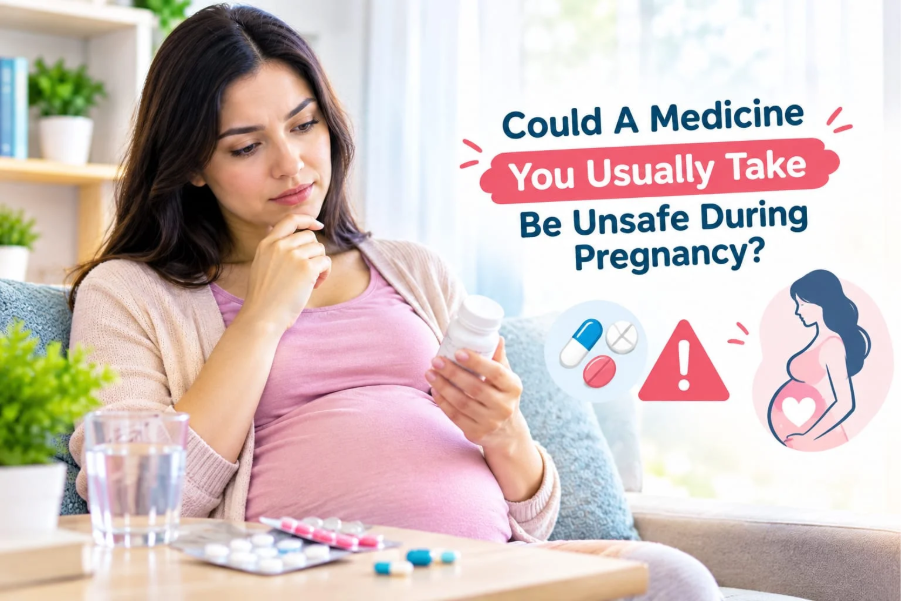
There is a lot of confusion about medicine during pregnancy. It is not always safe to stop taking a medication you are already taking, nor is it always safe to start taking a new medication on your own.
So, it is best to consult a healthcare provider or pharmacist about everything—prescription medicine, over-the-counter medicine, painkiller, vitamin, or herbal supplement.
[Important rule: It is safer not to make decisions during pregnancy based on the idea that “I already take this” or “this is a common medicine.”]
Are You Protecting Yourself From Infections And Preventable Illnesses?

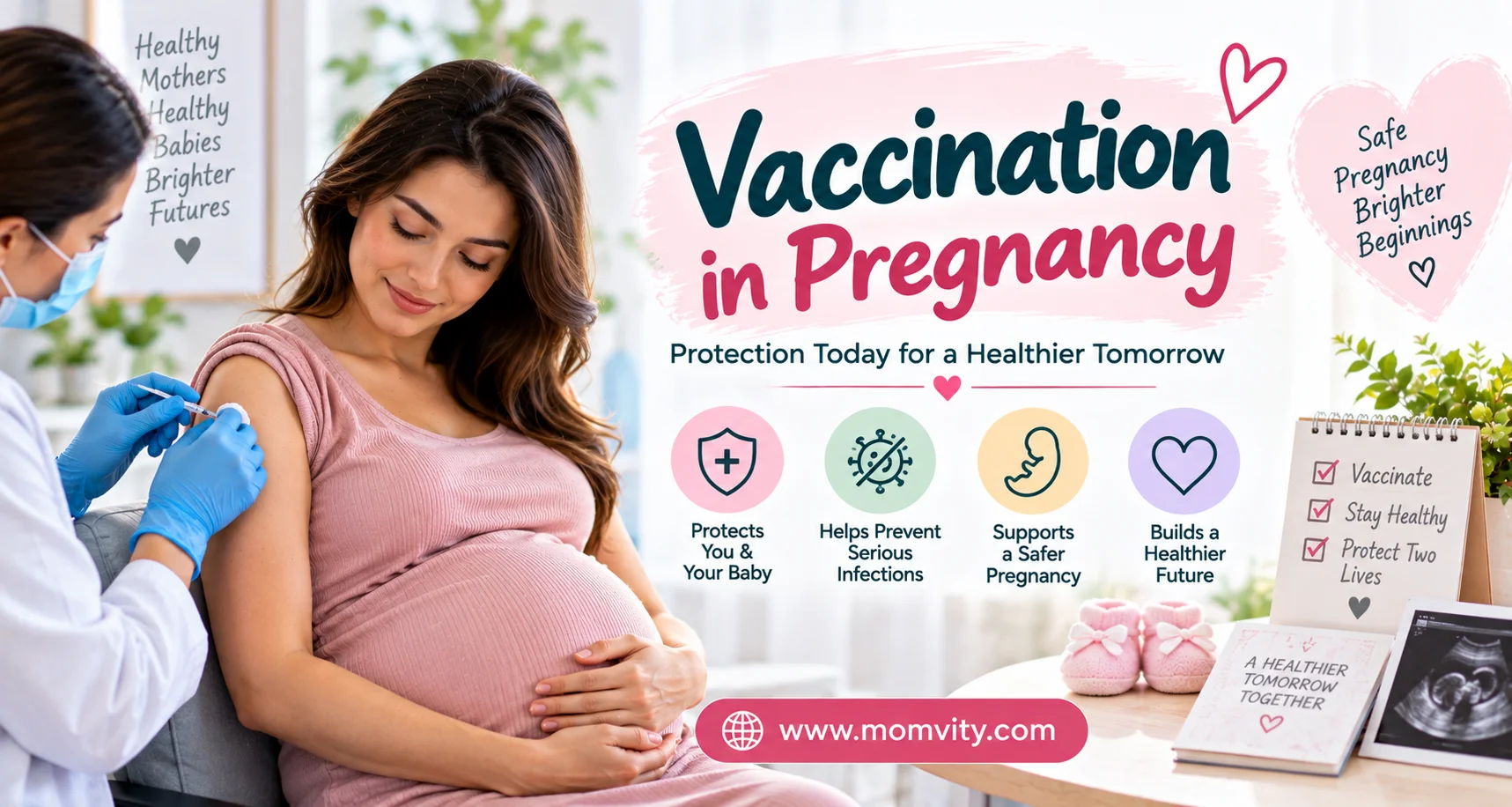
Some infections during pregnancy can cause problems for both mother and baby. So it is important to keep your hands clean, maintain good food hygiene, and be aware of your healthcare provider’s recommended vaccinations.
It is a good idea to tell your provider about your vaccination history and which vaccines are recommended during pregnancy.
What Small Habits Can Lower Everyday Infection Risks?
Some common habits:
- Wash hands before and after preparing food
- Separate raw and cooked foods
- Drink safe water
- Avoid unclean food
- Be extra careful when in contact with sick people
- Maintain recommended medical care
What If Your Pregnancy Looks Healthy But You Don’t Feel Okay Inside?
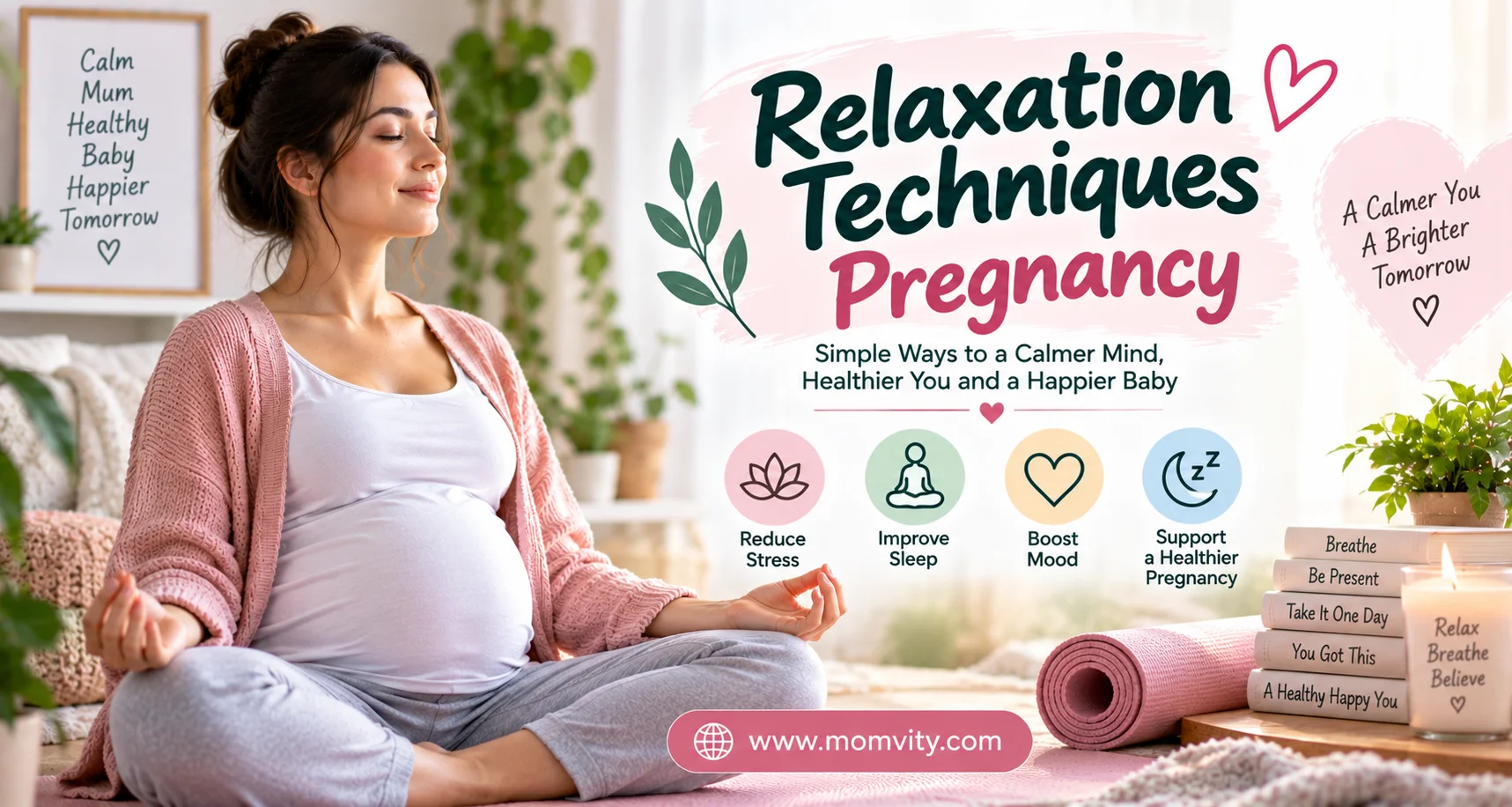
Pregnancy care is not complete just by looking at physical health. Anxiety, fear, sadness, loneliness or overwhelming feelings should also be taken seriously. Sometimes, along with the joy of becoming a mother, worries about childbirth, baby’s health or the future can arise. Talking to a trusted partner, family member, friend or healthcare professional can be beneficial.
An important part of Mum To Be Tips is not to underestimate your emotional wellbeing.
When Does Worry Become Something You Should Discuss With A Professional?
If anxiety or sadness is persistent, significantly impacts daily functioning, sleep, or eating, or becomes difficult to manage, it is important to talk to a healthcare professional. Expressing your feelings is not a sign of weakness. Asking for help is part of pregnancy care.
What Is Your Doctor Actually Checking At Each Pregnancy Visit?
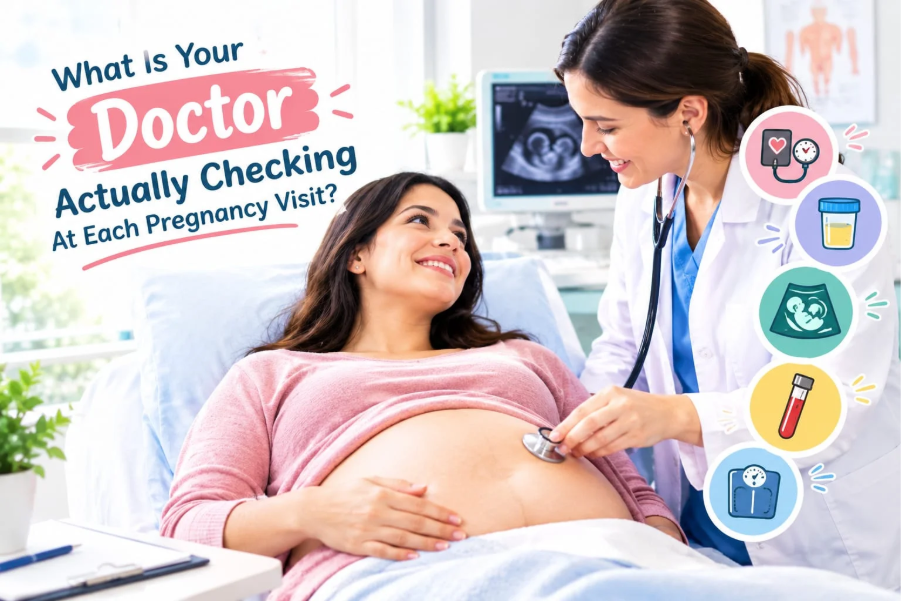
Prenatal checkups are not just about “seeing if the baby is okay.” At different stages of pregnancy, various assessments may be done to monitor the health of the mother and baby.
Depending on the situation and pregnancy stage, blood pressure, weight, blood tests, ultrasound, fetal growth, and other factors may be assessed.
| Checkup Topic | Purpose |
| Blood pressure | Monitoring the mother’s health |
| Blood tests | Assessing specific health conditions or nutrient-related concerns |
| Ultrasound | Assistance in assessing pregnancy and baby’s development |
| Fetal assessment | Baby’s wellbeing monitoring |
| Symptoms review | Identifying new or changing problems |
Not every pregnancy is the same, so it’s best not to compare your pregnancy to someone else’s appointment schedule or test results.
Are You Preparing Only For The Baby — Or For Yourself Too?

Mum To Be Tips are not limited to preparing for the baby; a mother also needs to do some preparation for herself in advance. Apart from buying baby clothes, crib or other essentials, one should also think about one’s own comfort and postpartum recovery. Basic planning for the birth and postpartum period can be done in advance towards the third trimester.
What Should You Prepare Before The Baby Arrives?
- Learn about the hospital or birth setting
- Prepare necessary documents
- Save emergency contact numbers
- Designate a support person
- Prepare the necessary items for the hospital bag
- Prepare the baby’s basic essentials
- Discuss who will support you after delivery
- Create a practical plan for your rest and recovery
[Things to remember: Just as it’s important to prepare for baby, it’s also important to prepare for your own recovery and support as a new mom.]
When Is A Normal Pregnancy Symptom No Longer Something To Ignore?

An important part of Mum To Be Tips is to be aware of the various symptoms that may appear during pregnancy. Nausea, tiredness, back discomfort or other common changes may occur. But it is not right to ignore every symptom as “it is just because of pregnancy”.
Some warning signs may indicate the need for immediate medical evaluation.
Which Symptoms Need Urgent Medical Attention?
If you experience any of the following serious or unusual symptoms, you should seek immediate medical attention from a healthcare professional:
- Excessive or unusual vaginal bleeding
- Severe or increasing abdominal pain
- Severe or persistent headache
- Severe difficulty breathing
- Chest pain
- Fainting or severe dizziness
- Water or fluid leakage
- Regular painful contractions, especially before the expected time
- Sudden or unusually severe swelling
- Significant changes in the baby’s movement, especially later in pregnancy
Even if you are in doubt about how serious the symptom is, it is best to seek medical advice.
Do You Really Need To Do Everything Perfectly To Have A Healthy Pregnancy?
No—pregnancy is not a test of perfection.
Some days your eating routine may be a little erratic, some days you may feel too tired, and some days you may not have the energy to exercise. The important thing is to create an overall healthy pattern and ask for help when needed.
Remember one simple principle: Small, consistent healthy choices are often more valuable than trying to be perfect every day.
There is no need to compare your pregnancy journey to someone else’s. Every pregnancy’s circumstances may be different.
A Simple Checklist For Every Expecting Mother
Let’s take a look at the important things together for the last time.
Your Pregnancy Care Checklist
- Keep prenatal appointments regularly
- Follow a balanced and varied diet
- Take supplements as advised by your healthcare provider
- Maintain safe physical activity
- Get adequate rest and sleep
- Avoid smoking, alcohol and unsafe substances
- Seek professional advice before taking medicine
- Take care of your mental wellbeing
- Learn about recommended vaccinations and screening
- Be aware of warning signs
- Plan ahead for delivery and postpartum support
Conclusion
Every day of becoming a mother brings new opportunities to learn. Understanding your body’s changes, eating nutritious foods, staying active safely, getting enough rest, and maintaining regular prenatal care are all important parts of a healthy pregnancy journey.
The most important thing is to listen to your body and mind. If you have any doubts, it’s best to talk to a healthcare professional rather than relying entirely on the internet or the experiences of others.
Following Mum To Be Tips doesn’t mean doing everything perfectly. It’s about making informed, safe, and thoughtful decisions for yourself and your unborn baby every day. Small, good habits can build a strong foundation over time.