
Pregnancy Anxiety Tips can help expectant mothers understand common worries, manage daily stress, and find practical ways to feel calmer during pregnancy.

Pregnancy is a special time in life. On the one hand, there is joy, excitement and various dreams surrounding the unborn child, on the other hand, there can be worries about small things. Whether the baby is growing properly, whether there are any unusual changes in your body, what will happen during delivery or whether you will be able to handle everything after becoming a mother – many questions can go through your mind.
Sometimes these thoughts are temporary and subside on their own after a while. But if the same type of fear or anxiety comes back again and again, causes problems with sleep and concentration, or starts affecting your daily normal life, then it is necessary to give importance to the matter. Because mental well-being is an important part of the overall well-being of pregnancy.
So what is the difference between normal pregnancy anxiety and excessive anxiety? And what practical steps can be taken to keep your mind calm? Let’s find out the issues simply.
Why Anxiety Can Happen During Pregnancy

Before following Pregnancy Anxiety Tips, it’s important to understand that there isn’t always a specific reason behind anxiety during pregnancy. Changes in the body, hormonal fluctuations, uncertainty about the future, and normal concerns about the well-being of the mother and baby can all contribute to increased stress.
If it is someone’s first pregnancy, fear can be heightened by the new experience. Also, if you have had a difficult pregnancy or childbirth in the past, you may experience new anxiety. Concerns about finances, relationships, work, family or the responsibilities of having a baby can also increase anxiety.
According to the NHS, some worry and stress during pregnancy are normal. However, when anxiety becomes difficult to control and affects daily life, it is important to seek support.
Common Sources Of Pregnancy Worry
Things that may cause more concern during pregnancy include:
- Baby’s health and development
- Various physical changes of pregnancy
- Fear of miscarriage or pregnancy complication
- Worries about labor and delivery
- Fear of handling responsibilities after the birth of the baby
- Financial stress
- Relationship or family-related stress
- Excessive worry about one’s own body and health
- Fear of repeating a bad experience that happened in the past
| Common Worry | Why It May Feel Difficult | Helpful Approach |
| Baby’s health | Uncertainty can increase fear | Discuss concerns during prenatal visits |
| Labour | Fear of pain or complications | Learn about birth options |
| Body changes | Changes may feel unfamiliar | Ask healthcare professional about normal changes |
| Parenting | Fear of being unprepared | Attend antenatal classes and learn gradually |
| Finances | Future responsibilities can feel overwhelming | Make a realistic plan with family |
How To Recognize When Anxiety Is Becoming A Problem
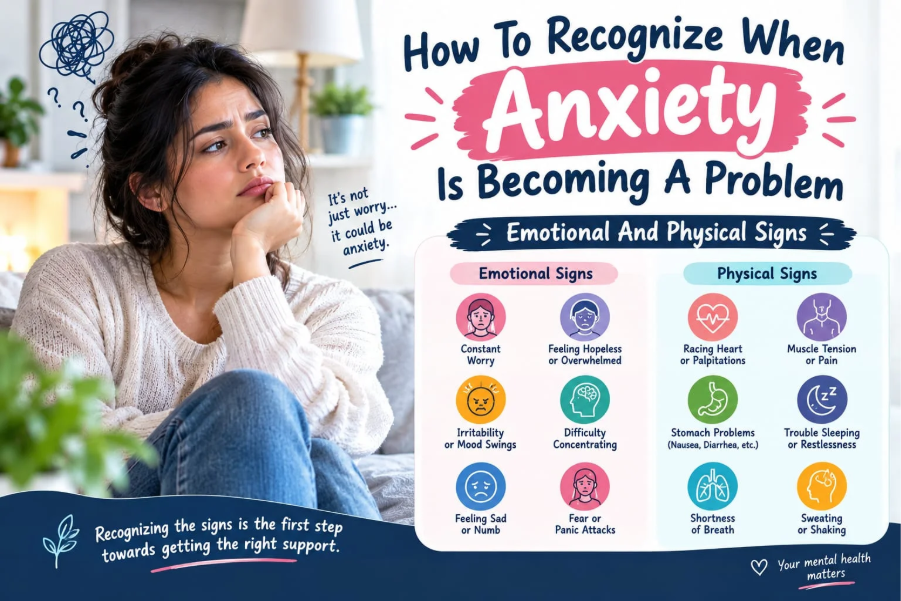
Not every thought or fear is a sign of an anxiety disorder. It is normal to feel nervous or worried at times during pregnancy. The problem becomes more significant when anxiety is present almost all the time, difficult to control, or interferes with daily activities.
It is therefore important to learn to recognize your feelings before following Pregnancy Anxiety Tips. For example, feeling tense all the time, thinking about the same thing over and over again, not being able to concentrate, or not being able to sleep due to worry can be signs of anxiety. In some people, a rapid heartbeat, dizziness, or panic attacks may also occur.
Emotional And Physical Signs
Anxiety can manifest itself in many ways, not just in the mind but also in the body. Some possible symptoms include:
- Feeling overly nervous or worried
- Inability to relax
- Repeatedly imagining worst-case scenarios
- Loss of concentration
- Trouble sleeping
- Immobility
- Rapid heartbeat
- Dizziness
- Sweating
- Tight chest
- Ever having panic attacks
However, you should not self-diagnose a mental health condition just because you have any of these symptoms.
Simple Breathing And Relaxation Techniques
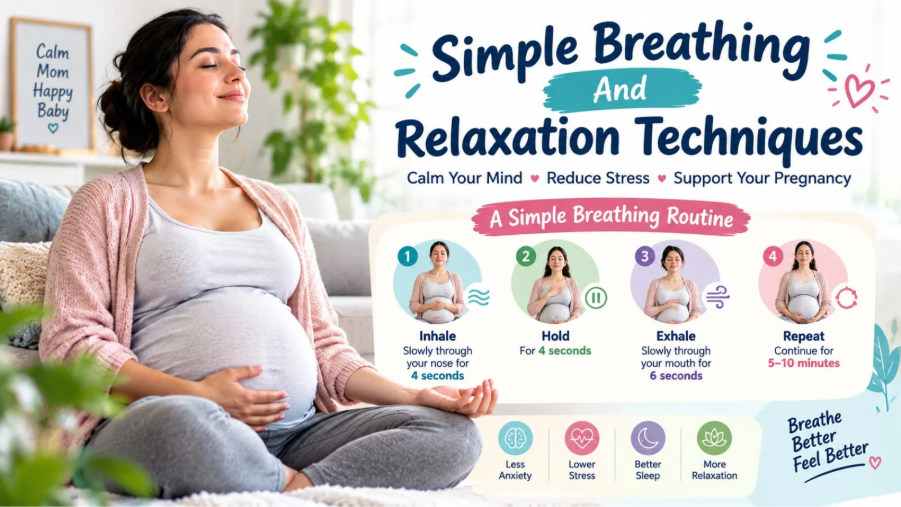
If you feel anxious, the first thing you can do is try to relax your body. Breathing slowly and in a controlled manner is a simple way to do this. Sitting comfortably for a few minutes and focusing on your breathing in and out can be calming for many people.
Pregnancy Anxiety Tips include breathing exercises and meditation, which can be easily incorporated into your daily routine. NHS pregnancy guidance also states that breathing exercises and meditation can help with relaxation.
A Simple Breathing Routine
A simple routine like the following can be tried:
- Sit in a comfortable position.
- Relax your shoulders and jaw muscles as much as possible.
- Breathe slowly.
- Stay in a natural position for a few moments.
- Exhale slowly.
- Repeat several times.
- Pay attention to the sensations in your body as you breathe.
It is better to breathe naturally if you feel uncomfortable.
| Relaxation Method | How It May Help |
| Slow breathing | Focusing on calming the body can help. |
| Meditation | Can provide a little break from the flow of thoughts |
| Gentle stretching | May be helpful in reducing body tension |
| Quiet time | May reduce overstimulation |
| Relaxing music | Can help focus the mind elsewhere |
Stay Active In A Safe And Comfortable Way
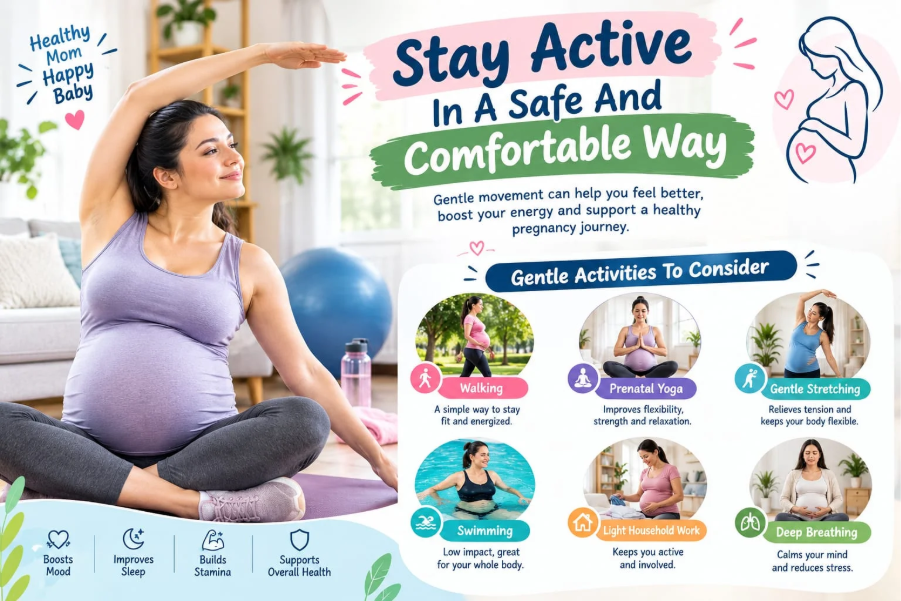
Regular physical activity during pregnancy can help to improve mood and reduce stress for many people. According to NHS guidance, suitable activities such as walking, swimming and yoga can help reduce anxiety and stress during pregnancy.
However, it is important to consider your own pregnancy situation before starting exercise. Not all activities are suitable for everyone. People with specific medical restrictions should seek guidance from and follow the advice of a healthcare professional.
Gentle Activities To Consider
- Light walking
- Pregnancy-appropriate swimming
- Appropriate prenatal yoga
- Gentle stretching
- Daily natural movement
The goal should not be to overstress the body, but rather to stay comfortable and active.
Talk About Your Feelings Instead Of Hiding Them
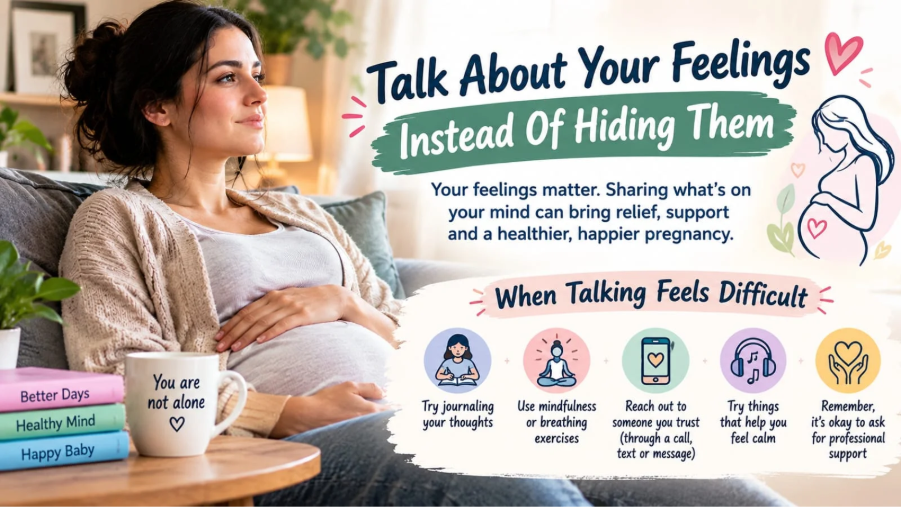
Many mothers may think, “I’m going to be a mother, I shouldn’t be so scared.” This type of thinking can make your feelings even more stressful.
You may find it helpful to talk through your fears or worries with someone you feel comfortable trusting. You can share your feelings with a partner, family member, close friend, midwife or doctor—anyone you feel comfortable with.
One of the most important things about Pregnancy Anxiety Tips is not to hide your anxiety. The NHS also suggests opening up about your feelings during pregnancy to someone you trust, including a friend, family member, midwife, or doctor.
When Talking Feels Difficult
If you don’t know how to start, you can simply say:
- “I’ve been thinking a lot lately.”
- “I’m scared about something.”
- “I can’t relax properly.”
- “These thoughts keep coming back to me every day.”
Not all problems can be solved with one word, but expressing your feelings can be the first step to getting help.
Limit Information Overload
It’s important to know information about pregnancy. But constantly searching the internet, reading about different people’s experiences, or looking for a worst-case explanation for every symptom can increase anxiety.
It’s a more reliable method to get the necessary information from your healthcare professional rather than searching online for a symptom and trying to diagnose it yourself.
Create A Healthy Information Routine
You can follow a simple rule if you want:
- Get information from reliable medical sources.
- Avoid searching for the same topic repeatedly.
- Do not consider personal experiences on social media as medical advice.
- Write down important questions and bring them to your prenatal appointment.
- Discuss any symptoms with a healthcare professional if you are concerned.
It can be easy to strike a balance between getting information and creating stress due to excess information.
Build A Calmer Daily Routine
A predictable daily routine can be emotionally comfortable for many people. Having a set amount of time for sleep, meals, rest, movement, and enjoyable activities can help your day feel more organized.
There’s no need to make your routine too difficult when following Pregnancy Anxiety Tips. Instead, it’s more realistic to create small, manageable habits.
| Daily Habit | Simple Example |
| Morning | Start the day with a few minutes of quiet time. |
| Movement | Comfortable walking or approved activity |
| Meals | Regular balanced meals |
| Social time | Talking to a trusted person |
| Relaxation | breathing or quiet time |
| Night | Reduce screen and stressful content before bed. |
Prepare For Birth Without Overthinking
Fear of labor and delivery can be a common source of anxiety during pregnancy. “How will the pain be?” “Will there be any complications?” “Will I be able to do it?”—these questions are natural.
However, instead of fearing the unknown, gradually learning reliable information can build confidence. Antenatal classes can help build information and confidence about pregnancy, birth, and parenting.
Focus On What You Can Control
It is important to remember that you cannot control every situation. So you can focus on:
- Keep prenatal appointments regularly
- Follow the advice of a healthcare professional
- Know the necessary information about birth
- Learn about the hospital or birth setting in advance
- Prepare the necessary supplies gradually
- Create a partner or family support plan
This way, big thoughts like “How will everything work out?” can be broken down into small actionable steps.
Can Talking Therapy Help With Pregnancy Anxiety?

If anxiety is so severe that it is affecting your daily life, sleep, concentration or ability to enjoy your pregnancy, it is best to seek professional help rather than relying solely on self-care.
Talking therapy can also be an important treatment option, in addition to Pregnancy Anxiety Tips. According to the NHS, cognitive behavioural therapy, or CBT, is used to treat anxiety in pregnancy.
CBT usually involves learning to understand the patterns of thought and behaviour that create anxiety and to deal with them in more helpful ways.
When Professional Support Is Worth Considering
It’s a good idea to talk to a midwife, doctor, or mental health professional if you have any of the following:
- Feeling anxious almost every day
- Having difficulty controlling thoughts
- Losing sleep due to anxiety
- Having trouble concentrating
- Having panic attacks
- Avoiding normal activities
- Feeling excessive fear or distress about pregnancy
Asking for help is not a sign of weakness. Rather, it is a responsible decision to seek the necessary support for yourself and your future child.
When Should You Seek Urgent Help?
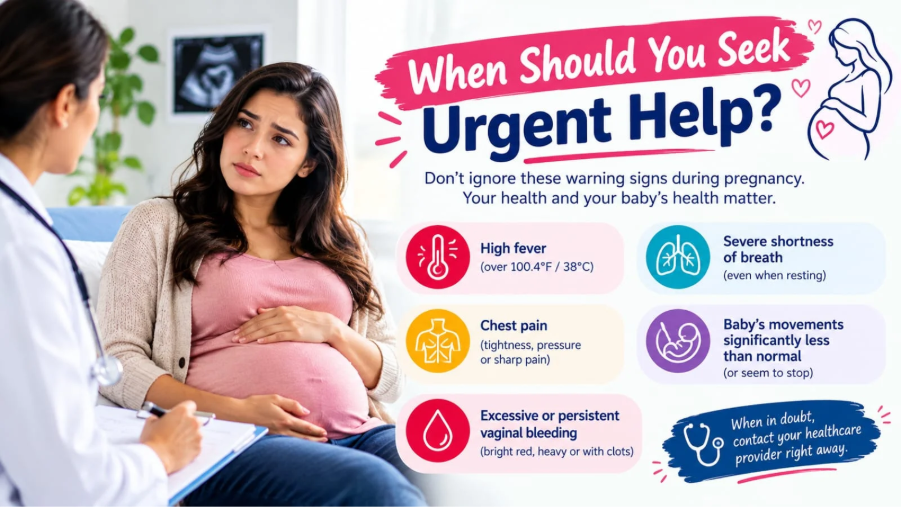
Pregnancy Anxiety Tips are not only for reducing general anxiety, but it is also important to understand when anxiety becomes severe enough to require professional help. Not all anxiety is an urgent emergency. But mental health crises require urgent professional help.
If you ever feel like you are at risk of harming yourself or someone else, you should consider this an emergency and seek help from your local emergency medical or mental health service. The NHS also recommends seeking urgent help in such situations.
| Situation | What To Do |
| Mild, occasional worry | Try relaxation, routine, and support from a trusted person. |
| Anxiety frequently affecting daily life | Talk to a doctor, midwife or mental health professional. |
| Frequent panic attacks | Take professional assessment |
| Severe emotional distress | Get healthcare support quickly. |
| Risk of harming yourself or someone else | Get immediate emergency help |
You should not start, stop, or change prescribed anxiety medication on your own. If medication is needed during pregnancy, your healthcare professional can determine the safest option by weighing the benefits and possible risks.
Small Steps Can Make A Big Difference
You don’t need to change everything in one day to reduce anxiety. You can start small by choosing one or two healthy habits to practice each day.
Maybe you walked for 10 minutes today. I will talk to a trusted person tomorrow. I did a few minutes of breathing exercises the other day. Making small changes like these can help you build a routine that supports your overall well-being.
Pregnancy is not just a time for a baby’s physical development; it’s also a time to take care of mom’s mental wellbeing.
Conclusion
It’s normal to feel some worry or uncertainty during pregnancy. But when anxiety becomes chronic, difficult to control, or affects your daily life, it shouldn’t be ignored.
Pregnancy Anxiety Tips include breathing exercises, gentle physical activity, getting enough rest, talking to trusted people, avoiding information overload, and creating a calm daily routine. For high levels of anxiety, speaking with a healthcare professional can help you understand your feelings and find the right support.
In fact, taking care of your mental wellbeing can make your pregnancy journey more manageable, confident, and comfortable. What you feel is important, and you deserve support whenever you are going through a difficult time.