Caffeine During Pregnancy How Much Is Safe For You And Your Baby 

Tahmina Noor

Published: 18/09/2026
Updated: 18/09/2026

Learn about Caffeine During Pregnancy and get a clear idea about the daily safe limit, caffeine in various foods and drinks, potential risks, and easy ways to reduce caffeine. 
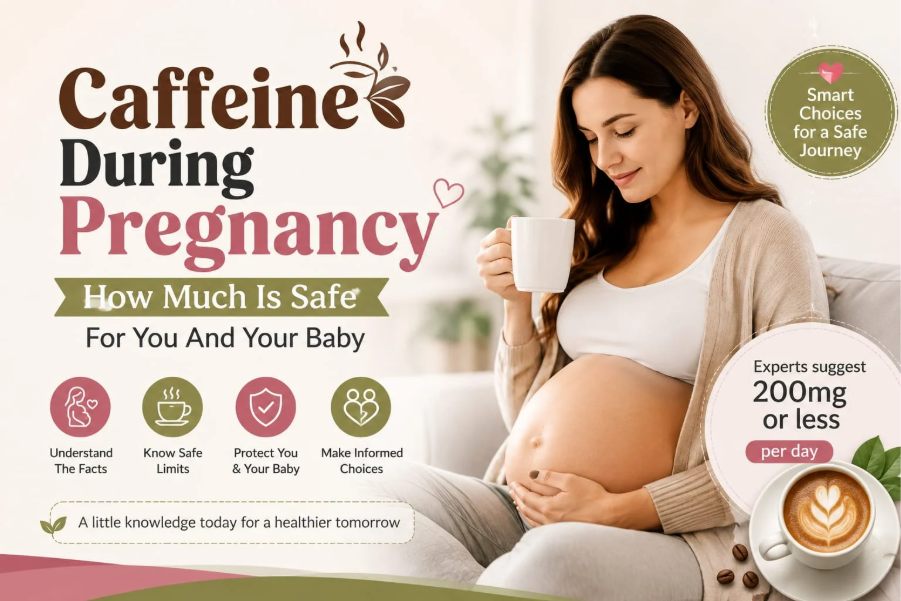
Is a cup of tea or coffee a day really safe during pregnancy, or does this habit need to be changed? This question may come to the mind of many mothers. Especially after pregnancy, with the increasing awareness about food and drinks, various concerns about caffeine have also arisen. 

Caffeine is a natural stimulant, which is mainly found in coffee, tea, cocoa, and chocolate. Some soft drinks, energy drinks, medicines, and dietary supplements may also contain caffeine. So just knowing how many cups of coffee you drink a day does not always give an idea of the total amount of caffeine intake. 

So should you stop drinking tea or coffee completely during pregnancy? 

It is usually not necessary. Current health guidelines recommend that total caffeine intake during pregnancy should not exceed 200 milligrams per day. This amount includes caffeine from coffee, tea, chocolate, cola, energy drinks and other sources. 

However, the amount of caffeine in the same drink is not the same. So it is important to calculate the amount consciously during pregnancy. 

Why Caffeine Intake Matters During Pregnancy 
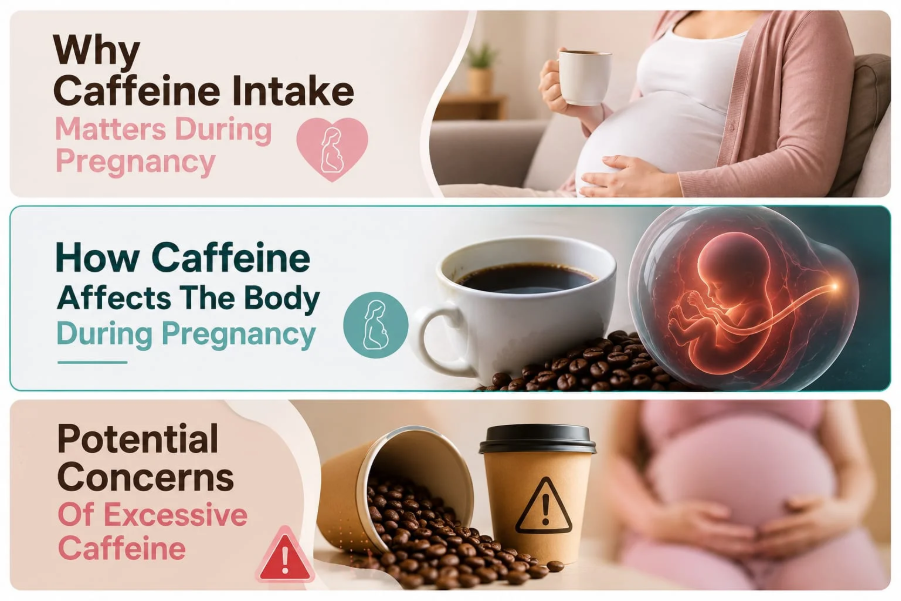
Caffeine During Pregnancy It is important to pay attention to the amount, as caffeine can cross the placenta and reach the developing baby. During pregnancy, the body may take longer than usual to break down caffeine. As a result, the same amount of caffeine may remain in the body for a longer period of time. 

But why is it necessary to be so careful about caffeine? 

The main concern is the potential connection between excessive caffeine intake and certain pregnancy outcomes. Health guidelines have linked high caffeine intake to risks such as miscarriage and low birth weight of the baby. 

This does not mean that drinking one cup of coffee will cause any problems. Rather, the main goal is to avoid regular excess intake and keep the total daily intake within the recommended limits. 

How Caffeine Affects The Body During Pregnancy 

However, taking too much can cause restlessness, trouble sleeping, headaches, rapid heartbeat, or palpitations in some people. How your body responds to caffeine can vary from person to person. 

During pregnancy, your body may be more sensitive to caffeine than before, due to changes in your body. So the amount of caffeine you used to tolerate may be more uncomfortable during pregnancy. 

Potential Concerns Of Excessive Caffeine 

  • Excessive caffeine intake may be associated with an increased risk of miscarriage. 
  • Excessive caffeine may be associated with low birth weight in babies. 
  • Excessive caffeine may disrupt sleep in the mother. 
  • In some people, it may increase nervousness or restlessness. 
  • High doses may cause heart palpitations or a rapid heartbeat. 

The goal of limiting caffeine during pregnancy is to reduce potential risks and maintain safe habits. 

Caffeine And Pregnancy At A Glance 

Subject Important Information 
Daily limit Keep it to a maximum of 200 mg per day. 
Miscarriage Higher intake has been associated with increased risk 
Birth weight Excess intake may be associated with low birth weight. 
Sleep Too much caffeine can cause sleep problems. 
Other effects Restlessness and rapid heartbeat may occur. 

How Much Caffeine Is Safe During Pregnancy? 
Many mothers may wonder—is one cup of coffee a day safe, or can you drink up to two cups? 

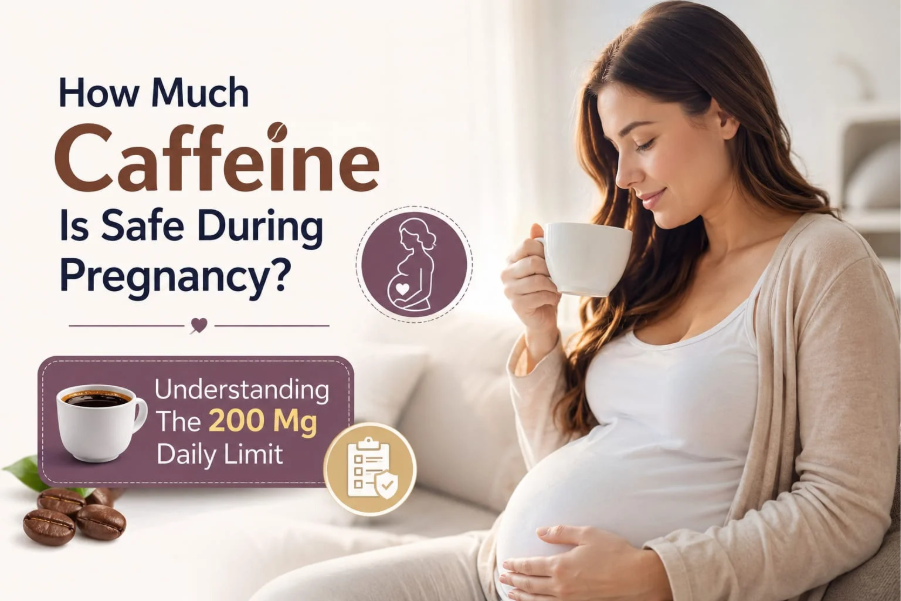
It is generally recommended that total caffeine intake during pregnancy not exceed 200 mg. However, a “cup” or a “mug” does not always mean the same amount. A large café coffee or a very strong brewed coffee can contain much more caffeine than a regular cup. 

So it is more useful to know the approximate caffeine content of a drink rather than just counting the number of cups. 

Understanding The 200 Mg Daily Limit 

It’s easy to think of 200 mg as a daily limit. Let’s say you have a mug of instant coffee in the morning, a mug of tea in the afternoon and a cola in the afternoon. While each drink may not seem like much on its own, when you add them all up, the total can be close to or more than 200 mg. 

According to the NHS, a mug of instant coffee can contain around 100 mg, a filter coffee can contain around 140 mg, a tea can contain around 75 mg and a can of cola can contain around 40 mg of caffeine. 

Approximate Caffeine Content Of Common Sources 

Food or drink Estimated Caffeine 
1 mug instant coffee About 100 mg 
1 mug of filter coffee About 140 mg 
1 mug of tea About 75 mg 
1 can of cola About 40 mg 
250 ml energy drink Up to about 80 mg 
50g dark chocolate Less than 25 mg 
50g milk chocolate Less than 10 mg 

These numbers are for general information only. For a specific product, the information provided on the label is more reliable. 

Common Hidden Sources Of Caffeine 

But there are other foods and drinks to consider when calculating your total daily intake. 

One of the most common mistakes when it comes to Caffeine During Pregnancy is to only count the amount of coffee you consume. However, you can also get caffeine from chocolate, cola, green tea, energy drinks, some supplements, and some medicines. 

Foods And Drinks That May Contain Caffeine 

  • Coffee: Instant, filter and café coffee can contain significant amounts of caffeine. 
  • Tea: Black tea and green tea—both contain caffeine. 
  • Chocolate: Dark chocolate in particular can contain caffeine. 
  • Cola: Even a simple cola drink can add up to a daily caffeine intake. 
  • Supplements: Some health, fitness or energy supplements may contain caffeine. 
  • Medicines: Some medicines may also contain caffeine as an ingredient. 

Therefore, before taking any supplement or medicine, it is best to check the ingredient list and seek advice from a doctor or pharmacist if necessary. 

Why Energy Drinks Need Extra Attention 

Energy drinks require special caution. They can contain caffeine as well as other stimulants and sometimes significant amounts of sugar. A 250 ml energy drink can contain up to 80 mg of caffeine, but the amount can vary from product to product. 

So can an energy drink be considered the same as a regular cup of tea? 

Not always. Especially with larger serving sizes or products with a high caffeine content, the total daily limit can be exceeded quickly. So it is more realistic to choose caffeine-free or low-caffeine alternatives instead of energy drinks during pregnancy. 

Hidden Caffeine Sources To Check 

Source Why You Need To Pay Attention 
Chocolate Even if it’s small, it adds up to the daily total. 
Green tea It contains caffeine. 
Cola Caffeine intake can increase even without drinking coffee. 
Energy drinks One serving may contain significant caffeine. 
Supplements May contain concentrated caffeine 
Medicines Some medicines contain caffeine. 

How To Track Your Daily Caffeine Intake 
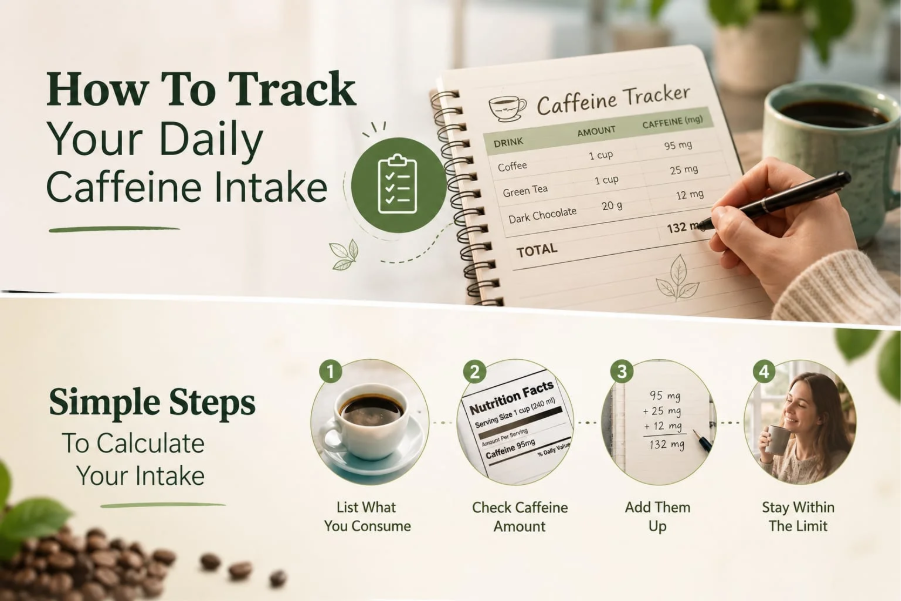
To stay aware of Caffeine During Pregnancy, have you ever calculated at the end of the day how much caffeine you have consumed in total—from your morning coffee, afternoon tea, afternoon cola, and nighttime chocolate? 

Sometimes, even if a single food or drink doesn’t seem like much, the amount can be more than you expect when you add them all together. So, a simple daily list can be made. Writing down what you are drinking or eating each time and its approximate caffeine content will make it easier to understand your habits. 

Simple Steps To Calculate Your Intake 

  1. Write down the amount of coffee and tea you drink in a day. 
  1. If you have cola or energy drink, add it to the list. 
  1. Always check the label to see whether the product contains caffeine and how much. 
  1. Check if a supplement or medicine contains caffeine. 
  1. Calculate the total daily intake by adding the amounts from all sources. 

A Simple Daily Example 

Time Food or Drink Estimated Caffeine 
Morning 1 mug instant coffee 100 mg 
Noon 1 mug of tea 75 mg 
Afternoon 1 can of cola 40 mg 
Night Chocolate Variable by quantity 
Total, excluding chocolate 215 mg 

In this example, the 200 mg limit is exceeded even before the chocolate is added. So, be mindful of your total caffeine intake when consuming several small sources throughout the day. 

Healthy Ways To Reduce Caffeine Intake 

For those who drink several cups of coffee or tea a day, it can be emotionally difficult to suddenly stop drinking during pregnancy. So gradually reducing the amount may be an easier approach for many. 

The goal with Caffeine During Pregnancy is not to create unnecessary fear; rather, be aware of your intake and stay within safe limits. 

Practical Ways To Reduce Caffeine 

  • You can replace one caffeinated drink per day with a decaffeinated version. 
  • You can reduce the serving size of coffee or tea. 
  • You can make the drink relatively light instead of making it too strong. 
  • You can drink water in between coffee or tea. 
  • You can choose caffeine-free drinks instead of cola or energy drinks. 
  • Reducing caffeine in the evening or at night can reduce sleep problems. 
  • Avoid regular energy drinks or caffeine-containing supplements. 

Decaffeinated coffee or tea may be a good option for many people when it comes to caffeine during pregnancy. However, decaffeinated does not mean zero caffeine—so it’s best to check the product information if necessary. 

Choosing Better Drink Alternatives 

Adequate fluid intake is important during pregnancy. In addition to water, a suitable milk or caffeine-free drink can be part of your daily drink. 

However, just because herbal tea is “natural” should not always be assumed to be safe during pregnancy. Therefore, it is best to seek the advice of a healthcare professional if you want to drink herbal tea regularly. The NHS also advises paying attention to the quantity and ingredients of herbal teas during pregnancy. 

What If You Accidentally Consume More Than 200 Mg? 

Despite being aware of Caffeine During Pregnancy, many mothers may panic if they accidentally consume more than 200 mg of caffeine on a given day. But it is not right to conclude that consuming a little more than the recommended limit on a particular day means that the baby has been harmed. 

The 200 mg limit during pregnancy is a daily guideline used to reduce potential risks. So, if you exceed it once, it is realistic to reduce your intake to return to the normal range later, rather than panicking. 

However, if you consume too much caffeine on a regular basis, you should discuss the matter with a healthcare professional. 

When Should You Seek Professional Advice? 

It may be beneficial to seek advice from a doctor, midwife or pharmacist in the following situations: 

  • If you regularly consume more than 200 mg of caffeine. 
  • If you regularly use energy drinks or caffeine-containing supplements. 
  • If you are uncertain whether caffeine is present in a medicine you take. 
  • If you have repeated heart palpitations after consuming caffeine. 
  • If you have a medical condition or take medication that may affect how much caffeine you should consume. 

The FDA also recommends speaking with a healthcare provider if you have any concerns about caffeine intake during pregnancy, pregnancy planning, or breastfeeding. 

Conclusion 

Caffeine During Pregnancy does not mean that you have to completely stop drinking coffee, tea or chocolate. Rather, the most important thing is to know how much caffeine you are consuming per day and generally follow the advice to keep it to no more than 200 mg. 

Just counting cups of coffee does not accurately determine your total caffeine intake. Therefore, it is necessary to pay attention to the serving size, product label and the total caffeine from multiple sources. 

There is no need to panic if you accidentally consume a little too much caffeine one day. It is more important to reduce your intake later and return to the recommended limit. However, if you regularly consume too much caffeine, use caffeine-containing supplements or experience any physical discomfort, you should consult a healthcare professional. 

The most important thing is to make informed decisions without making your pregnancy diet a matter of fear or guilt. Moderate caffeine, balanced nutrition, adequate hydration, good sleep and regular prenatal care—all together can help establish a healthy pregnancy routine for mother and baby. 
Related Articles

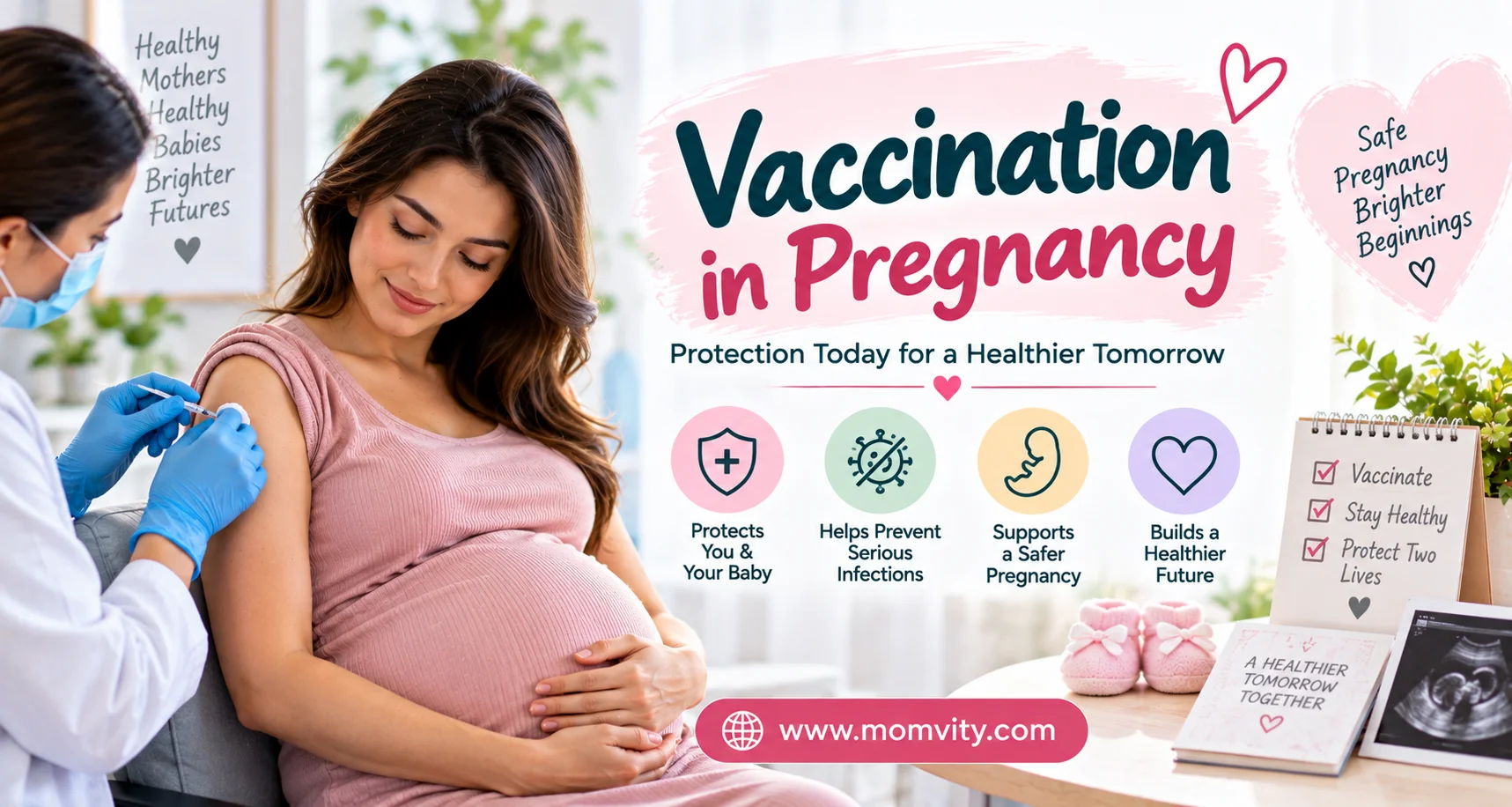
Vaccination in Pregnancy

The Overall Role of Vaccination in Pregnancy for the Protection of Mother and Baby

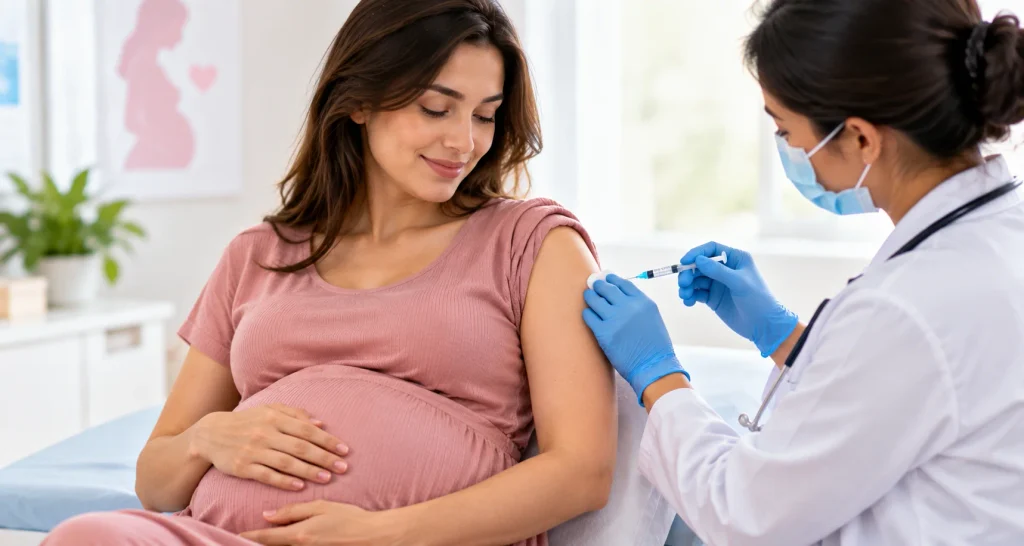
Pregnancy is a special period when a woman’s immune system changes over the course of it in order to support the developing baby in her womb.These changes in their body can put them more vulnerable to get certain infections easily.Vaccine not only provide protection to both both mother and her baby but also it also plays important role to combat against diseases before,during and even after the period of the delivery of the baby. 

Vaccine in pregnancy is not only about the mere protection of the mother rather some of them help produce antibody in mother and then transferred to her fetus via placenta to provide further protection.This is how the baby remain safe from any kind of infection attack as well as get primary protection from microorganisms even before the development of their own immune system which usually takes a few months to develop.

In this article,we try to cover all the important aspects you need to know about the necessity of vaccination in pregnancy in order to get protection for both you as a mother and your baby from any kind of harmful health impacts. 

Why Are Vaccines so Important During Pregnancy?

Though all infections are not always that much dangerous to you in non-pregnant state but can arise dangerous complications if you are not vaccinated before the onset of pregnancy.Certain infections like influenza, whooping cough, and COVID-19 can have the potentiality to make your pregnancy period complicated than the normal physiological one.These can further trigger urgent hospital admission,premature delivery of the baby and also put negative health impacts on the your baby. 

This is why vaccination is important as it is generally beneficial in protecting you and your baby from infection by producing antibodies in your body without causing the disease itself in you.Vaccinations further help respond you immune system quickly by using memory cells against any entrance of the organism in later life.This is how vaccination in pregnancy can significantly reduce the risk of dangerous infections and provide protection for both you as a mother and your baby.

How Do Vaccines Protect the Baby?

There are plenty of antibodies which are produced in the mother during pregnancy and thereby cross the placenta in order to enter the baby’s blood stream to provide natural protection.The natural passage of antibodies ultimately provide temporary protection from some disease before getting any vaccines after birth.

This natural protection is very important for the babies as they are not to get all the vaccines just after their birth and thereby require temporal protection to aid their immature immune system.For instance if the mother get whooping cough vaccination in pregnancy,it will then provide essential protection during their very month of life when the disease can be potentially life threatening. 

Which Vaccines Are Recommended During Pregnancy?

The recommendations of vaccines actually depends on current health guidelines,pregnancy along with the individual risk factors.The professionals in this sectors usually recommend certain vaccines in pregnancy due to their strong scientific safety evidence which ensure the protection of both mother and the child.The recommended vaccines comprises:

Influenza (Flu) Vaccine

The currently evolved flu vaccination in pregnancy not only protects pregnant women from severe influenza complications but also help improve the overall immune system of the mother.This is because,pregnancy tends to increase the risks to get flu in severe form due to certain physiological changes like in mothers immune system, heart, and lungs.Influenza infection during pregnancy may increase the potential risk to get:

Potential risks involvement 
Hay fever with chills Increase the risk of premature delivery
Difficulty to breath normallyMay induce low birth weight
Demands urgent hospitalizationsAcute respiratory distress syndrome

The seasonal currently available flu vaccine helps reduce these risks and also provides necessary antibodies that can protect the baby even after the birth of the baby.

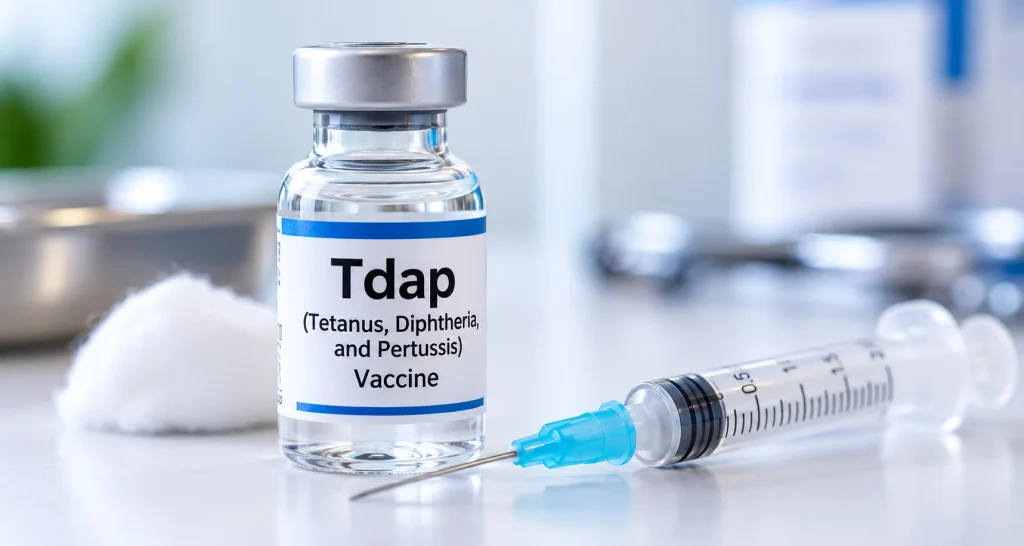
Tdap Vaccine (Tetanus, Diphtheria, and Pertussis)

Tdap is another very important vaccine that potentially protects newborn babies from getting dangerous whooping cough in their early life.This whooping cough infection can be dangerous for them if they get the exposure of bordetella pertussis bacteria before getting vaccinated at their early developing moths.

However if the mother gets the whooping cough vaccine during pregnancy,it can then help produce protective antibodies which further transfer to their fetus via placenta and thereby provide protection from getting infection.

The main beneficial effects of it includes:

  • Provide protection during the early few months of life.
  • Redduses the risk of complications development from whooping cough.
  • Help lowering the urgency to get hospital admission.

COVID-19 Vaccine

COVID-19 vaccination in pregnancy helps reduce the risk of getting affected by severe illness during pregnancy.However Pregnant women infected with COVID-19 may have actually possessed a higher risk of severe disease in comparison with non-pregnant individuals of similar age.

This covid 19 vaccination during pregnancy can help reduce the risk having:

  • Severe infection that can also threaten the risk of pregnancy outcome.
  • May augment the necessity to acquire long term hospital admission.
  • Pregnancy complications that may result in serious illness.

Researchers now focus heavily on evidence that helps consider the merits and demerits of using ofCOVID-19 vaccines during pregnancy for safety purposes.

Are Vaccines Usually Avoided During Pregnancy?

Experts generally do not encourage people to take live vaccines during pregnancy as some of these vaccines contain weakened forms of live viruses.Moreover pregnancy involves special immune considerations and these vaccinations in pregnancy are thereby usually avoided unless there is a specific medical as well as physiological reason.

These vaccines comprise Measles, mumps, rubella (MMR) for the protection of measles ,mumps and rubella virus along with varicella or namely chicken pox.However,if a woman needs these vaccines to get the protection and safety as well, healthcare providers often recommend receiving them before conception occurs or after delivery of the baby.

Are Vaccines Safe During Pregnancy?

Many vaccines are available in the healthcare market which experts recommend during pregnancy because of their strong safety records.Vaccines recommendation for pregnant women go through careful evaluation of her overall health status along with continuous monitoring.

Experts usually consider safety studies in order to look at mother’s health,baby’s development,pregnancy outcomes and also possible side effects of those vaccines.Therefore common temporary side effects of them may include:

  • Pain at the injection site.
  • Mild fever with rash eruptions sometimes.
  • Tiredness and fatigue.
  • Muscle aches of varying degree.

Luckily,these effects of vaccination in pregnancy are usually short-termed and are signs that the immune system is responding at its regular pace.

Can Vaccines Cause Significant Birth Defects?

Recommended vaccines during pregnancy have not been shown to cause birth defects in developing babies in mothers womb.However,it remains as a major concern for many couples who want to be parents whether the vaccines can potentially harm the growing baby or not.

There are no scientifically proven facts about whether vaccines could harm the developing baby. Scientific evidence from large studies has not shown an increased risk of birth defects from recommended non-live vaccines.Healthcare professionals consider the benefits of preventing serious infections to be much greater than the potential risks of vaccination.

The proper Timing of Vaccines During Pregnancy

The timing of vaccination in pregnancy solely depends on the type of vaccine that is recommended to get and the stage of pregnancy.The healthcare providers usually recommend to take some vaccines during specific periods to provide the best possible protection from any kind of complications or side effects.The current guidelines recommendations are:

  • Flu vaccine:It is usually preferred to get it during flu season at any stage of pregnancy.
  • Tdap vaccine:It is specially designed to get this vaccine during the third trimester of pregnancy in order to maximize antibody transfer to the baby.
  • COVID-19 vaccines: Timing may depend on current evolved recommendations along with personal health factors.

Pregnant women must discuss the best vaccination in pregnancy schedule prior to getting any of them with their healthcare provider.

What Happens If a Pregnant Woman Misses a Vaccine?

Healthcare providers can carefully guide you and also help create a catch-up vaccination plan.If there are missing ones which you should take in time,it does not always mean that protection is impossible from here on. Doctors can review your past vaccination history and thereby direct you to get the safest timing.After delivery, some vaccines can still provide protection for the mother and reduce the chance of spreading infections to the newborn.

Importance of Vaccines Before the onset of Pregnancy

Getting preferred vaccination status before pregnancy can help prevent complications of pregnancy and the pregnant woman must review their vaccine history with a healthcare professional before they get pregnant.The professionals in this sectors generally recommend to check immune status of a woman against some diseases who want to get pregnant.These comprise:

  • Rubella which occurs by rubella virus.
  • Chickenpox in case of varicella zoster virus infection.
  • Hepatitis infections which are caused by several hepatitis viruses.

Some vaccines are best designed to give before pregnancy because they are usually no longer safer or can not provide protection during pregnancy.

The Role of Vaccines to Prevent and Combat Pregnancy Complications

Vaccination in pregnancy help not only lower infection-related risks but also they significantly give rise to get positive pregnancy outcomes.That is why experts recommend vaccinations on pregnancy as certain infections during pregnancy can actually increase risks such as:

  • Premature delivery of the baby.
  • Raises the concern of maternal hospitalization
  • Pregnancy-related complications which may have negative impacts on both mother and her baby.
  • Serious illness in newborns that may deteriorate the baby’s overall well being.

So,it is advisable for a pregnant woman to get recommended vaccination in pregnancy in order to prevent these infections that eventually support a healthier pregnancy journey.

Importance of Healthcare Guidance on vaccination

When anyone wants to get vaccination in pregnancy,it should always be considered as per the directions of the medical professionals.As every pregnancy is unique to one another,some crucial factors like existing medical conditions, pregnancy complications, travel plans, and potential exposure risks may have impacts on vaccine recommendations. 

A healthcare provider can evaluate the mother’s individual situation and thereby create a vaccination plan that best suits her specific health needs along with pregnancy circumstances.

FAQs

Is it necessary and safer to get vaccines while pregnant?

Yes, many recommended vaccines are indeed necessary as well as safer during pregnancy and some vaccines like influenza, Tdap, and COVID-19 vaccines are commonly encouraged to get because they protect both mother and baby.

Do vaccines during pregnancy protect the coming newborn?

Yes, some vaccination in pregnancy ensure early protection to newborns because the preformed antibodies against the vaccine generally transfer from the mother can help protect babies during their first months of life.

Can taking vaccines in pregnancy cause some degree of sickness?

Yes,they sometimes can.Vaccines are well designed to provide protection from infections,yet they can make you feel some mild side effects that are usually temporary in nature.

Should I avoid recommended vaccines during  pregnancy in fear of safety?

No.You should not fear.To avoid recommended vaccines during pregnancy may increase infection risks and this is  because they are selective in terms of benefits that help outweigh potential risks.

Conclusion

Vaccination in pregnancy is actually a crucial part of a healthy pregnancy plan especially when we wonder and ensure safe pregnancy outcomes.Vaccinations potentially provide protection by transferring produced antibodies from mother to their baby when they are inside their womb.Experts recommend vaccines namely influenza, Tdap, and COVID-19 vaccines due to their extreme importance in reducing  health risks during pregnancy.

However vaccination program should always be directed and provided by the healthcare professionals as the vaccination guidelines can change over new scientific evidence.This is how you can ensure that you receive the right ones at the right time to get the maximum impacts of vaccines.Thus a well-planned vaccination schedule helps create a safer environment for both mother and baby by supporting a healthier start to life.

Scroll to Top