

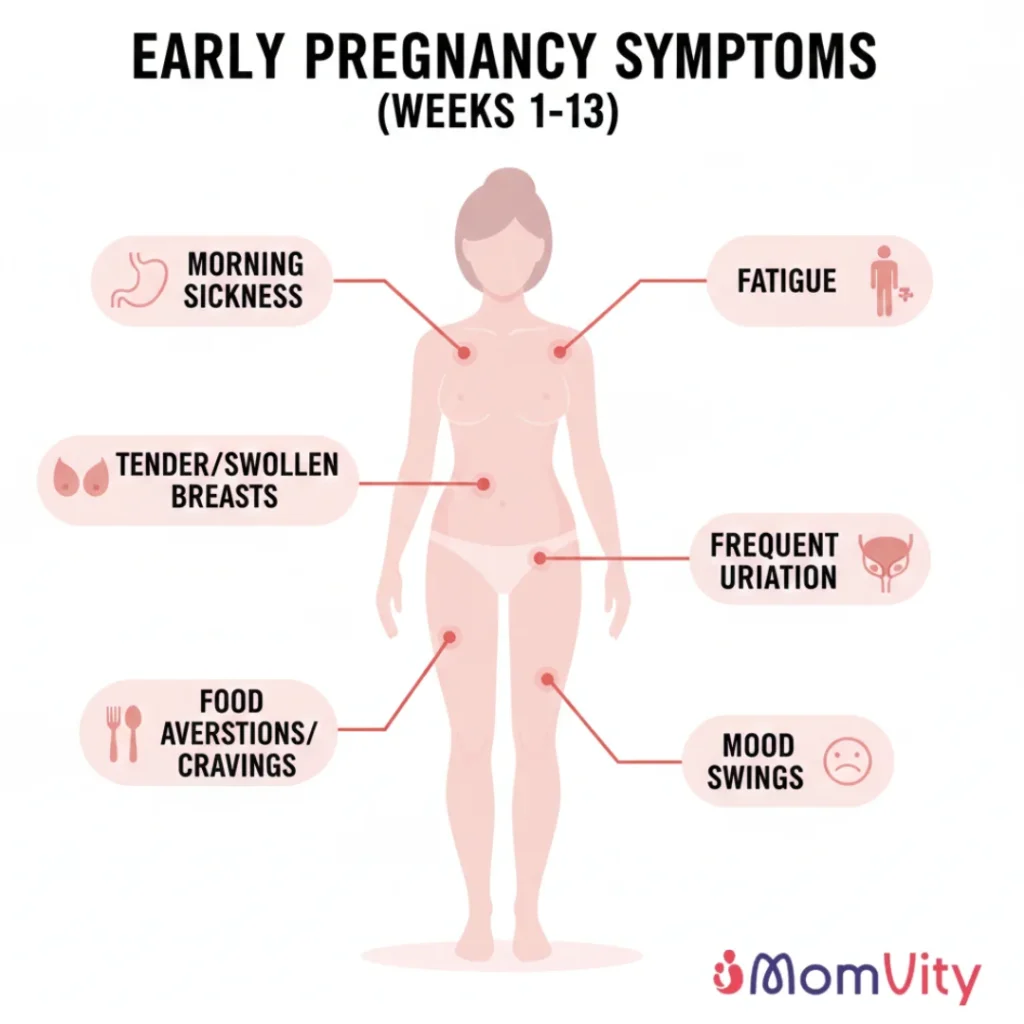
We call the changes that start in the body after getting the news of pregnancy First Trimester Symptoms or the first stage symptoms. During this time, the hormone levels suddenly increase a lot, which results in various new experiences in the body. In many cases, these symptoms start appearing before the period is missed
The most common problem is feeling very sick or vomiting after waking up in the morning. At this time, the body does not want to move anymore and feels like lying down all day. In addition, the smell of food can also be very uncomfortable. First Trimester Symptoms are different for each person. Some may vomit a lot while others may only feel a little weak. It is very important to understand these 13-week symptoms because they are the ones that let you know that your little gem is growing inside your body little by little. Although the symptoms may seem a little more painful at times, there is nothing to worry about because they are a normal part of motherhood.
Unexplained fatigue
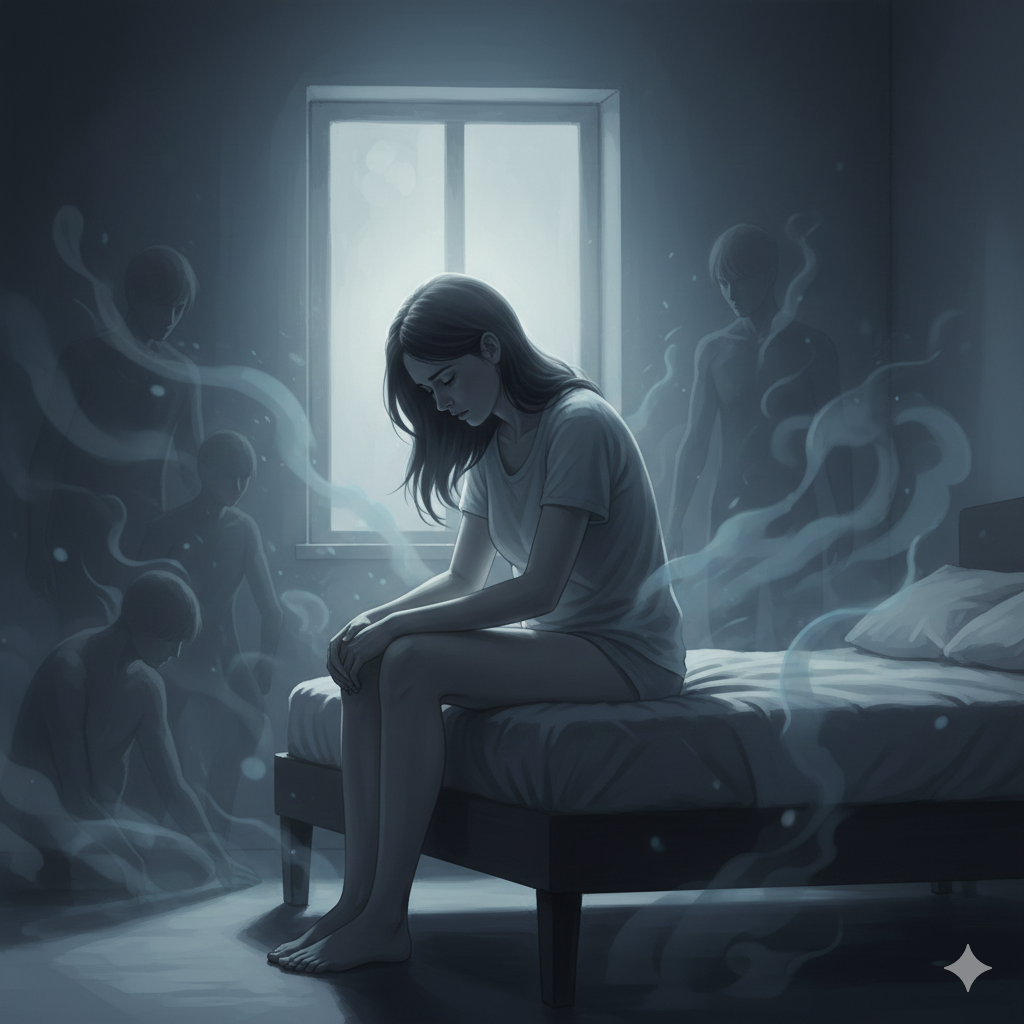
Many mothers suffer from one problem in early pregnancy, and that is unexplained fatigue. It seems that you may not have done much work, but you still feel like you are carrying a mountain of burden. Even after waking up in the morning, your body does not want to move at all. In fact, this unexplained fatigue is not laziness at all. The real reason for this is that a huge change is going on inside your body. Your body is producing the placenta, which will provide oxygen and nutrients to the baby. In addition, the level of progesterone hormone in the body increases a lot during this time, which naturally relaxes people a little. Blood circulation in the body increases and the heart has to work harder than before. Therefore, feeling unexplained fatigue is a very normal symptom in early pregnancy. Many times, after the first three months, this fatigue naturally decreases and the body becomes as alert as before. However, it is very important to listen to the body at this time. Whenever the body feels tired, you should stop all work and take a rest.
To eliminate unnecessary fatigue and maintain your energy during this time, keep the following things in mind:
- Adequate sleep: Ensure at least 8-9 hours of uninterrupted sleep at night and take a short nap (Power Nap) in the afternoon if necessary.
- Balanced diet: Eat nutritious food in small amounts to provide energy to the body. Fatigue increases if you do not eat for a long time.
- Iron and protein: Fatigue can also occur due to anemia, so include plenty of iron and protein-rich foods in your diet.
- Stay hydrated: Dehydration makes the body more tired, so drink plenty of water and fruit juice throughout the day.
- Reduce work pressure: Reduce heavy household chores or long standing tasks with the help of others for the time being.
- Light walking: Instead of lying down too much, taking a light walk for 5-10 minutes in the afternoon improves blood circulation in the body and relieves fatigue.
Nausea and vomiting
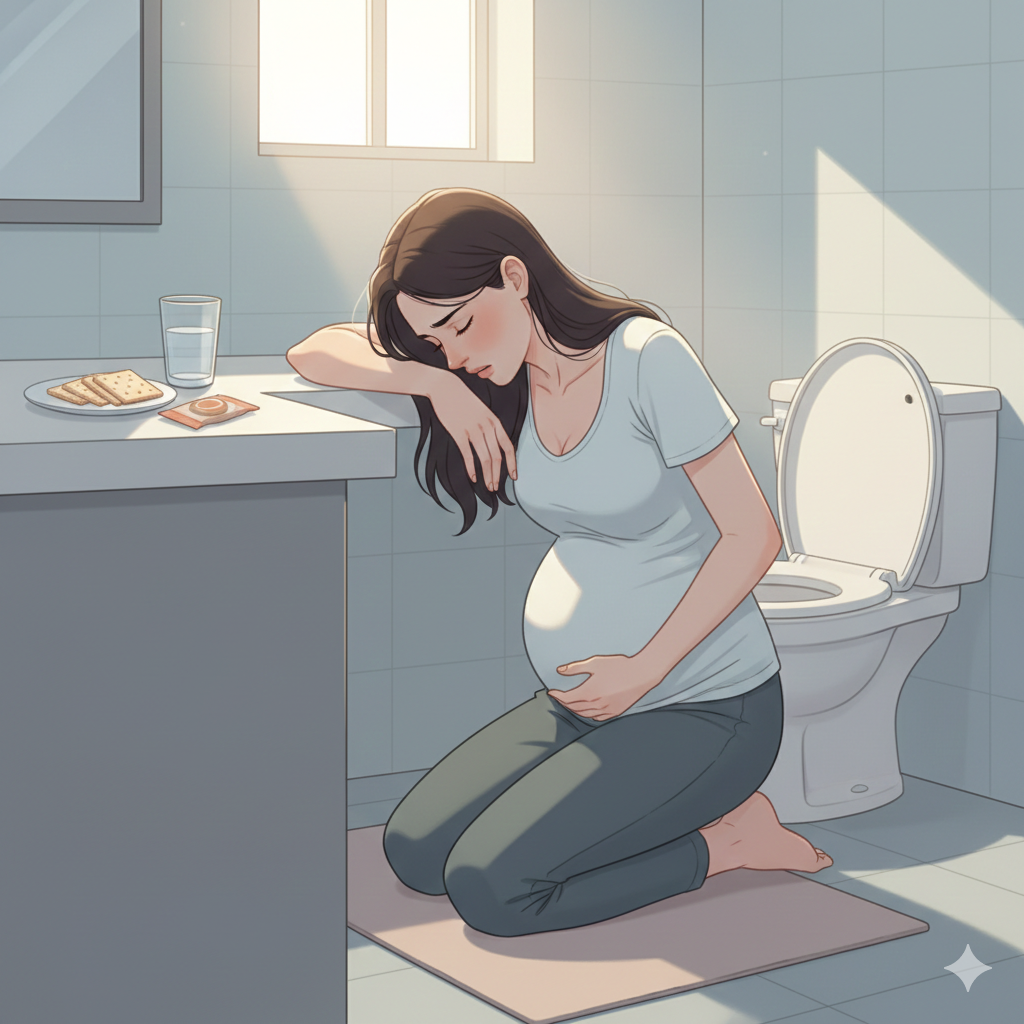
The most common and painful problem for expectant mothers in the first three months of pregnancy is nausea and vomiting. Although we call it ‘morning sickness’ in English, it can actually occur at any time of the day. This problem usually starts a few days after a missed period. The main cause of nausea and vomiting is an excess of the hCG hormone in the body. Due to the increase in this hormone, the stomach becomes very sensitive, so the smell of rice, oil and even your favorite perfume can be confused. Many mothers feel intense discomfort when they wake up in the morning and it comes out immediately when they eat something. Although it is very annoying, according to doctors, mild nausea and vomiting are a sign of a healthy pregnancy. This means that your placenta or placenta is forming properly. Usually, this problem subsides a lot on its own after 13 to 14 weeks. However, if you do not have any food in your stomach or vomit several times a day, you should consult a doctor immediately.
Here are some simple and home remedies to deal with nausea and vomiting:
- Breakfast: Eat dry biscuits or muri on an empty stomach as soon as you wake up, without drinking water, which reduces nausea to a great extent.
- Ginger and lemon: Drinking ginger tea or a slice of lemon in your mouth or drinking lemon juice can quickly relieve nausea.
- Small meals: Make it a habit to eat small meals 5-6 times a day without eating a full stomach.
- Avoid spicy foods: Foods with excess oil, salt and spices cause discomfort in the stomach so choose light foods at this time.
- Rest: Do not lie down immediately after eating, sit for a while or walk very slowly.
- Vitamin B6: You can take vitamin B6 supplements on the advice of a doctor, which works great to reduce vomiting during pregnancy.
Breast Changes
The first noticeable change in the external part of the body at the First Trimester Symptoms
is the change in the breasts. Many times before you miss your period, you may feel that your breasts feel a little heavy or are painful to touch. In fact, your body starts preparing for breastfeeding right after conception. Due to hormonal changes, blood circulation in the breast tissues increases, which can make the breasts feel larger and firmer than before. During this breast change, the nipples become more sensitive and the dark area around them (areola) becomes darker and larger. In some cases the veins in the breasts appear clearly blue above the skin. Although there may be slight pain or discomfort during this time, this is a normal process of the body. This is one of the major signs that your body is preparing itself for the new guest. Using the right underwear can greatly reduce the discomfort during this time.
Here are some of the symptoms and what to do during breast changes:
- Heaviness: Breasts may feel fuller, heavier, and a little harder than before.
- Sensitivity: There may be slight pain or tingling when your hands or clothes rub against your breasts.
- Areola changes: The dark area around the nipples may become darker and may look like small bumps.
- Visible veins: The blue veins on your breasts may become more visible than before due to increased blood flow.
- Choosing the right bra: Wearing a comfortable, wire-free cotton ‘maternity bra’ or ‘sports bra’ during this time can help reduce pain and discomfort.
- Maintain moisture: The skin on your breasts may become itchy, so use a good quality moisturizer or coconut oil regularly.
Frequent urination
Many mothers face a strange problem in early pregnancy, which is frequent urination. First Trimester Symptomsthat you have to run to the toilet after a while and even have to get up repeatedly while sleeping at night. Many people think that this is because you drink too much water, but the real reason is the hormonal changes in your body. After pregnancy, blood circulation in the body increases a lot which causes the kidneys to work harder and produce excess fluid in the body. This excess fluid accumulates in the bladder and causes frequent urination. In addition, at the beginning of pregnancy, the uterus starts to grow and it puts pressure on the bladder. Because of this pressure, when the bladder is slightly full, you feel like you need to go to the toilet right away. Although frequent urination is annoying, it is a normal sign of the body. However, remember that you should not hold your urine at all because it can increase the risk of infection.
Here are some essential tips to deal with frequent urination:
- Maintain water intake: Do not reduce water intake for fear of frequent visits to the toilet because dehydration can harm the baby.
- Water control after the afternoon: To reduce sleep disturbance at night reduce the amount of water slightly from the evening and drink more water during the day.
- Caffeine avoidance: Tea or coffee increases the amount of urine, so it is best to avoid them as much as possible during this time.
- Emptying completely: When going to the toilet, do not rush and lean forward slightly, which gives the bladder a chance to empty completely.
- Watch out for infections: If you experience burning or severe pain in the lower abdomen while urinating, consult a doctor without delay as it may be a urine infection.
- Comfortable underwear: Wear comfortable cotton underwear during this time to reduce the risk of infection.
Mild abdominal cramps
Feeling mild abdominal cramps during early pregnancy can be a cause for concern for many mothers, but in most cases,First Trimester Symptoms completely normal. Just like the twisting pain in the lower abdomen before your period, you may feel the same way in early pregnancy. The main reason for this is that your uterus is preparing to enlarge itself. When the embryo settles firmly on the uterine wall (called implantation), mild abdominal cramps are very common. In addition, as the uterus grows, the ligaments or muscles that hold it in place start to stretch, which causes this discomfort. Sometimes, such cramps can also be caused by gas or constipation. However, remember, if this pain is unbearable and accompanied by bleeding, it can be a sign of danger. There is nothing to worry about in case of mild cramps. It is actually a signal that your body is making room for a small life inside.
Here are some important tips to deal with mild abdominal cramps:
- Rest: If you feel abdominal cramps, immediately stop all work and lie down in a comfortable position. Resting relaxes the muscles and reduces the pain.
- Change your posture: Instead of sitting or standing in one position for a long time change your sitting posture occasionally.
- Drink enough water: Cramping increases when the body is dehydrated, so drink plenty of water throughout the day.
- Hot compress: Applying a very light hot water bag or a warm cloth compress to the lower abdomen can provide relief from muscle cramps.
- Avoid heavy work: Avoid lifting buckets or pushing anything heavy during this time as it puts extra pressure on the abdomen.
- Doctor’s advice: If the pain is very severe, fever occurs, or there is vaginal discharge or fluid or blood, seek expert advice immediately.
Light spotting
Many mothers are very scared when they see light spotting or small blood stains on their underwear in early pregnancy, but it is not always a sign of danger. Usually, 10 to 14 days after conception, when the embryo implants itself in the uterine wall, there may be a slight bleeding, which is called ‘implantation bleeding’. This light spotting is usually not bright red like a period, but it is pink or brown in color and lasts for a very short time. In addition, during pregnancy, blood circulation in the cervix increases a lot, as a result of which slight spotting may appear after physical intercourse or due to heavy physical exertion. However, remember that if light spotting gradually increases and is accompanied by severe abdominal pain or bloody discharge, it may be a risk of miscarriage.
Here are some things to do and be aware of if you experience light spotting or bleeding:
- Rest: Stop all activities as soon as you notice the spotting and lie down. Do not do any physical activity at this time.
- Pad use: Use a regular pad instead of a tampon to measure the amount of bleeding.
- Sexual intercourse: You should refrain from sexual intercourse until the bleeding has completely stopped.
- Notifying your doctor: Call your doctor even if there is only slight spotting and take the next steps as advised.
- Emergency: If the bleeding is heavy with pain or fever, contact the nearest hospital or emergency room without delay.
Mood swings
The surge of hormones in the body during early pregnancy has the biggest impact on the mind, which we call mood swings. It seems that you may have been very happy one moment, but the next moment you are crying profusely or getting very angry for some trivial reason. This mood swing is not at all of your own volition. Basically, due to the sudden increase in estrogen and progesterone hormone levels, the area of your brain that controls emotions becomes somewhat unstable. In addition, the anxiety of becoming a first-time mother, physical fatigue, and constant nausea can make your mood even more irritable. Many people feel very lonely for no reason at this time or feel that no one understands them. Remember, this is completely normal in early pregnancy. Usually, after the first three months, when the body adapts to these new hormones, this instability also decreases a lot. Instead of blaming yourself during this time, you should try to talk openly with your family and be cheerful.
Here are some easy ways to manage mood swings or mental instability:
- Get enough sleep and rest: If your body is tired, your mood is more irritable, so get enough rest both day and night.
- Open your mind: Share the fears or worries that are working in your mind with your partner or close people.
- Nutritious food: Low blood sugar level can ruin your mood, so drink healthy snacks and plenty of water.
- Light exercise: Taking a light walk in the fresh air in the afternoon produces ‘endorphins’ or feel-good hormones in the brain.
- Hobbies: Keep yourself busy with reading books, listening to music, or any favorite hobby to keep your mind healthy.
- Patience: Remember that this is a temporary condition. You will feel normal again mentally when your hormones return to balance.
Dizziness or weakness
Sudden dizziness or weakness in early pregnancy is a very uncomfortable experience for many mothers. It is seen that when you stand up suddenly from a sitting position, your head feels dizzy or if you stand for a long time, the surroundings seem dark. The main reason for this is the change in your circulatory system. During pregnancy, the blood vessels in your body dilate to increase blood flow to the uterus, which can cause a slight decrease in blood pressure and a slight delay in blood reaching the brain. In addition, dizziness or weakness starts even when the blood sugar level decreases due to hormonal changes. Especially for those who are unable to eat properly due to morning sickness, their bodies lose energy quickly. Many times, this problem is also evident even after not eating for a long time or if there is a lack of water in the body. Although this experience is very common in the first three months, if dizziness is accompanied by blurred vision or a severe headache, you should definitely consult a doctor.
Here are some simple solutions to deal with dizziness or weakness:
- Move slowly: When getting up from a sitting or lying position, do not get up suddenly and stand up very slowly.
- Drink plenty of water: Dehydration is the main cause of dizziness, so drink water and coconut water or saline repeatedly throughout the day.
- Eat at short intervals: Do not stay on an empty stomach for a long time. Try to eat something light every two to three hours to keep your blood sugar levels stable.
- Avoid standing for long periods of time: Do not work standing in one place for a long time. If you feel tired, sit down or lie down immediately and rest.
- Open air: Do not stay in a closed or hot place for a long time because lack of oxygen can also cause dizziness.
- Lie on your left side: Try to lie on your left side while sleeping, as this improves blood circulation to the heart and uterus, which reduces dizziness.
Food Taste Changes
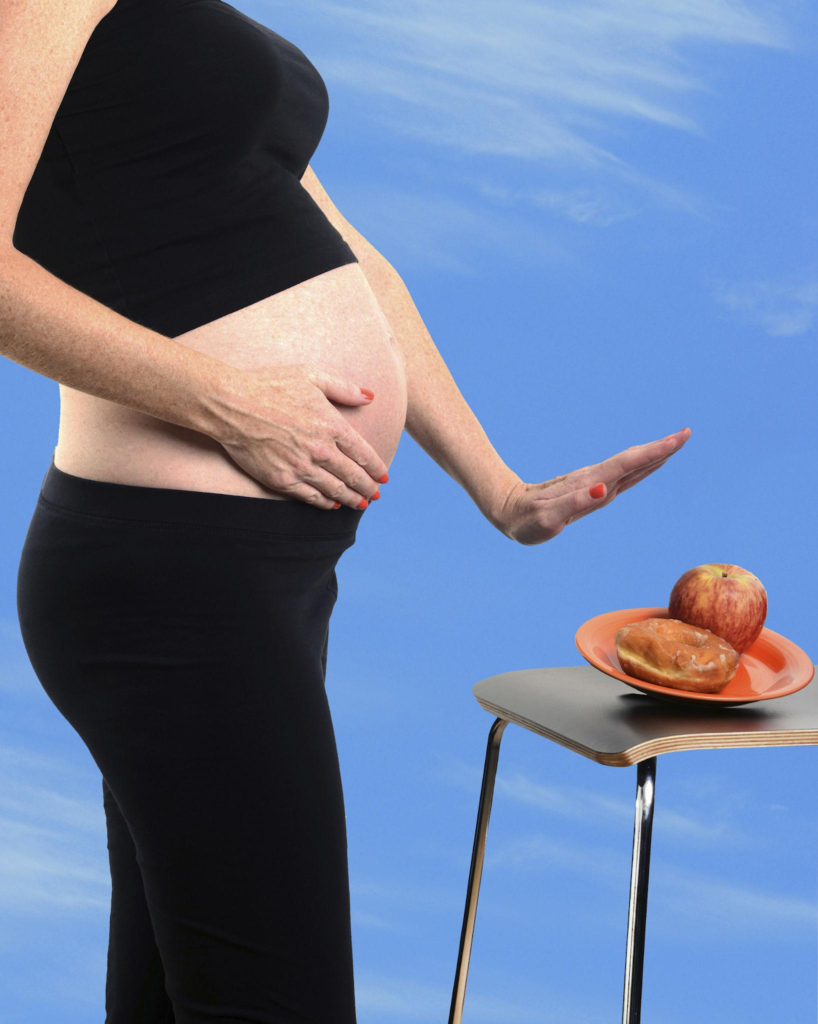
A strange but very common experience among expectant mothers during the first trimester of pregnancy. It is seen that the food you used to love so much suddenly turns your body crazy with its smell. On the other hand, your mind may become anxious to eat some strange food that you have never liked before. This is called ‘food aversion’ (reluctance to eat food) and ‘craving’ (intense desire). The main culprit behind this change in food taste is your body’s hormones, especially estrogen. During this time, your sense of smell becomes so keen that even the smell of fried onions or fish flakes from the kitchen next door can be unbearable for you. Many mothers like to eat sour, spicy or very salty foods, while some turn their back on sweets. This is actually nature’s way of keeping the mother away from harmful or strong-smelling foods. Usually, this taste starts to return to normal when the second trimester begins.
Here are some easy ways to change your taste buds and adapt to them:
- Listen to your body: If your body wants to eat healthy food, then eat it, but if the smell of any food makes you nauseous, there is no need to force it.
- Choose alternatives: If you are reluctant to eat fish or meat, try eating pulses, cheese, eggs or nuts to meet your protein needs.
- Cold food: Cold food or food at normal temperature often has less smell than hot food, which helps reduce nausea.
- Healthy cravings: If you want to eat too much sour or salty food, you can make lemon or tamarind paste at home instead of eating street food.
- Zinc and multivitamins: Sometimes, even if there is a nutritional deficiency, the taste changes, so take the vitamins prescribed by the doctor regularly.
- Eat little by little: Don’t starve yourself even if you don’t have any taste, make a habit of eating nutritious fruits or biscuits little by little.
Constipation
The problem that many expectant mothers suffer from the most during the first three months of pregnancy is constipation. It is seen that they do not go to the toilet regularly or their stomach is always heavy. The main reason for this is the increase in the level of the hormone ‘progesterone’ in the body. This hormone keeps the muscles of your uterus relaxed and also slows down the digestive system or digestion process of the body. As a result, food passes through the intestines very slowly and the body absorbs excess water from there, which hardens the stool. Apart from this, another reason for constipation is the iron supplement given by the doctor at this time. Due to nausea in early pregnancy, many mothers cannot eat enough water or fiber-rich foods, which further aggravates the problem. Although it is quite annoying and sometimes causes stomach pain, it is possible to get rid of this problem by making small changes in lifestyle. Remember that it is important to eliminate constipation because if it is prolonged, problems like hemorrhoids or piles can develop.
Some effective ways to relieve constipation and keep the stomach clean are given below:
- Fiber-rich foods: Include plenty of green vegetables, fruits (such as bell peppers, guava, apples) and red flour bread or oats in your daily diet.
- Adequate water: Drink at least 8-10 glasses of water a day; water helps to keep the bowels moving and soften the stools.
- Eating small meals: Eat small meals several times a day instead of eating a large meal at once, which makes the digestion process easier.
- Light exercise: Take a light walk for 10-15 minutes every day. Physical activity helps to increase the functioning of the intestines.
- Isabgol husk: As a natural remedy, you can mix Isabgol husk with a glass of water before going to bed at night.
- Doctor’s advice: If the problem is too much, consult a doctor without taking any laxatives or medicines on your own. He can change the brand of your iron tablets if necessary.
Conclusion
In conclusion, the first three months of pregnancy or the first trimester is the name of a strange and exciting change in a woman’s life. Symptoms that appear during this time like fatigue, nausea or mood swings are actually indications of a healthy pregnancy. Your body is working hard to contain a new life, so you need a little extra care and love for yourself during this time.
We wish you a joyful, safe and peaceful journey of motherhood.