
After overcoming the stress of the first three months of pregnancy, your Second Trimester begins when you enter the fourteenth week. Simply put, doctors consider the period from the end of the thirteenth week to the end of the twenty-seventh week as the second trimester. During this time, the baby inside your body becomes the size of a lemon and starts growing rapidly. This brings a great message of relief for expectant mothers because from this time onwards, your body adapts completely to pregnancy and you feel much fresher and more vibrant than before.
As this middle period of pregnancy begins, your appetite returning and nausea decreasing will feel like a huge blessing. During this Second Trimester, you will be able to experience every moment of your motherhood very closely, which will prepare you mentally for the next stage. If you pay attention to proper nutrition and light exercise from the beginning, you will be able to spend this entire period very happily. So whenever thirteen weeks pass on your pregnancy calendar, give yourself a little extra congratulations because you have now entered the most golden period of pregnancy.
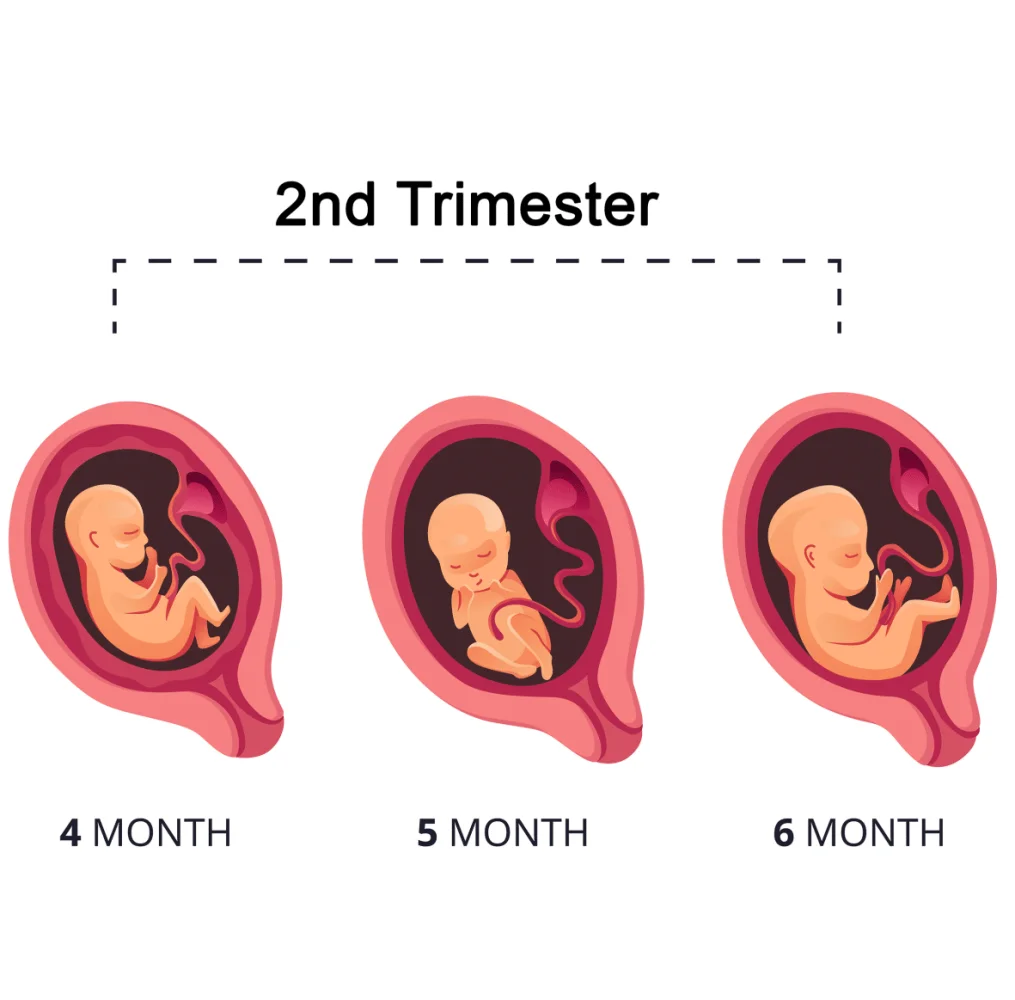
What does Second Trimester mean?
The second trimester of pregnancy is a wonderful time in the entire journey when both your body and mind find great peace. Simply put, the period from the thirteenth week of pregnancy to the twenty-seventh week is called this. During this time, the baby’s body structure is almost complete and he now starts gaining weight very quickly. The initial instability of your body decreases and a kind of stability comes that gives you a new joy of being a mother. During these three months, the little person inside you starts to make his presence known and you feel much stronger than before physically.
Key aspects of this period at a glance
- The second trimester is formed by the middle three months of pregnancy, that is, the fourth, fifth and sixth months.
- This is a stage where the main organs of the baby’s body such as the kidneys, liver and lungs start working.
- As the hormones of the mother’s body come under control at this time, nausea and fatigue are largely eliminated.
- It is during this time that the baby’s ears are fully formed, due to which he can hear you and outside sounds.
- The uterus of your body is now The baby starts growing and the belly becomes clear, revealing your motherhood
This Second Trimester is said to be the safest and most comfortable time of the entire pregnancy because now the fear of miscarriage is reduced a lot and the mother can be much more active. During this time, you will start eating your favorite foods again and your skin will have a special glow that will impress everyone. This is the best time to enjoy the joy of the baby’s growth and these beautiful changes in your body, so do not neglect this time and spend every day with a smile because it will be one of the best memories of your life.
When Does Second Trimester Start General Schedule
When the pregnancy journey crosses the thirteenth week and reaches the fourteenth week, your Second Trimester officially begins. According to the general calendar, it lasts from the beginning of the fourth month of your pregnancy to the end of the sixth month. This time is considered by doctors to be the safest time of pregnancy because after overcoming the stress of the first three months, the body now finds a rhythm. When you enter this time, you will see that your nausea has decreased and you are getting a new taste for food again. This is a time when you can feel the existence of your upcoming child very deeply because from this initial time, every organ of the baby’s body starts to reach perfection.
Some information about the general schedule of this period
- The period from thirteen weeks one day to twenty-seven weeks and six days is called the Second Trimester in terms of weeks.
- These three months in terms of months include the fourth, fifth and sixth months of your pregnancy.
- It is towards the beginning of this schedule that your baby’s fingerprints are formed and he starts to yawn.
- Most mothers feel the first movements of the baby within fifteen to twenty weeks. Get a schedule
- Around 20 weeks, it is usually time to have a major ultrasound, which is called an anomaly scan.
As soon as you start your second trimester, you will notice that your body’s energy level has increased much more than before. It is important for you to follow this schedule because every week the baby develops new things that you need to know. During this time, your placenta starts working fully, which provides nutrition to the baby. This period is not only a time of physical changes for you, but also a time of mental preparation. So, keeping this schedule in mind, you can arrange your regular checkups and diet plan so that the days ahead are easier and more beautiful.
When does the Second Trimester end?
As soon as you complete twenty-seven weeks of pregnancy, your Second Trimester or the second three months ends. In simple words, entering the twenty-eighth week means that you are entering the final stage of pregnancy, i.e. the third trimester. Passing this time means that the major organs of your unborn child’s body are now almost ready to function and he will now be busy gaining weight rapidly to see the light of the world. The time until the end of twenty-seven weeks is as much a time of peace for the mother as it is a milestone in the child’s development because at the end of this period the child can open his eyes and start responding to external light or sounds.
The end of your second trimester means that you are now at the very end of motherhood. During this time, your body weight also changes significantly because the baby is growing very quickly. After twenty-seven weeks, you should increase your body care and rest so that you can handle the next stresses. The end of the middle part of this beautiful journey means that your waiting period is almost over. So it is wise to finish the necessary shopping or home arrangements for the baby before this period ends because the body will become much heavier in the last three months.
Why the start of the second trimester is so important
The beginning of the second trimester of pregnancy brings a huge sense of relief to an expectant mother because at this time the risk of miscarriage decreases dramatically and the mother feels much more physically secure. After overcoming the hormonal fluctuations of the first three months, the body now reaches a stable state that creates an ideal environment for the proper growth of the baby. At this time, the important organs of the baby’s body such as the brain, heart and lungs begin to develop rapidly and the baby’s movements begin to form a spiritual bond with the mother. Therefore, the beginning of this stage means moving a long way towards a healthy and successful pregnancy that gives you new confidence and joy in your mind.
The main reasons for the importance of this period are given below.
- The risk of miscarriage is reduced by about ninety-five percent compared to the first three months, which eliminates the mother’s mental anxiety.
- The placenta or womb is now fully functional and ensures the necessary supply of oxygen and nutrients to the baby.
- The baby’s hearing is developed, so he can respond to his mother’s voice and external sounds. Learns
- The baby’s body parts become complete and his bones start to strengthen, which lays the foundation for further growth
- As the mother’s nausea and fatigue subside, the mother can return to normal eating and activities
- It is at this time that it is possible to know for sure whether the baby has any birth defects through anomaly scans
The beginning of this Second Trimester turns the tide of your entire pregnancy because now you not only take care of your body but also get the opportunity to talk to the baby and enjoy his movements. At this time, as your body’s strength returns, you can prepare yourself for the big preparations of the future, such as decorating the baby’s nursery or completing the necessary shopping. The importance of this stage is immense because it greatly increases the baby’s chances of survival and leads you towards a beautiful and easy delivery, so it should be your main responsibility to ensure proper checkups and nutritious food by giving importance to this time
Signs of the end of the first trimester
The first three months of pregnancy or the first trimester means that your body is now entering the next phase through a major change. As this period ends, the initial hormonal instability starts to decrease and the body becomes much more stable. When you see that your unbearable nausea and severe aversion to food are gradually decreasing, you will understand that you are moving towards the second trimester. This is a time when you will feel much fresher and more active than before because the constant fatigue and sleepiness of the first phase are now gone, which gives you new energy to do your daily work.
Some common symptoms of the end of the first trimester
- Nausea and discomfort with food odors decrease dramatically and the appetite starts to increase
- As the uterus now rises above the pelvis, the pressure on the bladder decreases and the frequency of urination decreases
- The initial intense sensitivity and pain of the breasts decreases a lot, but the size continues to increase
- Your energy level returns to your body and you want to lie down all the time like in the first trimester No
- Frequent mood swings are somewhat under control and you feel calmer than before
- A slight bulge or baby bump begins to appear in the lower abdomen as the baby grows
These signs mean that your placenta is now fully formed and has taken over the responsibility of producing your pregnancy hormones, due to which your body feels much more comfortable. At this time, your skin and hair may have a special glow or pregnancy glow, which is one of the beautiful signs of the end of the first trimester. Passing this stage is a big milestone for you because now you can enjoy your pregnancy a lot more and new plans will be formed in your mind about the upcoming child, so accept these changes with a smile and prepare yourself for the next beautiful days
Decreased nausea
The unbearable nausea and bad food odors of the first three months of pregnancy start to subside nicely at this time, which is a huge relief for an expectant mother. The main reason for this change is that your body’s hormones have now adjusted to the pregnancy nicely and the placenta is now fully functional and taking on its responsibilities. You will suddenly notice that your lost taste is returning and you can now eat foods that used to make you uncomfortable. As the nausea subsides, your body’s supply of nutrients increases and you feel much more active and alert than before, which makes your whole day enjoyable.
Explore more here: early pregnancy symptoms
Increased interest in food
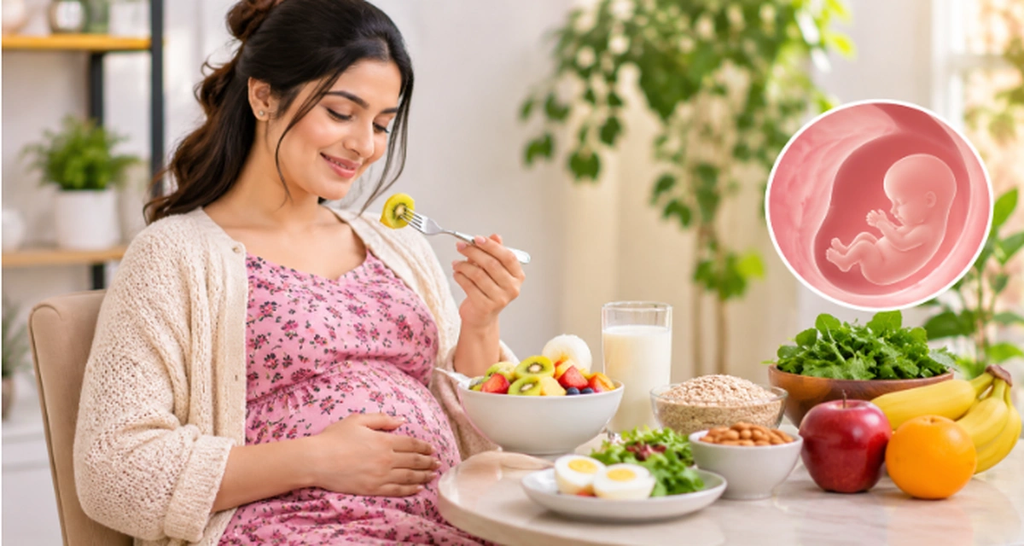
As the second stage of pregnancy begins, your aversion to food disappears and a new kind of interest or taste develops, which is a very positive sign for the health of you and your baby. At this time, as the body’s hormones stabilize and nausea decreases, you may feel much hungrier than before and you start to develop a kind of special attraction or craving for different types of food. This is basically a signal from your body because now the little person inside you is growing very fast and needs additional nutrients and calories to build his bones and muscles. Therefore, by taking advantage of this new interest in food, you can now easily consume nutritious foods rich in protein, calcium and iron, which will directly help in maintaining your body’s energy levels and the proper weight gain of the baby.
What changes occur in the body when the second trimester begins?
As you enter this second stage of pregnancy, your body will undergo some visible and internal changes that will remind you every moment that a new life is growing inside you. At this time, your uterus has now risen above your lower abdomen and your belly starts to grow clearly round, which even outsiders can see when they see you are pregnant. Due to hormonal changes, your skin may have a special glow or pregnancy glow. In many cases, a black line or linea nigra may appear in the middle of the abdomen. These changes not only change your external appearance but also increase the amount of blood circulation in your body, making you much fresher than before.
The main changes that occur in your body during this time are:
- Due to the enlargement of the uterus, you may feel slight tension or pain in the waist and lower abdominal muscles at times.
- The size of the breasts increases and the area around the nipples becomes much darker than before.
- Body weight starts to increase rapidly because now the baby’s bones, muscles and fat have started to form.
- Due to the increased blood circulation, your Gums may become much softer than before and may bleed occasionally
- A blocked nose or light nosebleeds are also normal due to swelling of the membranes inside the nose
- Mild itching or stretch marks may begin to appear on various parts of the body, especially the abdomen and thighs
Stomach slowly growing
During this period of pregnancy, your uterus now starts to rise above the pelvis, making your belly appear much more pronounced and rounder than before. This change is basically a manifestation of your baby’s rapid growth as he is now making more space for himself inside the belly. At first, your regular clothes may feel a little tight, but gradually your belly will grow to the point where everyone will be aware of your motherhood. As the uterus grows, the skin on your belly may feel a slight pull, which sometimes causes itching, but this growing belly makes you feel the presence of your baby at all times, which is a matter of utmost satisfaction for an expectant mother.
Weight gain begins
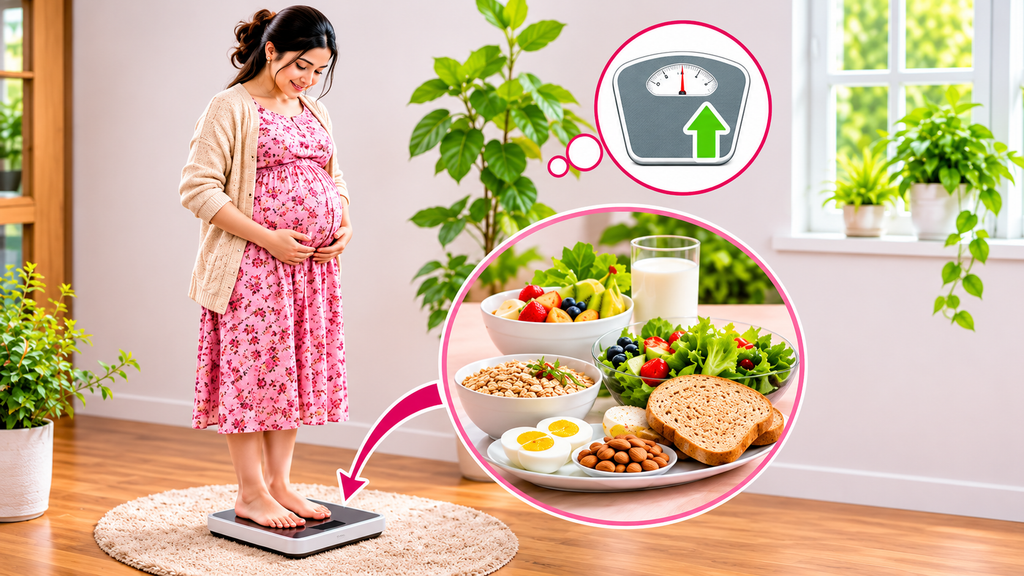
In this second stage of pregnancy, the process of gaining weight becomes much more regular and visible, which is one of the main indicators of the healthy development of the baby. Once you start eating normally after the nausea and aversion to food of the first three months have passed, your body weight starts to increase by about half a kilogram or a little more per week. This extra weight is not just your body fat, but it is the combined result of your growing uterus, amniotic fluid, placenta, and the formation of the baby’s bones and muscles. This process of weight gain prepares your body for delivery and helps provide the baby with the necessary nutrients. Therefore, instead of worrying about the weight gain during this time, you should accept this change positively by eating nutritious foods.
Hormone stability
In this second stage of pregnancy, your body’s hormones, especially estrogen and progesterone, reach a state of balance, which gives you a lot more peace of mind after the instability of the first three months. Due to this stability, your problems like frequent mood swings or crying for no reason start to decrease, and you regain a lot more control over your emotions. As a result of this positive hormonal change, your skin and hair appear to have a special glow, which makes this period of pregnancy the most beautiful and enjoyable for you. The return of this hormonal rhythm in the body is a big milestone for your and the baby’s well-being because it gradually prepares your body for the next big change.
What happens to the baby when the second trimester begins?
The beginning of the second trimester of pregnancy means that your little one is now going through a very rapid change that is truly amazing. During this time, every organ of the baby’s body not only grows in size but also begins to acquire the ability to perform specific functions. During these fourteen to twenty-seven weeks, the baby learns to move its arms and legs and gradually begins to respond to your words or the sounds of the outside world. When you are at this stage, your baby is not just a living being but now begins to take on the appearance of a full-fledged human being and a world of its own likes and dislikes is formed.
The main changes in the baby during this time are given below.
- The baby’s bones now start to transform from soft cartilage to hard bone and the bone structure becomes strong.
- The baby’s hearing develops, due to which he can hear the mother’s voice, the sound of the heartbeat and loud noises outside.
- A kind of white waxy coating or vernix is formed on the baby’s skin, which protects him in liquid water.
- The baby’s fingernails are fine Starts to grow and develops its own unique fingerprint
- It is at this stage that the baby regularly starts swallowing amniotic fluid which helps in the development of its digestive system and lungs
- The baby’s eyelids and eyebrows are formed and it is now sensitive to light and can move its eyes
This amazing growth of the baby creates a new life inside your body which you can feel through occasional light tapping or movement. In this Second Trimester, the baby’s brain develops very quickly and it can now do things like sucking its thumb or yawning effortlessly. To ensure this healthy growth of the baby, you need to eat plenty of calcium and iron rich foods now because now its bone and blood production is in full swing. Every movement of the baby and this invisible bond with you will make this period of pregnancy the most memorable chapter of your life.
Does everyone enter the Second Trimester at the same time?
Although the time to enter the second trimester of pregnancy is theoretically the same for everyone, it may seem a little different depending on each mother’s physical experience and the method of calculating pregnancy. According to the general rules of medicine, everyone enters this stage after the end of thirteen weeks, that is, from the first day of the fourteenth week. However, this time may vary by a few days based on the date of your last menstrual period or ultrasound report. Depending on how quickly your body is adapting to pregnancy or how long the symptoms of the first trimester have been decreasing, the time to experience this trimester may seem different to each person. Therefore, the changes in your body, rather than the time of day, are the real signs of entering this new stage.
Although everyone reaches the fourteenth week at the same time according to the calendar, this experience can be unique depending on your physical sensations. Some mothers may feel a huge surge of vitality as early as the fourteenth week, while for others it may take another week or two for this relief to come. There is nothing to worry about because of this difference because every woman and every pregnancy progresses at its own pace. The important thing is to maintain your regular checkups and take care of yourself according to how the doctor calculates the gestational age of your pregnancy, because this period is a major milestone for the safety of you and your baby.
When is it important to tell the doctor?
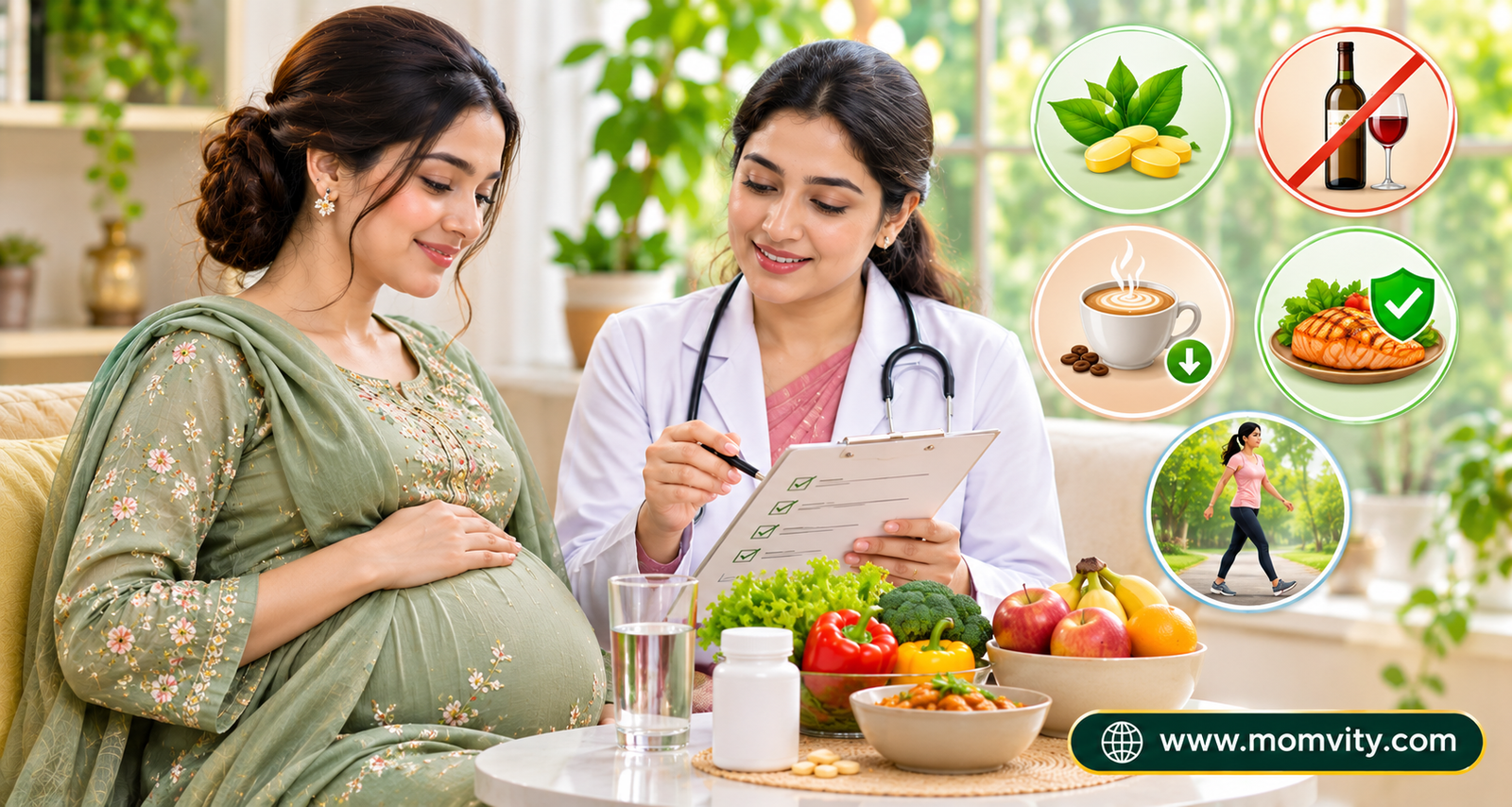
Although you are usually in a good mood during this second stage of pregnancy, you should not ignore some physical symptoms if they appear at all. Because it is easier to avoid major dangers if you can quickly identify any small problem during pregnancy. Although this time is considered safe, if your body gives any unusual signals, it is most important to consult a doctor immediately for your and your baby’s safety. Many times, we think of simple pain or discomfort as something that can cause complications later. Therefore, it is wisest to contact your gynecologist without hesitation as soon as the following symptoms appear.
Seek medical advice immediately if you experience any of the following symptoms:
- Sudden vaginal bleeding or a large amount of watery fluid is released
- Continuous severe pain in the lower abdomen or frequent contractions in the uterus that do not subside even after resting
- The baby’s movements that you used to feel regularly suddenly decrease a lot or do not occur at all for a few hours
- Sudden severe dizziness, blurred vision, or a severe headache all the time, which can be a sign of high blood pressure
- Hands and feet Or abnormal swelling of the face and also decreased urine output or burning sensation in urination
- High fever with severe body shaking or repeated vomiting which increases the risk of dehydration and infection
It is very important to follow these precautions to keep your pregnancy as risk-free as possible. Do not panic when you see any symptoms, take action with a calm mind and always keep your doctor’s contact number handy. Remember that as a mother, your awareness is the biggest guarantee of your baby’s healthy birth, so whenever your body indicates something unusual, do not minimize it and seek expert opinion. Your little extra caution will give you a beautiful and successful motherhood.
Conclusion
The second trimester of pregnancy is the most joyful and relaxing chapter in the life of every expectant mother, where you begin to feel a spiritual bond with your unborn child. During this time, you can overcome minor body problems and prepare for the days ahead with renewed enthusiasm. The rapid growth of your baby gives you a feeling of unearthly happiness every moment. Remember, the key to a healthy pregnancy is proper nutrition, adequate rest, and a positive mindset. So, accept every change in your body with a smile and enjoy this golden time by following the doctor’s advice regularly, because your awareness and care will build a beautiful and healthy future for your child.