When exactly does the second trimester of pregnancy begin?

Tahmina Noor

Published: 17/02/2026
Updated: 17/02/2026

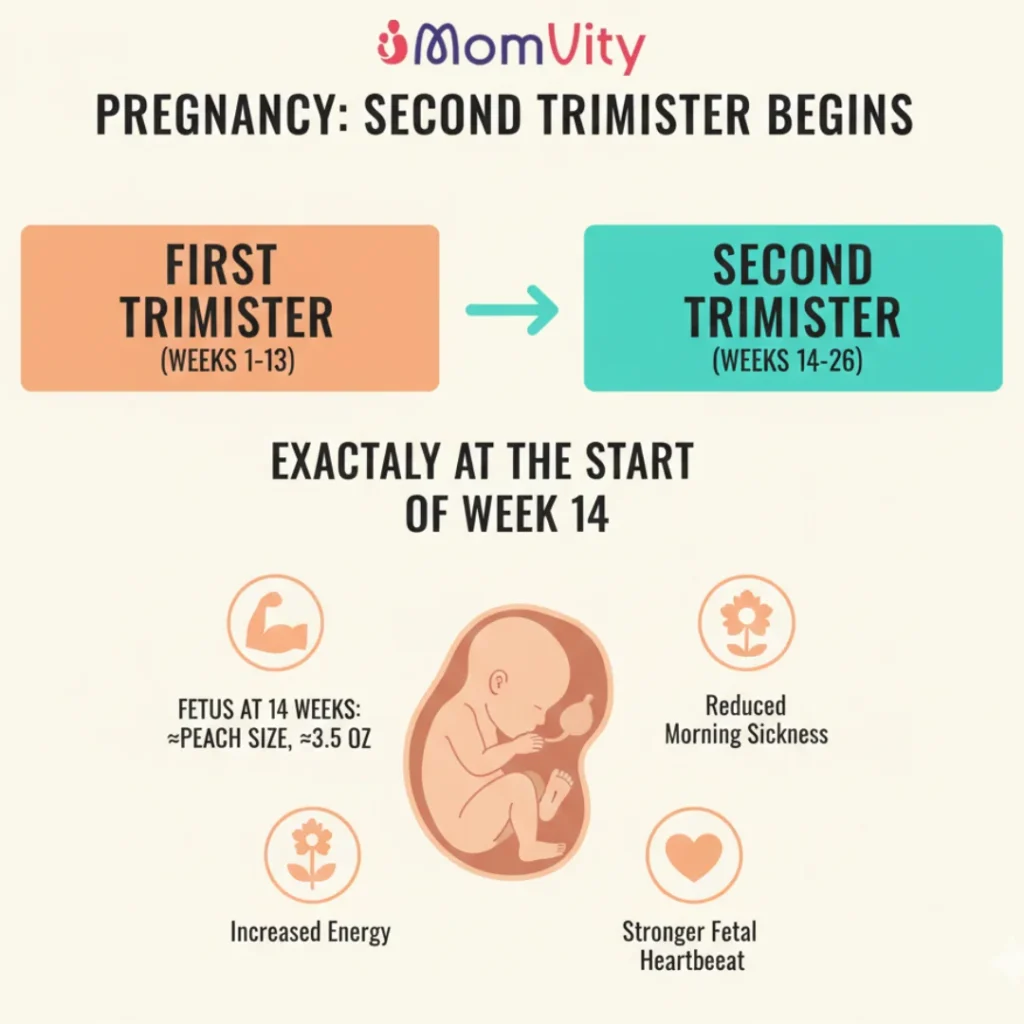
The second trimester or second stage of pregnancy is considered the most comfortable period of motherhood. When Does the Second Trimester Start is usually counted from the beginning of the 14th week.

According to the correct calculation of medical science, you enter the second trimester from the day after the completion of 13 weeks and 6 days, which lasts until the end of the 27th week. It is during this time that most mothers’ physical complications from the early stages of pregnancy subside and they begin to clear feel the presence of their baby.

What week does the second trimester start?

The second trimester of pregnancy is usually counte from the beginning of the 14th week. According to the correct calculation of medical science, you enter the second trimester from the day after the completion of 13 weeks and 6 days and it lasts until the end of the 27th week. This stage covers a total period of 14 weeks, which include the fourth, fifth and sixth months of pregnancy. The second trimester is called the “golden period” of motherhood, because during this time the severe fatigue and nausea of ​​the first trimester are greatly reduced and the risk of miscarriage is also dramatically reduced. At this stage, When Does the Second Trimester Start

 of the mother’s body also changes significantly as the uterus rises upwards.

The duration and characteristics of the second trimester are given below:

  • Exact time: From the first day of the 14th week to the last day of the 27th week.
  • Month calculation: It basically start from the fourth month of pregnancy and extends to the end of the sixth month.
  • Fetal development: At the beginning of this stage, the formation of the baby’s major organs is completed and it begins to grow rapidly.
  • Physical relief: As the progesterone hormone levels stabilize, the mother feels more energy or strength than before during this period.
  • Baby bump: After 14 weeks, the belly begin to become visible due to the enlargement of the uterus and the waist size increases.
  • Role of the placenta: At this time, the placenta becomes fully functional and takes over the responsibility of blood circulation and nutrition of the baby.

When Does the Second Trimester Start considered the beginning?
The first 13 weeks of pregnancy are called the “Embryonic and Early Fetal Period”, where the primary structures of all the major organs of the baby are formed from a single cell. The main reason for considering the 14th week as the beginning is that during this time, the most risky early stage of the baby’s life ends and the placenta or womb becomes fully functional and takes over the responsibility of the baby. In medicine, pregnancy is divided into three equal parts, each part lasting about 13 to 14 weeks. From the 14th week, the process of increasing the size and function of the baby’s organs begins, which is called the “Growth and Maturation Phase”. In addition, during this time, the intensity of hormones in the mother’s body stabilizes, as a result of which the symptoms of the first trimester go away and a new and relatively safe chapter of pregnancy begin.

The main reasons for considering the fourteenth week as the starting milestone of the second trimester are:

  • Completion of organ formation: By the end of the 13th week, the baby’s heart, kidneys, liver, and lungs are complete; from the 14th week, they only start to grow.
  • Placental regulation: Earlier, the mother’s ovaries provided hormones for the baby’s nutrition, but from the 14th week, the placenta itself starts providing all the hormones and nutrients.
  • Reduced risk of miscarriage: Statistics show that the risk of miscarriage decreases by about 65-80% after the 13th week, which is a sign of safe stability.
  • Hormonal changes: The level of hCG hormone starts to decrease during this period, due to which the mother’s nausea and fatigue decrease and physical comfort return.
  • External changes: From this week, the uterus rises from the pelvic area to the abdomen, which makes the pregnancy externally visible.

What changes happen to your body when the second trimester begins

The beginning ofWhen Does the Second Trimester Start means that your body has entered the most stable and comfortable stage of pregnancy. During this time, the instability of the first trimester begins to decrease as hormone levels return to normal. The most visible change is the position of your uterus; it now rises up from your pelvis and moves to the middle of your abdomen. As a result, your “baby bump” or belly size increases and your normal clothes start to feel tight. Since blood circulation in the body increases by about 50% during this time, your heart rate may increase slightly and your skin may have a special glow or “pregnancy glow”. This is basically a stage of the body’s preparation for the rapid growth of the baby.

Major physical changes at the beginning of the second trimester:

  • Increased physical strength: You will feel much fresher and more active than before as the effects of the progesterone hormone become tolerable.
  • Morning sickness goes away: In most mothers, nausea and aversion to food completely go away after 14 weeks.
  • Abdominal distension: As the uterus rises towards the navel, the abdomen begins to round and the skin of the abdomen may feel slightly tight or itchy.
  • Breast changes: The size of the breasts increases and the area around the nipple (areola) becomes darker than before.
  • Ligament tension: Due to the enlargement of the uterus, there may be occasional mild pain or “round ligament pain” in the lower abdomen or on both sides.
  • Skin pigmentation: Due to the influence of hormone a black line (Linea Nigra) may become evident in the middle of the abdomen and light dark spots may appear on the face.
  • Nose and gum sensitivity: Due to increased blood flow in the body the tendency to have a blocked nose or slight bleeding from the gums while brushing may increase.

How the baby develops during this period

When Does the Second Trimester Start is the main period of rapid growth and maturation of the baby’s organs. At the beginning of this stage, the baby is the size of a large lemon, and by the end, it is almost the size of a large cauliflower. It is during this period that the baby’s bones begin to harden and he learns to move his arms and legs, which the mother can feel. The most amazing thing is that during this stage, the baby’s nervous system and brain develop so rapidly that he can now hear external sounds and react to light. A protective layer is formed on his skin and he develops a regular routine of sleeping and waking up in the mother’s womb. This is basically the transition period from a tiny fetus to a full-fledged newborn.
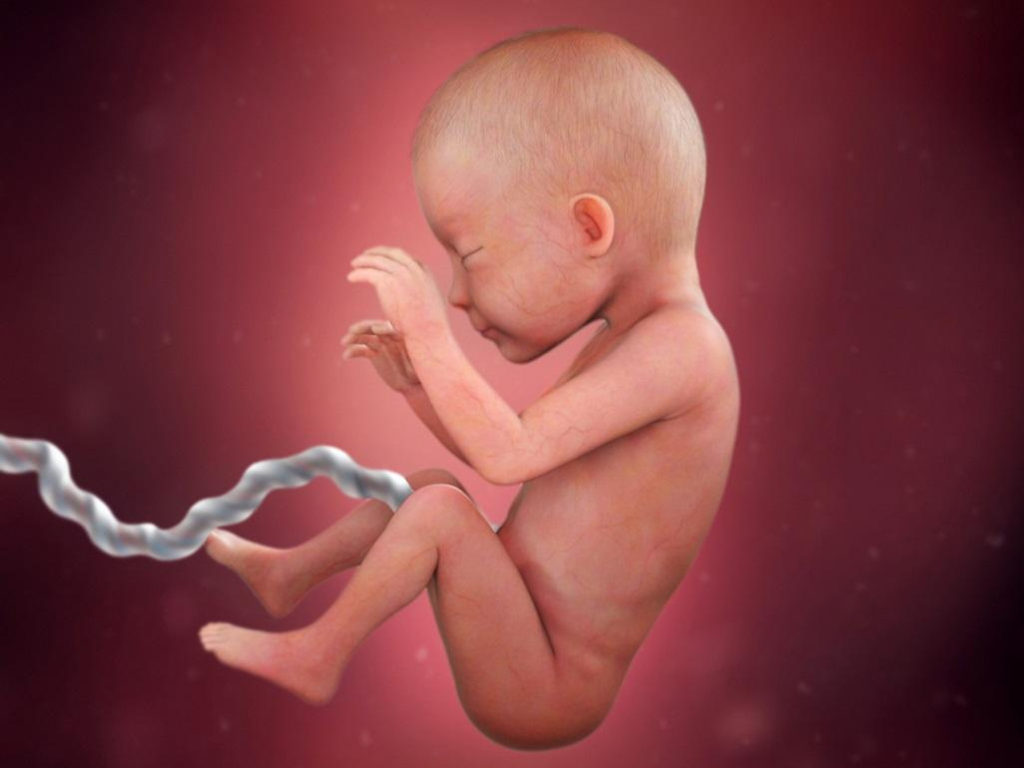
The main stages of baby development in the second trimester are given below:

  • Development of sensory powers: Between 18 and 20 weeks, the baby begins to hear. He can recognize the mother’s heartbeat, the sound of blood circulation and even the voices of outside people.
  • Vernix and Lanugo: A waxy white coating (vernix) and very fine hair (lanugo) grow on the baby’s body to protect the baby’s skin.
  • Fingerprints and Nails: The baby’s fingers develop unique fingerprints and small nails begin to grow on the tips of the fingers.
  • Movement and Kicking: Around 20 weeks, the baby begins to move its arms and legs, which is medically called ‘quickening’.
  • Eyes and Eyelids: Towards the end of this period (around 26 weeks), the baby opens its eyelids for the first time and can distinguish between light and dark.
  • Urine and Lungs: The baby now regularly swallows amniotic fluid and excretes it as urine. Its lungs begin to practice breathing.

Emotional changes

When Does the Second Trimester Start is often called the “honeymoon period” of pregnancy, as the sudden fluctuations in hormone stabilize during this time. The anxiety, fear, or depression that was present in the first trimester is replaced by confidence and calmness. A deep maternal affection and connection is created in the mother from the moment the baby first moves and sees its shape on the ultrasound. However, as the uterus grows, there may be some hesitation about one’s appearance or mild anxiety about the upcoming responsibilities. Overall, this period is a wonderful time for mental preparation and forging the first bond with the life growing inside her.

Common emotional states of mothers in the second trimester:

  • Feeling relaxed: Mothers feel much more relaxed mentally as the risky period of the first three months is over and the fear of miscarriage has subsided.
  • Bonding: After feeling the baby’s kicks or movement the matter seems real to the mother which creates deep love and affection for the baby.
  • Body image anxiety: Due to rapid weight gain and changing belly size, some may feel a little depressed or lack confidence in their own beauty.
  • Nesting tendency: The mother begins to mentally prepare herself for the upcoming arrival by organizing the baby’s room, deciding on a name, or shopping.
  • Pregnancy brain: Sometimes, due to hormones it can be difficult to forget small things or concentrate on work.
  • Bright mood: As physical discomfort decreases and energy is restored, the mind is cheerful most of the time and a bright mental state is maintained.

How to take care of yourself in the second trimester

The second trimester is the most comfortable time of pregnancy, so you should take this opportunity to prepare your body for the next stage. During this time, there is no alternative to nutritious food for the rapid development of the baby’s bones and brain. It is especially essential to include foods rich in calcium, iron and folic acid in your diet. Since your belly has started to grow now, special care is required in sleeping posture and movement. Sleeping on your left side should be your regular habit from now on, as it improves the baby’s blood circulation. Apart from this, light exercise and adequate rest should be a part of your daily routine to maintain mental peace and physical strength.
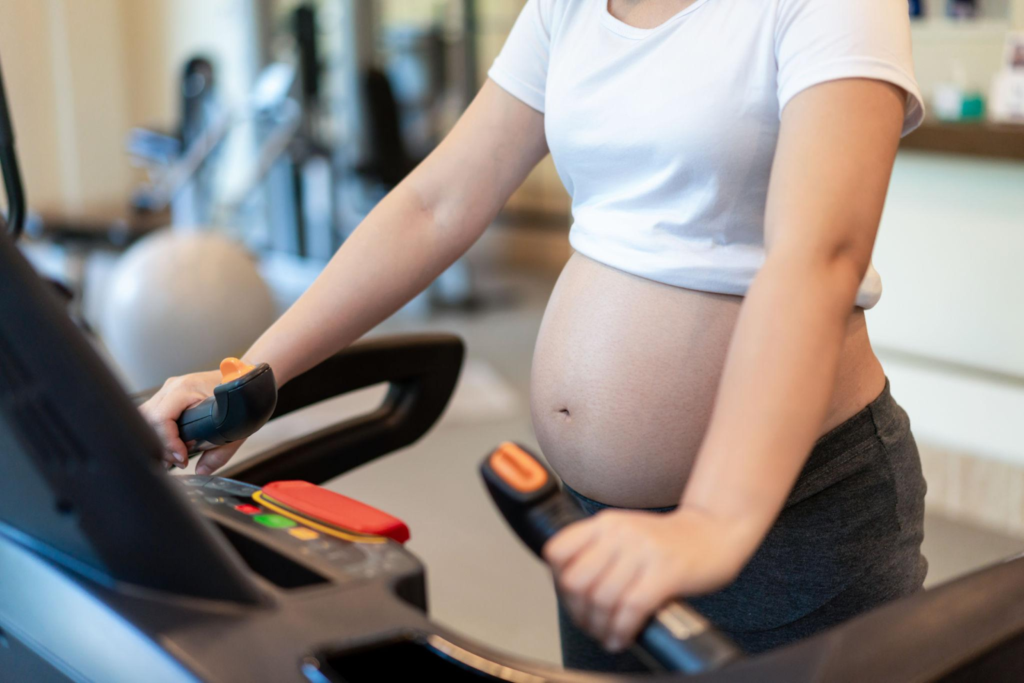
Follow the following points to take proper care of yourself in the second trimester:

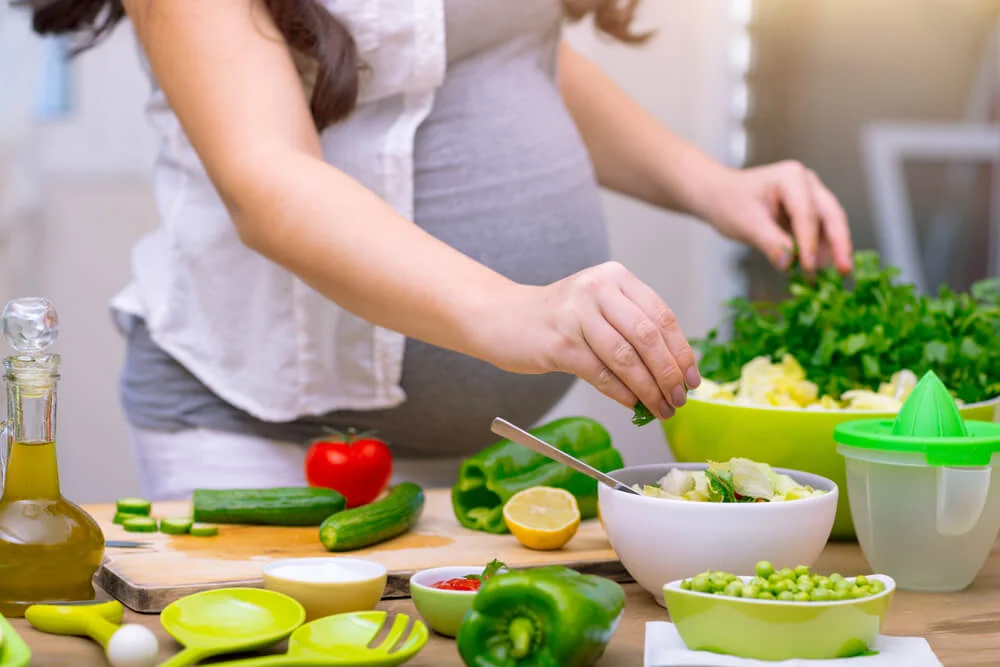
  • Balanced diet: Include plenty of protein (lentils, eggs, fish), calcium (milk, cheese) and iron-rich foods (bananas, spinach) in your daily menu.
  • Sleeping on Left Side: This position provides the best blood flow to the uterus and placenta; you can use a pillow between your legs for comfort.
  • Drink plenty of water: Drink at least 8-10 glasses of water a day to keep your body hydrated and avoid constipation and urinary tract infections.
  • Skin care and moisturizing: Stretch marks or itching may occur due to the stretching of the skin on your abdomen, so use coconut oil or a good moisturizer regularly.
  • Light physical activity: Walk for 20-30 minutes every day with your doctor’s permission; this keeps your blood circulation in the body good and helps in preparing for labor.
  • Comfortable clothing and shoes: Wear loose cotton clothing and flat shoes to maintain your balance and reduce the risk of foot pain.
  • Dental care: During this time, the tendency of bleeding gums increases so brush your teeth regular twice a day with a soft brush and consult a dentist.

When to be careful

Although the second trimester is generally safe, some physical symptoms should not be ignored. The body is very sensitive at this stage of pregnancy, so even minor changes should be taken seriously. Especially if you notice vaginal bleeding, severe abdominal pain or any abnormalities in the baby’s movements, you should consult a doctor without delay. During this time, many mothers cannot distinguish between “Braxton Hicks” or mild contractions and real labor pains, which are important to catch in time. In addition, high blood pressure or chronic headaches can be a sign of pre-eclampsia, which is dangerous for both mother and baby.

If the following symptoms occur, it is necessary to be alert and contact a doctor immediately:

  • Vaginal bleeding or fluid discharge: Slight bleeding (spotting) or sudden discharge of watery fluid can be a sign of premature labor or other complications.
  • Severe abdominal pain or cramps: It is not normal to have continuous severe pain in the lower abdomen or severe cramps like a period.
  • Decreased baby’s movement: Usually, the baby’s movement can be felt after 20-22 weeks. If the baby’s movement suddenly decreases a lot or seem to stop completely, it is important to get checked immediately.
  • Excessive swelling and headache: Sudden excessive swelling of the face, hands or feet along with severe headache or blurred vision can be a sign of high blood pressure.
  • Severe fever and chills: A fever of more than 100.4 degrees Fahrenheit or accompanied by chills indicates an infection in the body.
  • Continuous vomiting and weight loss: If vomiting does not stop even in the second trimester and you cannot eat anything, dehydration may occur in the body.
  • Itching: Severe itching on the palms of the hands and soles can be a sign of liver problems or ‘cholestasis’.

How much belly is visible when the second trimester begins

From the beginning of the second trimester, your uterus is no longer confined to the pelvis; it begins to expand and rise towards the navel. Usually, between 16 and 20 weeks, most mothers begin to clearly see their belly or “baby bump”. However, this can vary from person to person – for first-time mothers, it may take a while for the belly to become visible (around 20 weeks). On the other hand, in the case of second or third pregnancies, the stomach muscles are already relaxed, so the belly becomes quite visible by 14-15 weeks. At this time, the uterus is about the size of a large orange or small watermelon, which makes your physical appearance more pronounced.

The size or visibility of the belly in the second trimester depends on the following factors:

  • The mother’s height and body type: In tall mothers, the belly may be felt later as the uterus has room to grow upwards but in short mothers, the belly becomes visible towards the front quickly.
  • Muscle tone: If your abdominal muscles are very tight or tense, it may take a little longer for the baby bump to become visible.
  • Body weight: The visibility of the belly may also be earlier or later, depending on how much the mother weighed before pregnancy.
  • Position of the uterus: If the uterus is tilted more towards the front wall of the abdomen (anteverted uterus), the belly can be felt faster.
  • Number of fetuses: If you are carrying twins or more, the belly will naturally be much more visible as early as 14 weeks.
  • Clothing style: While loose clothing may make the belly less noticeable at the beginning of the second trimester, changes become noticeable after 16 weeks in cotton or fitted clothing.

Which tests are important when the second trimester begins?
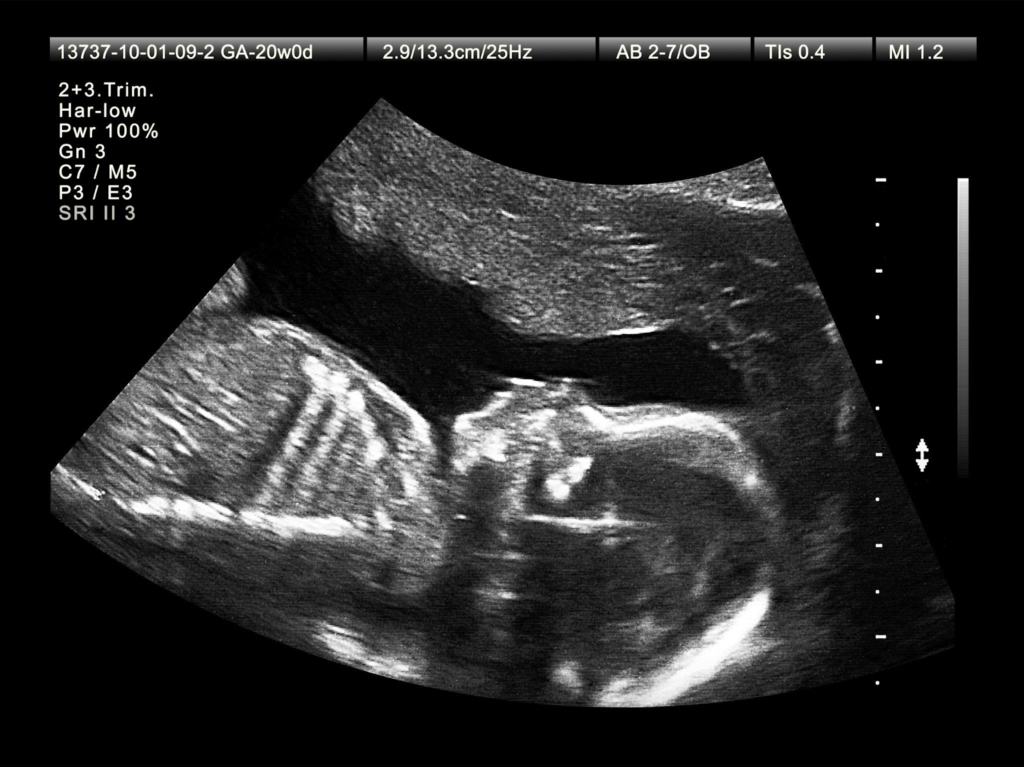
Stepping into the second trimester means a time of meticulous monitoring of every organ of the baby and the mother’s internal health. The most integral test at this stage is the Anomaly Scan, which is usually done between 18 and 22 weeks. This scan ensures that the baby’s heart, brain, spine and other organs are properly formed. In addition, checking the mother’s blood sugar levels is essential at this time, because many mothers are diagnosed with ‘gestational diabetes’ or polyuria during pregnancy between 24 and 28 weeks. Regular blood pressure tests and urine tests can detect pregnancy complications such as pre-eclampsia or infection early. These tests play an important role in keeping your pregnancy safe and maintaining peace of mind.

The list of main tests in the second trimester is given below:

  • Anomaly Scan: This is a detailed ultrasound that check the baby’s physical structure and the position of the placenta.
  • Glucose Challenge Test (GCT/OGTT): This is done at 24-28 weeks to check for high blood sugar level or diabetes in the mother.
  • Blood Pressure and Weight Measurement: High blood pressure and abnormal weight gain are monitored at each visit.
  • Routine Examination: Pre-eclampsia is diagnosed by looking for the presence of protein or albumin in the urine.
  • Hemoglobin Level Check: A CBC test is done to confirm whether the mother has anemia or anemia.
  • Quadruple Screen: This blood test can be done at 15-20 weeks to understand if there is a risk of any specific genetic problem or Down syndrome.

Conclusion

The second trimester of pregnancy is a wonderful juncture in the life of the mother and the baby, where fear and anxiety are overcome and a sense of complete peace begins. These 14 weeks not only give you physical comfort, but also give you the opportunity to talk to your unborn child for the first time in a heartbeat. By eating right, having regular health check-ups, and taking care of your mental health, you can pave the way for a healthy delivery. Remember, every conscious step you take during this time is creating a beautiful and strong foundation for your baby’s future. Celebrate these golden moments of motherhood with full joy and confidence, because your health is the first gift to your child.

Related Articles

pregnancy food guidelines

A huge guide to pregnancy food guidelines and the nectar of food on the way to the arrival of Sonamani

Don’t be afraid of pregnancy food guidelines or the right rules of eating during pregnancy, mother. In this new light of 20 Rome 2026, a detailed guide to which foods are nectar and which are poison for the good health of you and your baby.

pregnancy food guidelines

Listen, my dear mothers, that long nine-month journey of pregnancy has been like a worship. A miraculous miracle is now taking shape inside your body. A small soul, a piece of your liver, Sonamani is now building its own body from your bones, flesh and blood. This is a cosmic process, here your main tool is your eating plate. Whatever you put in your mouth, Sonamani will get exactly that nutrition. This is why it is so important to know about pregnancy food guidelines in our time. In the past, the mothers of Geram did not let them eat whatever they got, they would selectively feed them the good things. On this bright day of 20 Rome 2026, you will have to be a brave and fighting mother. If you do not know which food will build your baby’s brain and which will harm it, then your nine months of suffering may go in vain. Remember, mother, pregnancy does not mean eating food for two, but eating food with double the nutrition. Whatever you eat should be a blessing to every cell of your baby’s body. If you go, then with the touch of Geramya Maya, you will help your baby to step into this position with a smile.

The first step of pregnancy and the main basis of pregnancy food guidelines

Go understood, after receiving the news of Bean, a tide of joy started flowing in my heart. But amidst this joy, you will have to strengthen your food rules. Many people say, “Mother, eat more and more,” but I say, pay attention to quality rather than quantity. This is the first lesson of pregnancy food guidelines. Your food should have a beautiful combination of protein, calcium, iron and vitamins.

Folic acid and the formation of the baby’s nerves

Mothers, in the first three months of pregnancy, folic acid works like magic for the development of the baby’s bones and nerves. Green vegetables, pulses and citrus fruits are rich in it. If you eat a bowl of greens and pulses every day, the fear of your baby having birth defects will completely disappear. This is a very important part of pregnancy food guidelines. Are you putting green vegetables in your diet today, mother?

Iron power and elimination of anemia

Your body has a lot of blood during pregnancy. As your baby grows, your blood will become weak. There is no comparison between raw vegetables, liver, eggs and red meat to increase this blood. According to pregnancy food guidelines, you should include something rich in iron in your daily diet. If your blood is low, your body will become weak and you will not get energy during pregnancy.

The friendship of vitamin C and iron

Let me tell you a secret, mom, if you eat a little lemon juice or vitamin C fruits with iron-rich foods, the body can absorb that iron very quickly. These small tricks are the real beauty of pregnancy food guidelines.

Calcium reserves and protection of mother’s bones

When the baby grows inside the womb, it draws all the calcium from your body to build its bones. If you do not eat calcium properly, your teeth will become brittle and there will be permanent pain in your waist. This is why milk and dairy products are very important in pregnancy food guidelines.

The glory of milk, curd and cheese

Try to drink at least one glass of pure milk every day. If milk smells bad, then eat curd or cheese. Calcium will strengthen your baby’s bones and teeth and make your body like beans. These foods are absolutely royal ingredients in the list of pregnancy food guidelines.

Chew small fish and bones

Small fish of the sea like Mala, Dhela or Kachaki fish increase the brightness of your eyes and strengthen your bones. Chewing these fish with bones provides a lot of calcium. There is no alternative to fresh small fish from the market to ensure pregnancy food guidelines, mother.

The magic of protein or meat and the structure of the baby’s body

Every organ, muscle and liver of the baby is made of protein. If you eat less protein, the baby will be born very weak and limp. In pregnancy food guidelines, protein is called the foundation of life.

The need for eggs and chicken meat

Eggs are the cheapest and best protein in the world. At least one well-cooked egg a day is like nectar for you and the baby. Chicken or mutton also increases the strength of the body. However, keep in mind, mothers, that the meat should be cooked thoroughly. Raw or semi-cooked meat is strictly prohibited in pregnancy food guidelines.

Nutrition of pulses and grains

Those who eat less fish and meat should eat more pulses, chickpeas and nuts. Pulses are a unique food to meet the lack of protein. The more diverse food you eat, the more nutritious your baby will taste. This is the real lesson of pregnancy food guidelines.

Importance of water and liquid food

Mothers, do you know that your baby is surrounded by a clear bag of water? To maintain this water or amniotic fluid, you will have to drink a lot of water. In pregnancy food guidelines, lack of water is considered the biggest danger.

Relationship between constipation and water

Constipation or stomach cramps are very common during pregnancy. To avoid this problem, it is important to eat at least 10-12 glasses of water and fibrous foods (such as yam husk or fruit) a day. The more water you drink, the more toxins your body will get rid of. This is a silent medicine of pregnancy food guidelines.

Coconut water and fruit juice

Instead of drinking colorful juices from the market, drink coconut water or fresh fruit juice made at home. This will relieve the body’s fatigue and keep the mind alert. To ensure pregnancy food guidelines, mothers completely avoid dirty drinks from outside.

Keeping a clear mind and having affection for food

Mothers, eat whatever you eat with a happy heart. If you eat when you are bored or forcefully, the food does not taste good to your body. You create a strange affection for food. When you sit down to eat, talk to your child in your mind “Look, Dad/Mom, what a beautiful meal I have brought for you.”

Eat little by little and often

During pregnancy, eating too much at once can cause heartburn or vomiting. One of the best rules of pregnancy food guidelines is to eat little by little every two hours. This also makes the body feel light and the flow of nutrients to the child is also continuous.

Tips to avoid adulteration in the market

These days, vegetables contain a lot of poison. Soak them in salt water for at least half an hour before cooking. This awareness has become a modern part of pregnancy food guidelines. The responsibility of protecting your precious baby lies solely with you.

Ideal daily food list for pregnancy

Food CategoryExamplesWhy You Should Eat This
Main CarbohydratesRed/Brown rice, Whole wheat roti (Atar ruti).To provide a continuous supply of energy.
ProteinEggs, Chicken, Fish, Lentils (Dal).To build the baby’s body structure and muscles.
CalciumMilk, Yogurt (Doi), Cheese (Ponir), Small fish.To strengthen both mother’s and baby’s bones.
Vitamins & FiberLeafy greens, Colorful vegetables, Fruits.To increase blood count and prevent constipation.
Fluids / LiquidsPure water, Coconut water, Soup.To keep the body refreshed and maintain amniotic fluid.

Poisoning of forbidden foods and strict rules of pregnancy food guidelines

Listen, mom, during pregnancy, the mind often becomes confused. The taste of salty or sour foods makes the tongue water, and it is at this opportunity that we put something wrong in our mouth. But mother, nature is now keeping your body in a very sensitive state. There are some foods that are good during normal times, but they are absolutely poisonous during pregnancy. Recognizing these forbidden foods is the biggest test of pregnancy food guidelines.

Hidden dangers of raw papaya and pineapple

The elders of Geram do not mix, mom do not touch raw papaya and pineapple in the early stages of pregnancy. The skin of raw papaya contains latex which can cause uterine contractions and premature abortion or bleeding. Similarly, the bromelain present in pineapple softens the cervix. These two fruits are the forbidden foods written in red ink in the pregnancy food guidelines. Are you not giving these to your mouth by mistake, mother?

Death trap of raw and semi-cooked food

Many people like to eat semi-cooked eggs (poached) or semi-cooked meat. But mother, this semi-cooked food is the home of all the strange germs called ‘Salmonella’ or ‘Listeria’. These germs can reach the baby through your blood and veins and damage his heart and brain. For this reason, the pregnancy food guidelines have strict instructions – whatever you eat should be steaming hot and well-cooked.

Precautions while cooking fish

Do not eat fish if there is blood near the bones while cooking it. The fish will be hard and run away. Even raw fish, if not washed properly and cooked in a tight net, will be against the pregnancy food guidelines.

Mercury poisoning in sea fish and be vigilant

Fish is our main food, but not all sea fish are as good as your goldfish. Some large sea fish contain a type of poison called ‘methyl mercury’. This poison can completely destroy the development of the baby’s growing nervous system. This is why there is a special guideline for selecting sea fish in the pregnancy food guidelines.

Which fish should you avoid and why?

Large sea fish such as shark, swordfish, and king mackerel should be avoided completely. These fish take in a lot of ocean dirt and chemicals. Modern doctors in 2026 say that eating these fish is the same as eating poison. These are the harmful aspects of pregnancy food guidelines.

Praise for small fish and river fish

Instead, you can eat small sea fish (shrimp, salmon, rupchanda) or our native river fish. Omega-3 fatty acids help in the development of the baby’s brain, which is abundant in small fish. There is no alternative to fresh live fish to ensure pregnancy food guidelines, mother.

Open food on the roadside and toxic dust

Mothers, who doesn’t get mouth watering when you see fuchka, chatpati or roadside pickles during pregnancy! But those open foods contain thousands of flies and toxic dust on the road. Your liver is very delicate during pregnancy, so those foods can directly go against the pregnancy food guidelines and push you towards jaundice or typhoid.

Dangers of open syrup and rotten ice

The ice used in roadside sugarcane juice or lemon juice is often made with drain or dirty water. These syrups are strictly prohibited drinks in the pregnancy food guidelines. If you get thirsty, always keep boiled water with you at home. Coconut water is a real friend at this time.

The abundance of packaged foods and chemicals in the market

Colorful chips, noodles or packaged foods contain a large amount of preservatives or tasting salts. These chemicals directly attack the baby’s hormones. For this reason, the pregnancy food guidelines have asked to completely avoid processed foods or packaged foods. Fresh food prepared at home is the best gift for your precious baby.

Explore more here: what foods affect breast milk

The bad effects of tea, coffee and alcoholic beverages

Mothers, many have the bad habit of drinking tea or coffee all day long. But tea and coffee contain caffeine, which increases your baby’s heart rate and prevents the baby from gaining weight. This excess caffeine intake is against the pregnancy food guidelines.

Caffeine and sleep disturbance

It is better not to drink more than one cup of tea or coffee a day. Excess caffeine will disrupt your sleep and increase the baby’s restlessness. The more peacefully you sleep, the better your baby will be. Remember, mothers, anything intoxicating (such as drugs, tobacco or alcohol) can cause harm to your baby. These are the biggest warnings of the pregnancy food guidelines.

The deadly bite of salt and white sugar

We often eat a lot of salt in cooking or love sweet foods. But excess salt during pregnancy will increase your blood pressure, which can cause your feet to swell (pre-eclampsia). This excess salty food is also a silent enemy of pregnancy food guidelines.

Jaggery or honey instead of sugar

Eating too much sugar or sweets increases the risk of developing diabetes during pregnancy. If you want to eat sweets instead, eat jaggery or pure honey in moderation. Colorful sweets or cakes and biscuits bought in the market are completely excluded from the list of pregnancy food guidelines.

Stale food and bacteria in the refrigerator

Understood mom, many of us cook a lot at once, store them in the refrigerator and eat them again and again. But during pregnancy, a strange bacteria called ‘Losteria’ grows very quickly in this stale food. This is why stale food is avoided in pregnancy food guidelines it has been said.

The correct rule for heating food

If you have to eat food from the refrigerator, then eat it immediately by heating it up. Warm food is absolutely poisonous. For the health of your precious child, try to eat fresh food, mother. There is no alternative to fresh food to keep the body fresh.

The day of delivery is approaching and the final preparations for pregnancy food guidelines

Go mother, understand that the last three months of pregnancy (third trimester) are the most important time. During this time, the baby’s bones become strong and its skin color and skin are formed. There is a lot of pressure on your body now, so your eating habits will have to be completely adapted. At this time, the main goal of pregnancy food guidelines is to give you physical strength like a bean and keep the baby’s weight right. If you slack on nutrition now, your body will respond during the bean. In this new light of 20 Rome 2026, you will have to be a completely alert mother.

Ways to overcome heartburn and digestive problems

In the end, due to the growth of the baby, there is pressure on the stomach or stomach, so even if you eat a little, the stomach becomes bloated and the chest burns. To avoid this problem, the pregnancy food guidelines have a magical rule – do not eat all at once, but eat small meals 5-6 times throughout the day. Mothers should completely avoid fried foods and extra spices. Go to bed at least two hours after eating at night, so that the food has time to digest.

Glory to constipation and fibrous foods

Mothers, towards the end, stomach cramps or constipation are very common due to taking iron pills or due to the pressure of the baby. To avoid this problem, eat more red flour bread, lentils, and fruits with peels. According to the pregnancy food guidelines, it is absolutely necessary to have vegetables like isabgul husk or patal, jhing in your daily diet. If the stomach is clean, the mind also feels good and the pain during menstruation is less.

 Post-baby recovery and food quality

After having a baby, your body goes through a lot of changes. At that time, there is no alternative to food to bring your body back to its previous state and to reduce the flow of breast milk. The rules of pregnancy food guidelines must be followed even after birth so that both you and your baby stay healthy.

The magic of black cumin and garlic to increase breast milk

The mothers of Geram give hot rice with black cumin and garlic to the mothers of Biyani. This is a natural remedy. Black cumin and garlic increase the production of milk in your body and help the uterine wound to dry up quickly. These foods should be an integral part of your pregnancy food guidelines. The more liquid and nutritious food you eat, the more satisfied your baby will be.

The power of ghee and sesame oil

After delivery, the joints of the body become loose. Pure ghee and sesame oil help restore the internal strength of your body. But remember, everything in moderation, mother. Excessive oily food will make you gain weight, which will be difficult to reduce later. Pregnancy food guidelines means being healthy, not just getting fat.

Peace of mind and the sacred bond of food

Mother, do you know when you happily feed a child rice, your baby gets that feeling of happiness in your stomach? If you eat it with fear, worry or crying, then that food acts like poison. The biggest lesson of pregnancy food guidelines is food is a sacred blessing.

Tips for overcoming food aversion

Many people vomit at the smell of food during pregnancy. To overcome this, you can add a little lemon juice or grated ginger to food. Keep your mind calm. Talk to your child, tell him how much you are struggling for him to eat good food. This strength of mind, this is what will give you courage during that difficult labor pain.

Responsibility and affection of family members

At this time, it is the responsibility of the men of the house and the mothers-in-law to take care of and cook the favorite foods of the pregnant mothers. By giving food to the feet with affection, the mother’s taste increases. pregnancy food guidelines is not only the responsibility of the mother alone, this is a joint fight of the entire family.

Conclusion

This long journey of motherhood is an epic of infinite patience and sacrifice. We saw in our detailed conversation that pregnancy food guidelines is not just a list of food, but it is the foundation of your child’s life. Eating nutritious food at the right time, avoiding harmful foods and mental peace – by combining these three things, your precious one will come into the world like a piece of the moon. 20 Rome On this new day of 2026, make yourself a successful mother. Fresh nutritious food, proper rest and trust in Allah will make you recover quickly. May your precious child come to your lap with a sharp intellect and a healthy body, this is my prayer, mother. Take care of yourself, because a beautiful future depends on your health.

FAQ (10 important questions and answers)

1. Which is the most beneficial fruit according to pregnancy food guidelines? Ripe bananas, apples and oranges. They are rich in potassium and vitamin C.

2. How many eggs can be eaten during pregnancy? Eating at least one boiled egg a day helps meet the baby’s protein needs.

3. Can tea and coffee be avoided at all? One cup of liqueur tea or coffee can be consumed a day, but if you eat too much, there is a risk of the baby losing weight.

4. Why is raw papaya harmful? Raw papaya pulp can cause uterine contractions, increasing the risk of premature birth.

5. What is the alternative if you cannot drink milk? Yogurt, chickpeas or paneer can be consumed instead of milk. Small fish are also a good source of calcium.

6. How important is water in pregnancy food guidelines? At least 10-12 glasses of water a day are essential to maintain the fluid around the baby and reduce constipation.

7. Is it safe to eat liver? A small amount of liver can be eaten once or twice a month, but too much vitamin A can harm the baby.

8. Can you eat the outside of the chickpeas? No, mother, there is a risk of jaundice and typhoid germs in it.

9. Is eating late at night harmful? 

Yes, eating late can cause digestive problems and heartburn.

10. Is seafood safe during pregnancy? Yes, but it is absolutely safe to eat small fish while avoiding large seafood (which has high mercury).

Scroll to Top