

Between taking children to school, preparing their meals, and managing various family responsibilities, a parent often becomes so occupied that they completely forget to look after their own needs. Even when arrangements are made to ensure children are fed properly, they often fail to eat their own meals on time. In such a busy life, are there any simple and practical ways to maintain energy levels—or perhaps to address the tendency of feeling hungry repeatedly?
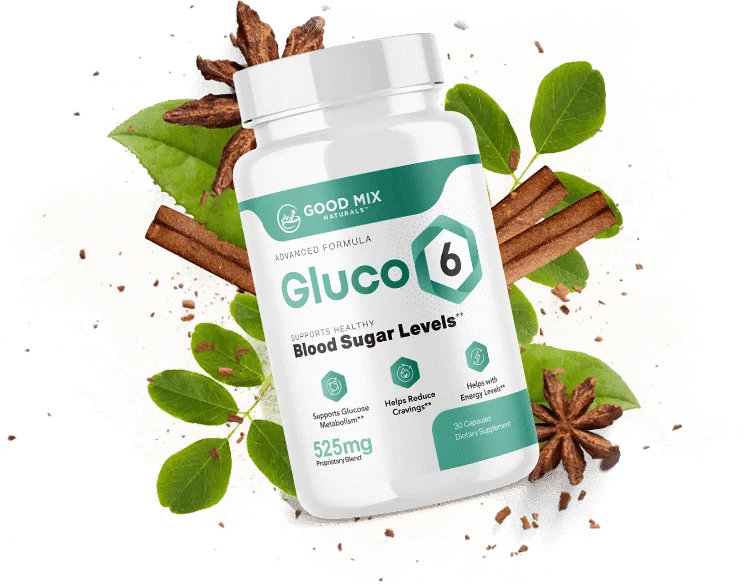
Amidst this, one might come across an online advertisement for a capsule that claims to stabilise energy levels, reduce cravings, and help shed excess body fat. The product is even marketed as being rich in “healthy carbohydrates.” Given the exhaustion of a long day and the lack of time for oneself, such promises can naturally seem quite appealing. However, advertising claims are not the same as scientifically proven benefits; therefore, before making any decisions about such a product, it is essential to examine its ingredients and the evidence supporting its efficacy.
Gluco6 is one such sugar-rich product, with advertisements and reviews for it now appearing everywhere. However, in most advertisements, you will find the same content being repeated—taken from one site and used on another. In today’s article, we will examine every aspect of this supplement with complete honesty. We will cover details such as what the official website states, the refund policy, the level of support you can expect from the seller, what steps you should take as a buyer, and the feedback from experienced users who have been using this product for a long time.
Furthermore, our article will cover aspects often overlooked in most reviews—specifically, whether this product is a suitable choice for pregnant women, those trying to conceive, or individuals who are currently breastfeeding.
The Quick Answer
If you only have two minutes, here is the short version.
Gluco6 is an oral capsule, taken once daily, which is marketed for the purposes of regulating blood sugar levels and boosting energy. Most of the ingredients used to create this supplement are backed by reliable research, and the findings from such research are also available. This supplement contains several natural ingredients, most notably L-arabinose (sold under the name “Sukre”), chromium, Gymnema, and cinnamon. However, no clinical trials have been conducted on this supplement so far. However, the names, identities, or quantities of most of the ingredients used in this supplement are concealed under the label “proprietary blend,” and the official website makes bold claims that are not yet supported by any evidence.
However, in certain critical situations—such as during pregnancy—you must consult a doctor before taking the supplement. However, this can never be a substitute for medical treatment for diabetes; consulting a qualified specialist doctor is the best course of action in this regard.
| Quick Facts | Details |
| What it is | Dietary supplement in capsule form |
| Main claim | Supports healthy blood sugar, energy and weight loss |
| Headline ingredient | Sukre (L-arabinose) |
| How to take it | 1 capsule in the morning before breakfast |
| Supply | 30 capsules per bottle |
| Price | $39 to $69 per bottle |
| Guarantee | 60 days, with conditions |
| Best for | Healthy adults curious about supplement support |
| Not for | Pregnancy, breastfeeding, children, or replacing medication |
What Is Gluco6, in Simple Terms?
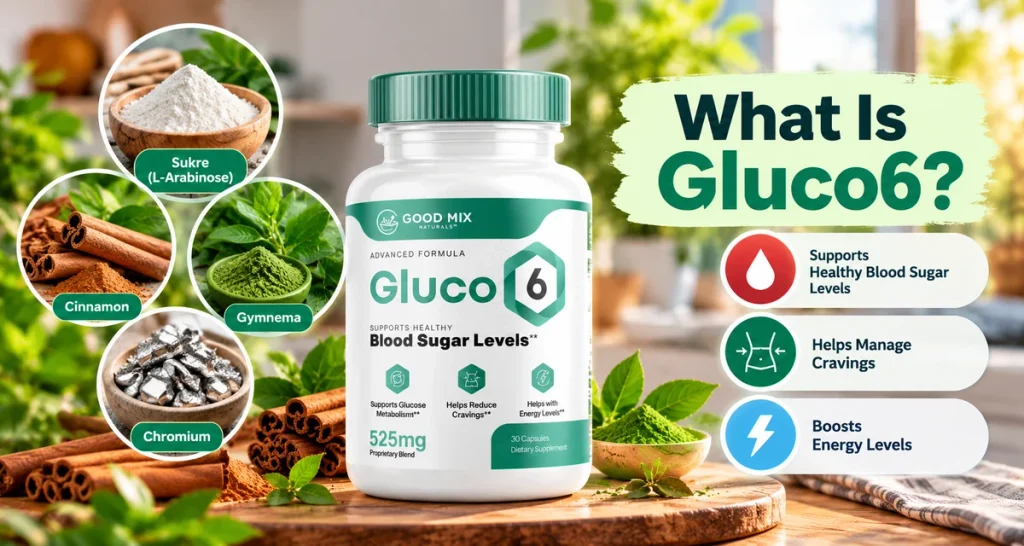
Gluco6 is sold online through its official website, with ClickBank, a large online store, handling payments. The seller describes it as plant-based, non-GMO and vegetarian, made in the USA in an FDA-registered facility that follows good manufacturing practices.
That last phrase can be confusing, so here is what it means. “FDA-registered” means the factory is listed with the FDA. It does not mean the FDA has tested or approved Gluco6. In the United States, supplements can be sold without proving they work, and the Gluco6 website carries the usual note that its claims have not been evaluated by the FDA.
What Does Gluco6 Promise?
The sales page for Gluco6 claims that people consume approximately 17 teaspoons of hidden sugar daily—even from supposedly healthy foods like yoghurt, granola, and fruit juice. According to the company, this sugar impairs the function of GLUT-4 proteins—the “gateways” to cells—causing the body to store sugar as fat. The product asserts that its key ingredient, Sukre, restores this process, helping to stabilise energy levels, curb food cravings, facilitate weight loss of up to 29 pounds, and lower A1C levels.
However, how much scientific evidence supports these claims?
While GLUT-4 is indeed a protein that facilitates the transport of glucose from the bloodstream into cells, and excessive sugar consumption is a legitimate health concern, the concept of “impaired gateways” is not a recognised medical or scientific term. Furthermore, there is no reliable evidence from human studies to suggest that Sukre or Gluco6 restores GLUT-4 function. Although the website references research from Harvard, it fails to cite any specific study to substantiate these claims. Therefore, one should exercise caution before accepting these promises as proven benefits.
CHECK THE CURRENT GLUCO6 PRICE
What’s Actually Inside a Gluco6 Capsule?
The official website shows the Supplement Facts label as an image, which we could not read directly. Independent reviewers who transcribed it report these amounts per capsule:
| Ingredient | Amount (as reported) |
| Vitamin D3 | 50 mcg (2,000 IU) |
| Vitamin B1 (thiamine) | 100 mg |
| Chromium | 1 mg (1,000 mcg) |
| Proprietary blend | 525 mg |
The 525 mg blend reportedly contains Sukre (L-arabinose), theobromine, green tea extract, eleuthero root, theacrine (TeaCrine®), cinnamon bark and gymnema leaf. Always check the label on your own bottle, because that is the final word.
A “proprietary blend” means you see the total weight but not how much of each herb is inside. For a busy parent comparing products, that makes it impossible to know whether you are getting a meaningful amount of any single ingredient.
Sukre (L-Arabinose): The Star Ingredient

L-arabinose is a natural sugar found in plant fibers like corn and sugar beets. Most of it passes through the body without being used for energy. Its main known effect happens in your gut: it blocks the enzyme that breaks down table sugar, so when you eat it with something sugary, less sugar gets absorbed and the blood sugar rise is gentler.
The research Gluco6 cites supports this. In a small Japanese study, adding 2 grams of L-arabinose to sugar lowered the rise in blood sugar and insulin in healthy adults. The study that measured GLUT-4 was done in rats.
The catch: L-arabinose works when taken with sugary food, usually at gram-level doses. Gluco6 gives an unknown share of a 525 mg blend before breakfast, so it would not touch the cookie you sneak at 3 p.m.
Chromium
Chromium is a mineral that helps insulin do its job. The NIH describes the research as mixed: some reviews found small drops in blood sugar in people with diabetes, while others found no benefit for healthy people. The American Diabetes Association does not recommend it for blood sugar control.
The amount in Gluco6 is high. Most adults need only 20 to 35 mcg a day, so 1,000 mcg is around 30 to 50 times that. No formal upper limit has been established for it; however, according to warnings from the NIH, several limitations have been noted—specifically, it may prove quite harmful to individuals with kidney or liver-related issues. However, if you are already taking a multivitamin containing chromium during pregnancy, this will be in addition to those amounts.
Gymnema

Gymnema is an Ayurvedic herb whose name means “sugar destroyer.” Small, mixed studies suggest it may help some blood sugar measures, and the NIH’s LiverTox database lists it as a possible rare cause of liver injury.
Cinnamon

The National Center for Complementary and Integrative Health (NCCIH) says it is unclear whether cinnamon supplements help blood sugar or weight. The sales page promotes Ceylon cinnamon, but one label transcription lists cassia, which contains more coumarin, a liver concern for some people. NCCIH also notes larger amounts of Ceylon cinnamon are considered unsafe in pregnancy.
TeaCrine, Theobromine and Green Tea


TeaCrine is a caffeine-like compound; an eight-week study found it well tolerated but with no effect on blood sugar. Theobromine is the mild stimulant in chocolate, and green tea extract has been linked to rare liver problems in capsule form. Despite the “No Stimulants” label claim, all three are stimulant-like, worth knowing if you already live on coffee.
The Extras
Vitamin D3 at 50 mcg is half the adult upper limit, so check your total if you also take a prenatal or vitamin D supplement. Thiamine at 100 mg is well above daily needs but has no known upper limit. Eleuthero is a traditional fatigue herb with little blood sugar research.
Does Gluco6 Work? An Honest Look at the Evidence
Here is how the promises line up against the research.
Possible, but not proven for Gluco6:
- A smaller blood sugar spike after a sugary breakfast, if the L-arabinose dose is high enough
- Modest effects from chromium, gymnema and cinnamon, based on mixed studies
- A mild energy boost from TeaCrine and green tea
Not supported by the evidence we found:
- Losing up to 29 pounds of “trapped fat”
- Lowering A1C by up to 2.8 points in 90 days
- Eating whatever you like without your blood sugar changing
We found no clinical trial on the finished formula. The dramatic results on the sales page are testimonials, which the site’s own fine print says are not typical guarantees. Supplements are not allowed to claim they lower A1C or reverse diabetes, and the FDA has warned about products sold as “natural diabetes cures.”
Important for Moms: Pregnancy, Breastfeeding and Kids
This is the part we most want MomVity readers to take away.
During pregnancy: Blood sugar during pregnancy is a medical matter, not a supplement project. Gestational diabetes needs proper testing and care from your doctor or midwife. Gluco6 contains a high chromium dose, stimulant-like compounds, concentrated herbs and cinnamon, none of which have been studied as a combination in pregnancy. The Gluco6 website itself tells pregnant women to consult a physician first. Our advice: don’t take it while pregnant unless your doctor specifically approves it.
While trying to conceive: If you are planning a pregnancy, talk with your healthcare provider before starting any new blood sugar or weight-loss supplement.
While breastfeeding: Caffeine-like compounds can pass into breast milk, and high caffeine intake may make some babies fussy or sleepless. Very little is known about the other herbs during breastfeeding. Ask your doctor or lactation consultant before using it.
For kids and teens: Gluco6 is an adult supplement. Keep bottles out of reach of children, and never give it to a child or teen.
Possible Side Effects and Drug Interactions
The seller says there have been no reported side effects, but that is a marketing statement, not a safety study. Based on the ingredients, possible side effects include:
- Gas, bloating or loose stools
- Low blood sugar if combined with diabetes medicines
- Jitters or trouble sleeping in caffeine-sensitive people
- Rare liver concerns linked to green tea extract, gymnema or cassia cinnamon
- Rare kidney or liver problems reported with high chromium intake
| If You Take | Possible Concern |
| Insulin, metformin or other diabetes medicines | Blood sugar could drop too low |
| Thyroid medicine (levothyroxine) | Chromium may reduce absorption |
| Nadolol or atorvastatin | Green tea may lower their levels |
| Prenatal or multivitamins | Extra chromium and vitamin D add up |
Speak with your doctor or pharmacist before trying Gluco6 if you have diabetes, kidney or liver disease, heart rhythm concerns, or take any regular medication. Never stop prescribed treatment in favor of a supplement.
How to Take Gluco6
The seller recommends one capsule in the morning before breakfast with water, for three to six months, and advises against combining it with other high-chromium supplements. A tip for busy households: store the bottle on a high shelf, away from children’s vitamins.
Gluco6 Price and Value for Families
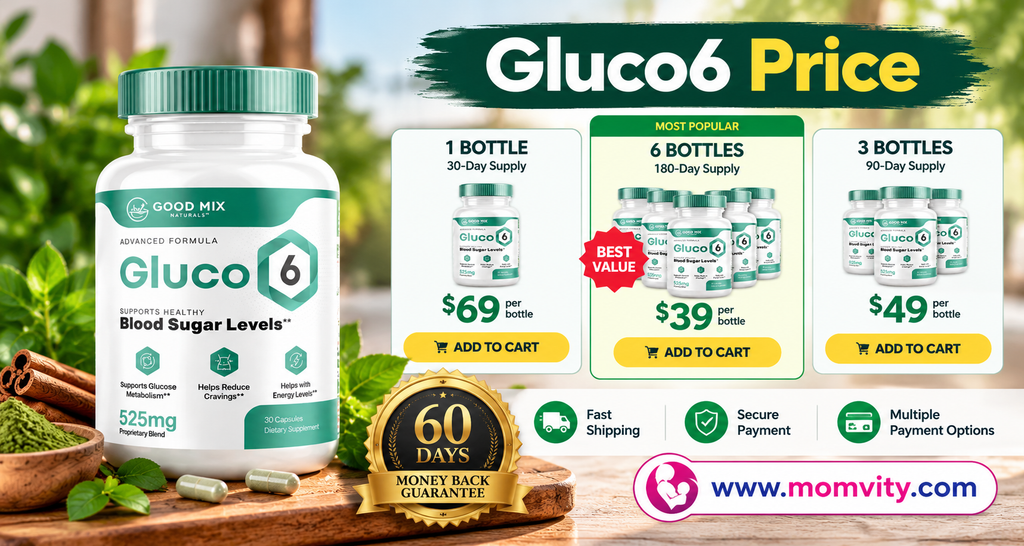
These prices appeared on the official website in October 2026. Offers can change, so check the total at checkout.
| Package | Supply | Per Bottle | Total | Per Day |
| 2 bottles | 60 days | $69 | $138 | About $2.30 |
| 3 bottles | 90 days | $49 | $147 | About $1.63 |
| 6 bottles | 180 days | $39 | $234 | About $1.30 |
All packages include free US shipping, and the larger ones add two e-book bonuses. There is no single-bottle option. The order page mentions limited supplies, but we found no evidence of real scarcity, so there is no reason to rush.
The six-bottle deal is cheapest per day but riskiest, because the 60-day refund window closes long before you finish it. Starting smaller is safer for a family budget.
Refund Policy: What You Should Know Before Ordering
Gluco6 offers a 60-day money-back guarantee, but it comes with conditions:
- You must request the refund within 60 days of purchase
- You need to send back the bottles, even empty ones, with labels on
- You pay for return shipping, and the refund excludes shipping and handling fees
- You start the process through the Gluco6 helpdesk or by calling (866) 864-7721
A busy-parent tip: set a phone reminder for day 45, keep every bottle in its box, and use tracked shipping for any return.
At the time of writing, the Better Business Bureau listed just two Gluco6 reviews, both negative: one buyer missed the refund deadline on six bottles, another said an order never arrived. Two reviews prove little, but they show why tracking matters. Buy only through the official website, since the seller says Gluco6 is not sold on Amazon or in stores.
Gluco6 Pros and Cons
What we like:
- Just one capsule a day, which is easy to fit into a hectic morning
- Includes ingredients with some real research behind them
- One-time payment with no auto-ship, according to the seller
- Free US shipping and a 60-day guarantee
What gives us pause:
- Most ingredient amounts are hidden in a proprietary blend
- No clinical trial on the actual product
- Weight-loss and A1C claims are not backed by the evidence
- Contains stimulant-like ingredients despite the “no stimulants” claim
- Very high chromium dose
- Not suitable for pregnancy or breastfeeding without medical advice
- The refund window is shorter than the recommended trial period
Everyday Habits That Help Steady Blood Sugar
Many blood-sugar-friendly habits are free and family-friendly. Ask your doctor for a fasting glucose or A1C test so you know where you stand. Pair carbs with protein and fiber, like apple slices with peanut butter. Cutting sugary drinks and snacks is the most direct way to reduce the sugar Sukre is meant to block. A 10-minute walk after dinner, stroller included, helps muscles use glucose, and protecting sleep when you can makes a real difference to cravings.
Final Verdict: Should Busy Moms Try Gluco6?
Gluco6 contains real, studied ingredients, but the gap between its marketing and the science is wide: no product trial, a GLUT-4 story based on rats, hidden doses, and weight-loss and A1C promises the research does not support.
If you are a healthy adult who understands these limits, is not pregnant or breastfeeding, and wants to give it a cautious try, start with a smaller package and keep your expectations realistic. If you are pregnant, breastfeeding, have diabetes or take regular medication, talk with your doctor first. For most busy parents, simple changes to meals, movement and sleep will offer more reliable results than any supplement.
Frequently Asked Questions
What is Gluco6 used for?
Gluco6 is a dietary supplement marketed for healthy blood sugar, energy and weight management. It is not a treatment for diabetes or any other condition.
Can I take Gluco6 while pregnant?
We do not recommend it unless your doctor specifically approves it. The formula contains a high chromium dose, stimulant-like compounds and herbs that have not been studied together in pregnancy.
Is Gluco6 safe while breastfeeding?
Its caffeine-like ingredients may pass into breast milk, and little is known about the other herbs during breastfeeding. Ask your doctor or lactation consultant first.
Does Gluco6 help with weight loss?
We found no clinical evidence that Gluco6 causes the weight loss shown on its sales page. Some ingredients may have small effects, but results are not guaranteed.
Does Gluco6 have caffeine?
The seller says it has no stimulants, but the label reportedly includes theacrine, theobromine and green tea extract, which are stimulant-like compounds.
How much does Gluco6 cost?
In October 2026, the official website listed two bottles for $138, three for $147 and six for $234, with free US shipping.
Is Gluco6 FDA-approved?
No. The FDA does not approve dietary supplements. A factory being FDA-registered does not mean the product itself has been approved.
Can kids take Gluco6?
No. Gluco6 is made for adults. Keep it out of children’s reach and never give it to a child or teen.