​Pregnancy labour and birth: A Complete Guide for New Mothers

Nusrat Ayaan

Published: 26/02/2026
Updated: 26/02/2026

​Pregnancy labour and birth is a natural process where a mother’s body prepares to bring a new life into this world.

The last period of pregnancy is both joyful and a little scary for every mother. Especially those who are going to become mothers for the first time, they have thousands of questions in their minds about what exactly can happen during childbirth. 

Modern medical science has advanced a lot now, so there is nothing to fear. If you notice the small changes in your body, you will understand yourself that it is time for your precious baby to come into the world. It is very important to keep your mind strong and eat nutritious food during this entire period.

​Do you know what the real signs of labor are?

When labor pains start in the body, they start pulling from the waist and move to the front of the abdomen. Many people mistake it for a simple stomach ache, but this pain comes at regular intervals.

Although this pain is mild at the beginning of pregnancy labor and birth, it increases over time. If you feel that the baby’s movements have decreased a little or the water has broken, you should seek advice from an experienced person without delay. In the countryside, many times, midwives can tell the baby’s position by looking at the belly.

Water breaking

​When your water starts to break, you will know that the time is very close. For many, it happens suddenly, while for some, it falls in drops.

​Cervical dilation

​Doctors check to see how wide the cervix has become. Usually, it is the right time to have a baby only when it opens up to 10 centimeters.

​Regular contractions

​The main signs of labor are tightening of the abdominal muscles and pain after a while. It is very important to take long breaths at this time.

​Do you know what are the easy ways to reduce labor pain?

​Many people think that just lying down will reduce the pain, but in fact, walking lightly or changing positions can provide relief.

At this stage of pregnancy, labor and birth, applying a light warm compress to the waist relaxes the muscles. You need to keep your mind calm because the more afraid you are, the stiffer your body will become, which can increase the time of labor. The experience of the elders in the house is very useful at this time. The way they give courage often works more than the hospital equipment.

​Correct position

​If you sit with a straight back or walk instead of lying down, it is easier for the baby to descend.

​Hot water compress

​Applying a light warm cloth below the waist reduces the intensity of the pain a lot.

​Mental courage

​If you remember the joy of being a mother, your ability to endure pain increases several times. The main thing is to believe in yourself.

​Why is it important to have an experienced person by your side during childbirth?

​In the past, people in rural Bengal gave birth at home, but now everyone goes to the clinic to avoid risks. But no matter where you are, you need someone by your side who will give you courage.

Pregnancy, labor and birth is a time when the mother’s body needs a lot of energy. Drinking water or fruit juice regularly does not weaken the mother’s body. If you treat the doctor or nurses well, they will also be encouraged to help you.

​Trust

​Having someone by your side gives you strength. Especially if your mother or mother-in-law is by your side, it increases your courage a lot.

​Service

​Pressing your hands and feet or putting a little water in your mouth during pain is very beneficial for the mother.

​The right decision

​Only experienced people can make the decision about when to take the mother to the hospital or when to have an operation in an emergency.

​How are the moments just before the birth of a baby actually spent?

​When the last stage of labor comes, the mother feels that there is a lot of pressure below. This is the time when patience is tested the most.

At this critical moment of pregnancy labor and birth, the heartbeat of both the mother and the baby is checked. When the baby’s head is gradually visible, the nurses ask the mother to push hard. In simple village language, this is called “kot deva”.

If you can hold your breath properly at this time, the baby will come out very quickly.

Explore more here:  labor pain and giving birth

What special care should a new mother take right after delivery?

​After giving birth, the mother’s body becomes very weak as if a big storm has passed over her body. This time is called “Suntika Kal” or the postpartum period by the villagers.

The first few hours after the end of pregnancy, labor and birth, one has to be very careful because there is a fear of bleeding. It is very important to wipe the mother’s body with lukewarm water and wear dry, clean clothes. The more rest the mother gets during this time, the faster her body will return to its previous state. Especially if a warm compress is applied to the waist or abdomen, uterine contractions start to return to normal.

Rest

​Getting enough sleep and rest throughout the day will help relieve the mother’s fatigue. Heavy work is strictly prohibited for at least a few weeks.

​Cleanliness

​There is a high risk of infection after delivery. Therefore, it is important to always use clean clothes and wash your hands.

​Nutritious food

​Eating milk, eggs, and lots of vegetables will help restore energy to the mother’s body. It is very important to drink plenty of fluids.

​Do you know why the first breast milk after the birth of a child is like nectar?
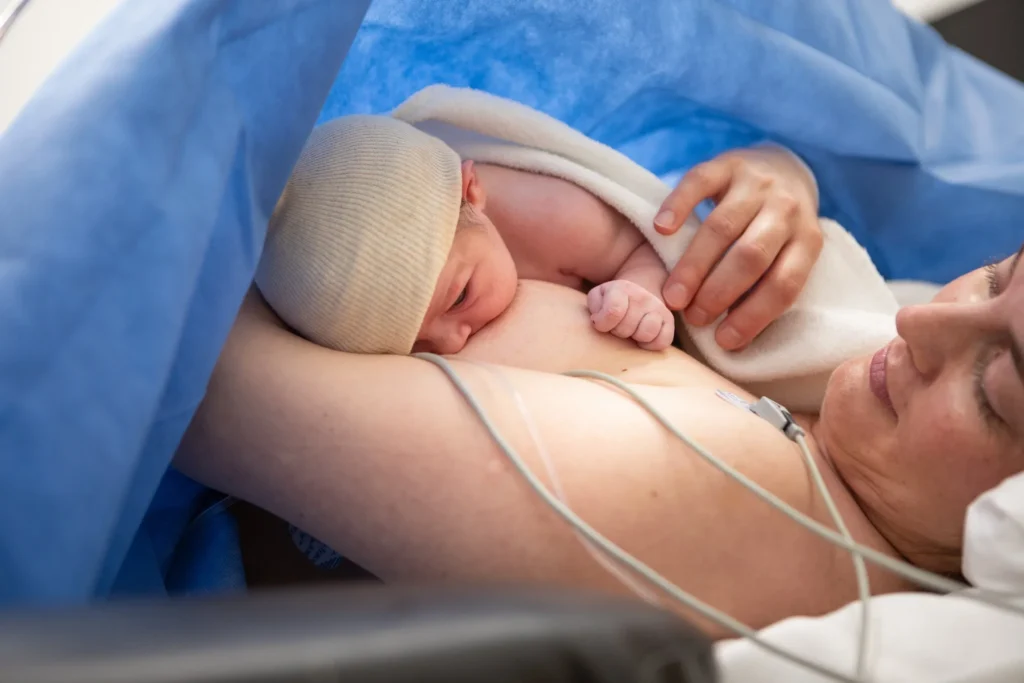
​The thick yellow milk that comes immediately after the birth of a child is called shaldudh. Many old people in the village think that it is not good, but in fact it is the first vaccine of the child’s life.

After overcoming the stress of pregnancy, labor and birth, breastfeeding the child quickly causes the uterus to contract quickly. This also reduces the mother’s blood loss. The emotional bond between the mother and the child deepens through this breastfeeding. Holding the child in her arms repeatedly and breastfeeding greatly increases the child’s immunity.

​Colostrum

​This first milk protects the baby from all kinds of diseases. It also helps in cleaning the first dirt in the baby’s stomach.

​Proper rule

​The baby should be fed in a way that the mother is comfortable with, whether lying down or sitting. It is better to keep the baby’s head a little elevated.

​Calcium in the mother’s diet

​The baby’s bones become strong if the mother eats enough calcium-rich foods. Milk and small fish are very beneficial at this time.

What are the things to keep in mind to take care of the navel and skin of a newborn?

​After the little goldmine comes into the world, its skin is very soft and sensitive. Especially, the elders of the house have a lot of worries about drying the navel.

After pregnancy, labor and birth, dirty hands should not be placed on the navel. The navel should be kept dry and it is not right to apply any ointment or oil. Today’s doctors say that the navel dries up naturally. If you gently wipe the baby with lukewarm water every day, his body will feel comfortable. In rural Bengal, there is a practice of applying mustard oil, but it is better to make sure that it is completely pure.

​Drying the navel

​Keeping the navel open and dry will help it dry faster. If it gets wet, gently wipe it with a soft cloth.

​Skin softness

​Do not use harsh perfumes or soaps on the baby’s skin. Using soft cotton clothes will prevent the baby from getting a rash.

​Exposing the baby to the sun

​There is no risk of jaundice if the baby is exposed to the mild morning sun. However, it is not advisable to keep the baby in the sun for a long time.

​Why is it important to pay attention to the mental health of the mother after childbirth?

​Many times, it is seen that after giving birth, the mother becomes very irritable or cries for no reason. Although many people consider this to be a bad mood, it is actually a hormonal change.

After pregnancy, labor and birth, a kind of emptiness or sadness may form in the mother’s mind, which is called baby blues. At this time, everyone in the house should be happy with the mother and give her time. If the mother is happy, it will also have an effect on the child. A little walk in an open area in the village environment will make the mother feel good.

​Empathy

​The mother’s small problems should be listened to with importance. She should be reassured repeatedly that everything will be fine.

​Sharing of work

​If other members of the house help in taking care of the child, the mother gets enough sleep. This keeps the mood calm.

​Nutrition and mind

​Eating good food keeps the body and mind healthy. Mom’s favorite foods can be cooked occasionally.

​How to recognize the danger signs after childbirth?

​Even though everything seems normal after becoming a mother, there are some things that should not be ignored. If the mother has a high fever or a severe headache, she should go to the doctor immediately. Excessive bleeding or severe abdominal pain after pregnancy, labor and birth can be signs of danger. 

Sometimes there is swelling in the feet or difficulty breathing. Neglecting these small things can cause major damage. Villagers should take these symptoms to the hospital as soon as they see them, instead of going to a random doctor.

Do you know how important nutritious food is for the health of the mother and baby after delivery?

​After giving birth, the mother’s body is waiting for refueling or replenishing its energy.

Many people in the village environment think that it is not right to eat too much after becoming a mother, which is a completely wrong idea. Calorie-rich food is very necessary to overcome the stress of pregnancy, labor and birth. If the mother does not eat enough vegetables and local fish during this time, the quality of her milk may decrease. Especially eating cooked gourd or papaya helps in increasing breast milk. There should be no skimping on water intake because if the body is hydrated, fatigue is less.

​Calcium-rich foods

​Milk and small fish prevent bone loss. If the mother is strong, the child will also be healthy.

​Abundant iron

​Eating bananas or raw vegetables helps to eliminate anemia. It is important to replenish the blood that is lost during childbirth.

​Protein sources

​Eggs and pulses should be included in the daily diet. This helps the body’s wounds to heal very quickly.

Why is a clean home environment most important after childbirth?

​Keeping the house clean after the birth of a child is not just a hobby but a question of saving lives.

After pregnancy, labor and birth, the immunity of the mother and the child is very low. In many village houses, the mother and the child are kept in damp rooms, which is not right at all. 

Arrangements should be made to ensure that adequate light and air enter the house. The child should be kept away from dust or smoke because it can cause breathing problems. It should be strictly forbidden to let a stranger touch the child without washing his hands.

​Light and air

​Keeping the windows open will allow fresh air into the house. This will keep the mother and the child fresh.

​Clean bed sheets

​The sheets and clothes used by the mother should be washed and dried in the sun every day. Sunlight destroys germs.

​Visitor control

​Do not allow anyone who is sick to come near the child. It is better to be strict for the safety of the child.

​Why should newborn vaccinations and regular checkups never be missed?

​Many people forget about vaccinations in the joy of having a baby. But we must remember that these vaccinations save the baby from disability or premature death. After pregnancy, labor and birth, a vaccination card is given from the hospital, which should be kept carefully. If the polio or BCG vaccination is given on time, the child’s body gets the strength to fight against diseases. 

In addition, 

it is necessary to see an experienced doctor from time to time to understand whether the child is gaining weight or whether his crying is normal.

​Vaccination on time

Vaccination is given free of charge by the government. This is the biggest protection for the child’s life.

​Weight check

The child’s weight should be measured once a month. Weight gain means that the child is getting proper nutrition.

​Abnormal crying

If the child cries continuously, it means that he is in pain somewhere. Take action without delay.

​Some easy ways to maintain personal hygiene after becoming a mother

It is true that you do not get time to take care of your body after becoming a mother. However, if you think about your health, you should take a bath in hot water at least once a day.

If the discharge from the body after pregnancy, labor and birth is not kept clean, it can cause infection in the uterus. If you always wear cotton and loose clothes, the body will need air and will not get scratched or itchy. It is very important to keep your nails short because long nails contain germs that can spread to the baby’s body.

​Keeping nails short

​Do not scratch the baby while breastfeeding or holding it in your lap. This is the best way to prevent bacterial infection.

​Cotton clothing

​Cotton clothes absorb sweat and are comfortable. This gives relief to both the mother and the baby.

​Adequate hand washing

​Wash your hands with soap before changing the baby’s diaper or feeding him. Clean hands mean healthy children.

​Conclusion

​Giving birth to a child is a heavenly feeling that is difficult to express in words. There is no substitute for patience and courage in this entire process of Pregnancy, labor and birth. It would not be wrong to say that when a woman becomes a mother, she is reborn. Therefore, at this time, every member of the family should give the mother a break from cooking or other heavy work. Keeping her happy and ensuring adequate nutritious food is not only the responsibility of a family but also the first step in building a healthy future generation.

Remember that a healthy mother means a healthy and beautiful child. We should all try to make this journey of motherhood more joyful than painful. It is possible to avoid any risk by taking advantage of modern medical science and listening to the advice of experts. May this inseparable bond between mother and child remain unbroken forever and may every home be filled with the laughter of a new life.

​FAQ

​How do I know if labor pain has started?

If the pain occurs at regular intervals and increases in intensity over time, it is real labor pain.

​What to do if your water breaks?

You should contact the nearest hospital or clinic without delay because this is an emergency symptom.

​How long do you need to rest after a cesarean section?

You should absolutely avoid doing any heavy work for at least 6 to 8 weeks and get adequate rest.

​Is colostrum harmful to the baby?

No, colostrum is the baby’s first natural vaccine that increases immunity many times over.

​How long after delivery should the baby be breastfed?

It is best and healthiest to start breastfeeding within an hour of the baby’s birth.

​ How many checkups are needed during pregnancy?

It is very important to get checked by a skilled health worker or doctor at least 4 times during the entire pregnancy.

​How to reduce back pain after childbirth?

Applying warm compresses and always practicing sitting upright can reduce back pain.

​Can oil be applied to the baby’s navel?

It is not advisable to apply any oil or powder to the base of the navel because it carries a risk of infection.

​Can the mother eat all types of food?

Yes, the mother can eat all types of nutritious food, but it is better to avoid excessively spicy or fried foods.

​What should be done if the baby has jaundice?

Expose the baby to the morning sunlight and see a doctor if the condition seems serious.

Related Articles

first trimester diet

First Trimester Diet What to Eat, What to Avoid, and How to Cope With Nausea

Since learning you are pregnant, have you suddenly found yourself rethinking everything you eat? Foods you once loved might now trigger nausea at the mere smell. At times, you may feel the urge to eat a large meal, while at other times, the thought of eating anything at all feels unappealing. Many expectant mothers go through this.

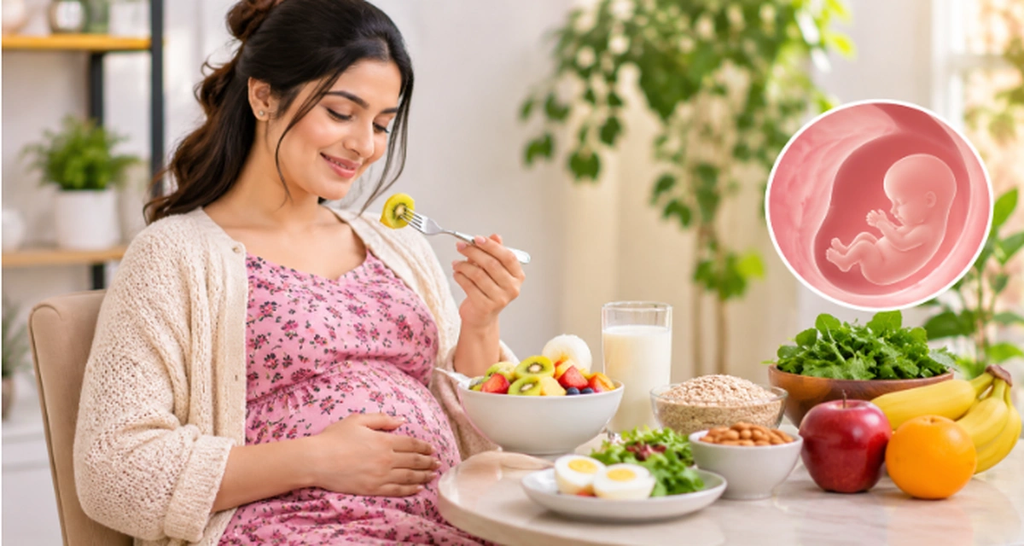
However, it is important to remember one thing: during the first trimester, you do not need to eat double the amount of food—as if you were eating for two. Instead, the focus should be on ensuring your body gets the necessary nutrients, choosing safe food options, and trying to eat regularly, even when you are feeling nauseous. A well-planned first trimester diet helps maintain your own well-being while providing the essential nutrients required for your baby’s early development.

So, what exactly should you eat during this period?

Which foods should you avoid? And what can you do when nausea makes it difficult to eat anything at all? Let’s explore these questions step by step.

First Trimester Diet at a Glance

Let’s first take a look at which nutrients should be prioritized in your daily diet. For a proper first trimester diet plan, the following quantities generally apply to pregnant women aged 19–50. However, nutritional requirements may vary based on individual health, age, and medical conditions.

NutrientDaily RequirementWhy It Matters
Folic Acid400 mcg from supplementNeural tube development
Folate600 mcg DFECell growth and development
Iron27 mgRed blood cell production
Calcium1,000 mgBaby’s bones and teeth
Iodine220 mcgBrain and thyroid development
Choline450 mgBrain and nervous system development
Vitamin D600 IUBone development
WaterAbout 8–12 cupsHydration and normal body functions

These are provided to help you understand your daily nutritional targets. It is not required that every nutrient be obtained solely from food; prenatal vitamins or other necessary supplements—taken as advised by a doctor—can also be helpful.

Do You Need to Eat More in the First Trimester?

Many people increase their food intake as soon as they learn they are pregnant, based on the common belief that they now need to “eat for two.” But is extra food really necessary during the first three months?

Generally, no. According to guidelines from the Academy of Nutrition and Dietetics, there is typically no need for additional calorie intake during the first trimester. In the second trimester, an extra 340 calories per day may be required, and in the third trimester, this increases to approximately 450 extra calories.

This is because the baby is very small during the early stages of pregnancy. At this time, the nutritional quality of your food is more important than the quantity. Therefore, rather than simply trying to eat more, focus on including protein, fruits, vegetables, grains, and essential nutrients in your daily diet.

What About Weight Gain?

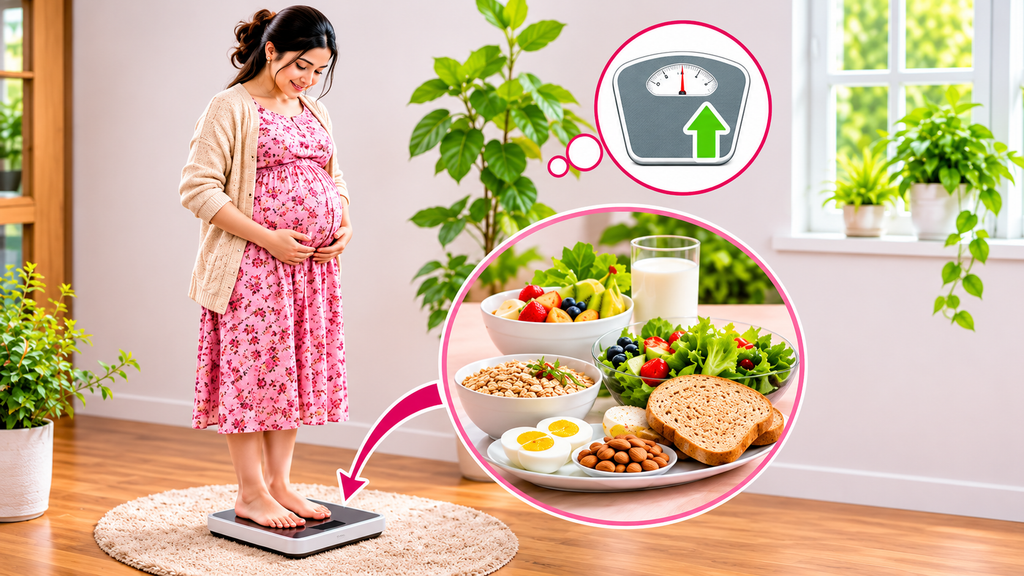
During the first three months, weight typically does not increase significantly. Some may experience a slight gain, while others might even lose a little weight due to morning sickness. Therefore, when following a First Trimester Diet, there is no need to judge the quality of your food intake solely based on changes in your weight.

The appropriate amount of weight gain throughout the entire pregnancy depends on your pre-pregnancy BMI.

Pre-Pregnancy BMIRecommended Total Weight Gain
Underweight (Below 18.5)28–40 lb
Normal Weight (18.5–24.9)25–35 lb
Overweight (25.0–29.9)15–25 lb
Obesity (30 or Above)11–20 lb

These are general guidelines, not individual targets. Recommendations for weight gain may differ in cases of twin pregnancies, pre-existing health conditions, or other complications. Therefore, do not attempt to control your weight by reducing your food intake on your own; instead, consult with your doctor.

Essential Nutrients for Your First Trimester Diet

During the early stages of pregnancy, many significant changes occur in the baby’s body. The initial development of the brain, spinal cord, heart, and other organs begins. Certain nutrients play a particularly important role during this period.

Folic Acid Is a Priority

Why is folic acid so important for the early development of a baby’s brain and nervous system?

It is a form of vitamin B9 that supports the proper development of the baby’s neural tube. Therefore, it is essential to prioritize folic acid as part of a healthy First Trimester Diet.

The CDC recommends that women who could become pregnant take 400 micrograms of folic acid daily. Ideally, this should be started at least one month before conception. While natural folate can be found in leafy greens, lentils, and legumes, you may need a prenatal vitamin containing folic acid—as advised by your doctor—to ensure your requirements are fully met.

Remember, consuming more does not provide additional benefits. Do not take multiple supplements simultaneously without a doctor’s guidance.

Iron and Vitamin C Work Together

Will consuming only iron-rich foods provide the body with enough iron?

Not always. During pregnancy, the body needs to produce extra blood to deliver oxygen to the baby, and iron plays a crucial role in this process. Consequently, the daily iron requirement during pregnancy increases to 27 milligrams.

A healthy first trimester diet can include meat, lentils, chickpeas, spinach, and iron-fortified foods. However, vitamin C is also essential to enhance iron absorption. For instance, you could add lemon juice to lentils, include tomatoes with chickpeas, or eat an orange alongside your cereal. Such simple adjustments help improve the absorption of iron from your food.

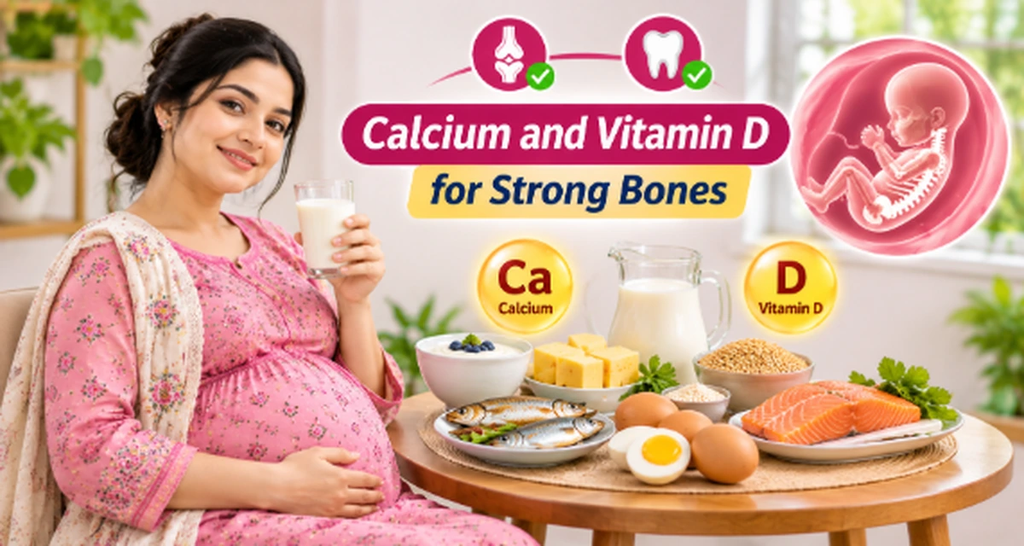
Calcium and Vitamin D for Strong Bones

Calcium is essential for the development of a baby’s bones and teeth. It is also important for maintaining the health of your own bones. Pregnant women aged 19–50 require approximately 1,000 milligrams of calcium daily.

Good sources of calcium include milk, yogurt, cheese, small fish (eaten with their bones), sesame seeds, and calcium-fortified foods. Those who cannot consume milk should consult a doctor to explore alternative food options.

Additionally, vitamin D helps the body absorb calcium. It can be obtained from egg yolks, fatty fish, and vitamin D-fortified milk. Pregnant women (adults) require approximately 600 IU of vitamin D per day.

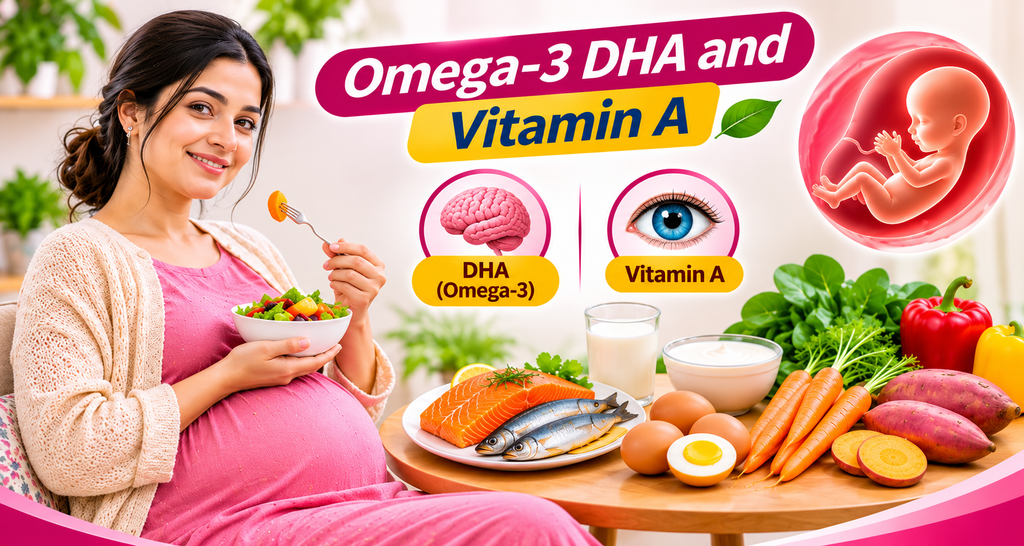
Omega-3 DHA and Vitamin A

DHA is a type of Omega-3 fatty acid that plays a role in the development of a child’s brain and eyes. Fish with low mercury content, such as salmon and sardines, are good sources of DHA. It is also added to some types of eggs and milk.

However, some caution is advised regarding Vitamin A. While Vitamin A is essential for normal physical growth and eye health, an excess of “preformed” Vitamin A can be harmful. It is found in particularly high amounts in liver and certain supplements.

The body can produce Vitamin A as needed from beta-carotene, which is found in carrots, sweet potatoes, and colorful vegetables. Therefore, ensure a varied diet and avoid taking extra Vitamin A supplements without consulting a doctor.

Best Foods to Eat in the First Trimester

It is not necessary to eat the same type of food every day during the first three months. Instead, it is better to choose foods from various food groups, as this provides an opportunity to obtain a wider range of nutrients.

It is entirely possible to create a healthy first trimester diet using familiar, locally available foods in Bangladesh.

Food GroupRecommended Food Choices
VegetablesSpinach, carrots, sweet potatoes, pumpkin
FruitsGuava, orange, banana, apple
ProteinEggs, fish, chicken, lentils, chickpeas
DairyMilk, yogurt, pasteurized cheese
Whole GrainsRed rice, oats, whole-wheat flatbread (roti)
Healthy FatsNuts, seeds, and low-mercury fish

Protein-Rich Foods

Protein is important for the development of a child’s cells and tissues. Essential protein can be obtained from eggs, fish, chicken, milk, lentils, chickpeas, and soybeans.

If the smell of meat causes nausea, you can try meeting your protein requirements for a while by consuming eggs, yogurt, or lentils. However, all food must be thoroughly cooked.

Fruits and Vegetables

Fruits and vegetables contain vitamins, minerals, and fiber. Guavas, oranges, and papayas are sources of vitamin C. Bananas and apples are easy to consume, and many people find them tolerable when experiencing nausea.

However, be sure to wash fruits and vegetables thoroughly before eating them. When preparing raw salads, use clean water and clean kitchen utensils.

A Simple First Trimester Meal Plan

Instead of worrying too much about what to eat every day, you can follow a simple routine. The list below is just an example; you may adjust your meals based on your appetite, personal preferences, and your doctor’s advice.

Meal TimeExample Foods
Before Getting UpPlain Crackers
BreakfastEggs, whole-wheat flatbread, and milk
Mid-MorningBanana or guava
LunchRice, fish, lentils, and vegetables
Afternoon SnackYogurt or nuts
DinnerRice or roti, chicken, and cooked vegetables
Evening SnackToast or fruit

Do you have to eat the exact same amount of food every day?

Not at all. During the First Trimester Diet, prioritize your own appetite and physical comfort. If you have a smaller appetite on any given day, you can eat smaller portions more frequently. And if a particular food doesn’t sit well with you, choose an alternative that offers similar nutritional value.

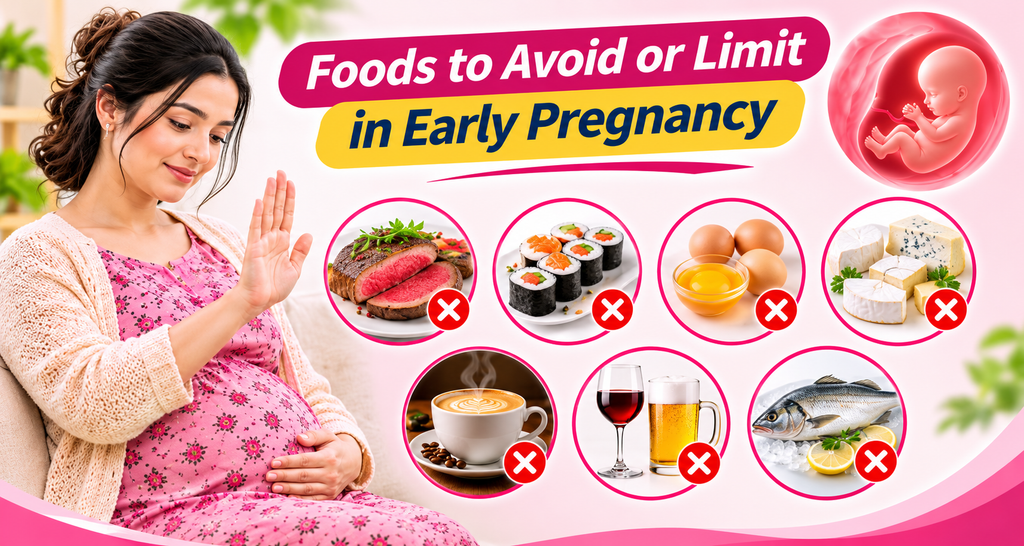
Foods to Avoid or Limit in Early Pregnancy


During pregnancy, the safety of food is just as important as its nutritional value. Some foods may contain germs or chemical substances that pose risks to both the mother and the baby.

According to the CDC, pregnant women are about 10 times more likely to contract a *Listeria* infection compared to the general healthy adult population. Therefore, it is essential to be cautious when selecting and storing food.

Food or DrinkWhat You Should Do
Raw or Undercooked MeatCook thoroughly before eating.
Raw EggsAvoid
Unpasteurized MilkChoose pasteurized milk
Unpasteurized Soft CheeseAvoid non-pasteurized cheese.
High-Mercury FishAvoid
Deli Meat and Hot DogsHeat to a temperature of 165°F or 74°C
AlcoholAvoid completely
CaffeineKeep it below 200 mg per day

Which Fish Should You Avoid?

During pregnancy, fish serves as a good source of protein and omega-3 fatty acids. However, mercury levels vary from one type of fish to another. Excessive mercury can be harmful to a baby’s developing nervous system.

According to FDA guidelines, pregnant women can consume 8–12 ounces (approximately 225–340 grams) per week of fish that are low in mercury.

Salmon, shrimp, cod, tilapia, and sardines are good choices. Conversely, fish such as king mackerel, marlin, orange roughy, shark, swordfish, Gulf of Mexico tilefish, and bigeye tuna should be avoided.

It is important to note that mercury levels differ among various types of tuna; therefore, it would be inaccurate to categorize all tuna as equally restricted.

How to Eat When Morning Sickness Hits

The most difficult thing for many mothers in the first three months is not eating, but keeping food in the stomach. Waking up in the morning may experience nausea, discomfort from the smell of cooking or not being able to eat even after seeing your favorite food.

According to ACOG, nausea during pregnancy can happen at any time of the day. It usually starts early and subsides by 14 weeks in most cases.

So what to do at such a time? First of all, remember that there is no need to panic even if the food list is not perfect for a few days. Try to eat small amounts of foods that are currently tolerated.

Choose Bland Foods

During this time, foods that are high in oil, spices, or strong odors may increase discomfort. Therefore, you might consider eating items such as rice, bread, potatoes, bananas, crackers, or plain toast.

If you can tolerate it, add a small amount of protein—for example, you could have peanut butter with toast or pasteurized cheese with crackers.

What If Prenatal Vitamins Make You Nauseous?

Sometimes, taking prenatal vitamins can increase feelings of nausea. If this happens, do not stop taking the vitamins on your own. Consult your doctor; they may suggest taking them at night, consuming them after a meal, or switching to a different type of supplement.

In some cases, your doctor might recommend vitamin B6 or other safe medications. Do not start taking any medication on your own.

Food Aversions and Cravings

Do you find that the smell of a food you once loved now makes you feel uncomfortable during pregnancy? Or perhaps you are experiencing sudden, unusual cravings for certain foods? Such food aversions and cravings can occur due to hormonal changes.

Pay attention to how your body reacts during this time. If you have trouble eating meat, try obtaining protein from sources like eggs, milk, yogurt, lentils, or chickpeas. If you don’t feel like eating vegetables, you might try consuming fruits or vegetable-based soups instead.

However, even if you develop a strong craving for a particular food, ensure that it does not replace your daily, nutritious meals. It is best to maintain variety in your diet.

When to Call Your Doctor or Midwife

Mild nausea or a loss of appetite is common during the first trimester. However, vomiting can sometimes become so severe that it leads to dehydration. This serious condition is known as Hyperemesis Gravidarum.

Contact your doctor if you experience any of the following symptoms.

SymptomWhat You Should Do
Inability to retain water for more than 8 hoursContact a doctor immediately.
Inability to retain food for more than 24 hoursConsult a doctor.
Decreased or concentrated urineThese can be signs of dehydration.
Dizziness or faintingSeek medical attention promptly.
Losing weightInform the doctor
Vomiting bloodSeek emergency medical attention
Severe abdominal pain or feverSeek medical advice promptly.

If you are unable to keep any food or liquid down, do not wait. If necessary, a doctor can provide fluids and other treatments to address dehydration.

Remember, you should not delay in seeking help. There are effective treatments for morning sickness, and safe medications can also be used if needed.

Final Thoughts

So, is it essential for every meal to be “perfect” during the first three months? Not at all. What matters is understanding your body’s needs and choosing food that is as nutritious and safe as possible.

Ensure a daily intake of folic acid, include foods rich in iron and calcium, opt for fish low in mercury, and avoid alcohol. On days when you experience nausea, try to eat small portions of whatever you can tolerate. The goal of following a “first trimester diet” is not to confine yourself to rigid, restrictive eating rules, but rather to cultivate mindful habits that support the well-being of both mother and baby.

And if there are days when you manage to eat nothing more than some rice, a banana, or a few crackers—do not blame yourself. Seek medical advice if necessary, and gradually return to your regular diet. Remember, in the journey of motherhood, the intention to care for yourself and your baby is far more important than striving for perfection.

Health Disclaimer: This article is intended for general health education purposes and is not a substitute for professional medical advice, diagnosis, or treatment. Always consult your doctor or a qualified healthcare professional before making any changes to your diet, prenatal vitamins, or supplements during pregnancy. Seek medical attention promptly if you notice any concerning symptoms.

Frequently Asked Questions About First Trimester Diet

What Should I Eat in My First Trimester?

During the first three months, you can consume fruits, vegetables, whole grains, eggs, fish, lentils, milk, and other protein-rich foods. Additionally, ensure you take prenatal vitamins containing folic acid, and focus on meeting your requirements for iron, calcium, and iodine.

Do I Need Extra Calories in the First Trimester?

Generally, no. There is no need for extra calorie intake during the first trimester. However, the body’s requirements increase during the second and third trimesters. Please discuss your individual needs with your doctor.

Is It Okay If I Can Only Eat Crackers and Toast?

Do not be alarmed if, due to nausea, you are only able to eat crackers or toast for a short period. However, if this continues for a long time, consult a doctor. Seek help promptly, especially if you are unable to retain fluids.

How Much Weight Should I Gain in the First Trimester?

Weight gain during the first three months is typically minimal. Some may experience a slight increase, while others might even lose weight due to nausea. The target for total weight gain throughout the pregnancy depends on your initial BMI and your overall health status.

Scroll to Top