
Learn which choking hazard foods for toddlers are most dangerous in Europe and how to prepare meals safely to protect your child every day.
Mothers are terrified when their little ones eat. A little carelessness can lead to danger. Thousands of children across Europe are hospitalized every year after food gets stuck in their throats.
Doctors say that the teeth of children under the age of four are not yet fully developed. They cannot chew food properly. Therefore, even many common foods can be dangerous for them. Therefore, every parent needs to know which foods are risky for their children and how to make them safe.
Why is it so dangerous for a child to get food stuck in their throat?
Many parents think that if the child coughs a little, it will be fine. But the truth is, food stuck in the throat often happens completely silently. The child does not cough or make a sound. Suddenly, the face turns blue.
Why is the body structure of a child different from that of an adult?
When adults chew food, young children cannot do so. The back teeth of children under two years of age, called molars, have not yet erupted. These teeth are used to grind and soften hard food. Therefore, hard or round food goes completely into their throat and can block the airway.
Information on child choking in Europe
According to the European Child Health Organization, one of the leading causes of death from trauma in children under four years of age is getting something stuck in the throat. Of these, food is the most common cause. That is why there are many awareness campaigns on child food safety in Europe.
Does choking always make a sound?
No, absolutely not. That’s the scariest thing. The baby may be sitting quietly, looking like he’s playing, but in reality he can’t breathe. So you shouldn’t leave your baby alone while eating.
Which foods are the most dangerous?
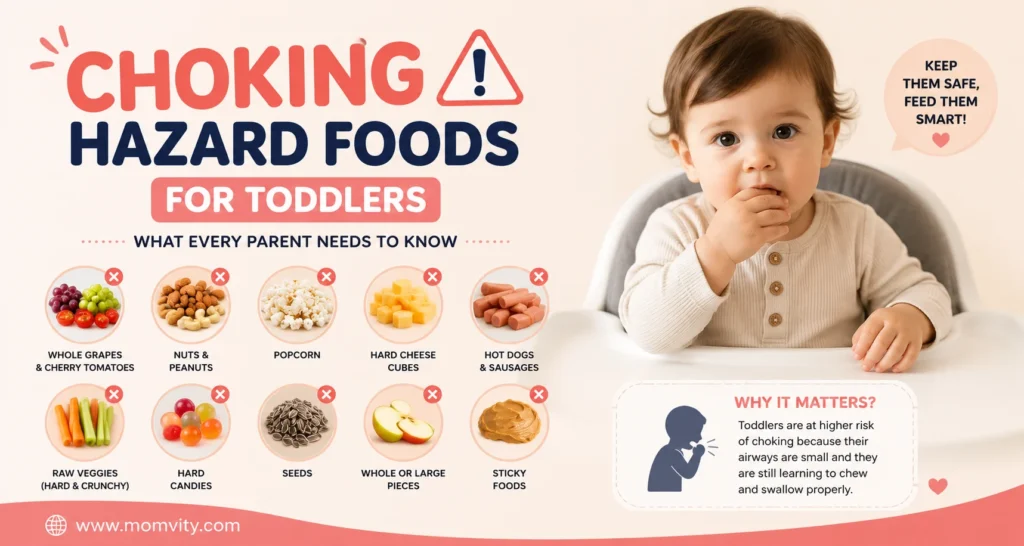
“Choking hazard foods for toddlers” does not just include one or two foods, but many common foods. Below are the most dangerous foods separately.
Hot dogs and sausages
Hot dogs are a favorite food for children in European countries. But it is the number one dangerous food for pediatricians. The round cylindrical shape is exactly the size of a child’s throat. So it can completely block the airway. If you have to give it, cut it lengthwise and then cut it into small pieces.
How to give hot dogs safely
First cut the hot dog lengthwise into two. Then cut those long pieces into small pieces again. Do not cut them into round discs, because that is the most dangerous.
Grapes and cherry tomatoes
Grapes may look small, but if you swallow them whole, they can block your throat. Cherry tomatoes are also equally dangerous. These two should always be cut into quarters. Just cutting it in half is not enough, you have to cut it into four pieces.
Nuts and seeds
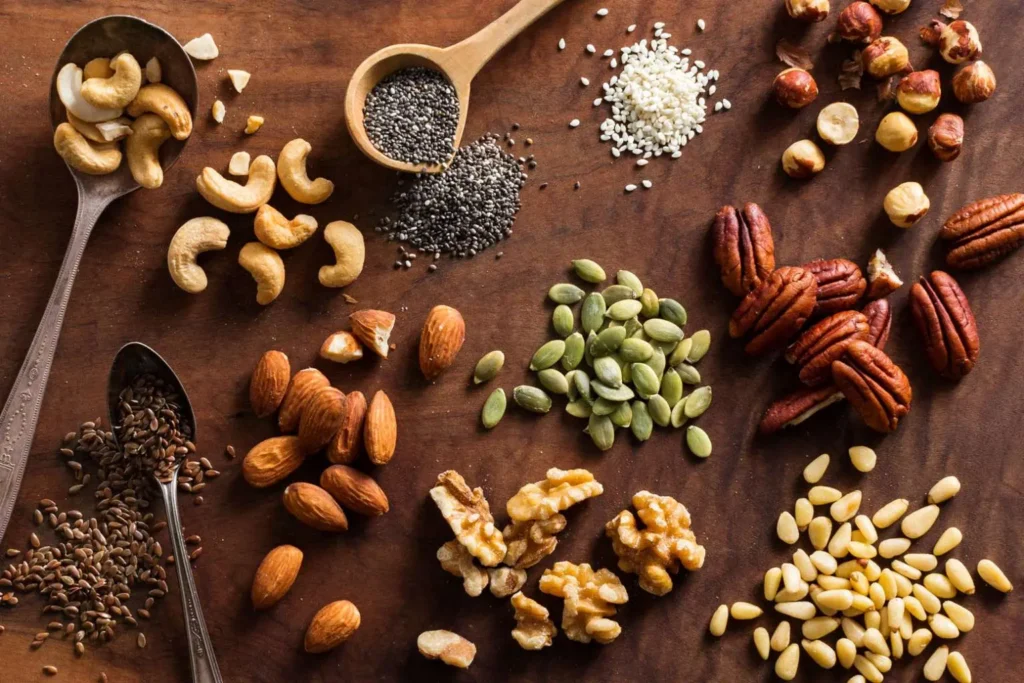
Peanuts, peanuts, cashews or any hard seeds should not be given to children under four years of age. If they are chewed, the whole piece can go down the throat. Peanut butter is also dangerous, because it can stick to the inside of the throat like glue and block breathing.
Other foods to be given with caution
Not only the above foods, there are many other common foods that fall into the list of “Choking hazard foods for toddlers”.
Raw vegetables
Carrots, cucumbers, celery — these are very hard in the raw state. When the baby chews, large pieces break off and enter the throat. These vegetables should be boiled and softened before giving them. Or they should be chopped very thinly.
Popcorn and hard candy
The skin of popcorn gets stuck in the throat. Hard candy or lollipops can block the entire throat. It is absolutely not advisable to give these two before the age of four.
What can be given as an alternative to popcorn?
If the baby wants to eat popcorn, you can give soft rice-muri or small cut fruits. These are also fun and safe to eat.
Chewing gum and toffee
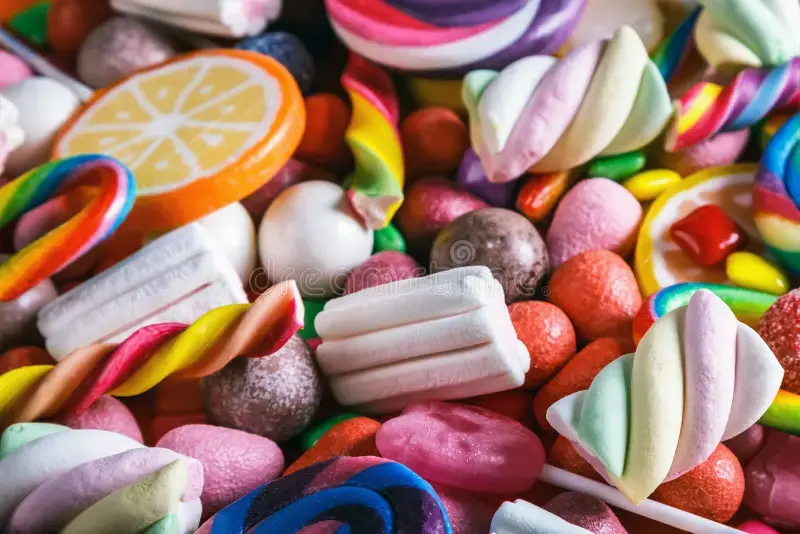
Chewing gum or toffee sticks like glue when it gets in the throat. It blocks the airway. These types of sweets should be kept away from small children.
List of dangerous and safe foods
| Dangerous food | How to make it safe |
| Hot dog / sausage | Cut lengthwise into small pieces |
| Grape/cherry tomatoes | Cut into quarters |
| Almonds/Cashew nuts | Do not give before 4 years of age |
| Raw carrots | Boil until soft |
| Popcorn | Do not give before four years of age |
| Peanut butter | Apply thinly |
| Hard Candy | Avoid completely |
| Chewing gum/toffee | Avoid completely |
What things should be kept in mind while feeding?
Avoiding “choking hazard foods for toddlers” does not mean just stopping certain foods. How you feed them is also no less important.
Stay with your child while feeding
These days, many people sit with their phones while feeding their child. This is a big mistake. Just because a child is sitting quietly does not mean that he is fine. If something is stuck in his throat, he often cannot make a sound. So, when the child eats, sit in front of him. Do not take your eyes off him.
Do not feed while walking or playing
In villages, mothers are seen running after their children and feeding them. It looks funny, but in reality it is dangerous. While the child is running and playing, he laughs and talks with food in his mouth — and that is when danger arises. Hold the child for a while, then feed him.
A small trick for feeding the child while sitting
Designate a specific place for eating. Feed him in that place every day. After a few days, the child will understand that it is time to eat if he sits here. It’s even better if there’s a high chair — sitting there means less moving around, and you eat more slowly.
Cut food into small pieces
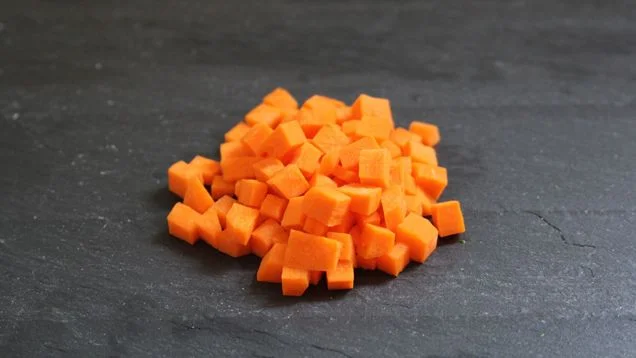
Experts say that no matter the age of the child, the pieces of food should be a maximum of half an inch. It is not right to put pieces larger than this in the child’s mouth.
What to do if a child gets food stuck in their throat?
The most important question is, what to do in case of danger? To avoid “choking hazard foods for toddlers”, you need to know not only precautions, but also first aid.
If the child can cough
If the child can cough and breathe, let him cough. Do not pat him on the back forcibly, as this can be counterproductive. Stay calm and keep an eye on him.
If the child cannot cough
If the child cannot breathe, the face turns blue, or there is no sound — immediately give five strong back blows. Then give five chest thrusts. This is an alternative method to the Heimlich maneuver for children. After that, immediately call 112 or the European emergency number.
What things should you keep in mind when preparing baby food?
Many parents think that all you have to do is avoid dangerous foods. But the truth is, precautions need to start right from the moment you prepare food in the kitchen. Because the same food is safe if cut correctly, but dangerous if given incorrectly.
Why is the size and shape of food important?
Pediatricians say that instead of cutting any food into a round or cylindrical shape, cut it into long and flat pieces. Round-shaped food can easily get stuck in the throat. But long and thin pieces can easily pass through the throat. So, whether it is vegetables or fruits, make a habit of cutting everything lengthwise.
Is it safe to cook?
Yes, in many cases, cooking softens the food and reduces the danger. For example, raw carrots are dangerous, but well-cooked carrots become soft and children can eat them easily. Broccoli, sweet potatoes, beans — these are excellent safe foods when boiled.
Cool the food after cooking
Children swallow large pieces when eating hot food quickly. So always cool the food a little and then give it. Children eat cold food slowly, which is much safer.
Keep water or liquid food nearby
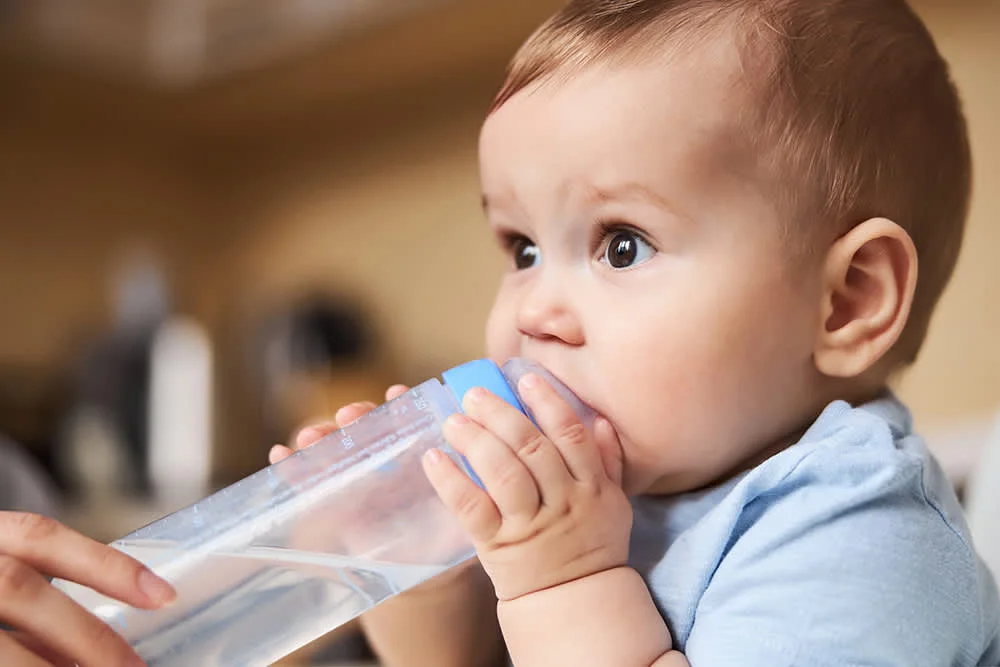
Always keep water nearby while eating. If your child drinks a little water while eating, the food will go down their throat more easily. However, it is better to give plain water instead of juice or sweet drinks between meals.
New guidelines on baby food safety in Europe
Child health authorities in various European countries have recently issued new guidelines. According to these guidelines, kitchen staff in schools and childcare centers are now required to undergo mandatory training in baby food safety.
Advice for new parents
First-time parents often don’t know what foods to offer. Most hospitals in Europe are now offering free workshops for new parents. These workshops teach how to introduce baby’s first foods, which foods to avoid and what to do in an emergency.
Warning about grandparents
Many times, the elderly in the family, especially grandparents, lovingly feed babies various foods. They may not know that they are dangerous. Whole grapes, nuts, or hard candy — they love to give them. So explain this to the whole family. It’s not a matter of insult, it’s a matter of saving the child’s life.
Things to be careful about besides food
“Choking hazard foods for toddlers” are not just a problem in the kitchen. There are many dangers lurking in other places in the house as well.
Pieces of food falling on the floor
If there are older brothers or sisters at home, their pieces of food fall on the floor. Young children crawl and put them in their mouths. So clean the floor thoroughly after eating. Especially if there are pieces of nuts, candy or grapes, pick them up immediately.
Extra caution when going outside
When feeding in the park or outside, babies are very restless. They eat while running and playing. The risk of danger is even higher at this time. When you go out, take simple, soft and cut food with you. Avoid giving hard or round food outside.
Conclusion
Raising a young child means not only feeding him well, but also feeding him safely. In many European countries, these days, new parents are taught from the hospital how to feed him. Because “Choking hazard foods for toddlers” — this topic has now become the most important chapter in child health.
Your child may have just learned to walk, learn to eat. This is the most beautiful time, but at the same time the most careful time. Cut hot dogs into four pieces, cut grapes, give nuts a little later — these small precautions will save your child from danger.
Remember, choking on food is not a small incident. It can become a big danger in an instant. So be aware from today. Spend a little more time in the kitchen, take a little more care when cutting food. A little caution on your part can keep your little darling safe. No matter which country in Europe you live in, child safety comes first.
FAQ — General Questions
1. Until what age should “Choking hazard foods for toddlers” be avoided?
Generally, this precaution should be followed until the age of four. Because before this age, the strength of the child’s teeth and jaw is not fully developed.
2. Can grapes not be given to children?
Yes, but they should be given in four pieces. Never give whole grapes.
3. Is peanut butter dangerous?
Yes, if you put it with a large spoon, it will stick in the throat. Spread it thinly on bread.
4. What should I do first if my child gets food stuck in his throat?
Tilt the child forward and give him five strong slaps on the back. If that doesn’t work, call emergency services immediately.
5. Can popcorn be given to children?
Popcorn should not be given before the age of four. Its shell and hard part can easily get stuck in the throat.