signs of gestational diabetes in third trimester Symptoms and current information

Nusrat Ayaan

Published: 06/07/2026
Updated: 06/07/2026

“Signs of gestational diabetes in third trimester” Learn about symptoms, risks, tests, costs, mistakes and things to do in easy Bangla with 2026-2027 updates for the safety of mother and baby.

Slug: signs-of-gestational-diabetes-third-trimester
signs of gestational diabetes in third trimester

The body undergoes many changes during the last three months of pregnancy. Many people ignore symptoms such as excessive thirst, frequent urination, and excessive fatigue as normal pregnancy symptoms.

There are some symptoms that, if present, should be checked to see if there is a possibility of gestational diabetes.This guide discusses signs of gestational diabetes in third trimester in simple terms, so that a mother can be alerted in time.

There is no need to be afraid of gestational diabetes, but it is not right to ignore it either. According to the CDC, it usually appears around the 24th week of pregnancy and many times there are no obvious symptoms; therefore, it is important to get tested between 24 and 28 weeks.

What is it? 

If a mother’s blood sugar levels rise above normal during pregnancy and are first detected during pregnancy, it is called gestational diabetes. Even if you don’t have diabetes before, pregnancy hormones can sometimes make your body unable to use insulin properly, causing blood sugar or glucose to rise.

According to the NIDDK, gestational diabetes can only occur during pregnancy and can cause health problems for both mother and baby; however, if managed properly, the risk can be greatly reduced. The baby’s growth is rapid in the third trimester, so it’s even more important to keep your blood sugar under control during this time.

How does gestational diabetes occur? 

As the baby grows during pregnancy, hormonal changes occur in the mother’s body, and these changes can sometimes affect blood sugar control.These changes help the baby grow and maintain the pregnancy, but sometimes they can also affect the mother’s blood sugar control. But these hormones can reduce the body’s ability to use insulin. Hormonal changes during pregnancy can increase the body’s need for insulin. Some mothers’ bodies can handle the extra demand, but some cannot produce enough insulin. This causes blood sugar levels to rise and puts them at risk for gestational diabetes.

The Mayo Clinic says that changes in hormone levels during pregnancy can make it difficult for the body to use glucose, and blood sugar can rise. This is why not only overeating, but also the normal hormone changes of pregnancy are associated with gestational diabetes.

What symptoms can be seen in the third trimester? 

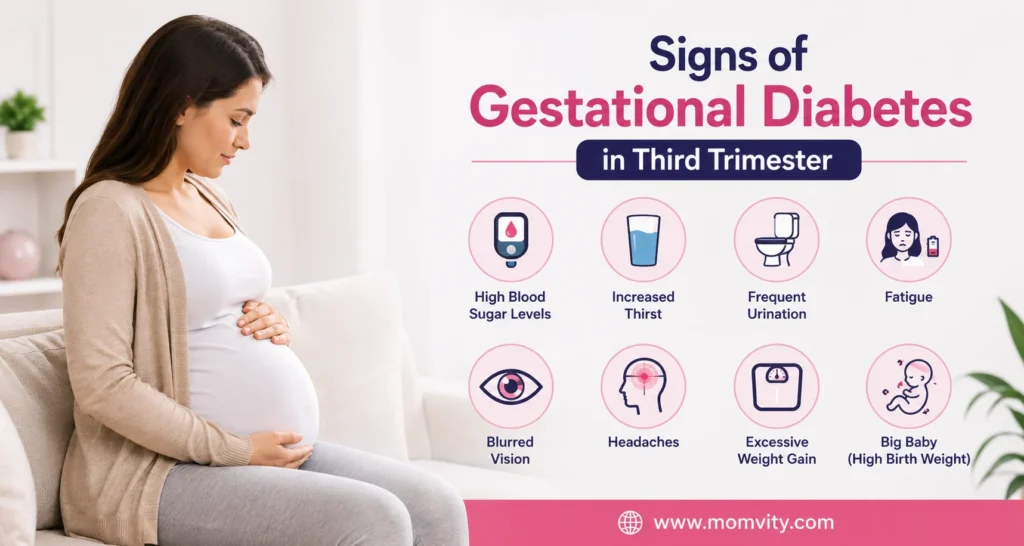
Even if you have gestational diabetes in the last three months of pregnancy, the symptoms are often not very clear, so it’s difficult to be sure just by looking at the changes in your body.Many of the symptoms look like normal pregnancy symptoms.

 So if any of the symptoms seem excessive or unusual, it is safest to talk to your doctor, midwife or healthcare provider before making a decision on your own.

  • If you feel thirsty again and again even after drinking water, it is not a good idea to ignore it as a common pregnancy symptom.
  • A sudden increase in the amount of urine or a tendency to go to the bathroom frequently can also be a sign to watch out for.
  • If you feel weak even after getting enough rest or feel tired even after doing little, it is a good idea to inform your doctor.
  • If you experience blurred vision, sudden changes in vision, or difficulty seeing clearly for some time, you should seek medical advice immediately.
  • Having recurrent urinary tract infections or yeast infections.
  • Feeling very weak or uncomfortable even after eating.
  • Suspecting baby movement, body swelling, dizziness, or any other unusual changes.

Both the CDC and NIDDK say that gestational diabetes can often be asymptomatic or have mild symptoms, such as excessive thirst or urination. So whether you have symptoms or not, getting tested is the best way to be sure.

When to Pay Attention to Symptoms

Fatigue, frequent urination, or trouble sleeping are not uncommon during pregnancy. But if these symptoms increase suddenly, interfere with daily activities, or have never happened before, then it is important to pay attention to the matter.

It is not right to delay if symptoms such as excessive thirst, blurred vision, infection, dizziness or decreased baby movement appear at the end of pregnancy. If you have these symptoms, it is better to tell the doctor, because if you have gestational diabetes, you need to follow-up the mother’s sugar level and the baby’s health more carefully in the last three months.

Who is at higher risk and what will you need?

Any mother’s blood sugar can increase during pregnancy, but some mothers are at higher risk. Doctors usually advise you to be extra careful if you have had gestational diabetes before, have a family history of diabetes, were overweight before pregnancy, or have PCOS.

The risk may increase if you have had gestational diabetes before, have a family history of type 2 diabetes, were overweight before pregnancy, have PCOS, or had a high birth weight of a previous baby.

The Mayo Clinic lists risk factors as overweight, lack of physical activity, prediabetes, gestational diabetes in a previous pregnancy, PCOS, diabetes in a parent or sibling, and having a baby weighing more than 9 pounds or 4.1 kg. Therefore, if you have risk factors, it is best to inform your doctor from the beginning of your pregnancy.

Who should be more careful? 

Diabetes during pregnancy can happen to any pregnant mother, but some people are at a higher risk. For example, if you have had gestational diabetes before, it is considered a risk factor or if someone in your family has had diabetes, if you were overweight before pregnancy or have PCOS, the doctor usually tells you to be more careful. So, it is safest to confirm it through a blood test rather than just judging by the symptoms.

Pregnancy care is becoming more screening-focused in 2026–2027. The ADA’s 2026 Standards of Care have updated clinical recommendations for diabetes care, and the ADA says their Standards of Care are updated every year. Therefore, when planning a follow-up or treatment plan in 2027, you should follow the latest guidelines from your local doctor.

What to prepare before the test

A gestational diabetes test usually does not require very complicated paperwork. However, it is helpful to have a pregnancy record, previous blood sugar report, ultrasound report, medicine list, and doctor’s prescription with you. In many countries, an appointment or insurance information may be required, so it is better to find out the rules from the hospital or lab before taking the test.

What to do when you get the report

If the report is normal, you should continue with routine prenatal care. But if the report is abnormal, you should not panic and go to the doctor. Sometimes, if the first screening test is abnormal, an Oral Glucose Tolerance Test or OGTT is asked to be done to confirm. The Mayo Clinic says that if the sugar in the initial glucose challenge test is high, a follow-up glucose tolerance test may be done.

Step-by-step testing and what to do

The safest way to understand gestational diabetes is to get screened on time. According to ACOG, all pregnant women should get screened for gestational diabetes; if there are risk factors, the test can be done in early pregnancy, and if there is no risk, blood sugar is usually measured at 24 to 28 weeks.

First, during a prenatal checkup, the doctor may ask about your health history, family history, and previous pregnancy record. Then, a glucose screening test or OGTT may be given. If gestational diabetes is detected, a meal plan, physical activity, home blood sugar monitoring, and if necessary, medicine or insulin are planned.

Discover more here: Urine Leakage During Pregnancy Second Trimester

Test timing according to 2026–2027

A blood sugar test is usually done between 24 and 28 weeks to check for gestational diabetes. However, if a mother has had gestational diabetes before, is overweight, or has a family history of diabetes, her doctor may recommend testing earlier. So, even if you don’t have symptoms, it’s important to have regular prenatal checkups during this time.

The final guidelines for 2027 may not be published everywhere yet, as diabetes guidelines are usually updated regularly. So it’s good to understand the current guidance for 2026, but it’s safest to plan your testing based on the updated advice for 2027 from your country, hospital, and doctor.

Potential costs and time

The exact cost of a gestational diabetes test varies from place to place. The cost depends on the country you are testing in, whether you are going to a public or private hospital, and whether you have insurance. In the United States, if you have health insurance, you often don’t have to pay the full cost of a screening test for gestational diabetes out of pocket.

 In some cases, insurance covers the entire cost, while in other cases, a portion of the cost is covered.However, the cost can vary depending on the insurance plan, hospital or lab, and billing system.

In countries with public healthcare systems like Europe or the United Kingdom, gestational diabetes testing is often done as part of routine pregnancy care. However, if someone gets tested at a private hospital or lab, there may be a separate cost. So it is best to check with your hospital, clinic, or insurance provider before getting tested.

TopicGeneral Concept in USA/EuropeComments
Initial glucose screeningMay be covered or reduced if you have insurance/public systemVaries by local plan
OGTTMay be used if screening is abnormalThe test usually takes a few hours to complete
Doctor follow-upDifferent according to public/private systemFollow-up is important to understand the report
Home glucose meterMay be required for diagnosisStrips and lancets may have separate costs
Dietitian supportNot always mandatoryHelpful to understand meal plan
Medicine or insulinNot everyone needsDoctor decides

According to the Mayo Clinic’s diagnostic information, if the initial glucose challenge test results are high, a follow-up glucose tolerance test may be done, where blood sugar is measured several times. So it’s important to keep in mind not only the test fee, but also the time, follow-up visits, and monitoring costs.

Cost, common mistakes

Managing gestational diabetes does not just mean reducing sugar; balancing it while maintaining the safety of the mother and baby. According to the ADA’s pregnancy management guidance, diabetes in pregnancy care may include nutrition, lifestyle, physical activity, and if necessary, medicine or insulin. Therefore, reducing your diet on your own or taking medicine after looking at online advice can be dangerous.

Mayo Clinic says that if gestational diabetes is not controlled, the baby’s high birth weight, early birth, newborn low blood sugar and the mother’s high blood pressure, preeclampsia and C-section risk may increase. However, with timely diagnosis and care, many mothers can continue a healthy pregnancy.

Common mistakes and safe decisions

The most common mistake is to completely ignore the symptoms. Another mistake is to completely stop rice, bread, fruit or carbohydrates because of fear at the slightest symptom. Pregnancy requires nutrition, so do not reduce food; rather, the amount, time and quality of food should be adjusted according to the advice of a doctor or dietitian.

Another mistake is to ignore all subsequent symptoms even if the test is normal. You should also tell your doctor if you notice any new changes in your body. Follow-up after delivery is also important, as the CDC says that about half of women who have gestational diabetes will later develop type 2 diabetes.

FAQ

Can gestational diabetes be detected first in the third trimester?

Yes, it can be detected. Many people get screened at 24-28 weeks, but symptoms may be more noticeable in the third trimester. However, tests are needed to confirm the diagnosis.

Should I be worried immediately if I have signs of gestational diabetes in the third trimester?

There is no need to be worried, but it cannot be ignored. If I have excessive thirst, excessive urination, blurred vision, or unusual fatigue, I should talk to my doctor.

Is it necessary to get tested even if I have no symptoms?

Yes. Because gestational diabetes can often be asymptomatic. Both the CDC and ACOG emphasize the importance of screening at 24-28 weeks.

Is normal delivery possible with gestational diabetes?

In many cases, it is possible. However, the doctor plans the delivery by looking at the baby’s size, mother’s sugar control, blood pressure, and overall pregnancy condition.

Is diet alone enough to treat gestational diabetes?

In many cases, a healthy meal plan and physical activity may be enough. But some people may need medicine or insulin to keep their blood sugar in the target range. NIDDK says that insulin may be needed if healthy eating and activity are not enough.

Does gestational diabetes go away after delivery?

In many cases, sugar is normal after delivery, but the risk of type 2 diabetes increases in the future. Therefore, postpartum follow-up is essential.

Conclusion

Gestational diabetes is one of the issues of pregnancy that should not be taken lightly. Especially in the last three months, the baby grows rapidly, so it is very important to keep the mother’s blood sugar under control. If the blood sugar is high, some risks may arise for the mother and the baby, but many problems can be avoided if you take timely tests and take proper care. Therefore, knowing about the signs of gestational diabetes in third trimester does not mean being afraid; rather, understanding the changes in your body and making the right decisions in time.

Excessive thirst, frequent urination, excessive weakness, blurred vision or repeated infections during pregnancy should not be ignored as common problems. If such symptoms appear, it is safer to consult a doctor instead of starting a diagnosis or treatment yourself. Regular prenatal checkups, timely glucose screening and following the pregnancy care plan given by the doctor can keep the health of the mother and the baby much safer.

Related Articles

first trimester diet

First Trimester Diet What to Eat, What to Avoid, and How to Cope With Nausea

Since learning you are pregnant, have you suddenly found yourself rethinking everything you eat? Foods you once loved might now trigger nausea at the mere smell. At times, you may feel the urge to eat a large meal, while at other times, the thought of eating anything at all feels unappealing. Many expectant mothers go through this.

However, it is important to remember one thing: during the first trimester, you do not need to eat double the amount of food—as if you were eating for two. Instead, the focus should be on ensuring your body gets the necessary nutrients, choosing safe food options, and trying to eat regularly, even when you are feeling nauseous. A well-planned first trimester diet helps maintain your own well-being while providing the essential nutrients required for your baby’s early development.

So, what exactly should you eat during this period?

Which foods should you avoid? And what can you do when nausea makes it difficult to eat anything at all? Let’s explore these questions step by step.

First Trimester Diet at a Glance

Let’s first take a look at which nutrients should be prioritized in your daily diet. For a proper first trimester diet plan, the following quantities generally apply to pregnant women aged 19–50. However, nutritional requirements may vary based on individual health, age, and medical conditions.

NutrientDaily RequirementWhy It Matters
Folic Acid400 mcg from supplementNeural tube development
Folate600 mcg DFECell growth and development
Iron27 mgRed blood cell production
Calcium1,000 mgBaby’s bones and teeth
Iodine220 mcgBrain and thyroid development
Choline450 mgBrain and nervous system development
Vitamin D600 IUBone development
WaterAbout 8–12 cupsHydration and normal body functions

These are provided to help you understand your daily nutritional targets. It is not required that every nutrient be obtained solely from food; prenatal vitamins or other necessary supplements—taken as advised by a doctor—can also be helpful.

Do You Need to Eat More in the First Trimester?

Many people increase their food intake as soon as they learn they are pregnant, based on the common belief that they now need to “eat for two.” But is extra food really necessary during the first three months?

Generally, no. According to guidelines from the Academy of Nutrition and Dietetics, there is typically no need for additional calorie intake during the first trimester. In the second trimester, an extra 340 calories per day may be required, and in the third trimester, this increases to approximately 450 extra calories.

This is because the baby is very small during the early stages of pregnancy. At this time, the nutritional quality of your food is more important than the quantity. Therefore, rather than simply trying to eat more, focus on including protein, fruits, vegetables, grains, and essential nutrients in your daily diet.

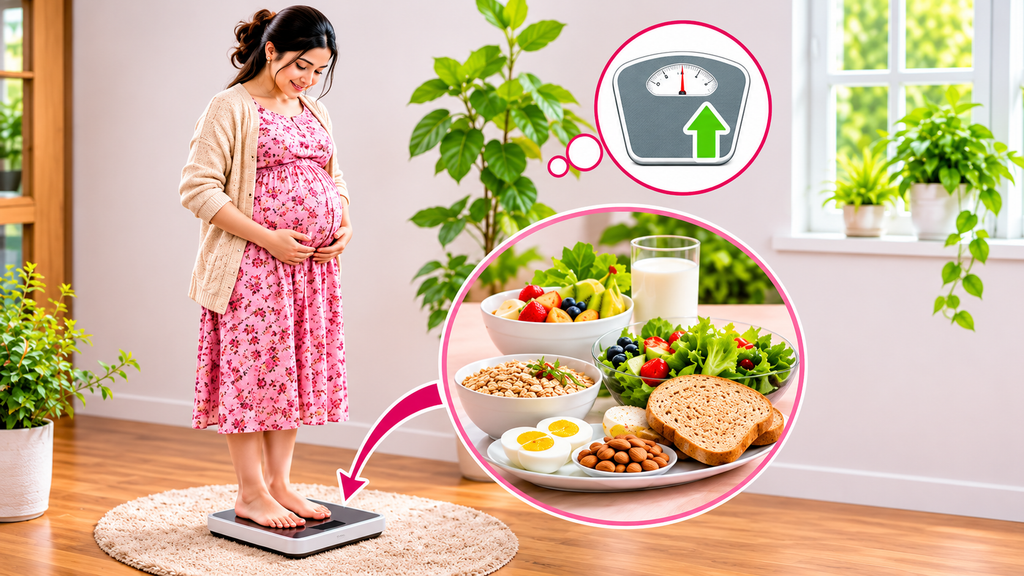
What About Weight Gain?

During the first three months, weight typically does not increase significantly. Some may experience a slight gain, while others might even lose a little weight due to morning sickness. Therefore, when following a First Trimester Diet, there is no need to judge the quality of your food intake solely based on changes in your weight.

The appropriate amount of weight gain throughout the entire pregnancy depends on your pre-pregnancy BMI.

Pre-Pregnancy BMIRecommended Total Weight Gain
Underweight (Below 18.5)28–40 lb
Normal Weight (18.5–24.9)25–35 lb
Overweight (25.0–29.9)15–25 lb
Obesity (30 or Above)11–20 lb

These are general guidelines, not individual targets. Recommendations for weight gain may differ in cases of twin pregnancies, pre-existing health conditions, or other complications. Therefore, do not attempt to control your weight by reducing your food intake on your own; instead, consult with your doctor.

Essential Nutrients for Your First Trimester Diet

During the early stages of pregnancy, many significant changes occur in the baby’s body. The initial development of the brain, spinal cord, heart, and other organs begins. Certain nutrients play a particularly important role during this period.

Folic Acid Is a Priority

Why is folic acid so important for the early development of a baby’s brain and nervous system?

It is a form of vitamin B9 that supports the proper development of the baby’s neural tube. Therefore, it is essential to prioritize folic acid as part of a healthy First Trimester Diet.

The CDC recommends that women who could become pregnant take 400 micrograms of folic acid daily. Ideally, this should be started at least one month before conception. While natural folate can be found in leafy greens, lentils, and legumes, you may need a prenatal vitamin containing folic acid—as advised by your doctor—to ensure your requirements are fully met.

Remember, consuming more does not provide additional benefits. Do not take multiple supplements simultaneously without a doctor’s guidance.

Iron and Vitamin C Work Together

Will consuming only iron-rich foods provide the body with enough iron?

Not always. During pregnancy, the body needs to produce extra blood to deliver oxygen to the baby, and iron plays a crucial role in this process. Consequently, the daily iron requirement during pregnancy increases to 27 milligrams.

A healthy first trimester diet can include meat, lentils, chickpeas, spinach, and iron-fortified foods. However, vitamin C is also essential to enhance iron absorption. For instance, you could add lemon juice to lentils, include tomatoes with chickpeas, or eat an orange alongside your cereal. Such simple adjustments help improve the absorption of iron from your food.

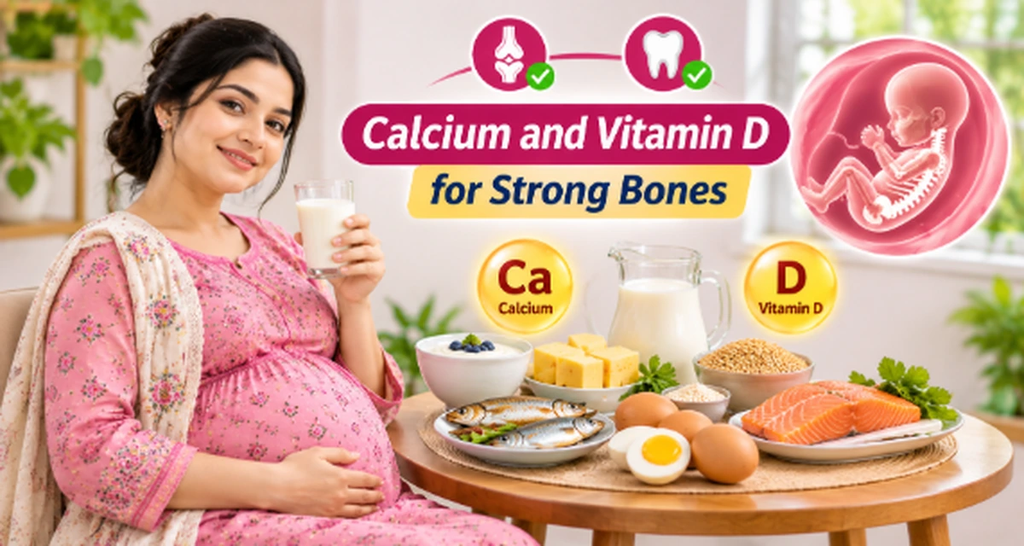
Calcium and Vitamin D for Strong Bones

Calcium is essential for the development of a baby’s bones and teeth. It is also important for maintaining the health of your own bones. Pregnant women aged 19–50 require approximately 1,000 milligrams of calcium daily.

Good sources of calcium include milk, yogurt, cheese, small fish (eaten with their bones), sesame seeds, and calcium-fortified foods. Those who cannot consume milk should consult a doctor to explore alternative food options.

Additionally, vitamin D helps the body absorb calcium. It can be obtained from egg yolks, fatty fish, and vitamin D-fortified milk. Pregnant women (adults) require approximately 600 IU of vitamin D per day.

Omega-3 DHA and Vitamin A

DHA is a type of Omega-3 fatty acid that plays a role in the development of a child’s brain and eyes. Fish with low mercury content, such as salmon and sardines, are good sources of DHA. It is also added to some types of eggs and milk.

However, some caution is advised regarding Vitamin A. While Vitamin A is essential for normal physical growth and eye health, an excess of “preformed” Vitamin A can be harmful. It is found in particularly high amounts in liver and certain supplements.

The body can produce Vitamin A as needed from beta-carotene, which is found in carrots, sweet potatoes, and colorful vegetables. Therefore, ensure a varied diet and avoid taking extra Vitamin A supplements without consulting a doctor.

Best Foods to Eat in the First Trimester

It is not necessary to eat the same type of food every day during the first three months. Instead, it is better to choose foods from various food groups, as this provides an opportunity to obtain a wider range of nutrients.

It is entirely possible to create a healthy first trimester diet using familiar, locally available foods in Bangladesh.

Food GroupRecommended Food Choices
VegetablesSpinach, carrots, sweet potatoes, pumpkin
FruitsGuava, orange, banana, apple
ProteinEggs, fish, chicken, lentils, chickpeas
DairyMilk, yogurt, pasteurized cheese
Whole GrainsRed rice, oats, whole-wheat flatbread (roti)
Healthy FatsNuts, seeds, and low-mercury fish

Protein-Rich Foods

Protein is important for the development of a child’s cells and tissues. Essential protein can be obtained from eggs, fish, chicken, milk, lentils, chickpeas, and soybeans.

If the smell of meat causes nausea, you can try meeting your protein requirements for a while by consuming eggs, yogurt, or lentils. However, all food must be thoroughly cooked.

Fruits and Vegetables

Fruits and vegetables contain vitamins, minerals, and fiber. Guavas, oranges, and papayas are sources of vitamin C. Bananas and apples are easy to consume, and many people find them tolerable when experiencing nausea.

However, be sure to wash fruits and vegetables thoroughly before eating them. When preparing raw salads, use clean water and clean kitchen utensils.

A Simple First Trimester Meal Plan

Instead of worrying too much about what to eat every day, you can follow a simple routine. The list below is just an example; you may adjust your meals based on your appetite, personal preferences, and your doctor’s advice.

Meal TimeExample Foods
Before Getting UpPlain Crackers
BreakfastEggs, whole-wheat flatbread, and milk
Mid-MorningBanana or guava
LunchRice, fish, lentils, and vegetables
Afternoon SnackYogurt or nuts
DinnerRice or roti, chicken, and cooked vegetables
Evening SnackToast or fruit

Do you have to eat the exact same amount of food every day?

Not at all. During the First Trimester Diet, prioritize your own appetite and physical comfort. If you have a smaller appetite on any given day, you can eat smaller portions more frequently. And if a particular food doesn’t sit well with you, choose an alternative that offers similar nutritional value.

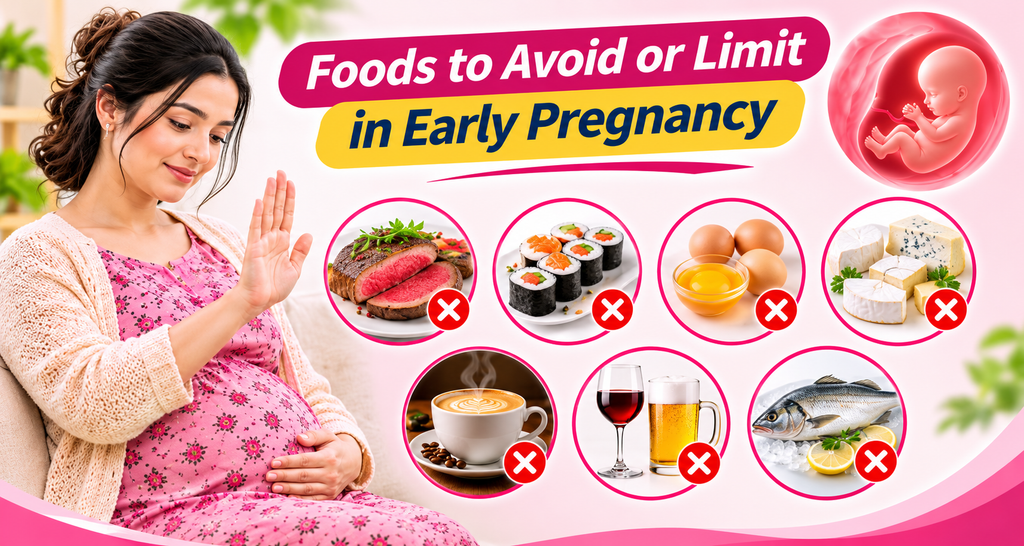
Foods to Avoid or Limit in Early Pregnancy


During pregnancy, the safety of food is just as important as its nutritional value. Some foods may contain germs or chemical substances that pose risks to both the mother and the baby.

According to the CDC, pregnant women are about 10 times more likely to contract a *Listeria* infection compared to the general healthy adult population. Therefore, it is essential to be cautious when selecting and storing food.

Food or DrinkWhat You Should Do
Raw or Undercooked MeatCook thoroughly before eating.
Raw EggsAvoid
Unpasteurized MilkChoose pasteurized milk
Unpasteurized Soft CheeseAvoid non-pasteurized cheese.
High-Mercury FishAvoid
Deli Meat and Hot DogsHeat to a temperature of 165°F or 74°C
AlcoholAvoid completely
CaffeineKeep it below 200 mg per day

Which Fish Should You Avoid?

During pregnancy, fish serves as a good source of protein and omega-3 fatty acids. However, mercury levels vary from one type of fish to another. Excessive mercury can be harmful to a baby’s developing nervous system.

According to FDA guidelines, pregnant women can consume 8–12 ounces (approximately 225–340 grams) per week of fish that are low in mercury.

Salmon, shrimp, cod, tilapia, and sardines are good choices. Conversely, fish such as king mackerel, marlin, orange roughy, shark, swordfish, Gulf of Mexico tilefish, and bigeye tuna should be avoided.

It is important to note that mercury levels differ among various types of tuna; therefore, it would be inaccurate to categorize all tuna as equally restricted.

How to Eat When Morning Sickness Hits

The most difficult thing for many mothers in the first three months is not eating, but keeping food in the stomach. Waking up in the morning may experience nausea, discomfort from the smell of cooking or not being able to eat even after seeing your favorite food.

According to ACOG, nausea during pregnancy can happen at any time of the day. It usually starts early and subsides by 14 weeks in most cases.

So what to do at such a time? First of all, remember that there is no need to panic even if the food list is not perfect for a few days. Try to eat small amounts of foods that are currently tolerated.

Choose Bland Foods

During this time, foods that are high in oil, spices, or strong odors may increase discomfort. Therefore, you might consider eating items such as rice, bread, potatoes, bananas, crackers, or plain toast.

If you can tolerate it, add a small amount of protein—for example, you could have peanut butter with toast or pasteurized cheese with crackers.

What If Prenatal Vitamins Make You Nauseous?

Sometimes, taking prenatal vitamins can increase feelings of nausea. If this happens, do not stop taking the vitamins on your own. Consult your doctor; they may suggest taking them at night, consuming them after a meal, or switching to a different type of supplement.

In some cases, your doctor might recommend vitamin B6 or other safe medications. Do not start taking any medication on your own.

Food Aversions and Cravings

Do you find that the smell of a food you once loved now makes you feel uncomfortable during pregnancy? Or perhaps you are experiencing sudden, unusual cravings for certain foods? Such food aversions and cravings can occur due to hormonal changes.

Pay attention to how your body reacts during this time. If you have trouble eating meat, try obtaining protein from sources like eggs, milk, yogurt, lentils, or chickpeas. If you don’t feel like eating vegetables, you might try consuming fruits or vegetable-based soups instead.

However, even if you develop a strong craving for a particular food, ensure that it does not replace your daily, nutritious meals. It is best to maintain variety in your diet.

When to Call Your Doctor or Midwife

Mild nausea or a loss of appetite is common during the first trimester. However, vomiting can sometimes become so severe that it leads to dehydration. This serious condition is known as Hyperemesis Gravidarum.

Contact your doctor if you experience any of the following symptoms.

SymptomWhat You Should Do
Inability to retain water for more than 8 hoursContact a doctor immediately.
Inability to retain food for more than 24 hoursConsult a doctor.
Decreased or concentrated urineThese can be signs of dehydration.
Dizziness or faintingSeek medical attention promptly.
Losing weightInform the doctor
Vomiting bloodSeek emergency medical attention
Severe abdominal pain or feverSeek medical advice promptly.

If you are unable to keep any food or liquid down, do not wait. If necessary, a doctor can provide fluids and other treatments to address dehydration.

Remember, you should not delay in seeking help. There are effective treatments for morning sickness, and safe medications can also be used if needed.

Final Thoughts

So, is it essential for every meal to be “perfect” during the first three months? Not at all. What matters is understanding your body’s needs and choosing food that is as nutritious and safe as possible.

Ensure a daily intake of folic acid, include foods rich in iron and calcium, opt for fish low in mercury, and avoid alcohol. On days when you experience nausea, try to eat small portions of whatever you can tolerate. The goal of following a “first trimester diet” is not to confine yourself to rigid, restrictive eating rules, but rather to cultivate mindful habits that support the well-being of both mother and baby.

And if there are days when you manage to eat nothing more than some rice, a banana, or a few crackers—do not blame yourself. Seek medical advice if necessary, and gradually return to your regular diet. Remember, in the journey of motherhood, the intention to care for yourself and your baby is far more important than striving for perfection.

Health Disclaimer: This article is intended for general health education purposes and is not a substitute for professional medical advice, diagnosis, or treatment. Always consult your doctor or a qualified healthcare professional before making any changes to your diet, prenatal vitamins, or supplements during pregnancy. Seek medical attention promptly if you notice any concerning symptoms.

Frequently Asked Questions About First Trimester Diet

What Should I Eat in My First Trimester?

During the first three months, you can consume fruits, vegetables, whole grains, eggs, fish, lentils, milk, and other protein-rich foods. Additionally, ensure you take prenatal vitamins containing folic acid, and focus on meeting your requirements for iron, calcium, and iodine.

Do I Need Extra Calories in the First Trimester?

Generally, no. There is no need for extra calorie intake during the first trimester. However, the body’s requirements increase during the second and third trimesters. Please discuss your individual needs with your doctor.

Is It Okay If I Can Only Eat Crackers and Toast?

Do not be alarmed if, due to nausea, you are only able to eat crackers or toast for a short period. However, if this continues for a long time, consult a doctor. Seek help promptly, especially if you are unable to retain fluids.

How Much Weight Should I Gain in the First Trimester?

Weight gain during the first three months is typically minimal. Some may experience a slight increase, while others might even lose weight due to nausea. The target for total weight gain throughout the pregnancy depends on your initial BMI and your overall health status.

Scroll to Top