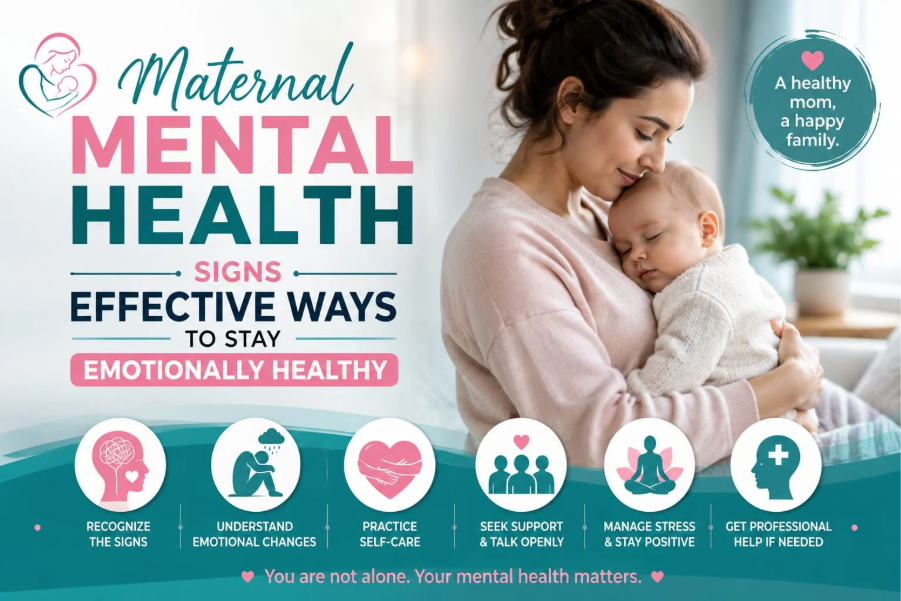
Maternal Mental Health Signs Effective Ways To Stay Emotionally Healthy 

Tahmina Noor

Published: 22/07/2026
Updated: 22/07/2026

Get practical knowledge about Maternal Mental Health and learn about its symptoms, causes and effective ways to maintain mental health. So that it is possible to maintain maternal health during pregnancy. 
Have you ever wondered how much a woman’s life can change mentally during pregnancy and raising a new baby, or how deep the head of change can be? 

During this time, along with physical changes, various changes occur in emotional, thinking and daily life. Along with joyful moments, there are some uncertainties or fluctuations in confidence during this time. All these things bring normal experiences for many. Fortunately, the majority of these changes are considered normal and expected. However, sometimes the level of these changes becomes too much, then special care or medical advice is required. 

There are also many families in the world today who do not give any importance to the issue of mental health. As a result, many women in our society hesitate to express their feelings and hide their problems completely. 

But if we can get the right information in time and create a compassionate attitude in the family or, if necessary, seek medical advice, we can maintain the physical and mental well-being of a mother. At the same time, special attention must be paid to the surrounding environment in the family for the normal and balanced development of a child. 

What Is Maternal Mental Well-Being And Why Is It Important? 
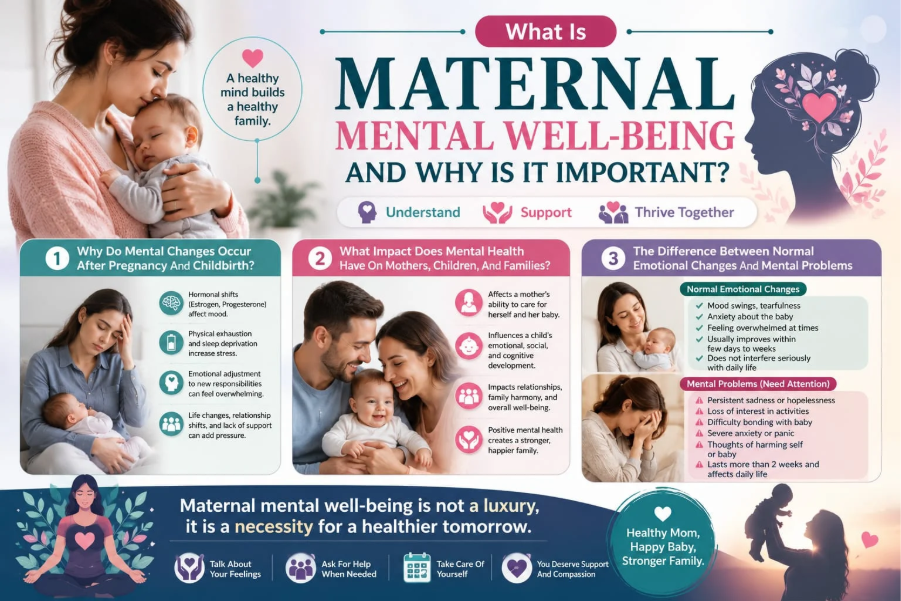
Maternal Mental Health is an important part of a mother’s mental, emotional and social well-being, which affects her from pregnancy to the postpartum period. During this phase, the body’s hormonal balance undergoes noticeable changes. As a result, the mental state often suffers from depression or hesitation due to physical fatigue and new responsibilities. 

Recognizing these changes and preparing accordingly plays an important role in managing the situation. A mother’s good mental health ensures not only her own well-being but also the well-being of the unborn child. As a result, the child will have the opportunity to develop safely and enjoy a positive family environment. 

Why Do Mental Changes Occur After Pregnancy And Childbirth? 

A woman’s body goes through significant hormonal fluctuations during pregnancy and after childbirth, which may temporarily affect hormonal balance. Sometimes the amount of hormones like estrogen and progesterone increases very quickly, due to which the brain receives excessive emotional signals. Which has a special effect on emotional control. 

In addition, pregnancy causes sleep deprivation and various physical fatigue. Also, the impact of mental stress increases due to the responsibility of caring for the newborn after the birth and thinking about the future of the newborn. Each person’s experience with this condition is different, but the changes usually resolve with time. 

However, if these symptoms take a long-term form, then it will definitely be very useful to consult a health expert doctor. 

What Impact Does Mental Health Have On Mothers, Children, And Families? 

If Maternal Mental Health is healthy, the physical and mental state of the entire family, including the mother and child, is stronger. A child’s development, family relationships, and the quality of daily life will be much better than before. 

  • Improves maternal well-being: Helps control anxiety and stress. 
  • Has a positive impact on child development: Helps in secure bonding and emotional development. 
  • Creates a positive environment in the family: Increases mutual understanding and cooperation. 
  • Improves marital relationships: Communication and emotional support are strengthened. 
  • Makes daily care easier: Mother can take care of herself and the child with confidence. 

The Difference Between Normal Emotional Changes And Mental Problems 

By assessing Maternal Mental Health, we will understand that during this time, along with normal emotional changes, various types of mental problems arise. Therefore, we need to know the difference between physical and mental problems. Because persistent and severe symptoms are never considered normal. 

  • Normal changes: Temporary anxiety, moodiness, or fatigue; usually subsides within a few days or weeks. 
  • Psychological problems: Long-term depression, severe anxiety, or loss of interest; interferes with daily life. 
  • Normal changes: Improvement is seen with rest and family support. 
  • Psychological problems: Professional treatment, counseling, or other support may be needed. 

Common Symptoms Of Pregnancy Mental Health Problems 
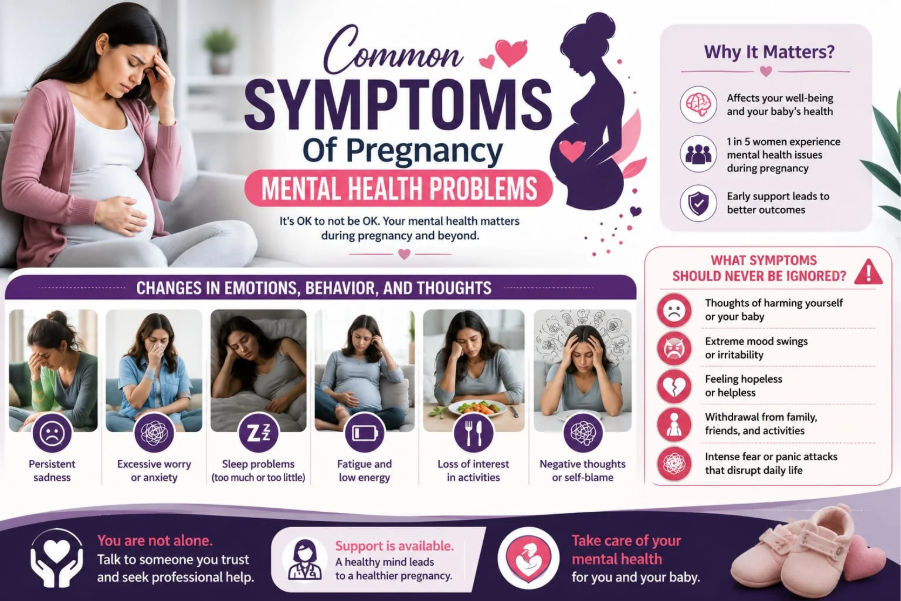
The usual symptoms of maternal mental health problems start with fatigue or emotional changes. However, common maternal problems start to manifest gradually, so many times we do not consider these changes seriously. 

If some normal changes are temporary, it is not a serious matter. However, if persistent sadness, irritability or sleep problems, inability to concentrate on any task are constant, then our daily life can definitely be disrupted. 

The above-mentioned things are considered some common symptoms of mental health problems. If you are affected by this problem, you should definitely consult a mental health specialist doctor. 

Changes In Emotions, Behavior, And Thoughts 

Type Of Change How Can It Be Revealed? 
Emotional Changes Feeling chronic sadness, excessive worry, unreasonable crying, irritability, or hopelessness. 
Behavioral Changes Avoiding family and friends, losing interest in previously preferred activities, and showing reluctance to take care of oneself or children. 
Thought Change Decreased attention, difficulty making decisions, excessive guilt, or feelings of inadequacy. 
Change In Confidence Fear of not being a good mother or recurring doubts about one’s own abilities. 
Emergency Warning Signal If you have thoughts of harming yourself or your child, severe depression, or feelings of detachment from reality, it is important to seek professional help quickly. 

What Symptoms Should Never Be Ignored? 

We should never ignore some of the symptoms of mental and physical problems during pregnancy. If these symptoms persist for a long time or disrupt the simple life of daily life, it is definitely our duty to seek the advice of a good doctor. 

  • Deep sadness for more than two weeks: Feeling depressed or hopeless for a long time. 
  • Excessive anxiety or panic: Unreasonable fear, restlessness, or repeated panic attacks. 
  • Reluctance to care for yourself or your child: Loss of interest in carrying out daily responsibilities. 
  • Severe changes in sleep and appetite: Inability to sleep despite adequate opportunities or excessive sleep, appetite greatly reduced or increased. 
  • Feeling worthless or guilty: Repeatedly thinking of yourself as a failed mother or an unworthy person. 
  • Problems with concentration and decision-making: Difficulty maintaining concentration or making decisions even on simple tasks. 
  • Thoughts of harming yourself or your child: If such thoughts arise, this is a matter of emergency medical assistance and you should contact a hospital or specialist immediately. 

The Main Causes And Risk Factors For Pregnancy Or Mental Health Problems 
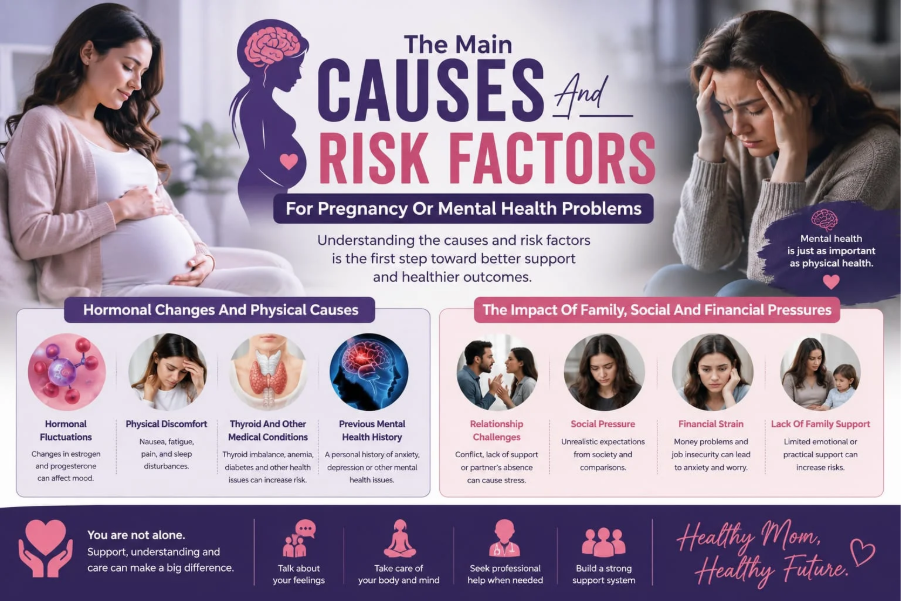
Maternal Mental Health can be affected by a variety of biological, psychological, and social factors. Pregnancy and childbirth are accompanied by hormonal changes and inadequate sleep. Both physical fatigue and financial stress in the family can play a significant role in increasing the risk of mental health problems. 

However, not everyone who has these factors or symptoms will develop mental health problems. With timely awareness and family support, the risk of such symptoms can be avoided in many cases. 

Discover more here: Infertility In Women

Hormonal Changes And Physical Causes 

Throughout pregnancy and after childbirth, the body experiences dramatic hormonal changes. Physical stress, when combined with other challenges, can have a significant negative effect on mental health. Mental stress can increase manifold due to lack of adequate rest or due to pain and fatigue. 

  • Rapid hormonal changes: Fluctuations in estrogen and progesterone levels. 
  • Sleep deprivation: Not getting enough rest due to caring for a newborn. 
  • Physical fatigue: Postpartum weakness and chronic fatigue. 
  • Postpartum pain: Physical discomfort can increase stress. 
  • Anemia or nutritional deficiency: You may feel weak and tired. 

The Impact Of Family, Social And Financial Pressures 

Maternal Mental Health can be significantly affected by various family and social factors. Lack of support from family members and strained relationships have an adverse effect on maternal health during this time. Financial uncertainty has long been a cause of mental stress for people. Such problems can especially weaken a mother’s emotional health. 

Reason For The Impact Possible Effects 
Lack Of Family Support Loneliness, stress, and fatigue may increase. 
Marital Relationship Problems Anxiety, depression, and self-confidence may decrease. 
Financial Uncertainty Anxiety and stress about the future may increase. 
Social Isolation Loneliness can be felt due to a lack of emotional support. 
The Pressure Of Additional Responsibilities Lack of rest and mental fatigue may occur. 

Effective Ways To Maintain Mental Well-Being During Motherhood 
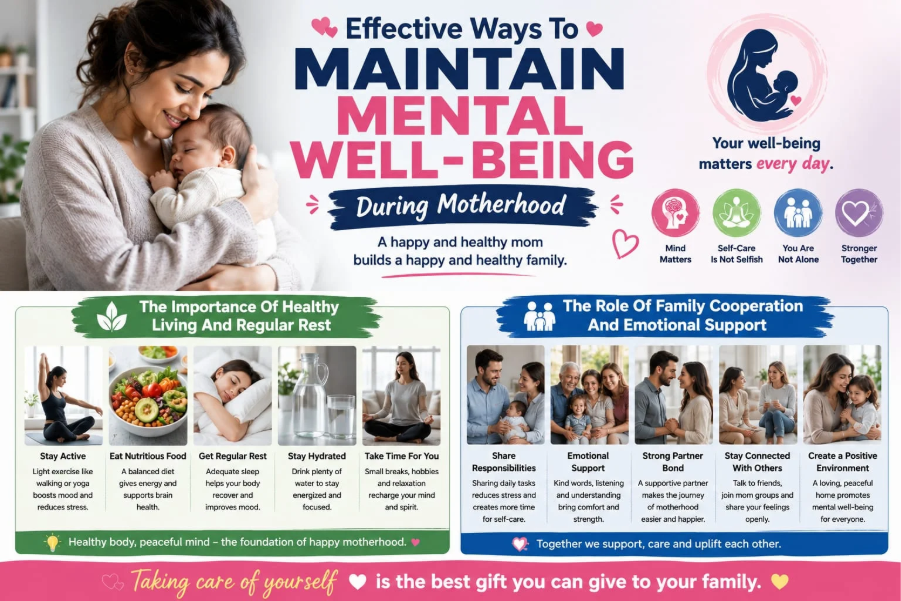
Maternal Mental Health There are several rules to follow to maintain well-being. Some of them are: Eat enough nutritious food and get regular rest, continue light physical activity and family support plays the most important role in avoiding mental health. 

If there is a trusted person in your family with whom you can share all your emotions, then you will be able to stay stress-free. Along with this, you should follow small healthy habits which will increase your self-confidence. 

This is what can create a positive environment for mother and child health. 

The Importance Of Healthy Living And Regular Rest 

Maintaining a healthy lifestyle and maintaining a balance between normal activities and regular rest can help maintain mental well-being during pregnancy. Light exercise and eating a balanced diet at regular intervals can reduce stress and increase a person’s ability to cope with daily challenges. 

  • Helps reduce stress. 
  • Improves sleep quality and reduces fatigue. 
  • Helps control emotions and maintain focus. 
  • Helps maintain body strength and immunity. 
  • Creates a positive environment for the overall well-being of mother and child. 

The Role Of Family Cooperation And Emotional Support 

With the cooperation and emotional support of each family member, a mother’s confidence increases during maternity and her ability to cope with daily stress increases. Compassionate behavior and open communication from partners and each family member reduce the loneliness of women during maternity and encourage them to deal with various difficult situations. 

At the same time, various types of thoughts are reduced and emotional balance is maintained. It plays an important role in creating a safe and supportive family environment for a child’s development. 

Common Misconceptions And Facts About Pregnancy Or Mental Health 
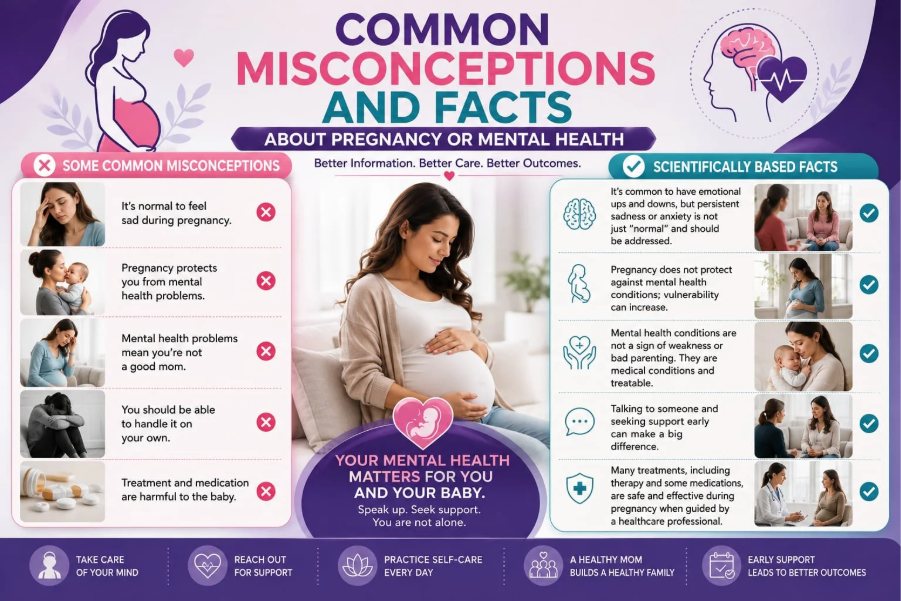
There are still many misconceptions about Maternal Mental Health in society, which discourages many mothers from seeking help in a timely manner. Many believe that mental distress after childbirth is normal and will resolve on its own. 

In reality, while some emotional changes are normal, chronic anxiety, depression, or severe stress can be treatable problems. The right information, family support, and necessary treatment play an important role in restoring a mother’s well-being. 

Some Common Misconceptions 

  • New mothers may experience both joyful and difficult emotions, and that is perfectly normal. 
  • “Only mentally weak women suffer from such problems.” 
  • “Sadness or anxiety after childbirth resolves on its own, no treatment is needed.” 
  • “If you are a good mother, you will never feel stressed or depressed.” 
  • “These problems only happen to first-time mothers.” 
  • “All mental problems go away if you talk to your family or rest.” 
  • “People will think badly of you if you go to a mental health specialist.” 
  • “If you take medicine or counseling, the mother will not be able to take care of the baby.” 

Scientifically Based Facts 

  • Struggling with mental health during pregnancy is a health condition that requires support and care, not judgment about personal strength. 
  • Hormones, sleep deprivation, and stress after pregnancy and childbirth can all work together to affect mental health. 
  • Early identification and treatment are effective in controlling symptoms and restoring well-being in most cases. 
  • Many mothers can achieve better mental well-being by receiving counseling, having strong family support, and making healthy lifestyle changes. 

Conclusion 

Raising public awareness about Maternal Mental Health is an important part of ensuring maternal health protection. A mother’s mental well-being, from pregnancy to the postpartum period, is deeply related to the well-being of the unborn child and all family members. Therefore, chronic depression and mental stress during pregnancy should never be neglected. 

At the same time, if the sympathy of all family members, as well as the support of life partners and the intake of nutritious food, can ensure a healthy lifestyle for women during pregnancy. 

It is equally important to create an environment for open discussion about mental health by eliminating misconceptions prevalent in society. 

Related Articles

first trimester diet

First Trimester Diet What to Eat, What to Avoid, and How to Cope With Nausea

Since learning you are pregnant, have you suddenly found yourself rethinking everything you eat? Foods you once loved might now trigger nausea at the mere smell. At times, you may feel the urge to eat a large meal, while at other times, the thought of eating anything at all feels unappealing. Many expectant mothers go through this.

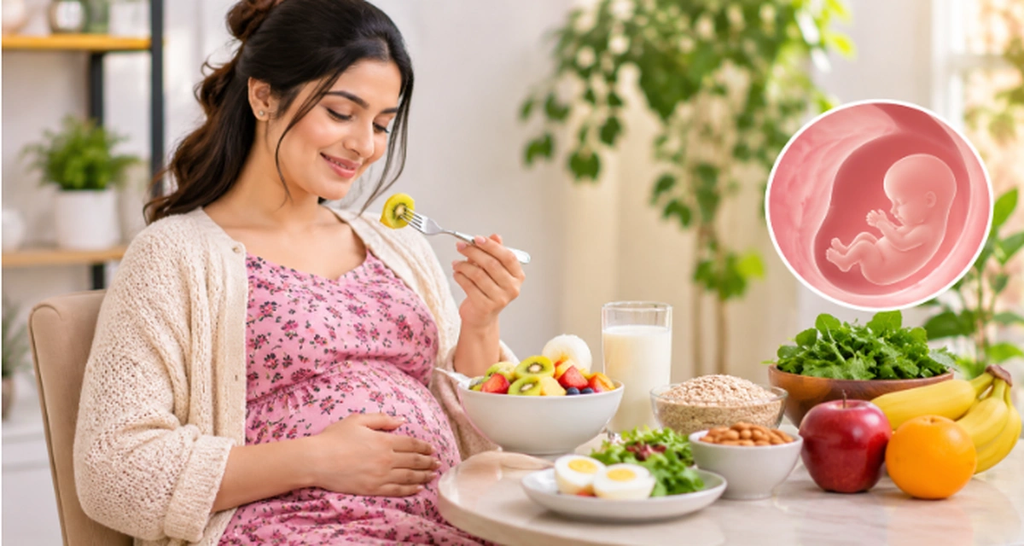
However, it is important to remember one thing: during the first trimester, you do not need to eat double the amount of food—as if you were eating for two. Instead, the focus should be on ensuring your body gets the necessary nutrients, choosing safe food options, and trying to eat regularly, even when you are feeling nauseous. A well-planned first trimester diet helps maintain your own well-being while providing the essential nutrients required for your baby’s early development.

So, what exactly should you eat during this period?

Which foods should you avoid? And what can you do when nausea makes it difficult to eat anything at all? Let’s explore these questions step by step.

First Trimester Diet at a Glance

Let’s first take a look at which nutrients should be prioritized in your daily diet. For a proper first trimester diet plan, the following quantities generally apply to pregnant women aged 19–50. However, nutritional requirements may vary based on individual health, age, and medical conditions.

NutrientDaily RequirementWhy It Matters
Folic Acid400 mcg from supplementNeural tube development
Folate600 mcg DFECell growth and development
Iron27 mgRed blood cell production
Calcium1,000 mgBaby’s bones and teeth
Iodine220 mcgBrain and thyroid development
Choline450 mgBrain and nervous system development
Vitamin D600 IUBone development
WaterAbout 8–12 cupsHydration and normal body functions

These are provided to help you understand your daily nutritional targets. It is not required that every nutrient be obtained solely from food; prenatal vitamins or other necessary supplements—taken as advised by a doctor—can also be helpful.

Do You Need to Eat More in the First Trimester?

Many people increase their food intake as soon as they learn they are pregnant, based on the common belief that they now need to “eat for two.” But is extra food really necessary during the first three months?

Generally, no. According to guidelines from the Academy of Nutrition and Dietetics, there is typically no need for additional calorie intake during the first trimester. In the second trimester, an extra 340 calories per day may be required, and in the third trimester, this increases to approximately 450 extra calories.

This is because the baby is very small during the early stages of pregnancy. At this time, the nutritional quality of your food is more important than the quantity. Therefore, rather than simply trying to eat more, focus on including protein, fruits, vegetables, grains, and essential nutrients in your daily diet.

What About Weight Gain?

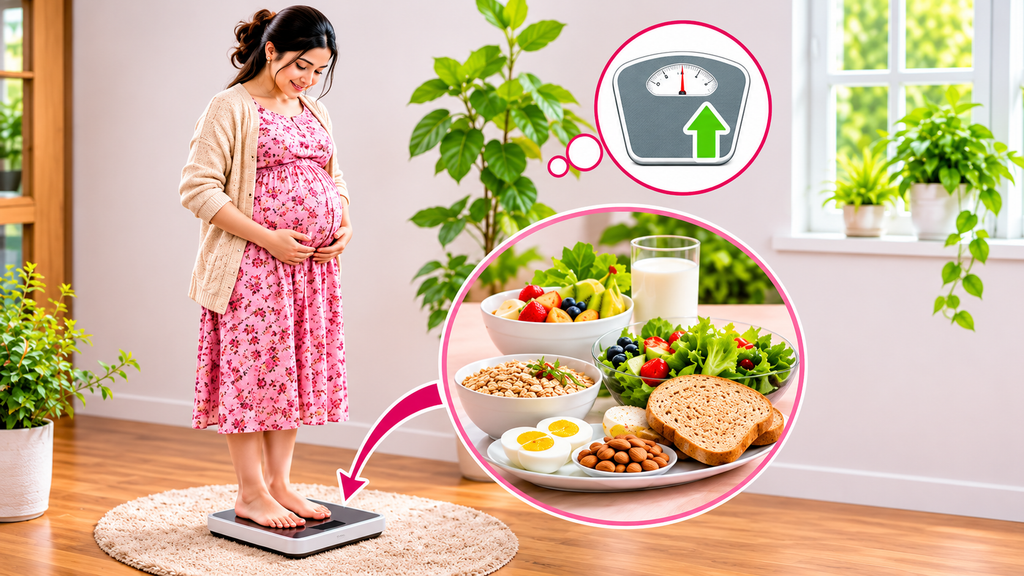
During the first three months, weight typically does not increase significantly. Some may experience a slight gain, while others might even lose a little weight due to morning sickness. Therefore, when following a First Trimester Diet, there is no need to judge the quality of your food intake solely based on changes in your weight.

The appropriate amount of weight gain throughout the entire pregnancy depends on your pre-pregnancy BMI.

Pre-Pregnancy BMIRecommended Total Weight Gain
Underweight (Below 18.5)28–40 lb
Normal Weight (18.5–24.9)25–35 lb
Overweight (25.0–29.9)15–25 lb
Obesity (30 or Above)11–20 lb

These are general guidelines, not individual targets. Recommendations for weight gain may differ in cases of twin pregnancies, pre-existing health conditions, or other complications. Therefore, do not attempt to control your weight by reducing your food intake on your own; instead, consult with your doctor.

Essential Nutrients for Your First Trimester Diet

During the early stages of pregnancy, many significant changes occur in the baby’s body. The initial development of the brain, spinal cord, heart, and other organs begins. Certain nutrients play a particularly important role during this period.

Folic Acid Is a Priority

Why is folic acid so important for the early development of a baby’s brain and nervous system?

It is a form of vitamin B9 that supports the proper development of the baby’s neural tube. Therefore, it is essential to prioritize folic acid as part of a healthy First Trimester Diet.

The CDC recommends that women who could become pregnant take 400 micrograms of folic acid daily. Ideally, this should be started at least one month before conception. While natural folate can be found in leafy greens, lentils, and legumes, you may need a prenatal vitamin containing folic acid—as advised by your doctor—to ensure your requirements are fully met.

Remember, consuming more does not provide additional benefits. Do not take multiple supplements simultaneously without a doctor’s guidance.

Iron and Vitamin C Work Together

Will consuming only iron-rich foods provide the body with enough iron?

Not always. During pregnancy, the body needs to produce extra blood to deliver oxygen to the baby, and iron plays a crucial role in this process. Consequently, the daily iron requirement during pregnancy increases to 27 milligrams.

A healthy first trimester diet can include meat, lentils, chickpeas, spinach, and iron-fortified foods. However, vitamin C is also essential to enhance iron absorption. For instance, you could add lemon juice to lentils, include tomatoes with chickpeas, or eat an orange alongside your cereal. Such simple adjustments help improve the absorption of iron from your food.

Calcium and Vitamin D for Strong Bones

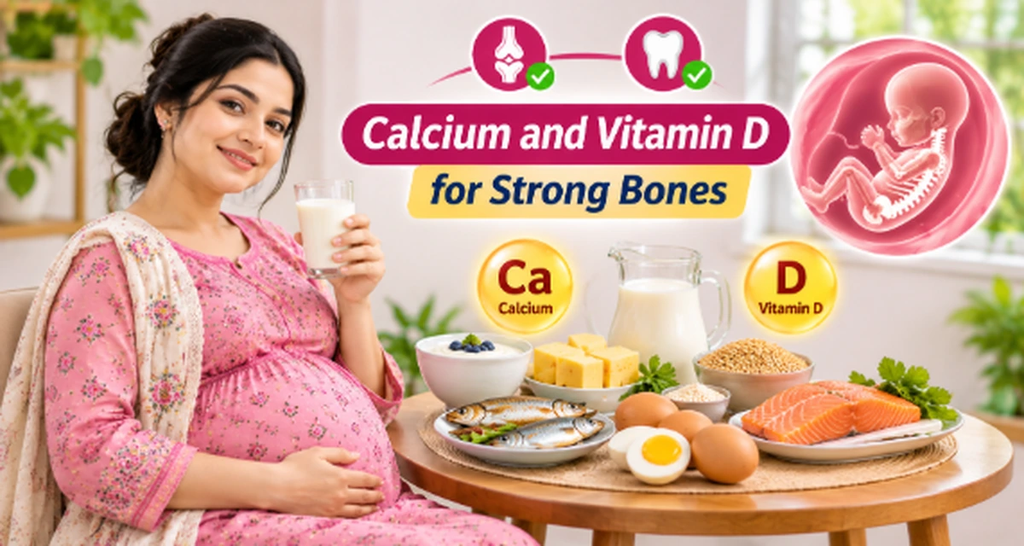
Calcium is essential for the development of a baby’s bones and teeth. It is also important for maintaining the health of your own bones. Pregnant women aged 19–50 require approximately 1,000 milligrams of calcium daily.

Good sources of calcium include milk, yogurt, cheese, small fish (eaten with their bones), sesame seeds, and calcium-fortified foods. Those who cannot consume milk should consult a doctor to explore alternative food options.

Additionally, vitamin D helps the body absorb calcium. It can be obtained from egg yolks, fatty fish, and vitamin D-fortified milk. Pregnant women (adults) require approximately 600 IU of vitamin D per day.

Omega-3 DHA and Vitamin A

DHA is a type of Omega-3 fatty acid that plays a role in the development of a child’s brain and eyes. Fish with low mercury content, such as salmon and sardines, are good sources of DHA. It is also added to some types of eggs and milk.

However, some caution is advised regarding Vitamin A. While Vitamin A is essential for normal physical growth and eye health, an excess of “preformed” Vitamin A can be harmful. It is found in particularly high amounts in liver and certain supplements.

The body can produce Vitamin A as needed from beta-carotene, which is found in carrots, sweet potatoes, and colorful vegetables. Therefore, ensure a varied diet and avoid taking extra Vitamin A supplements without consulting a doctor.

Best Foods to Eat in the First Trimester

It is not necessary to eat the same type of food every day during the first three months. Instead, it is better to choose foods from various food groups, as this provides an opportunity to obtain a wider range of nutrients.

It is entirely possible to create a healthy first trimester diet using familiar, locally available foods in Bangladesh.

Food GroupRecommended Food Choices
VegetablesSpinach, carrots, sweet potatoes, pumpkin
FruitsGuava, orange, banana, apple
ProteinEggs, fish, chicken, lentils, chickpeas
DairyMilk, yogurt, pasteurized cheese
Whole GrainsRed rice, oats, whole-wheat flatbread (roti)
Healthy FatsNuts, seeds, and low-mercury fish

Protein-Rich Foods

Protein is important for the development of a child’s cells and tissues. Essential protein can be obtained from eggs, fish, chicken, milk, lentils, chickpeas, and soybeans.

If the smell of meat causes nausea, you can try meeting your protein requirements for a while by consuming eggs, yogurt, or lentils. However, all food must be thoroughly cooked.

Fruits and Vegetables

Fruits and vegetables contain vitamins, minerals, and fiber. Guavas, oranges, and papayas are sources of vitamin C. Bananas and apples are easy to consume, and many people find them tolerable when experiencing nausea.

However, be sure to wash fruits and vegetables thoroughly before eating them. When preparing raw salads, use clean water and clean kitchen utensils.

A Simple First Trimester Meal Plan

Instead of worrying too much about what to eat every day, you can follow a simple routine. The list below is just an example; you may adjust your meals based on your appetite, personal preferences, and your doctor’s advice.

Meal TimeExample Foods
Before Getting UpPlain Crackers
BreakfastEggs, whole-wheat flatbread, and milk
Mid-MorningBanana or guava
LunchRice, fish, lentils, and vegetables
Afternoon SnackYogurt or nuts
DinnerRice or roti, chicken, and cooked vegetables
Evening SnackToast or fruit

Do you have to eat the exact same amount of food every day?

Not at all. During the First Trimester Diet, prioritize your own appetite and physical comfort. If you have a smaller appetite on any given day, you can eat smaller portions more frequently. And if a particular food doesn’t sit well with you, choose an alternative that offers similar nutritional value.

Foods to Avoid or Limit in Early Pregnancy


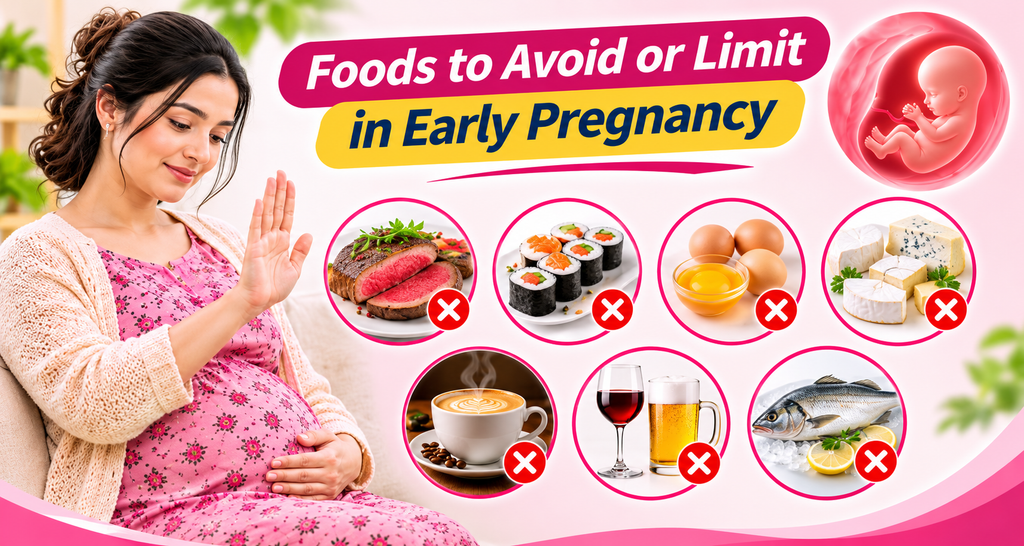
During pregnancy, the safety of food is just as important as its nutritional value. Some foods may contain germs or chemical substances that pose risks to both the mother and the baby.

According to the CDC, pregnant women are about 10 times more likely to contract a *Listeria* infection compared to the general healthy adult population. Therefore, it is essential to be cautious when selecting and storing food.

Food or DrinkWhat You Should Do
Raw or Undercooked MeatCook thoroughly before eating.
Raw EggsAvoid
Unpasteurized MilkChoose pasteurized milk
Unpasteurized Soft CheeseAvoid non-pasteurized cheese.
High-Mercury FishAvoid
Deli Meat and Hot DogsHeat to a temperature of 165°F or 74°C
AlcoholAvoid completely
CaffeineKeep it below 200 mg per day

Which Fish Should You Avoid?

During pregnancy, fish serves as a good source of protein and omega-3 fatty acids. However, mercury levels vary from one type of fish to another. Excessive mercury can be harmful to a baby’s developing nervous system.

According to FDA guidelines, pregnant women can consume 8–12 ounces (approximately 225–340 grams) per week of fish that are low in mercury.

Salmon, shrimp, cod, tilapia, and sardines are good choices. Conversely, fish such as king mackerel, marlin, orange roughy, shark, swordfish, Gulf of Mexico tilefish, and bigeye tuna should be avoided.

It is important to note that mercury levels differ among various types of tuna; therefore, it would be inaccurate to categorize all tuna as equally restricted.

How to Eat When Morning Sickness Hits

The most difficult thing for many mothers in the first three months is not eating, but keeping food in the stomach. Waking up in the morning may experience nausea, discomfort from the smell of cooking or not being able to eat even after seeing your favorite food.

According to ACOG, nausea during pregnancy can happen at any time of the day. It usually starts early and subsides by 14 weeks in most cases.

So what to do at such a time? First of all, remember that there is no need to panic even if the food list is not perfect for a few days. Try to eat small amounts of foods that are currently tolerated.

Choose Bland Foods

During this time, foods that are high in oil, spices, or strong odors may increase discomfort. Therefore, you might consider eating items such as rice, bread, potatoes, bananas, crackers, or plain toast.

If you can tolerate it, add a small amount of protein—for example, you could have peanut butter with toast or pasteurized cheese with crackers.

What If Prenatal Vitamins Make You Nauseous?

Sometimes, taking prenatal vitamins can increase feelings of nausea. If this happens, do not stop taking the vitamins on your own. Consult your doctor; they may suggest taking them at night, consuming them after a meal, or switching to a different type of supplement.

In some cases, your doctor might recommend vitamin B6 or other safe medications. Do not start taking any medication on your own.

Food Aversions and Cravings

Do you find that the smell of a food you once loved now makes you feel uncomfortable during pregnancy? Or perhaps you are experiencing sudden, unusual cravings for certain foods? Such food aversions and cravings can occur due to hormonal changes.

Pay attention to how your body reacts during this time. If you have trouble eating meat, try obtaining protein from sources like eggs, milk, yogurt, lentils, or chickpeas. If you don’t feel like eating vegetables, you might try consuming fruits or vegetable-based soups instead.

However, even if you develop a strong craving for a particular food, ensure that it does not replace your daily, nutritious meals. It is best to maintain variety in your diet.

When to Call Your Doctor or Midwife

Mild nausea or a loss of appetite is common during the first trimester. However, vomiting can sometimes become so severe that it leads to dehydration. This serious condition is known as Hyperemesis Gravidarum.

Contact your doctor if you experience any of the following symptoms.

SymptomWhat You Should Do
Inability to retain water for more than 8 hoursContact a doctor immediately.
Inability to retain food for more than 24 hoursConsult a doctor.
Decreased or concentrated urineThese can be signs of dehydration.
Dizziness or faintingSeek medical attention promptly.
Losing weightInform the doctor
Vomiting bloodSeek emergency medical attention
Severe abdominal pain or feverSeek medical advice promptly.

If you are unable to keep any food or liquid down, do not wait. If necessary, a doctor can provide fluids and other treatments to address dehydration.

Remember, you should not delay in seeking help. There are effective treatments for morning sickness, and safe medications can also be used if needed.

Final Thoughts

So, is it essential for every meal to be “perfect” during the first three months? Not at all. What matters is understanding your body’s needs and choosing food that is as nutritious and safe as possible.

Ensure a daily intake of folic acid, include foods rich in iron and calcium, opt for fish low in mercury, and avoid alcohol. On days when you experience nausea, try to eat small portions of whatever you can tolerate. The goal of following a “first trimester diet” is not to confine yourself to rigid, restrictive eating rules, but rather to cultivate mindful habits that support the well-being of both mother and baby.

And if there are days when you manage to eat nothing more than some rice, a banana, or a few crackers—do not blame yourself. Seek medical advice if necessary, and gradually return to your regular diet. Remember, in the journey of motherhood, the intention to care for yourself and your baby is far more important than striving for perfection.

Health Disclaimer: This article is intended for general health education purposes and is not a substitute for professional medical advice, diagnosis, or treatment. Always consult your doctor or a qualified healthcare professional before making any changes to your diet, prenatal vitamins, or supplements during pregnancy. Seek medical attention promptly if you notice any concerning symptoms.

Frequently Asked Questions About First Trimester Diet

What Should I Eat in My First Trimester?

During the first three months, you can consume fruits, vegetables, whole grains, eggs, fish, lentils, milk, and other protein-rich foods. Additionally, ensure you take prenatal vitamins containing folic acid, and focus on meeting your requirements for iron, calcium, and iodine.

Do I Need Extra Calories in the First Trimester?

Generally, no. There is no need for extra calorie intake during the first trimester. However, the body’s requirements increase during the second and third trimesters. Please discuss your individual needs with your doctor.

Is It Okay If I Can Only Eat Crackers and Toast?

Do not be alarmed if, due to nausea, you are only able to eat crackers or toast for a short period. However, if this continues for a long time, consult a doctor. Seek help promptly, especially if you are unable to retain fluids.

How Much Weight Should I Gain in the First Trimester?

Weight gain during the first three months is typically minimal. Some may experience a slight increase, while others might even lose weight due to nausea. The target for total weight gain throughout the pregnancy depends on your initial BMI and your overall health status.

Scroll to Top