
Get detailed knowledge about Infertility In Women. You can learn about its causes, symptoms and how to lead a healthy lifestyle to increase fertility naturally through today’s article.

Have you been trying to conceive for a long time but are not getting the expected results?
Many people are currently in the same situation mentioned. It is quite normal to get frustrated in this situation. However, it is very important for us to know the right information because only if the right problem of conceiving a child can be identified, then it will be possible to provide an effective solution.
The dream of becoming a mother is a very important chapter in the life of almost every woman in the world. But due to various physical problems or hormonal problems, obstacles can arise in pregnancy. Pregnancy problems have already started due to the unhealthy lifestyle of the present time. However, the idea that this temporary problem means that it is impossible to enjoy motherhood in the future is not entirely correct.
Many women of today have been able to successfully overcome these channels by developing modern medical methods and healthy habits. Therefore, it is very important to seek expert medical advice and realistic knowledge without having any misconceptions about this issue.
In our article today, we will discuss the possible causes of this disease, its early symptoms or risk factors, and the diagnosis method. Which are of course acceptable according to the advice of an expert doctor and the simple solutions will be mentioned very simply in this article.
Why Can Problems Occur During Pregnancy?
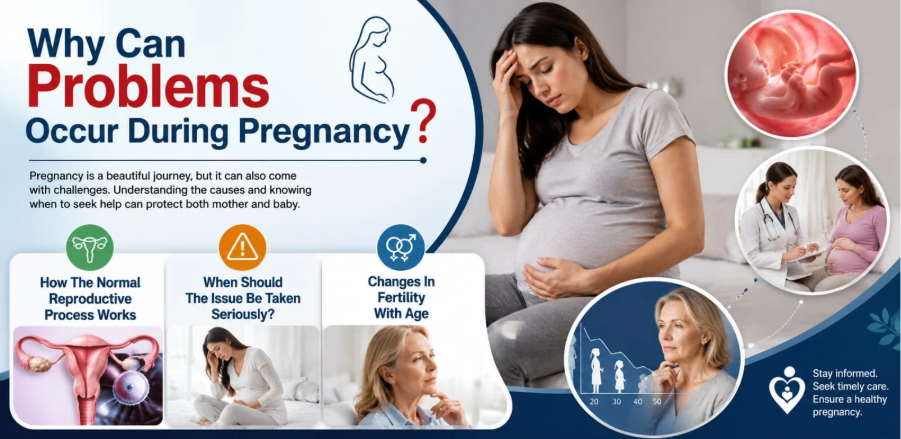
Infertility In Women This problem is most often caused by hormonal imbalance or irregular ovulation. In some cases, women are temporarily unable to have children due to problems with the fallopian tubes or due to some chronic complex diseases.
It is also related to increasing age. Sometimes, reproductive health can be affected due to excessive smoking or mental stress or due to unhealthy lifestyle.
If we cannot identify the causes at the right time, then various complications of having children in the long term can arise. If the disease is identified at the right time, following the doctor’s advice can be beneficial in many cases.
How The Normal Reproductive Process Works
If we observe the normal reproductive process, we see that a mature egg is released from the ovary every month. This egg is released from the ovary and reaches the fallopian tube. When a mature egg reaches the fallopian tube, if the egg meets the sperm, “a fertilized egg is formed”. This fertilized egg later goes to the uterus and attaches itself.
If the mother has the right balance of hormones and healthy ovaries and the fertilized egg attaches itself to the uterus normally, then there is a sure possibility of pregnancy. If there is a problem in any of the stages, various complications can arise during pregnancy.
When Should The Issue Be Taken Seriously?
We should not be concerned about Infertility In Women only when the problem comes to our attention. If pregnancy does not occur after one year of regular unprotected intercourse under the age of 34 or six months after the age of 34, then we must consult a specialist doctor.
Also, if there is irregular menstruation, severe pelvic pain or known reproductive diseases, treatment should be started as soon as possible by consulting a specialist doctor. If a decision is not made quickly on this matter, it is never possible to receive appropriate treatment.
Changes In Fertility With Age
| Age Stages | Changes In Fertility | Suggestions To Do |
| 20–29 years | Fertility is usually highest and egg quality is good. | Maintain a healthy lifestyle and get regular health checkups. |
| 30–34 years | Fertility gradually begins to decline, but most women can still conceive naturally. | If you are planning to get pregnant, it is best not to delay unnecessarily. |
| 35–37 years | The number and quality of eggs begin to decline rapidly, reducing the chances of pregnancy. | If you are unable to conceive after six months of trying, you should seek the advice of a specialist. |
| 38–40 years | The chances of pregnancy may decrease further and the risk of miscarriage or chromosomal complications may increase. | It is important to receive a prompt evaluation, necessary tests, and treatment plan. |
Note: This is a general guideline. Fertility changes can vary from person to person. Therefore, in addition to age, personal health, hormonal status, and medical history are equally important.
You may also read: caffeine before pregnancy
Early Signs And Warning Signs
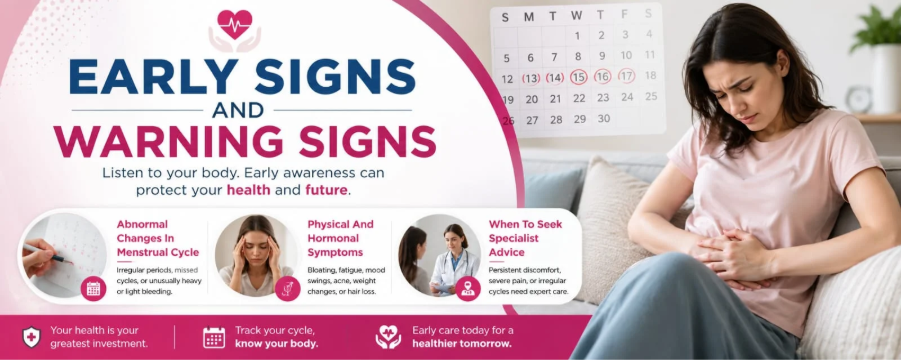
Infertility In Women is a subject that needs to be understood. Many times, various types of pregnancy-related problems can occur without any obvious symptoms in the beginning. However, pregnancy may not occur even after trying for a long time or the menstrual cycle may suddenly stop due to irregularity.
Also, prolonged pain in the lower abdomen or hormonal imbalance can cause various symptoms such as excessive hair growth and skin changes. Because these symptoms can be associated with pregnancy complications, they should never be taken lightly. If the diseases are identified in a short time, it becomes easier to receive appropriate treatment.
Abnormal Changes In Menstrual Cycle
Irregularity in the menstrual cycle is considered to be the most important sign of reproductive health. Long-term absence of menstruation, irregular bleeding (excessive bleeding or very little bleeding), changes in menstrual periods, and excessive pain during menstruation indicate a complex problem.
This problem is called ovulation problems. However, specific irregularities are not the only symptoms of the disease. A gynecologist should be consulted to diagnose these diseases.
Physical And Hormonal Symptoms
Infertility In Women often begins to manifest itself through physical and hormonal symptoms. Some hormonal symptoms include irregular or prolonged menstrual cycles, excessive bleeding, or abnormal hair growth.
Sometimes, symptoms such as thinning hair on the head can also be noticeable. In addition, if ovulation problems occur, pregnancy can be delayed. If you develop any of these symptoms, a specialist doctor can provide the appropriate diagnosis and treatment.
When To Seek Specialist Advice
| Symptoms Or Conditions | When To See A Doctor |
| Not Getting Pregnant Within 1 Year | (If you are under 35 years of age) |
| Not Getting Pregnant After 6 Months | (If you are 35 years old or older) |
| Irregular Or Absent Menstruation | Seek expert advice quickly. |
| Recurrent Miscarriage | Get tested to determine the cause. |
| Hormonal Symptoms | If you have excessive acne, hair growth, or unusual weight changes. |
How To Correctly Diagnose The Disease
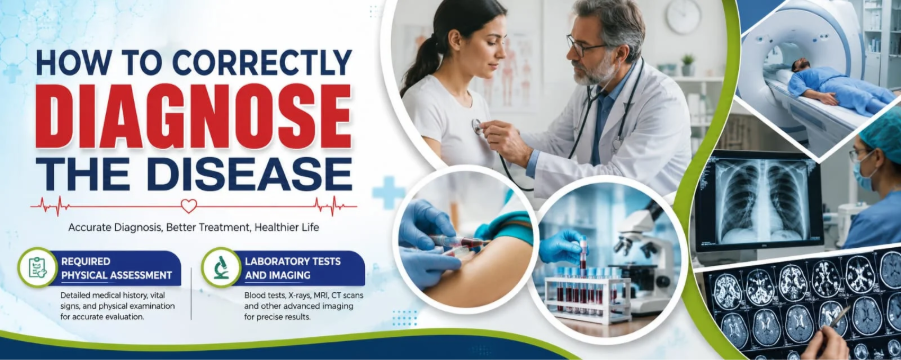
The correct diagnosis of Infertility In Women is not only made by looking at the symptoms, but also through various medical tests in a step-by-step manner. First, the doctor evaluates the patient’s health history, menstrual cycle, and lifestyle information. Then, as needed, hormone tests, ultrasound, ovulation monitoring, and fallopian tube function tests are performed. In addition, a semen test of the male partner is also important, because the cause of infertility can lie in both partners. Correct diagnosis is the first step in effective treatment.
Required Physical Assessment
A physical examination helps doctors identify the factors that may be responsible for infertility. During this time, the doctor evaluates height, weight, body mass index (BMI), blood pressure, and the overall condition of the reproductive organs. They also check for signs of excess hair, acne, thyroid problems, or hormonal imbalances.
This information serves as a guide for identifying the probable causes and determining the most appropriate diagnostic and treatment plan.
Laboratory Tests And Imaging
Laboratory tests and imaging play a very important role in diagnosing Infertility In Women. Blood tests evaluate hormone levels, thyroid function, and ovarian function. In addition, ultrasounds look at the structure of the uterus and ovaries, cysts, or fibroids.
If necessary, hysterosalpingography (HSG) is performed to check whether the fallopian tubes are open. The combined results of these tests help the doctor diagnose the exact cause and plan an effective treatment plan.
Effective Ways To Improve Reproductive Health Naturally

If we want to know about the process of improving the reproductive system naturally, then we must develop some good habits in our daily lives. We must constantly consume nutritious and healthy food and avoid excess fat or fatty foods. We must exercise regularly at a specific time and maintain a balance of adequate rest and sleep. Building the healthy habits discussed above can play an important role in balancing hormones.
In addition, we must avoid smoking, drinking alcohol or excessive alcohol. We must also keep ourselves stress-free.
In addition, we must drink enough water and eat vitamin-rich foods. The most important thing that must always be monitored is “regular menstrual cycle”. If there are problems related to pregnancy for a long time, then we must consult a fertility specialist doctor.
Along with this, we must live a healthy life, only if we are healthy, the chances of having a healthy child increase.
Nutritious Food And Essential Nutrients
Infertility In Women A nutritious diet plays an important role in preventing and maintaining good reproductive health. Including vegetables, seasonal fruits, whole grains, eggs, fish, milk, pulses and healthy fats in your daily diet will provide the body with the necessary nutrients.
In particular, folic acid, iron, zinc, vitamin D and omega-3 fatty acids help maintain normal hormone function and ovarian health. In addition, eating less excess sugar, processed foods and trans fats is equally beneficial.
Regular Exercise, Adequate Sleep And Stress Management
- At least 150 minutes of moderate exercise (such as brisk walking, cycling or swimming) a week helps maintain hormonal balance and improve reproductive health.
- Getting 7–9 hours of quality sleep a day is important for maintaining normal hormone secretion and fertility.
- Make time for meditation, yoga, breathing exercises or a favorite hobby, which can help increase mental peace and manage stress.
Medical Methods And Modern Solutions

Treatment for Infertility In Women is determined entirely based on the underlying cause of the problem. Medication may be used if there is a hormonal imbalance, appropriate treatment may be used if there is an infection, and surgery may be required for specific problems with the uterus or fallopian tubes.
If these methods are unsuccessful, modern assisted reproductive technologies such as IUI or IVF are considered. Early diagnosis, healthy lifestyle, and regular supervision by a specialist play an important role in increasing the chances of treatment success.
Drug And Hormone-Based Treatment
If there are specific reasons like ovulation problems or hormonal imbalance, we must take hormone control medications as per the advice of a specialist doctor. All the medications that play an effective role in the maturation of eggs and regular ovulation.
Also, taking medications as per the advice of a specialist doctor can restore normal hormonal function. However, one thing we have to keep in mind is that the same type of medication can never be suitable for every patient. Therefore, one should never take medication on their own. One should get tested first and take the right medication according to that test.
Surgery And Other Treatment Options
- Laparoscopy can be used to diagnose and treat endometriosis, cysts, or other problems.
- Hysteroscopy can be used to correct polyps, fibroids, or birth defects inside the uterus.
- If there is a blockage in the fallopian tubes, surgery is sometimes attempted to correct it.
- IUI (Intrauterine Insemination) is used in some cases to increase the chances of pregnancy.
Conclusion
Infertility In Women Having the right knowledge about the subject and taking the right steps at the right time, it is possible to maintain reproductive health at all times. Due to healthy reproductive health, infertility is reduced and the dream of motherhood is fulfilled. In many cases, if the diseases can be diagnosed early, it is possible to lead a healthy life with little treatment.
Along with this, reproductive ability can be maintained well by constantly forming some good habits. For example, eating a balanced diet and controlling stress, as well as avoiding unhealthy habits, results can be obtained very quickly. Along with this, if there is a problem with that normal change in the menstrual cycle or pregnancy for a long time, one should definitely seek the advice of a specialist doctor.