
If you were to ask parents what they miss most about their life before having children, many would say: an uninterrupted, peaceful night’s sleep. Between late-night feedings, waking up at 3:00 AM to tend to a child, managing school runs, and balancing work, many mothers suffer from a chronic lack of sleep for years. Even when the rest of the family is fast asleep, a mother’s mind often continues to race. In the midst of such exhaustion, if you come across an advertisement for a product that promises a good night’s sleep with just a few drops, can it truly provide relief? It is this very question that sparks interest in YU SLEEP.
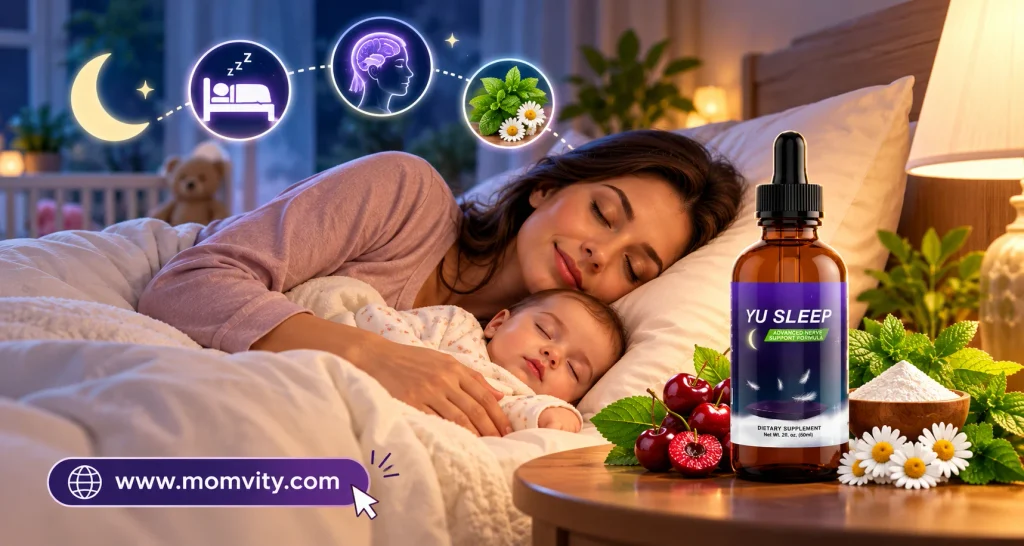
This article explores the ‘YU SLEEP‘ product from a parent’s perspective, providing various insights into it; it also details the materials used in its construction and explains their potential impact on sleep. You will learn in detail when you should use this product and when you should avoid it. Additionally, detailed information will be provided on how to use the product during pregnancy, along with safety precautions and the importance of keeping it out of the reach of curious children. You can read this article to get comprehensive information, including a full list of products and details regarding their packaging.
However, just because an advertisement highlights only the positive aspects and promises a good night’s sleep, it does not mean that the product will work the same way for everyone or that it is safe for every individual; it is certainly not wrong to consider this.
What YU SLEEP Actually Is
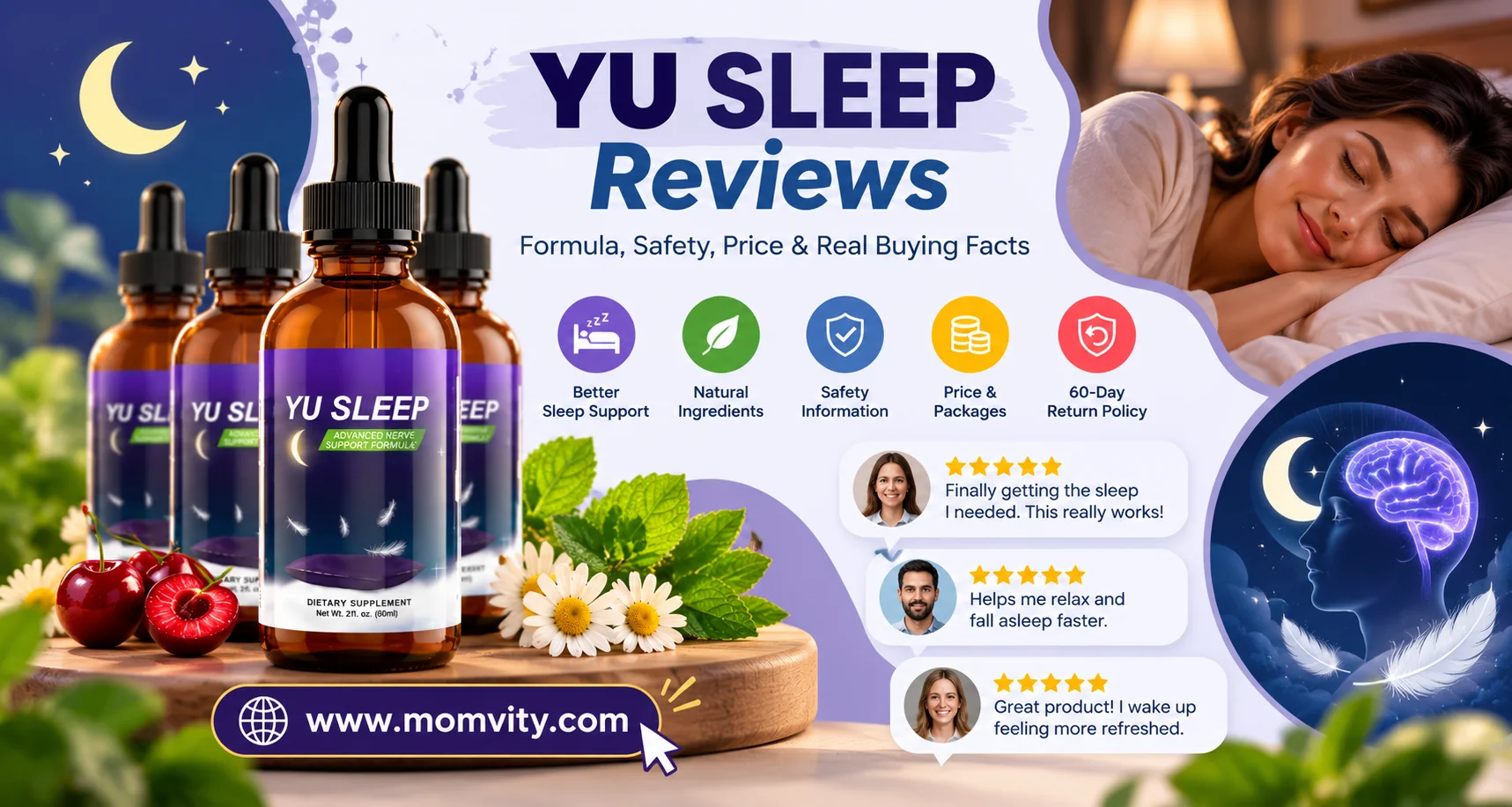
The aforementioned supplement is a liquid dietary supplement that is administered using a dropper and is marketed in a bottle. The creators of this product or supplement claim that taking it regularly will help establish a nighttime sleep routine. However, if you consider this to be a medicine, you are completely mistaken, as it has not been marketed as a treatment for sleep problems. You can purchase this product directly from its official page via ClickBank, without any hassle. When purchasing from the product’s official website, be sure to familiarize yourself with the details regarding bonuses and the refund process, in accordance with the terms and conditions stated on the page at the time of your order.
| What Is in One 2 mL Serving | Amount |
| Melatonin | 0.9 mg |
| Vitamin B2 | 0.5 mg |
| Vitamin B6 | 0.5 mg |
| Proprietary blend | 637 mg total |
The proprietary blend includes red tart cherry concentrate, magnesium glycinate, apigenin, lemon balm extract (Melissa officinalis), L-theanine, GABA and 5-HTP from Griffonia seed extract. The individual amount of each of these seven ingredients is not published.
Why Moms End Up Searching for Sleep Help
Lack of sleep during motherhood is rarely due to a single cause. In the first few months, mothers often have to wake up repeatedly to feed their newborns or soothe them when they cry. However, even as a baby’s sleep patterns evolve over time, a mother may continue to struggle with her own sleep. If you find yourself unable to sleep even when your baby is resting soundly through the night, what could be the reason?
People today are increasingly prone to waking up in the middle of the night—sometimes due to worries about work—which makes it difficult for them to fall back asleep. This issue can also be triggered by mental stress. Additionally, hormonal changes following childbirth can lead to sleep disturbances.
That difference matters when thinking about a product like YU SLEEP. A supplement cannot do anything about a baby who needs feeding at night, and it should never be used in a way that makes it harder for you to wake when your child needs you. Where it might fit, for some mothers who are not pregnant or breastfeeding and have no medication conflicts, is the “tired but wired” problem, when the body is exhausted but the mind will not settle.
A Closer Look at the YU SLEEP Ingredients Through a Parent’s Lens
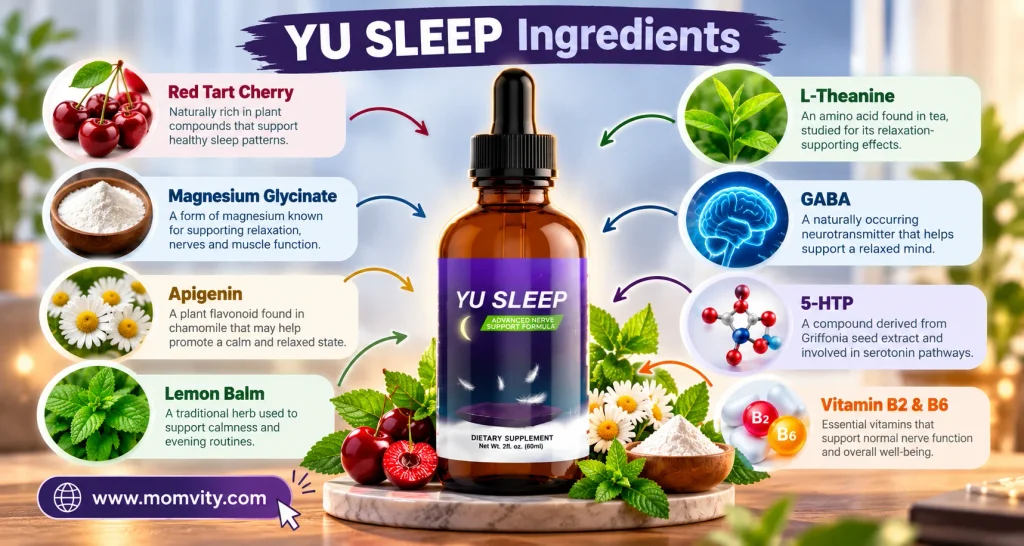
The formula can be easier to understand if you think of its ingredients in three loose groups, each linked to a different side of sleep research. All of the research mentioned below refers to individual ingredients, not to the finished YU SLEEP product.
Melatonin and Your Body Clock
Melatonin is a hormone the body makes as evening light fades. It acts more like a signal telling your internal clock that night has arrived than a knockout sedative. The National Center for Complementary and Integrative Health notes that melatonin has its clearest support for body-clock problems such as jet lag and delayed sleep timing, while the benefit for general insomnia in adults appears to be small.
The 0.9 mg serving in YU SLEEP is at the lower end of the over-the-counter range, where many products contain anywhere from 1 mg to 10 mg. For a parent, a lower dose may sound appealing because higher doses are more often linked with next-morning grogginess in some people. Still, any melatonin product can make you drowsy, which is a real consideration if you are the one responding to a child during the night.
The Wind-Down Ingredients
Lemon balm is a medicinal herb with a long-standing tradition of use as a soothing tea. Several studies have already been conducted on certain extracts of this plant in relation to its calming and sleep-inducing effects—effects that are largely comparable to those of valerian. This supplement is formulated using L-theanine—an amino acid found in green and black tea—which has been used in research to promote relaxation without causing excessive drowsiness. And in each study, approximately 200 mg of L-theanine was used.
We should also be aware that GABA serves as the brain’s primary calming signal, and this has been demonstrated even in small-scale studies involving oral GABA supplements. Although researchers have not yet been able to determine how much of the tablet reaches the brain after it is taken orally.
Research on magnesium and sleep has produced mixed results, much of it in older adults.
The Pathway Ingredients
Tart cherry naturally contains small amounts of melatonin, and a few small studies have looked at tart cherry juice in relation to sleep. 5-HTP is the building block your body uses to make serotonin, which is later converted into melatonin. Vitamin B6 helps with the step that turns 5-HTP into serotonin, and vitamin B2 helps the body activate vitamin B6. On paper, this is a logical chain.
The Proprietary Blend Question
Because the 637 mg blend is shared between seven ingredients with no individual amounts listed, it is impossible to tell whether any one of them reaches the amounts used in research. If studies on L-theanine often use around 200 mg, for example, the label alone cannot tell you whether this formula gets anywhere near that. The same uncertainty applies to magnesium and lemon balm.
That does not prove the product will not help anyone. It simply means you cannot judge its likely effect by reading studies on the separate ingredients. The one sleep-related number you can rely on is the 0.9 mg of melatonin.
Pregnancy, Breastfeeding and YU SLEEP
This is the section many general reviews skip, and it is the one that matters most for a parenting audience.
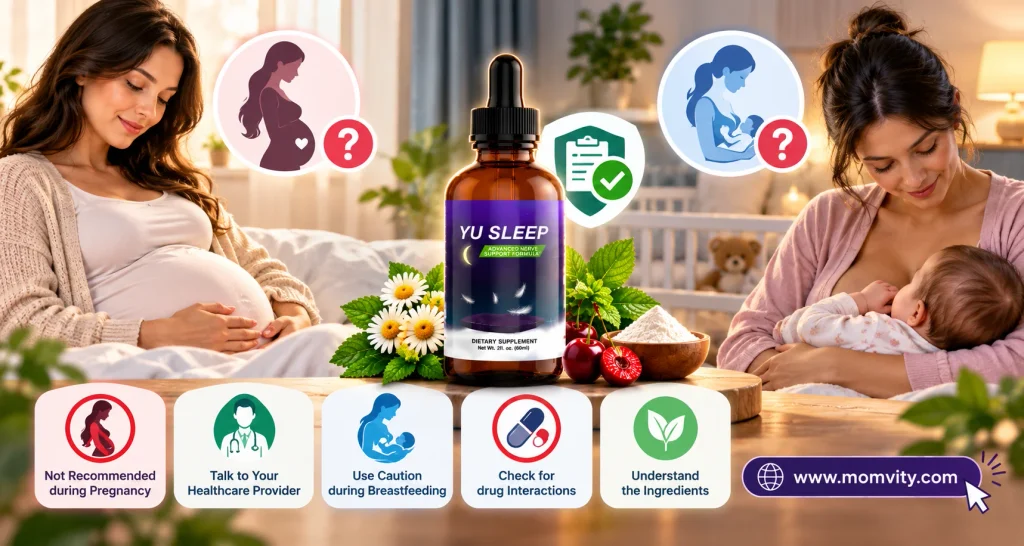
Pregnant and breastfeeding women should talk to a doctor before using YU SLEEP. Melatonin, 5-HTP, GABA and several of the herbal ingredients have not been well studied in pregnancy or during breastfeeding, and some ingredients may pass into breast milk. The lack of safety data is reason enough to treat this as a conversation for your obstetrician, midwife or pediatrician rather than a decision to make alone. The fact that a product is described as plant-based or natural does not establish that it is safe during pregnancy or nursing.
Sleep trouble in pregnancy and the postpartum period also deserves its own attention. Discomfort, heartburn, restless legs, frequent urination and anxiety can all disturb sleep while pregnant, and new parents can develop postpartum depression or anxiety, which often shows up first as an inability to sleep even when the baby is asleep. If you are lying awake with racing worries, feeling persistently low or hopeless, or not recognizing yourself, please speak with your healthcare provider. That is a medical concern, not a supplement problem.
When You Are the Night-Time Parent
Even if you are not breastfeeding, think honestly about your night role before taking any sleep supplement. If you are the parent who hears the baby monitor, comforts a toddler after a bad dream or checks on a sick child, anything that makes you groggier could affect how quickly and clearly you respond.
Infant safe-sleep guidance from the American Academy of Pediatrics specifically warns against bed-sharing when a parent has taken anything that causes drowsiness. If your baby sometimes ends up in your bed during the night, that is an important reason to avoid sleep supplements or to talk it through with your pediatrician first. Some couples handle this by deciding that only the off-duty parent on a given night would consider a supplement, but that is a personal decision best made with medical advice.
Keep YU SLEEP Out of Reach of Children
A small dropper bottle can look a lot like children’s medicine, and liquids are easy for a child to drink quickly. The Centers for Disease Control and Prevention has reported a sharp rise in accidental melatonin ingestions among young children over the past decade, many of them involving products found at home.
Store YU SLEEP high up, out of sight and away from the bathroom counter or bedside table, close the cap fully after each use, and never refer to any supplement as a treat or “sleepy juice” in front of children. If a child swallows some, call your local poison control center or seek medical help right away. The product is designed for adults and should not be given to children.
Medications and Health Conditions to Think About
Sleep deprivation during motherhood is rarely the result of a single cause. In the first few months after a baby is born, mothers often have to wake up repeatedly to feed their infant or soothe them when they cry. Even as the baby’s sleep patterns evolve over time, the mother may continue to struggle with sleep. If you find yourself unable to sleep—even when your baby is resting soundly through the night—what could be the reason?
In fact, you should avoid anything that might impair your ability to wake up when your baby needs you. For mothers who are not pregnant, not breastfeeding, and for whom there is no risk of adverse interactions with other medications, it is important to carefully evaluate the underlying causes of their sleep issues and the safety of the product before making a decision. After all, the reasons why the mind remains restless—even when the body is exhausted—can vary significantly from person to person.
Who YU SLEEP May Suit and Who Should Pass
| May Be Worth Discussing With Your Doctor If You | Probably Not the Right Choice If You |
| Are not pregnant or breastfeeding | Are pregnant, trying to conceive or nursing without medical approval |
| Struggle mainly to switch off at night | Take antidepressants or serotonergic medicines without medical advice |
| Prefer a liquid over capsules | Need to wake fully and quickly for a baby or child at night |
| Want a lower melatonin dose | Sometimes share your bed with an infant |
| Are comfortable with an undisclosed blend | Want every ingredient amount clearly listed |
How YU SLEEP Is Meant to Be Used
The manufacturer’s published directions are to take 2 mL, about two full droppers, around 30 minutes before bedtime, or to follow the directions printed on the bottle. If the label you receive differs from information online, the bottle’s directions should take priority.
For a mom, timing matters more than many people realize. Taking it at the same time each evening, once the children are settled and you are actually ready for bed, makes more sense than taking it early and then staying up folding laundry. Melatonin works best alongside darkness, so dimming lights and putting your phone away fits naturally with the 30-minute window.
Small Habits That Help Tired Parents Sleep
No supplement can replace the basics, and for many mothers these simple changes make a bigger difference than any product.
Try to keep a fairly regular bedtime, even on weekends, and protect the last half hour before bed from work emails and social media. Cut off caffeine by early afternoon, since the coffee that rescues you at 3 p.m. may still be working at 11 p.m. A short “brain dump” before bed, writing tomorrow’s to-do list on paper, can quiet the mental replay that keeps many parents awake. Keep the bedroom cool, dark and quiet as far as family life allows. If you have a partner, sharing night duties on a rota can give each of you some protected stretches of sleep, which often helps more than anything taken from a bottle.
YU SLEEP Cost and What It Means for a Family Budget
Previously published offers listed the following packages. These are historical reference prices only, and the current price, shipping and any bonuses must be checked on the official offer page before you order.
| Package | Approximate Supply | Previously Published Price | Approximate Cost Per Night |
| 1 bottle | About 1 month | $69 | $2.30 |
| 3 bottles | About 3 months | $177 | $1.97 |
| 6 bottles | About 6 months | $234 | $1.30 |
The six-bottle package has the lowest cost per night, but it is a larger upfront spend for a product you have not tried yet. For most first-time buyers, especially those who have never taken melatonin or 5-HTP, starting with a smaller order is the more cautious approach.
The manufacturer’s August 2026 announcement describes a 60-day return period starting from the purchase date. You must contact support for approval before sending anything back, and all bottles from the order must be returned, including used or empty ones. Return shipping costs and any deductions should be confirmed directly with the vendor. Note your purchase date, save your order confirmation and read the terms attached to your specific order, particularly if the checkout offers a subscription. You can review the package options and the link to the current offer on the YU SLEEP review page.
Buying from the official offer page is the safest option, since listings on third-party marketplaces may not be covered by the vendor’s return policy.
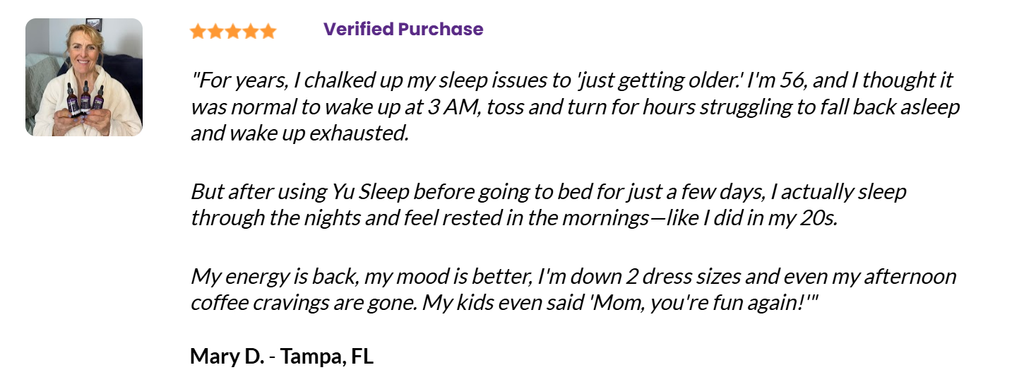
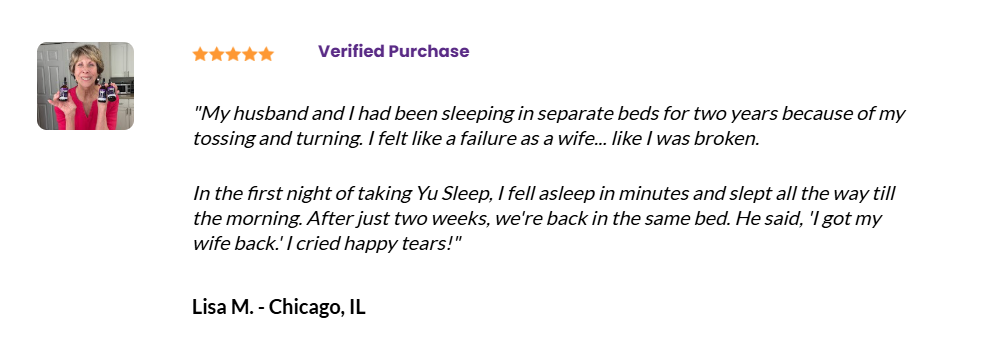
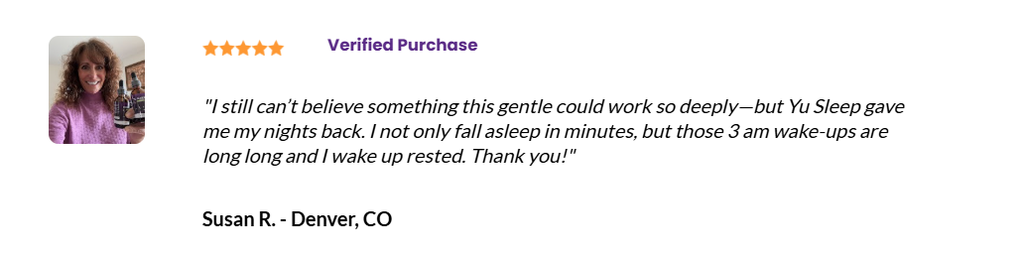
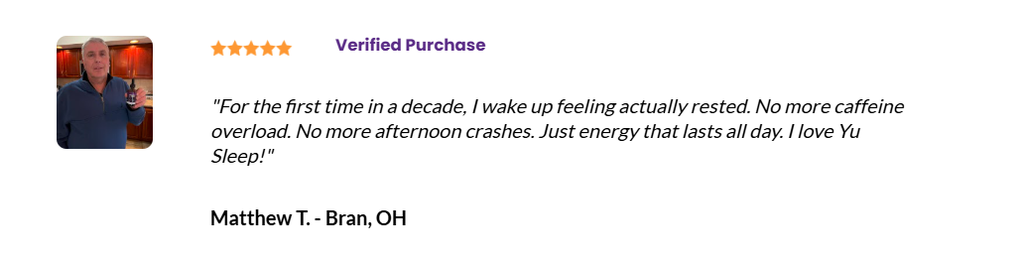
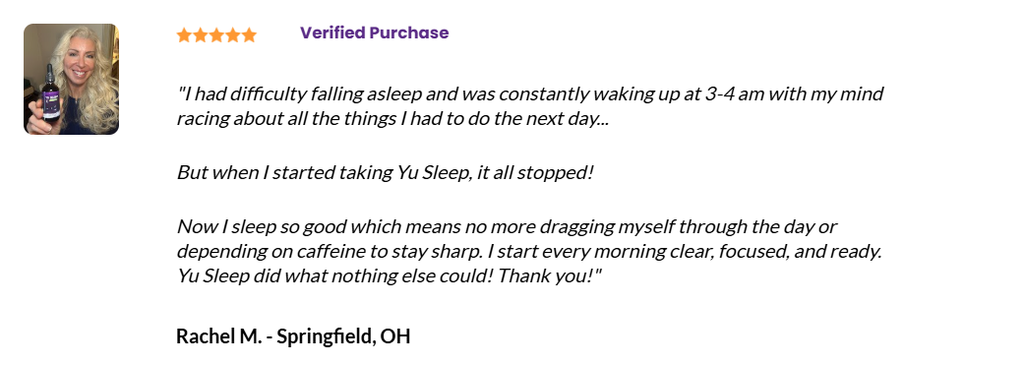
YU SLEEP Customer Reviews
Final Thoughts on YU SLEEP for Moms
YU SLEEP is a liquid bedtime formula built around a modest 0.9 mg melatonin dose, vitamins B2 and B6 and a seven-ingredient blend focused on relaxation. The ingredient choices make sense on paper, but the undisclosed amounts in the 637 mg blend and the absence of an independent clinical trial on the finished product mean expectations should stay realistic.
For a mother who is not pregnant or breastfeeding, takes no conflicting medication, is not the one waking for a child at night and mainly struggles to quiet her mind at bedtime, YU SLEEP may be worth discussing with a healthcare provider, with the 60-day return window offering some reassurance. For mothers who are expecting, nursing, taking antidepressants or caring for a baby overnight, the safer path is to speak with a doctor first and focus on routine, support and proper care for any ongoing sleep problem.
This article contains affiliate links, and Momvity may earn a commission at no extra cost to you. It is for general information only and does not replace advice from a qualified healthcare professional.
Frequently Asked Questions
Can I take YU SLEEP while pregnant?
Pregnant women should talk to their doctor or midwife before using YU SLEEP. Several of its ingredients, including melatonin and 5-HTP, have limited safety research in pregnancy. A doctor can help you weigh any risks and look at other causes of poor sleep.
Is YU SLEEP safe while breastfeeding?
Breastfeeding mothers should speak with a healthcare provider before using YU SLEEP. Some ingredients may pass into breast milk, and safety data during nursing are limited. Your doctor or pediatrician is the right person to advise you.
Can YU SLEEP help with postpartum sleep problems?
YU SLEEP has not been studied for postpartum sleep, and it cannot address night feeds or hormonal and emotional changes after birth. Trouble sleeping even when the baby is asleep can be a sign of postpartum anxiety or depression. Please raise it with your healthcare provider.
How much melatonin is in YU SLEEP?
Each 2 mL serving contains 0.9 mg of melatonin, according to the manufacturer’s August 2026 disclosure. This is lower than many over-the-counter melatonin products. Always check the label on the bottle you receive.
Is it safe to take YU SLEEP if I care for my baby at night?
Any supplement that causes drowsiness may make it harder to wake fully and respond quickly. Safe-sleep guidance warns against bed-sharing with an infant after taking anything sedating. Talk to your doctor before using it if you are the night-time caregiver.
Can YU SLEEP be taken with antidepressants?
People taking antidepressants or other serotonergic medicines should consult a healthcare professional first. YU SLEEP contains 5-HTP, which affects serotonin and can interact with these medicines. Melatonin may also interact with several other prescriptions.
Can children take YU SLEEP?
No. YU SLEEP is intended for adults and should be kept out of children’s reach. If a child swallows any, contact poison control or seek medical help right away.
How much does YU SLEEP cost?
Previously published prices were $69 for one bottle, $177 for three bottles and $234 for six bottles. These are historical figures only. Check the official offer page for current pricing, shipping and bonuses.
What is the YU SLEEP return policy?
The manufacturer describes a 60-day return period from the purchase date. You must contact support for approval and return all bottles from the order, including empty ones. Confirm return shipping costs and any deductions with the vendor before sending anything back.