
Nusrat Ayaan | Momvity

​Balanced diet during pregnancy

The Importance of a Balanced diet during pregnancy for a Healthy Baby

​Balanced diet during pregnancy is essential for the mother’s health and the proper physical and mental development of the growing baby.

​Since you became a mother, your life has not been the same. Now you have to think about your unborn child at every step. Do you know that what is on your daily plate is directly shaping the body structure of your baby? Many people give a lot of advice at this time, but in fact, knowing the right rules is very important.

If you do not eat properly, your body will become weak and the growth of your baby may be hindered. Your baby’s future immunity will be built based on what you eat for these nine months. So, it is not right to neglect any food.

​Many people think that during pregnancy, you have to eat food for two, but in fact, the quality of food is more important than the quantity. Have you ever wondered why you develop aversion to certain foods during this time? In fact, the body is signaling you what additional nutrients it needs now.

If your daily food list does not contain all kinds of nutrients, you will feel tired very quickly. So, there is no alternative to nutritious food to keep yourself fresh during this important period of life and ensure the right weight of the baby.

Increases the mother’s body’s strength and immunity

  • ​Strength: A new life is growing inside your body now, so you need extra calories and energy every day.
  • ​Safety: By eating foods with the right vitamins, your body can fight off external germs and you will be less likely to get sick.
  • ​Blood: Eating foods with iron helps the body produce enough blood, which helps the oxygen reach the baby the most.
  • ​Digestion: Eating foods rich in fiber or ash makes it very easy to get rid of annoying problems like constipation, which is a great thing.

​Ways to develop your child’s bones and brain properly

​Calcium is very important for the formation of your child’s bones, which can weaken your child’s bones if you don’t get it. Do you know that including Omega-3 in your diet can improve your child’s eyesight and intelligence? Pulses or protein foods help build your child’s muscles. So it would be wise for you to have variety in your daily diet.

Which foods are essential to keep in your daily list?

​From your breakfast to dinner, every meal should be nutritious and healthy. To follow a balanced diet during pregnancy, you need to give up the illusion of outside food today. Are you sure that the food you are eating has enough protein and minerals? Always try to decorate your plate with fresh and local fruits and vegetables.

Magical benefits of protein and iron-rich foods

​Fish: Marine fish or local small fish meet the protein needs of the baby and contain a lot of iodine, which is effective.

  • ​Egg: Eating one boiled egg every day provides all the amino acids required by the body, which helps in the growth of the baby.
  • ​Vegetables: Colorful vegetables like spinach or red leafy vegetables will work like magic to increase hemoglobin in your body at this time.
  • ​Fruit: Eating sour fruits like lemons or oranges helps your body absorb iron a lot.

​Why is the need for dairy products and calcium so high?

​Eating milk or yogurt will not cause calcium deficiency in your body and will strengthen your baby’s teeth and bones. Did you know that due to lack of calcium, many people may experience dental problems or leg pain during pregnancy?

Therefore, it is possible to stay away from these problems by eating dairy products regularly. Eating yogurt increases digestion and reduces the chances of stomach gas.

Easy tips to increase baby weight through food

​During pregnancy, every mother wants her baby to be healthy and of the right weight, which is something she never has to worry about. The weight of your unborn baby depends mainly on the type of nutrition you are consuming every day.

Did you know that the baby’s weight does not increase by eating more food alone, but choosing nutritious calories is the most important thing? Many times it is seen that the mother is eating a lot but the baby is not gaining weight because the food lacks sufficient protein or healthy fats.

To ensure a balanced diet during pregnancy, you need to choose foods that directly provide energy to the baby’s cells and help it grow faster.

​To increase the baby’s weight, it is very important to include protein-rich foods such as eggs, fish and pulses in your daily menu. Have you ever wondered why doctors advise drinking at least one glass of milk every day during this time? In fact, the calcium and protein in milk increase the bone density of the baby, which plays a major role in weight gain.

Apart from this, eating different types of nuts like almonds or cashews in small amounts repeatedly helps in increasing both the brain development and weight of the baby. Carbohydrate foods like sweet potatoes or bananas also work like magic to keep the baby healthy. Remember that worrying or putting the body under excessive stress can slow down the baby’s weight gain. So, along with nutritious food, ensuring adequate sleep and rest is your biggest responsibility now.

How to overcome the worry of excess weight during pregnancy?

Many people think that the more you eat during this time, the better, but in fact, excess weight can be dangerous for you. If you follow a balanced diet during pregnancy, your weight will be under control and your body will feel lighter. Have you noticed that eating too much fried food increases heartburn or acidity? In fact, the digestion process slows down a bit during pregnancy, so it is wise to avoid spicy foods.

At this time, it is more important to pay attention to the proper nutrition of the baby than to your excess weight.

Determining the correct amount of carbohydrates and fats per day

  • ​Rice: Eating red rice instead of white rice will keep your body energized for a long time and will not increase blood sugar.
  • ​Bread: Eating light flour bread at night improves digestion and prevents abnormal weight gain, which is very good.
  • ​Oil: Using a little olive oil or mustard oil instead of soybean oil in cooking is much more beneficial for health.
  • ​Sugar: Sweet foods or excess sugar increase body weight and create a risk of diabetes during 

pregnancy.

​Secret trick to maintain water balance in the body during pregnancy

​Water Drinking at least three to four liters of pure water a day will help flush out toxins from your body. Did you know that if you don’t drink enough water, you are more likely to get a urinary tract infection during this time? Coconut water or homemade fruit juice will keep your body’s electrolyte balance in check. If you have a habit of drinking tea or coffee, reduce it because caffeine dehydrates the body, which is harmful.

What precautions should you take while eating fish and meat?

​You may love eating non-vegetarian food, but there are some rules to follow before eating them during pregnancy. To ensure a balanced diet during pregnancy, you need to make sure that the fish or meat is cooked thoroughly. Are you sure that there are no raw parts left in your cooking that can spread bacteria?

Eating undercooked meat or eggs can cause serious infections in your stomach, which is not good for the baby at all.

Reasons to avoid marine fish and foods high in mercury

  • ​Mercury: Some large marine fish contain a lot of mercury, which can cause major obstacles to the development of the baby’s nervous system.
  • ​Hilsha: Small hilsha or fresh fish from rivers and ponds is the safest and best source to meet your protein needs.
  • ​Liver: It is not advisable to eat beef liver more than once a week because it contains excess vitamin A, which can be harmful.
  • ​Cleanliness: Fish and meat should be washed very well before cooking so that no germs stick to the food.

Proper rules and requirements for washing vegetables and fruits

​Vegetables and fruits brought from the market can often contain formalin or pesticides, which can cause problems in the development of children. Did you know that soaking vegetables in lightly salted water can clean out a lot of the toxins? Always try to peel the fruit while eating it so that bacteria do not enter the stomach. Eating fresh vegetables increases the amount of antioxidants in the body, which helps keep you fresh all the time.

What is good for breakfast and afternoon snack?

​Having a light snack between three big meals keeps your body’s sugar levels stable and reduces dizziness. To maintain a balanced diet during pregnancy, you should choose natural foods instead of biscuits or cakes for afternoon snacks. Have you noticed that your body feels very weak or restless if you don’t eat anything in the afternoon? In fact, these small meals help your body to provide energy for the whole day.

Why is it important to change the dinner menu?

​The last meal of the day has a big impact on the quality of your sleep, which is very important during pregnancy. Balanced diet during pregnancy is complete when you finish your dinner at least two to three hours before going to bed. Have you noticed that eating late at night increases the problem of heartburn or gas?

In fact, during pregnancy, the stomach takes longer to digest food, so it is wise to choose light meals at night. During this time, your dinner should have the right combination of protein and complex carbohydrates, which will keep the body calm.

Some special foods that help for a restful sleep

  • ​Soup: Eating vegetable soup or light broth-like foods at night is very fast-digesting and keeps the body hydrated.
  • ​Almonds: Eating a few almonds before bed helps the magnesium in them relax your muscles and help you sleep better.
  • ​Milk: Drinking a glass of lukewarm milk, the tryptophan in it calms your brain and sends signals for deep sleep.
  • ​Grains: Eating red flour bread or oats at night keeps your blood sugar levels stable, which is good for the development of the child.

Reasons to avoid drinking tea or excess water at night

​Many people wake up due to frequent trips to the toilet at night, which is quite annoying during pregnancy. Did you know that drinking too much water before bed can put extra pressure on your kidneys, which is absolutely not recommended?

Avoid caffeine or coffee at night because it can increase your and your baby’s heart rate and cause insomnia. Drink more water during the day and only drink enough water to quench your thirst at night.

What precautions are necessary when drinking home remedies and herbal teas?

​Many people recommend drinking various herbal teas or ginger tea during pregnancy, which helps reduce nausea. It would not be right for you to take any herbal ingredient in excess while following a balanced diet during pregnancy.

Are you sure that the herbal tea you are drinking is not having any effect on the uterus? Some specific herbal ingredients can increase the pain of premature labor, which is risky for your unborn child.

Health benefits of limited use of ginger and mint leaves

  • ​Nausea: Drinking ginger tea after waking up in the morning can greatly reduce nausea or weakness in early pregnancy.
  • ​Digestion: Chewing a few mint leaves after meals can reduce the feeling of empty stomach and keep the mouth fresh, which is good.
  • ​Caution: Avoid drinking more than two cups of ginger or lemon tea a day as excessive sourness or bitterness is harmful.
  • ​Tip: It would be safest to talk to your gynecologist before starting any new home-made drink.

​The right way to take vitamin and mineral supplements during pregnancy

It is often difficult to get all the nutrients from food, so doctors prescribe iron or calcium pills. Did you know that taking these pills on an empty stomach can cause vomiting in many people, so it is better to take them on a full stomach?

Do not take calcium and iron pills together because they can interfere with each other’s absorption process, which is strange. If you take these supplements according to the rules, one hour before or after meals, you will not have any fear of anemia.

How to control your food while going out?

​When you are invited at home or at a relative’s house, it is quite difficult to control yourself after seeing extra oily and spicy food. To make Balanced diet during pregnancy successful, you have to arrange your plate very carefully even at the invitation so that your stomach does not get upset.

Have you ever thought that one heavy meal outside can ruin your entire week’s diet chart?

Eat more salads or vegetables and try to avoid sweet foods or cold drinks as much as possible.

Importance of carrying dry food and safe water while traveling

​Eating open food outside while traveling means putting yourself at risk of major stomach ailments which is fatal. To maintain a balanced diet during pregnancy, you should always keep some dry fruits like nuts or apples in your bag. Do you know that old water in plastic bottles can harm your hormones, so keep water in glass bottles? If you always keep food close to your hand, you will not be afraid of sudden drops in blood sugar, which is very useful.

​Conclusion

​Balanced diet during pregnancy is not just a food list but an investment in your child’s beautiful future that you make every day. Every moment of these nine months is priceless and what you consume directly affects every cell of your baby’s body. By eating the right food, you are not only keeping your baby healthy but also paving the way for your own speedy recovery after delivery.

Your body is doing a miracle now, so giving it adequate nutrition and rest should be your main responsibility. Be aware of food but don’t worry too much because being happy is more effective than nutrition. Remember, only a healthy mother can guarantee a healthy and beautiful generation, so take care of yourself from the heart.

I always wish that the days of your unborn child’s arrival are joyful and safe.

​Frequently Asked Questions (FAQ)

​Can pineapple or papaya be eaten during pregnancy?

Raw papaya or excess pineapple can increase uterine contractions, so it is safe and better to avoid it.

​How often should you eat?

It is best to eat small, nutritious meals every 2-3 hours rather than eating too much at once.

​Can coconut water be consumed every day?

Yes, coconut water is a great source of electrolytes that help keep your body cool and hydrated.

​What should I do if I have a strong desire to eat sweets?

Instead of excess sugar, you can satisfy your sweet tooth by eating jaggery or sweet fruits such as dates or raisins.

​Is tea completely forbidden during pregnancy?

No, you can have one or two cups of light tea a day, but not too much.

​What is the best thing to eat before going to bed at night?

Eating lukewarm milk or a few nuts is very good for sleep and for the nourishment of the body.

​Can raw salt be eaten with food?

No, excess salt causes water retention in the body, so avoiding raw salt is very important at this time.

​Which food helps to increase the intelligence of the child?

Sea fish, eggs and nuts work like magic in the development of the child’s brain, which you can eat.

​Is it possible to diet during pregnancy?

Not a diet to lose weight, but a balanced diet for nutrition should be eaten, which is more than a diet.

​What can be done if you really want to eat outside food?

If you really want to, prepare that food at home with less spices and eat it, which is much safer than outside.
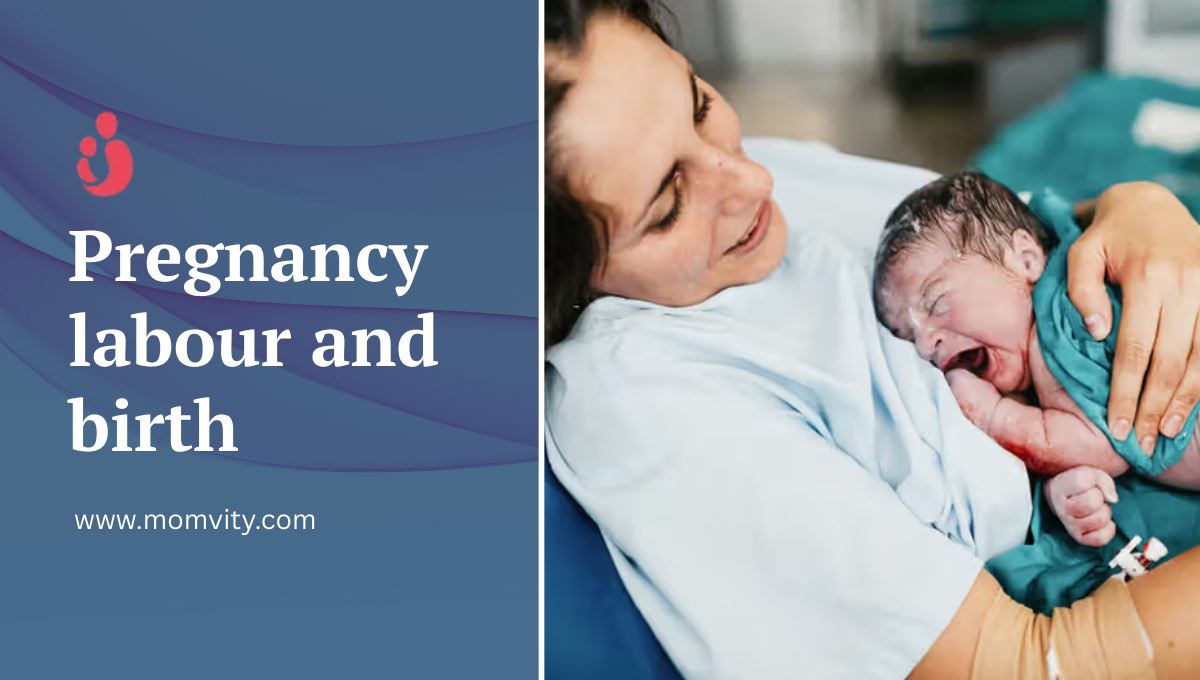
​Pregnancy labour and birth

​Pregnancy labour and birth: A Complete Guide for New Mothers

​Pregnancy labour and birth is a natural process where a mother’s body prepares to bring a new life into this world.

The last period of pregnancy is both joyful and a little scary for every mother. Especially those who are going to become mothers for the first time, they have thousands of questions in their minds about what exactly can happen during childbirth. 

Modern medical science has advanced a lot now, so there is nothing to fear. If you notice the small changes in your body, you will understand yourself that it is time for your precious baby to come into the world. It is very important to keep your mind strong and eat nutritious food during this entire period.

​Do you know what the real signs of labor are?

When labor pains start in the body, they start pulling from the waist and move to the front of the abdomen. Many people mistake it for a simple stomach ache, but this pain comes at regular intervals.

Although this pain is mild at the beginning of pregnancy labor and birth, it increases over time. If you feel that the baby’s movements have decreased a little or the water has broken, you should seek advice from an experienced person without delay. In the countryside, many times, midwives can tell the baby’s position by looking at the belly.

Water breaking

​When your water starts to break, you will know that the time is very close. For many, it happens suddenly, while for some, it falls in drops.

​Cervical dilation

​Doctors check to see how wide the cervix has become. Usually, it is the right time to have a baby only when it opens up to 10 centimeters.

​Regular contractions

​The main signs of labor are tightening of the abdominal muscles and pain after a while. It is very important to take long breaths at this time.

​Do you know what are the easy ways to reduce labor pain?

​Many people think that just lying down will reduce the pain, but in fact, walking lightly or changing positions can provide relief.

At this stage of pregnancy, labor and birth, applying a light warm compress to the waist relaxes the muscles. You need to keep your mind calm because the more afraid you are, the stiffer your body will become, which can increase the time of labor. The experience of the elders in the house is very useful at this time. The way they give courage often works more than the hospital equipment.

​Correct position

​If you sit with a straight back or walk instead of lying down, it is easier for the baby to descend.

​Hot water compress

​Applying a light warm cloth below the waist reduces the intensity of the pain a lot.

​Mental courage

​If you remember the joy of being a mother, your ability to endure pain increases several times. The main thing is to believe in yourself.

​Why is it important to have an experienced person by your side during childbirth?

​In the past, people in rural Bengal gave birth at home, but now everyone goes to the clinic to avoid risks. But no matter where you are, you need someone by your side who will give you courage.

Pregnancy, labor and birth is a time when the mother’s body needs a lot of energy. Drinking water or fruit juice regularly does not weaken the mother’s body. If you treat the doctor or nurses well, they will also be encouraged to help you.

​Trust

​Having someone by your side gives you strength. Especially if your mother or mother-in-law is by your side, it increases your courage a lot.

​Service

​Pressing your hands and feet or putting a little water in your mouth during pain is very beneficial for the mother.

​The right decision

​Only experienced people can make the decision about when to take the mother to the hospital or when to have an operation in an emergency.

​How are the moments just before the birth of a baby actually spent?

​When the last stage of labor comes, the mother feels that there is a lot of pressure below. This is the time when patience is tested the most.

At this critical moment of pregnancy labor and birth, the heartbeat of both the mother and the baby is checked. When the baby’s head is gradually visible, the nurses ask the mother to push hard. In simple village language, this is called “kot deva”.

If you can hold your breath properly at this time, the baby will come out very quickly.

Explore more here:  labor pain and giving birth

What special care should a new mother take right after delivery?

​After giving birth, the mother’s body becomes very weak as if a big storm has passed over her body. This time is called “Suntika Kal” or the postpartum period by the villagers.

The first few hours after the end of pregnancy, labor and birth, one has to be very careful because there is a fear of bleeding. It is very important to wipe the mother’s body with lukewarm water and wear dry, clean clothes. The more rest the mother gets during this time, the faster her body will return to its previous state. Especially if a warm compress is applied to the waist or abdomen, uterine contractions start to return to normal.

Rest

​Getting enough sleep and rest throughout the day will help relieve the mother’s fatigue. Heavy work is strictly prohibited for at least a few weeks.

​Cleanliness

​There is a high risk of infection after delivery. Therefore, it is important to always use clean clothes and wash your hands.

​Nutritious food

​Eating milk, eggs, and lots of vegetables will help restore energy to the mother’s body. It is very important to drink plenty of fluids.

​Do you know why the first breast milk after the birth of a child is like nectar?

​The thick yellow milk that comes immediately after the birth of a child is called shaldudh. Many old people in the village think that it is not good, but in fact it is the first vaccine of the child’s life.

After overcoming the stress of pregnancy, labor and birth, breastfeeding the child quickly causes the uterus to contract quickly. This also reduces the mother’s blood loss. The emotional bond between the mother and the child deepens through this breastfeeding. Holding the child in her arms repeatedly and breastfeeding greatly increases the child’s immunity.

​Colostrum

​This first milk protects the baby from all kinds of diseases. It also helps in cleaning the first dirt in the baby’s stomach.

​Proper rule

​The baby should be fed in a way that the mother is comfortable with, whether lying down or sitting. It is better to keep the baby’s head a little elevated.

​Calcium in the mother’s diet

​The baby’s bones become strong if the mother eats enough calcium-rich foods. Milk and small fish are very beneficial at this time.

What are the things to keep in mind to take care of the navel and skin of a newborn?

​After the little goldmine comes into the world, its skin is very soft and sensitive. Especially, the elders of the house have a lot of worries about drying the navel.

After pregnancy, labor and birth, dirty hands should not be placed on the navel. The navel should be kept dry and it is not right to apply any ointment or oil. Today’s doctors say that the navel dries up naturally. If you gently wipe the baby with lukewarm water every day, his body will feel comfortable. In rural Bengal, there is a practice of applying mustard oil, but it is better to make sure that it is completely pure.

​Drying the navel

​Keeping the navel open and dry will help it dry faster. If it gets wet, gently wipe it with a soft cloth.

​Skin softness

​Do not use harsh perfumes or soaps on the baby’s skin. Using soft cotton clothes will prevent the baby from getting a rash.

​Exposing the baby to the sun

​There is no risk of jaundice if the baby is exposed to the mild morning sun. However, it is not advisable to keep the baby in the sun for a long time.

​Why is it important to pay attention to the mental health of the mother after childbirth?

​Many times, it is seen that after giving birth, the mother becomes very irritable or cries for no reason. Although many people consider this to be a bad mood, it is actually a hormonal change.

After pregnancy, labor and birth, a kind of emptiness or sadness may form in the mother’s mind, which is called baby blues. At this time, everyone in the house should be happy with the mother and give her time. If the mother is happy, it will also have an effect on the child. A little walk in an open area in the village environment will make the mother feel good.

​Empathy

​The mother’s small problems should be listened to with importance. She should be reassured repeatedly that everything will be fine.

​Sharing of work

​If other members of the house help in taking care of the child, the mother gets enough sleep. This keeps the mood calm.

​Nutrition and mind

​Eating good food keeps the body and mind healthy. Mom’s favorite foods can be cooked occasionally.

​How to recognize the danger signs after childbirth?

​Even though everything seems normal after becoming a mother, there are some things that should not be ignored. If the mother has a high fever or a severe headache, she should go to the doctor immediately. Excessive bleeding or severe abdominal pain after pregnancy, labor and birth can be signs of danger. 

Sometimes there is swelling in the feet or difficulty breathing. Neglecting these small things can cause major damage. Villagers should take these symptoms to the hospital as soon as they see them, instead of going to a random doctor.

Do you know how important nutritious food is for the health of the mother and baby after delivery?

​After giving birth, the mother’s body is waiting for refueling or replenishing its energy.

Many people in the village environment think that it is not right to eat too much after becoming a mother, which is a completely wrong idea. Calorie-rich food is very necessary to overcome the stress of pregnancy, labor and birth. If the mother does not eat enough vegetables and local fish during this time, the quality of her milk may decrease. Especially eating cooked gourd or papaya helps in increasing breast milk. There should be no skimping on water intake because if the body is hydrated, fatigue is less.

​Calcium-rich foods

​Milk and small fish prevent bone loss. If the mother is strong, the child will also be healthy.

​Abundant iron

​Eating bananas or raw vegetables helps to eliminate anemia. It is important to replenish the blood that is lost during childbirth.

​Protein sources

​Eggs and pulses should be included in the daily diet. This helps the body’s wounds to heal very quickly.

Why is a clean home environment most important after childbirth?

​Keeping the house clean after the birth of a child is not just a hobby but a question of saving lives.

After pregnancy, labor and birth, the immunity of the mother and the child is very low. In many village houses, the mother and the child are kept in damp rooms, which is not right at all. 

Arrangements should be made to ensure that adequate light and air enter the house. The child should be kept away from dust or smoke because it can cause breathing problems. It should be strictly forbidden to let a stranger touch the child without washing his hands.

​Light and air

​Keeping the windows open will allow fresh air into the house. This will keep the mother and the child fresh.

​Clean bed sheets

​The sheets and clothes used by the mother should be washed and dried in the sun every day. Sunlight destroys germs.

​Visitor control

​Do not allow anyone who is sick to come near the child. It is better to be strict for the safety of the child.

​Why should newborn vaccinations and regular checkups never be missed?

​Many people forget about vaccinations in the joy of having a baby. But we must remember that these vaccinations save the baby from disability or premature death. After pregnancy, labor and birth, a vaccination card is given from the hospital, which should be kept carefully. If the polio or BCG vaccination is given on time, the child’s body gets the strength to fight against diseases. 

In addition, 

it is necessary to see an experienced doctor from time to time to understand whether the child is gaining weight or whether his crying is normal.

​Vaccination on time

Vaccination is given free of charge by the government. This is the biggest protection for the child’s life.

​Weight check

The child’s weight should be measured once a month. Weight gain means that the child is getting proper nutrition.

​Abnormal crying

If the child cries continuously, it means that he is in pain somewhere. Take action without delay.

​Some easy ways to maintain personal hygiene after becoming a mother

It is true that you do not get time to take care of your body after becoming a mother. However, if you think about your health, you should take a bath in hot water at least once a day.

If the discharge from the body after pregnancy, labor and birth is not kept clean, it can cause infection in the uterus. If you always wear cotton and loose clothes, the body will need air and will not get scratched or itchy. It is very important to keep your nails short because long nails contain germs that can spread to the baby’s body.

​Keeping nails short

​Do not scratch the baby while breastfeeding or holding it in your lap. This is the best way to prevent bacterial infection.

​Cotton clothing

​Cotton clothes absorb sweat and are comfortable. This gives relief to both the mother and the baby.

​Adequate hand washing

​Wash your hands with soap before changing the baby’s diaper or feeding him. Clean hands mean healthy children.

​Conclusion

​Giving birth to a child is a heavenly feeling that is difficult to express in words. There is no substitute for patience and courage in this entire process of Pregnancy, labor and birth. It would not be wrong to say that when a woman becomes a mother, she is reborn. Therefore, at this time, every member of the family should give the mother a break from cooking or other heavy work. Keeping her happy and ensuring adequate nutritious food is not only the responsibility of a family but also the first step in building a healthy future generation.

Remember that a healthy mother means a healthy and beautiful child. We should all try to make this journey of motherhood more joyful than painful. It is possible to avoid any risk by taking advantage of modern medical science and listening to the advice of experts. May this inseparable bond between mother and child remain unbroken forever and may every home be filled with the laughter of a new life.

​FAQ

​How do I know if labor pain has started?

If the pain occurs at regular intervals and increases in intensity over time, it is real labor pain.

​What to do if your water breaks?

You should contact the nearest hospital or clinic without delay because this is an emergency symptom.

​How long do you need to rest after a cesarean section?

You should absolutely avoid doing any heavy work for at least 6 to 8 weeks and get adequate rest.

​Is colostrum harmful to the baby?

No, colostrum is the baby’s first natural vaccine that increases immunity many times over.

​How long after delivery should the baby be breastfed?

It is best and healthiest to start breastfeeding within an hour of the baby’s birth.

How many checkups are needed during pregnancy?

It is very important to get checked by a skilled health worker or doctor at least 4 times during the entire pregnancy.

​How to reduce back pain after childbirth?

Applying warm compresses and always practicing sitting upright can reduce back pain.

​Can oil be applied to the baby’s navel?

It is not advisable to apply any oil or powder to the base of the navel because it carries a risk of infection.

​Can the mother eat all types of food?

Yes, the mother can eat all types of nutritious food, but it is better to avoid excessively spicy or fried foods.

​What should be done if the baby has jaundice?

Expose the baby to the morning sunlight and see a doctor if the condition seems serious.

​Labor pain and giving birth

What you need to know about labor pain and giving birth

​Labor pain and giving birth is a natural process that every mother experiences with courage and strength.

We have many fears and unknown questions about labor pain. In fact, this time is more than difficult, it is the joy of waiting for a new life. The way simple mothers in the village patiently pass this time is explained below.

​This path of childbirth is not short at all. Every moment, from the contraction of the uterus to the birth of the baby, is very important. Do you know what symptoms you will see when you understand that your delivery time is approaching? If you understand the changes in your body properly, the fear will be reduced a lot. This journey becomes much easier if you trust yourself and have the right preparation.

​How labor pains begin

​The first stage of labor pain and giving birth is mild uterine contractions that increase over time. At first, it may feel like gas or general pain, but gradually a rhythm is created in this pain. The pain will come once and then go away after a while. When the time between these coming and going starts to decrease, you will understand that it is time for real.

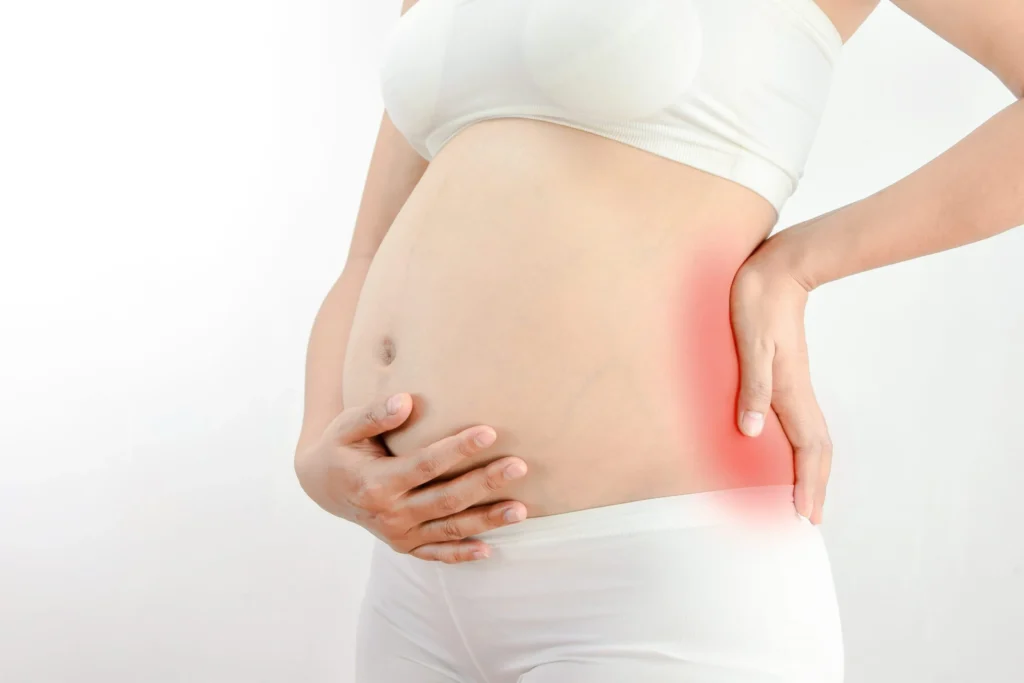
​Lower back pain

​In many cases, the pain does not start from the stomach but from the waist. This waist pain gradually spreads to the front. If you see that the pain does not decrease even after resting or changing positions, then it is not a good idea to delay.

​Recognizing the signs of water breaking

​Just before labor, many women experience the rupture of their uterine sac and the release of water. We usually call this water breaking. If you see a sudden release of thin, water-like fluid, you should consult a doctor immediately because it can increase the risk of infection.

​The process of dilation of the cervix

​Before the baby is born, the cervix begins to thin and gradually enlarges. This is a natural process that prepares the body for childbirth. During this time, the body’s hormones work very quickly, which also prepares the mother mentally.

​Mother’s mental strength during childbirth

​To give birth to a healthy child, a mother’s mental strength is more important than her physical strength. It is very important to keep a calm mind during labor and giving birth. When you are afraid, the body becomes stiff, which can increase the pain. So taking long breaths and thinking positively helps a lot.

Does the above information give you courage? Think about how hard our mothers have brought us into this world.

​Role of breathing exercises

​Is it possible to stay calm in the midst of intense pain? Long and deep breathing relaxes the muscles and calms the mind. Did you know that proper breathing exercises provide plenty of oxygen to the uterine muscles? It not only reduces labor pain but also keeps the body refreshed by controlling blood pressure. When the pain is at its peak, breathing slowly can quickly relieve fear and anxiety.

Types of ExerciseQuestions That May Come to MindInteresting Features
Deep BreathingCan it really reduce pain?It helps you relax faster by reducing stress hormones in the body.
Rhythmic breathingCan I hold it for long?This rhythmic breathing delivers enough oxygen to the baby, which is very important.

​How to maintain the home environment

​If the environment around the mother is calm and beautiful, the pain of childbirth is reduced to a great extent. It is better to be in the presence of people you like without too much noise or crowd. This gives courage and reduces anxiety.

​Different stages of labor pain

Labor pain and giving birth process is basically divided into three main stages. In the first stage, the cervix opens completely. In the second stage, the mother pushes the baby out and in the third stage, the placenta or flower comes out. Each stage is a test for the body.

Stage nameTypes and duration of painQuestions that may arise in your mind
Early LaborLight and irregular pain that lasts 30-60 seconds.Is this real pain or false pain?
Active LaborThe pain is very intense and comes very frequently (every 3-5 minutes).Will I be able to bear this pain?
Transition PhaseThe most difficult and intense phase that continues continuously.How long? Should I give birth now?
Pushing StageThe pain is somewhat bearable because the pressure of pushing down is createdAm I pushing correctly? Is the baby coming out?

Long first stage

​This stage can be quite long in the case of first-time mothers. Sometimes it can take 12 to 14 hours. During this time, one should not lose patience, but rather eat nutritious food or drink water little by little so that the body has strength.

​Proper pushing in the second stage

​When the cervix opens 10 centimeters, the doctor or midwife asks the mother to push. If the right force is applied at the right time, the baby comes out quickly. During this time, the baby’s head starts to descend downwards, which creates a lot of pressure on the mother’s body.

Special preparation of the body during childbirth

​Labor paint and giving birth The body’s hormones work like a strange magic at each stage. At this time, a hormone called ‘oxytocin’ is secreted in the mother’s body, which contracts the uterine muscles and pushes the baby downward. Do you know that this natural force gives you the fulfillment of being a mother? 

Trusting your body and keeping your mind strong is the real strategy at this time. When the intensity of the pain increases, remember that your child is very close to seeing the light of the world.

Handling back pain properly

Do you think you have to carry this severe back pain for the rest of your life? Not at all. If you take care of your back pain properly, you can get relief very quickly. Whenever you feel pain, try to sleep on a firm bed that helps keep your spine straight. Do you know how magical it is to apply hot or cold compresses for pain? 

Warm water compresses relax the muscles and ice compresses reduce swelling. Also, while lifting something heavy, you should bend your knees 

and not bend at the waist. Regular light stretching will keep your spine flexible and ensure long-term comfort.

Types of PainQuestions That May Come to Your MindSpecial Mysterious Solutions
Sudden StrainWill I be able to stand up straight again?Rapid rest and ice application can help reduce the pain significantly within 24 hours.
ChronicIs this pain a major bone problem?Walking for 10 minutes every day increases blood circulation to the spine and reduces pain.

​Understanding uterine contractions and rhythm

​When the pain comes, it comes at regular intervals. In the beginning, it may be every 20 to 30 minutes, but as time goes by, this gap decreases to 5 to 10 minutes. Labour pain and giving birth is a painful yet beautiful journey to motherhood. Learning to move with this rhythm helps you maintain control over your body.

​Walking and body position

​The pain is much more bearable if you walk lightly or if you are tilted to one side than lying down. Using the force of gravity, the baby can descend faster. Have you ever wondered why midwives used to tell mothers to walk a little in the old days? Because it helps to reduce the time of labor.

The hard fight and victory of the second stage 

​When the cervix is ​​fully dilated, the real battle of childbirth begins. At this stage of labor, the mother feels that there is a lot of pressure building up inside her. This pressure helps the baby find its way to the outside world. At this time, it is important to put all the strength of the body in one place and push or push with a proper breath. Your courageous efforts ensure the safe birth of the baby.

​The technique of pushing in the right way

  • ​Breathing: You have to take a deep breath and hold it and press downwards.
  • ​Rest: When there is no pain between two contractions, you have to relax your body completely.
  • ​Attention: You have to listen to the doctor or nurse and apply force as per their instructions.
  • ​Patience: You have to adapt to the pace of the body without rushing.

​The moment when the baby’s head appears

​This is called ‘crowning’ in medical terms. When the top of the baby’s head is first seen, the intensity of the pain is at its highest, but this is the biggest sign of happiness. At this time, a strange peace works in the minds of mothers because they know that their baby is going to be in their arms very soon. Aren’t you eagerly waiting to hear that first cry?

​Separation of the placenta or flower

​But the work is not over after the baby is born. Shortly after this, the placenta or flower separates from the uterus. This is the third and final stage of the labor process. After this flower is released, the excessive bleeding from the mother’s body starts to stop and the uterus starts the process of returning to its previous state.

​Immediate Postpartum Care

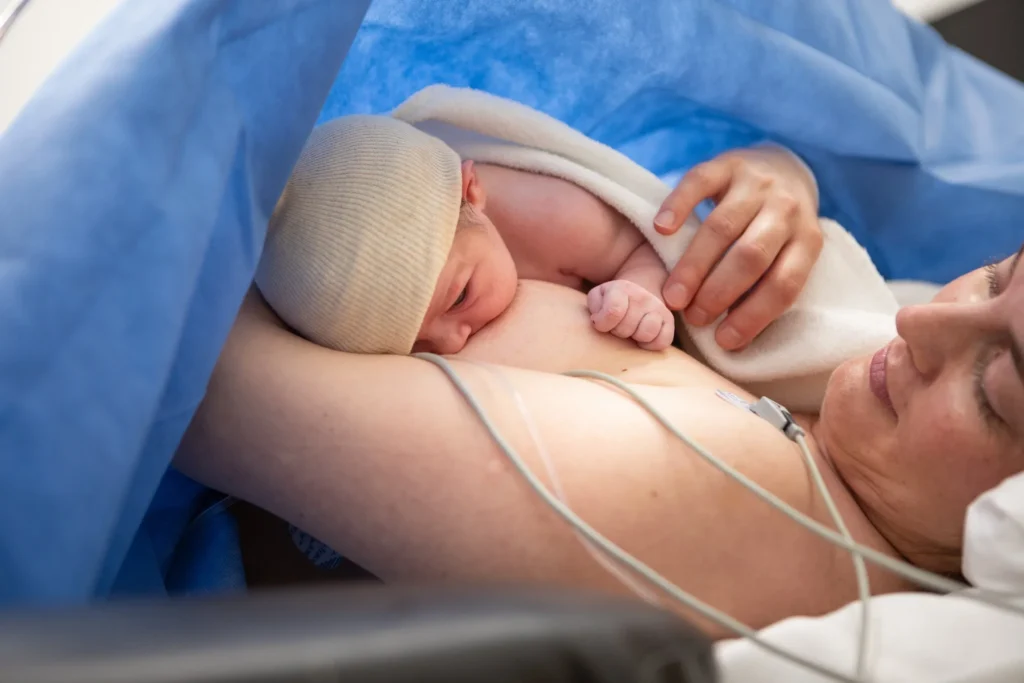
​The first meeting of the mother and the baby is very important right after the birth of the child. The mother forgets the immense pain of labor and giving birth for a moment when she holds the baby that has burst from her chest in her arms. At this time, the mother’s body temperature keeps the baby’s body warm and an inseparable bond is formed between them. The first hour is called the golden hour, which is essential for the health of both the mother and the baby.

​The nectar of the first colostrum

​The thick yellow milk that comes to the mother’s breast after giving birth is called colostrum. It acts as the first vaccine for the baby. This milk increases the baby’s immunity and teaches him to fight the external environment. Therefore, the baby should be breastfed quickly without delay.

​The mother’s own physical rest

​The body is very weak after delivery, so at least a few weeks of good rest are needed. Nutritious foods such as fish, pulses, vegetables and plenty of water should be drunk. You deserve this rest to heal your body’s wounds and regain your strength.

Proper diet and energy storage during labor

​During the long period of labor, the body becomes very tired. Since the labor pain and giving birth process takes a long time, it is necessary to have enough energy in the body at this time. Many times, due to severe pain, you do not feel like eating anything, but eating small amounts of liquid food or something light and nutritious keeps the body refreshed. Did you know that if you have an empty stomach, the body weakens quickly, which can have a negative effect during labor? So it is not right to go without food at all.

Importance of liquid food:

  • ​Water: It is best to drink water in small amounts to keep the body hydrated.
  • Drinking water: It provides natural electrolytes to the body and gives energy.
  • ​Fruit juice: Fresh fruit juice quickly reaches the blood sugar level, which reduces the mother’s fatigue.
  • ​Soup: Warm vegetable soup helps relax the muscles of the body.

Why avoid solid foods

​When the pain is very severe, heavy or oily foods cause difficulty in digestion. Nausea can occur at times. Therefore, during this time, one should choose foods that are easily digestible and do not cause any discomfort in the stomach. The mother’s comfort is the most important thing here.

Mother’s mental state after childbirth

​A strange feeling arises in the mind of mothers after the birth of a child. After going through the long nine-month wait and that extreme moment of labor and giving birth, mental peace works more than physical pain. However, many times, mothers can feel a little depressed or tired due to hormonal changes. Without neglecting this, family members should keep the mother happy and share the responsibility of her small tasks.

​Postpartum blues or depression

​It is very normal to suddenly cry or be irritable after having a child. This is the result of hormonal play. Have you thought about the new mothers around you who are going through this time? A little extra compassion and love for them works like magic to get through this time.

​Need for sleep and rest

​A mother’s sleep routine changes completely after having a child. When the baby sleeps, the mother should also sleep. If the body does not recover quickly. Therefore, the mother should leave the other household chores to others and focus only on her own and the child’s health.

Combination of modern and traditional methods for healthy childbirth

​Currently, the birth process has become much safer due to the advancement of science. Labour pain and giving birth is a natural phenomenon, but medical help makes it safer. The experience of midwives in rural Bengal and the facilities of modern hospitals—with the right combination of these two, the risk of death of both mother and child has now decreased a lot. Regular checkups and nutritious food are the key to a beautiful delivery.

​Role of a partner during childbirth

​When a mother is in pain, the presence of a loved one by her side gives her a lot of courage. A little touch of the husband’s or mother’s hand or a word of reassurance makes that difficult time much easier. This emotional support can reduce the complications of childbirth to a great extent.

​Use of painkillers

​If it becomes difficult to tolerate pain in a natural way, then nowadays much safer painkillers or epidural injections are used. It helps to reduce the pain of childbirth and keep the mother calm. However, it is most important to consult an experienced doctor before taking any decision.

Conclusion

​Motherhood is the greatest achievement of a woman’s life. By going through this long and challenging path of labor pain and giving birth, a woman is reborn as a mother. Labor pain is not just a physical pain, it is a message of the arrival of a new life. Every mother should have a clear idea about each step of this period in advance, so that no fear or anxiety can overcome her. Proper preparation, nutritious food, emotional support from the family and doctor’s advice can make this journey much smoother and more enjoyable.

Remember, your patience and courage are the first gift for your child. It is through this beautiful experience that the unbreakable bond between mother and child is formed that remains unbroken throughout life. Taking care of yourself and giving proper nutrition to the child during the postpartum period is the first responsibility of a mother. The real meaning of motherhood lies in accepting the changes in the body naturally and welcoming the new guest with a smile.

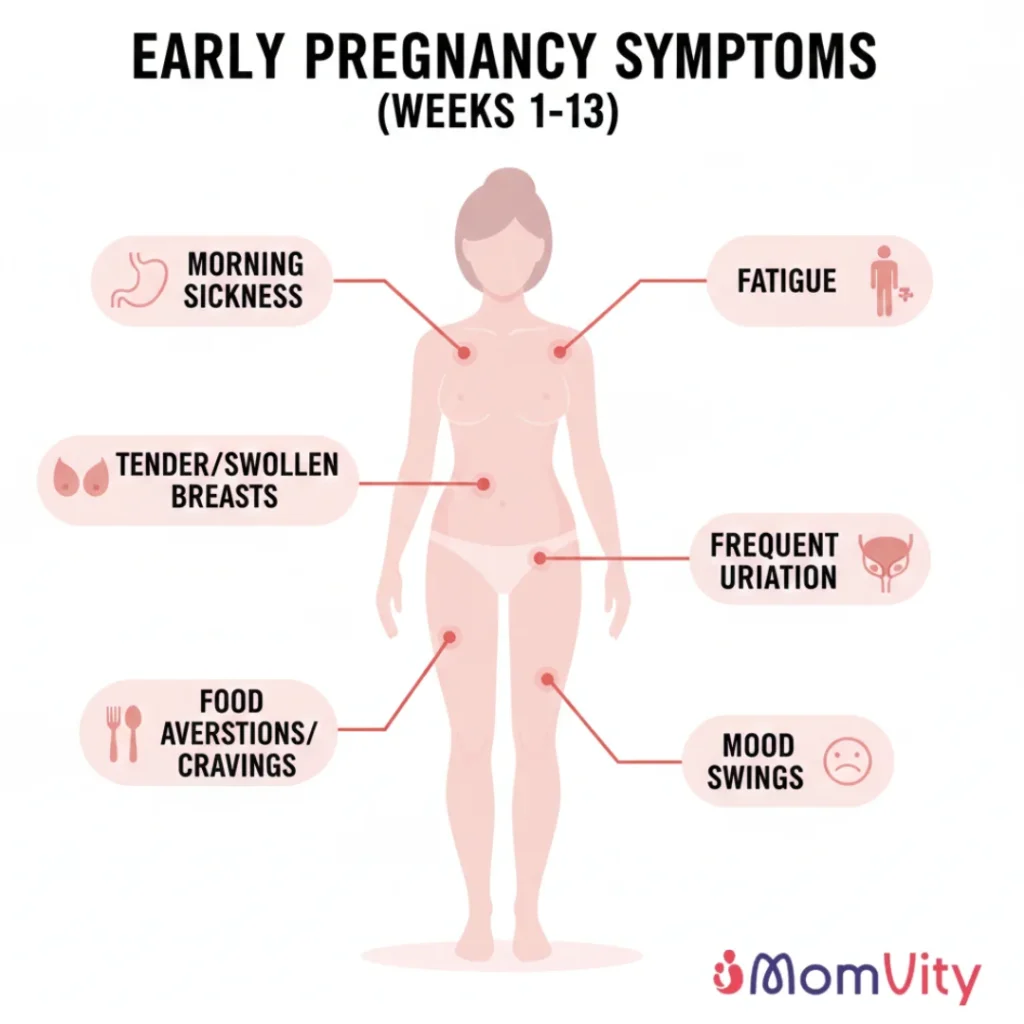
First Trimester Symptoms

Symptoms that appear in the first three months of pregnancy

We call the changes that start in the body after getting the news of pregnancy First Trimester Symptoms or the first stage symptoms. During this time, the hormone levels suddenly increase a lot, which results in various new experiences in the body. In many cases, these symptoms start appearing before the period is missed

The most common problem is feeling very sick or vomiting after waking up in the morning. At this time, the body does not want to move anymore and feels like lying down all day. In addition, the smell of food can also be very uncomfortable. First Trimester Symptoms are different for each person. Some may vomit a lot while others may only feel a little weak. It is very important to understand these 13-week symptoms because they are the ones that let you know that your little gem is growing inside your body little by little. Although the symptoms may seem a little more painful at times, there is nothing to worry about because they are a normal part of motherhood.

Unexplained fatigue

Many mothers suffer from one problem in early pregnancy, and that is unexplained fatigue. It seems that you may not have done much work, but you still feel like you are carrying a mountain of burden. Even after waking up in the morning, your body does not want to move at all. In fact, this unexplained fatigue is not laziness at all. The real reason for this is that a huge change is going on inside your body. Your body is producing the placenta, which will provide oxygen and nutrients to the baby. In addition, the level of progesterone hormone in the body increases a lot during this time, which naturally relaxes people a little. Blood circulation in the body increases and the heart has to work harder than before. Therefore, feeling unexplained fatigue is a very normal symptom in early pregnancy. Many times, after the first three months, this fatigue naturally decreases and the body becomes as alert as before. However, it is very important to listen to the body at this time. Whenever the body feels tired, you should stop all work and take a rest.

To eliminate unnecessary fatigue and maintain your energy during this time, keep the following things in mind:

  • Adequate sleep: Ensure at least 8-9 hours of uninterrupted sleep at night and take a short nap (Power Nap) in the afternoon if necessary.
  • Balanced diet: Eat nutritious food in small amounts to provide energy to the body. Fatigue increases if you do not eat for a long time.
  • Iron and protein: Fatigue can also occur due to anemia, so include plenty of iron and protein-rich foods in your diet.
  • Stay hydrated: Dehydration makes the body more tired, so drink plenty of water and fruit juice throughout the day.
  • Reduce work pressure: Reduce heavy household chores or long standing tasks with the help of others for the time being.
  • Light walking: Instead of lying down too much, taking a light walk for 5-10 minutes in the afternoon improves blood circulation in the body and relieves fatigue.

Nausea and vomiting

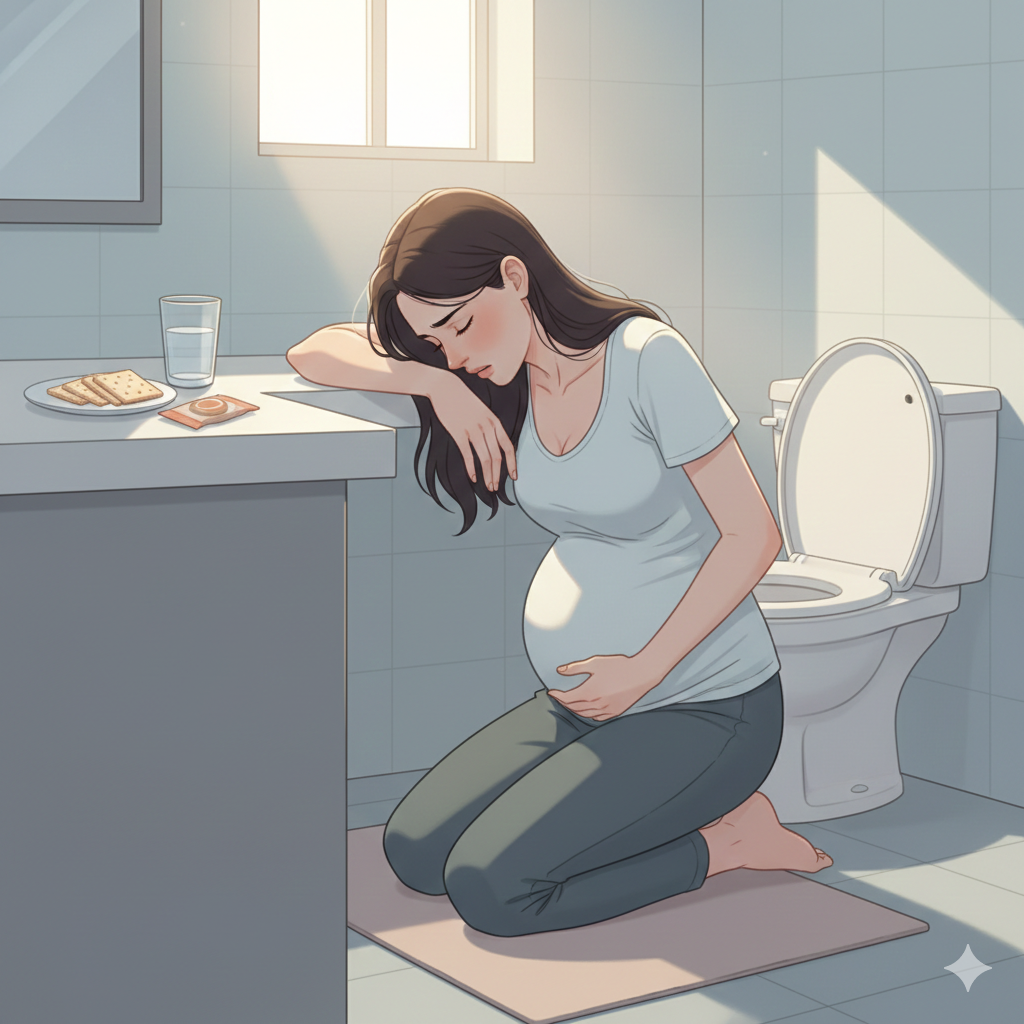
The most common and painful problem for expectant mothers in the first three months of pregnancy is nausea and vomiting. Although we call it ‘morning sickness’ in English, it can actually occur at any time of the day. This problem usually starts a few days after a missed period. The main cause of nausea and vomiting is an excess of the hCG hormone in the body. Due to the increase in this hormone, the stomach becomes very sensitive, so the smell of rice, oil and even your favorite perfume can be confused. Many mothers feel intense discomfort when they wake up in the morning and it comes out immediately when they eat something. Although it is very annoying, according to doctors, mild nausea and vomiting are a sign of a healthy pregnancy. This means that your placenta or placenta is forming properly. Usually, this problem subsides a lot on its own after 13 to 14 weeks. However, if you do not have any food in your stomach or vomit several times a day, you should consult a doctor immediately.

Here are some simple and home remedies to deal with nausea and vomiting:

  • Breakfast: Eat dry biscuits or muri on an empty stomach as soon as you wake up, without drinking water, which reduces nausea to a great extent.
  • Ginger and lemon: Drinking ginger tea or a slice of lemon in your mouth or drinking lemon juice can quickly relieve nausea.
  • Small meals: Make it a habit to eat small meals 5-6 times a day without eating a full stomach.
  • Avoid spicy foods: Foods with excess oil, salt and spices cause discomfort in the stomach so choose light foods at this time.
  • Rest: Do not lie down immediately after eating, sit for a while or walk very slowly.
  • Vitamin B6: You can take vitamin B6 supplements on the advice of a doctor, which works great to reduce vomiting during pregnancy.

Breast Changes

The first noticeable change in the external part of the body at the First Trimester Symptoms

is the change in the breasts. Many times before you miss your period, you may feel that your breasts feel a little heavy or are painful to touch. In fact, your body starts preparing for breastfeeding right after conception. Due to hormonal changes, blood circulation in the breast tissues increases, which can make the breasts feel larger and firmer than before. During this breast change, the nipples become more sensitive and the dark area around them (areola) becomes darker and larger. In some cases the veins in the breasts appear clearly blue above the skin. Although there may be slight pain or discomfort during this time, this is a normal process of the body. This is one of the major signs that your body is preparing itself for the new guest. Using the right underwear can greatly reduce the discomfort during this time.

Here are some of the symptoms and what to do during breast changes:

  • Heaviness: Breasts may feel fuller, heavier, and a little harder than before.
  • Sensitivity: There may be slight pain or tingling when your hands or clothes rub against your breasts.
  • Areola changes: The dark area around the nipples may become darker and may look like small bumps.
  • Visible veins: The blue veins on your breasts may become more visible than before due to increased blood flow.
  • Choosing the right bra: Wearing a comfortable, wire-free cotton ‘maternity bra’ or ‘sports bra’ during this time can help reduce pain and discomfort.
  • Maintain moisture: The skin on your breasts may become itchy, so use a good quality moisturizer or coconut oil regularly.

Frequent urination

Many mothers face a strange problem in early pregnancy, which is frequent urination. First Trimester Symptomsthat you have to run to the toilet after a while and even have to get up repeatedly while sleeping at night. Many people think that this is because you drink too much water, but the real reason is the hormonal changes in your body. After pregnancy, blood circulation in the body increases a lot which causes the kidneys to work harder and produce excess fluid in the body. This excess fluid accumulates in the bladder and causes frequent urination. In addition, at the beginning of pregnancy, the uterus starts to grow and it puts pressure on the bladder. Because of this pressure, when the bladder is slightly full, you feel like you need to go to the toilet right away. Although frequent urination is annoying, it is a normal sign of the body. However, remember that you should not hold your urine at all because it can increase the risk of infection.

Here are some essential tips to deal with frequent urination:

  • Maintain water intake: Do not reduce water intake for fear of frequent visits to the toilet because dehydration can harm the baby.
  • Water control after the afternoon: To reduce sleep disturbance at night reduce the amount of water slightly from the evening and drink more water during the day.
  • Caffeine avoidance: Tea or coffee increases the amount of urine, so it is best to avoid them as much as possible during this time.
  • Emptying completely: When going to the toilet, do not rush and lean forward slightly, which gives the bladder a chance to empty completely.
  • Watch out for infections: If you experience burning or severe pain in the lower abdomen while urinating, consult a doctor without delay as it may be a urine infection.
  • Comfortable underwear: Wear comfortable cotton underwear during this time to reduce the risk of infection.

Mild abdominal cramps

Feeling mild abdominal cramps during early pregnancy can be a cause for concern for many mothers, but in most cases,First Trimester Symptoms completely normal. Just like the twisting pain in the lower abdomen before your period, you may feel the same way in early pregnancy. The main reason for this is that your uterus is preparing to enlarge itself. When the embryo settles firmly on the uterine wall (called implantation), mild abdominal cramps are very common. In addition, as the uterus grows, the ligaments or muscles that hold it in place start to stretch, which causes this discomfort. Sometimes, such cramps can also be caused by gas or constipation. However, remember, if this pain is unbearable and accompanied by bleeding, it can be a sign of danger. There is nothing to worry about in case of mild cramps. It is actually a signal that your body is making room for a small life inside.
Here are some important tips to deal with mild abdominal cramps:

  • Rest: If you feel abdominal cramps, immediately stop all work and lie down in a comfortable position. Resting relaxes the muscles and reduces the pain.
  • Change your posture: Instead of sitting or standing in one position for a long time change your sitting posture occasionally.
  • Drink enough water: Cramping increases when the body is dehydrated, so drink plenty of water throughout the day.
  • Hot compress: Applying a very light hot water bag or a warm cloth compress to the lower abdomen can provide relief from muscle cramps.
  • Avoid heavy work: Avoid lifting buckets or pushing anything heavy during this time as it puts extra pressure on the abdomen.
  • Doctor’s advice: If the pain is very severe, fever occurs, or there is vaginal discharge or fluid or blood, seek expert advice immediately.

Light spotting

Many mothers are very scared when they see light spotting or small blood stains on their underwear in early pregnancy, but it is not always a sign of danger. Usually, 10 to 14 days after conception, when the embryo implants itself in the uterine wall, there may be a slight bleeding, which is called ‘implantation bleeding’. This light spotting is usually not bright red like a period, but it is pink or brown in color and lasts for a very short time. In addition, during pregnancy, blood circulation in the cervix increases a lot, as a result of which slight spotting may appear after physical intercourse or due to heavy physical exertion. However, remember that if light spotting gradually increases and is accompanied by severe abdominal pain or bloody discharge, it may be a risk of miscarriage.

Here are some things to do and be aware of if you experience light spotting or bleeding:

  • Rest: Stop all activities as soon as you notice the spotting and lie down. Do not do any physical activity at this time.
  • Pad use: Use a regular pad instead of a tampon to measure the amount of bleeding.
  • Sexual intercourse: You should refrain from sexual intercourse until the bleeding has completely stopped.
  • Notifying your doctor: Call your doctor even if there is only slight spotting and take the next steps as advised.
  • Emergency: If the bleeding is heavy with pain or fever, contact the nearest hospital or emergency room without delay.

Mood swings

The surge of hormones in the body during early pregnancy has the biggest impact on the mind, which we call mood swings. It seems that you may have been very happy one moment, but the next moment you are crying profusely or getting very angry for some trivial reason. This mood swing is not at all of your own volition. Basically, due to the sudden increase in estrogen and progesterone hormone levels, the area of ​​your brain that controls emotions becomes somewhat unstable. In addition, the anxiety of becoming a first-time mother, physical fatigue, and constant nausea can make your mood even more irritable. Many people feel very lonely for no reason at this time or feel that no one understands them. Remember, this is completely normal in early pregnancy. Usually, after the first three months, when the body adapts to these new hormones, this instability also decreases a lot. Instead of blaming yourself during this time, you should try to talk openly with your family and be cheerful.

Here are some easy ways to manage mood swings or mental instability:

  • Get enough sleep and rest: If your body is tired, your mood is more irritable, so get enough rest both day and night.
  • Open your mind: Share the fears or worries that are working in your mind with your partner or close people.
  • Nutritious food: Low blood sugar level can ruin your mood, so drink healthy snacks and plenty of water.
  • Light exercise: Taking a light walk in the fresh air in the afternoon produces ‘endorphins’ or feel-good hormones in the brain.
  • Hobbies: Keep yourself busy with reading books, listening to music, or any favorite hobby to keep your mind healthy.
  • Patience: Remember that this is a temporary condition. You will feel normal again mentally when your hormones return to balance.

Dizziness or weakness

Sudden dizziness or weakness in early pregnancy is a very uncomfortable experience for many mothers. It is seen that when you stand up suddenly from a sitting position, your head feels dizzy or if you stand for a long time, the surroundings seem dark. The main reason for this is the change in your circulatory system. During pregnancy, the blood vessels in your body dilate to increase blood flow to the uterus, which can cause a slight decrease in blood pressure and a slight delay in blood reaching the brain. In addition, dizziness or weakness starts even when the blood sugar level decreases due to hormonal changes. Especially for those who are unable to eat properly due to morning sickness, their bodies lose energy quickly. Many times, this problem is also evident even after not eating for a long time or if there is a lack of water in the body. Although this experience is very common in the first three months, if dizziness is accompanied by blurred vision or a severe headache, you should definitely consult a doctor.

Here are some simple solutions to deal with dizziness or weakness:

  • Move slowly: When getting up from a sitting or lying position, do not get up suddenly and stand up very slowly.
  • Drink plenty of water: Dehydration is the main cause of dizziness, so drink water and coconut water or saline repeatedly throughout the day.
  • Eat at short intervals: Do not stay on an empty stomach for a long time. Try to eat something light every two to three hours to keep your blood sugar levels stable.
  • Avoid standing for long periods of time: Do not work standing in one place for a long time. If you feel tired, sit down or lie down immediately and rest.
  • Open air: Do not stay in a closed or hot place for a long time because lack of oxygen can also cause dizziness.
  • Lie on your left side: Try to lie on your left side while sleeping, as this improves blood circulation to the heart and uterus, which reduces dizziness.

Food Taste Changes

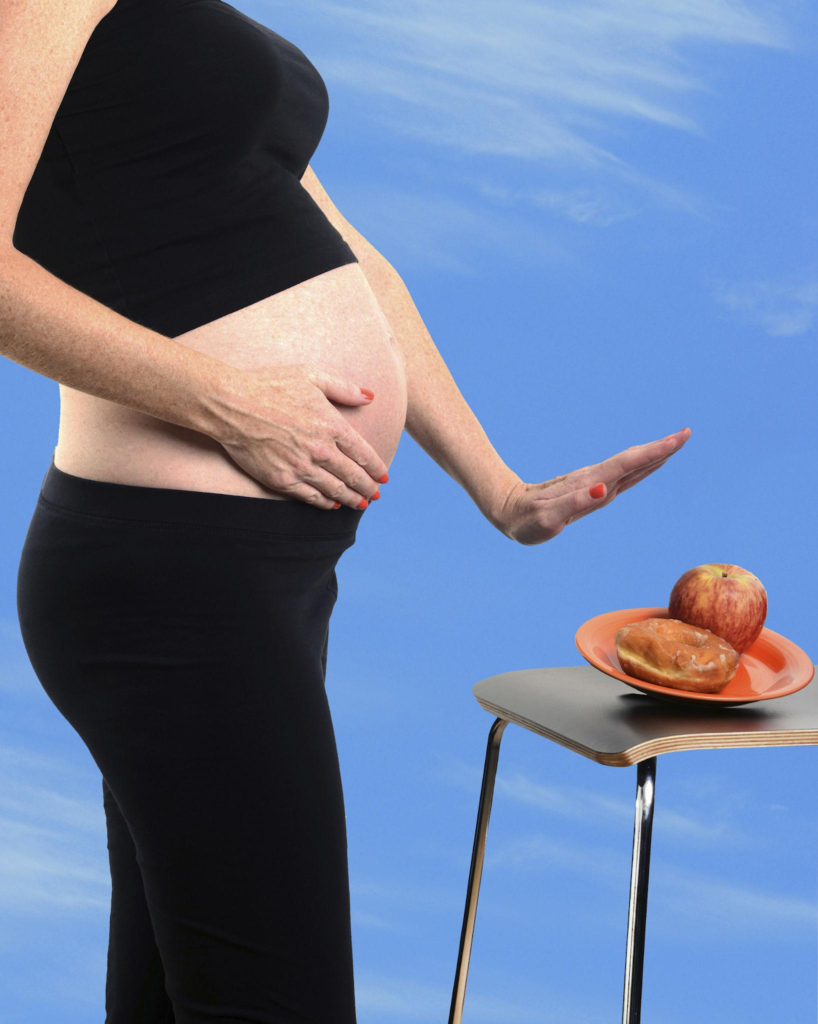
A strange but very common experience among expectant mothers during the first trimester of pregnancy. It is seen that the food you used to love so much suddenly turns your body crazy with its smell. On the other hand, your mind may become anxious to eat some strange food that you have never liked before. This is called ‘food aversion’ (reluctance to eat food) and ‘craving’ (intense desire). The main culprit behind this change in food taste is your body’s hormones, especially estrogen. During this time, your sense of smell becomes so keen that even the smell of fried onions or fish flakes from the kitchen next door can be unbearable for you. Many mothers like to eat sour, spicy or very salty foods, while some turn their back on sweets. This is actually nature’s way of keeping the mother away from harmful or strong-smelling foods. Usually, this taste starts to return to normal when the second trimester begins.

Here are some easy ways to change your taste buds and adapt to them:

  • Listen to your body: If your body wants to eat healthy food, then eat it, but if the smell of any food makes you nauseous, there is no need to force it.
  • Choose alternatives: If you are reluctant to eat fish or meat, try eating pulses, cheese, eggs or nuts to meet your protein needs.
  • Cold food: Cold food or food at normal temperature often has less smell than hot food, which helps reduce nausea.
  • Healthy cravings: If you want to eat too much sour or salty food, you can make lemon or tamarind paste at home instead of eating street food.
  • Zinc and multivitamins: Sometimes, even if there is a nutritional deficiency, the taste changes, so take the vitamins prescribed by the doctor regularly.
  • Eat little by little: Don’t starve yourself even if you don’t have any taste, make a habit of eating nutritious fruits or biscuits little by little.

Constipation

The problem that many expectant mothers suffer from the most during the first three months of pregnancy is constipation. It is seen that they do not go to the toilet regularly or their stomach is always heavy. The main reason for this is the increase in the level of the hormone ‘progesterone’ in the body. This hormone keeps the muscles of your uterus relaxed and also slows down the digestive system or digestion process of the body. As a result, food passes through the intestines very slowly and the body absorbs excess water from there, which hardens the stool. Apart from this, another reason for constipation is the iron supplement given by the doctor at this time. Due to nausea in early pregnancy, many mothers cannot eat enough water or fiber-rich foods, which further aggravates the problem. Although it is quite annoying and sometimes causes stomach pain, it is possible to get rid of this problem by making small changes in lifestyle. Remember that it is important to eliminate constipation because if it is prolonged, problems like hemorrhoids or piles can develop.

Some effective ways to relieve constipation and keep the stomach clean are given below:

  • Fiber-rich foods: Include plenty of green vegetables, fruits (such as bell peppers, guava, apples) and red flour bread or oats in your daily diet.
  • Adequate water: Drink at least 8-10 glasses of water a day; water helps to keep the bowels moving and soften the stools.
  • Eating small meals: Eat small meals several times a day instead of eating a large meal at once, which makes the digestion process easier.
  • Light exercise: Take a light walk for 10-15 minutes every day. Physical activity helps to increase the functioning of the intestines.
  • Isabgol husk: As a natural remedy, you can mix Isabgol husk with a glass of water before going to bed at night.
  • Doctor’s advice: If the problem is too much, consult a doctor without taking any laxatives or medicines on your own. He can change the brand of your iron tablets if necessary.

Conclusion

In conclusion, the first three months of pregnancy or the first trimester is the name of a strange and exciting change in a woman’s life. Symptoms that appear during this time like fatigue, nausea or mood swings are actually indications of a healthy pregnancy. Your body is working hard to contain a new life, so you need a little extra care and love for yourself during this time.

We wish you a joyful, safe and peaceful journey of motherhood.

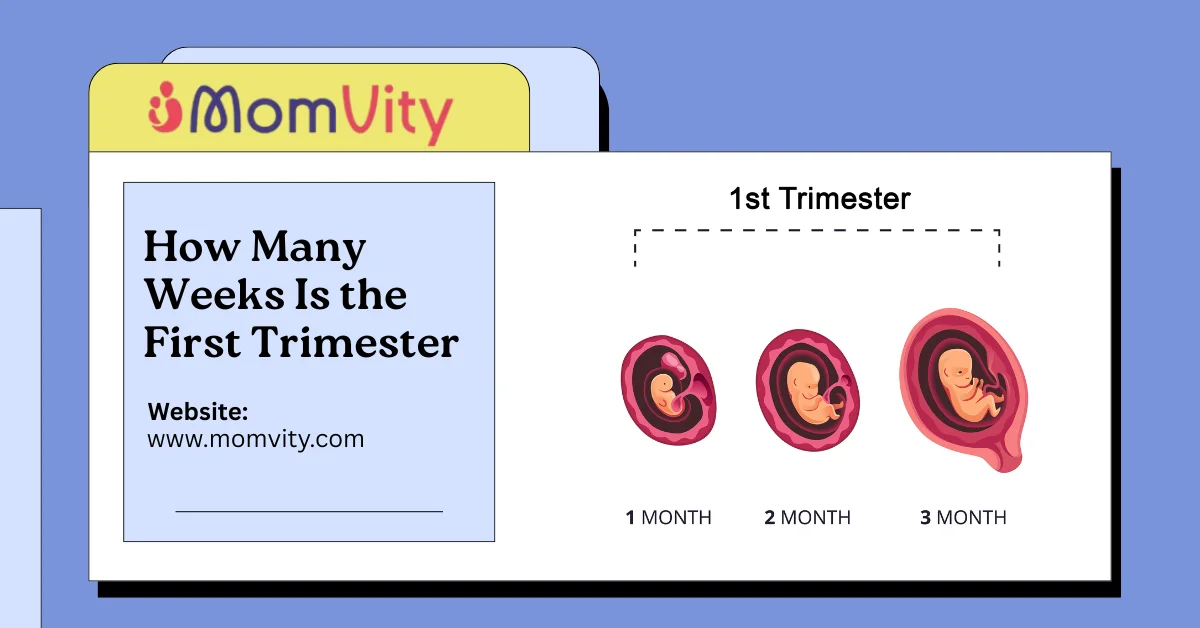
How Many Weeks Is the First Trimester

How many weeks is the first trimester of pregnancy?

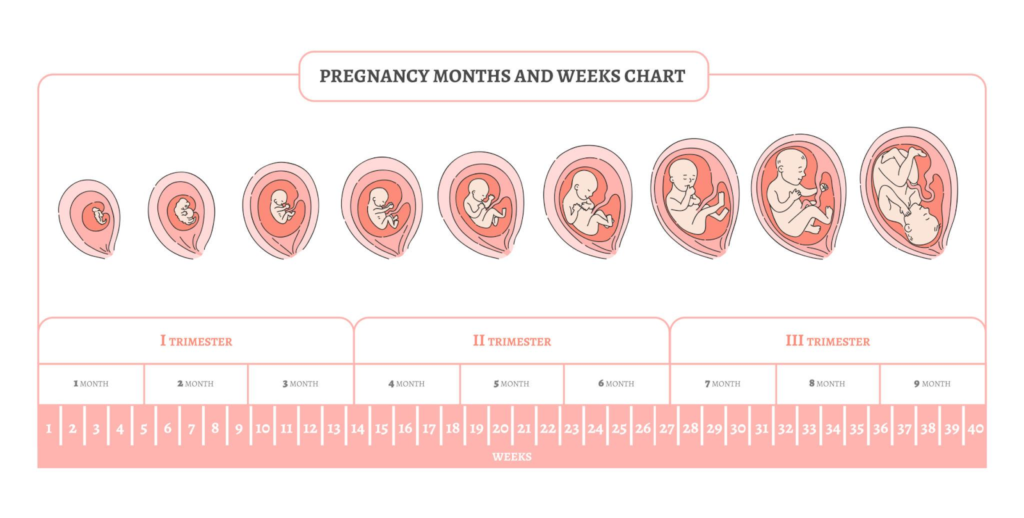
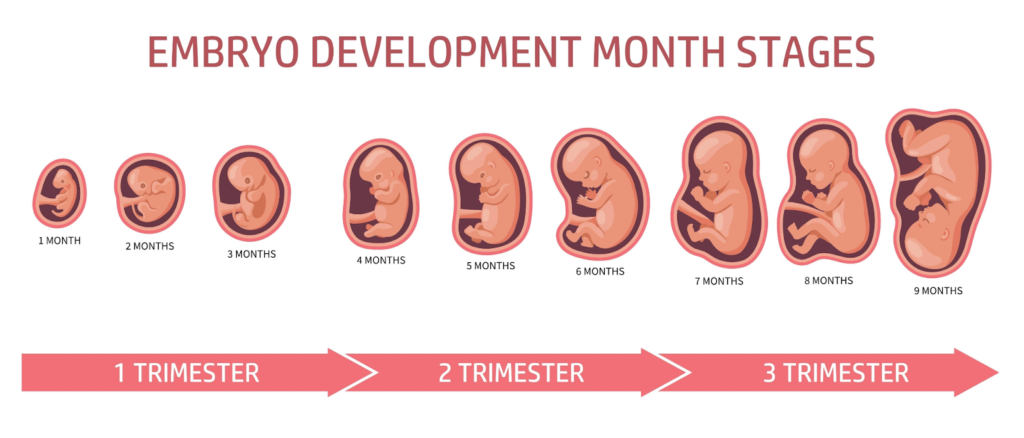
The first trimester of pregnancy is a very important period that starts from the first day of your last menstrual period. According to doctors, this stage basically lasts from the first 1 to 13 weeks and 6 days of pregnancy.

 Although it is often common called the first 3 months, each week of pregnancy carries a different significance for the  baby. During this 97-day journey, the embryo begin to take a full-fledged form from a fertilized egg.

How many weeks is the first trimester?

According to international medical standards, the first trimester or the first stage of pregnancy begins on the first day of your last menstrual period (LMP) and lasts until it is 13 weeks and 6 days. Simply put, the first trimester is the period from the first week of pregnancy to the beginning of the 14th week. Sometimes people call it the ‘first three months’, but doctors  more importance  the calculation of weeks instead of months to monitor the correct development of pregnancy. This 13 weeks and 6 days period is very important, because at the end of this period, the initial formation of the main organs of the baby’s body is completed and the risk of miscarriage is greatly reduced.

Some special information about the duration of the first trimester and its importance is given below:

  • Start of calculation: The first day of pregnancy is counted from the day your last period starts, although the actual conception occurs about 2 weeks later.
  • Weekly range: A total of 97 days are included in this trimester from the first week to the 13th week.
  • Start of the second trimester: The second trimester, or the middle stage of pregnancy, officially begins on the first day of the 14th week.
  • Why count the weeks: The baby’s development changes rapidly every week, so the baby’s weight and structure can be accurately measured by weeks rather than months.
  • Due date: Based on this 13-week calculation, doctors determine your 40-week pregnancy calendar and the estimated date of delivery (EDD).
  • Role of ultrasound: If there is confusion about the date of the period, an ultrasound performed between the 6th and 9th weeks can confirm the correct week by looking at the baby’s size.

Why these twelve weeks are important

The first twelve to thirteen weeks of pregnancy are called the ‘foundation’ of a baby’s life, because within this short period, the formation of every major organ of the baby’s body begins from a single cell. This period is very important because the initial and most complex stages of the development of the baby’s heart, brain, spine, lungs and liver are completed within these twelve weeks. This is called ‘organogenesis’ in medical terms. At this stage, the fetus is most sensitive to the effects of the external environment, the mother’s diet and medications. Any small mistake or exposure to harmful elements during this period can cause permanent physical or birth defects in the baby. In addition, according to statistics, most miscarriages occur within these first twelve weeks, so passing this period means overcoming a big risk.

The main reasons why the first twelve weeks are important are given below:

  • Organ formation: During this period, the baby’s heartbeat begins and external organs such as hands, feet, eyes and ears become visible.
  • Neurosystem development: The baby’s brain and spinal cord begin to take their final shape during this period.
  • Placenta formation: The placenta, the main source of the baby’s survival, is formed during this period and ensures the supply of nutrients and oxygen from the mother’s body.
  • High risk: The fetus takes time to fully settle in the uterus until the first 12 weeks so the risk of miscarriage is highest during this period.
  • Drug effects: Since this is the time when the fetus’s organs are forming, any wrong drug or radiation (such as X-rays) can cause irreparable harm to the baby.
  • Future health: Proper nutrition and folic acid intake by the mother during this period directly affect the long-term health and intellectual development of the baby.

First trimester by week

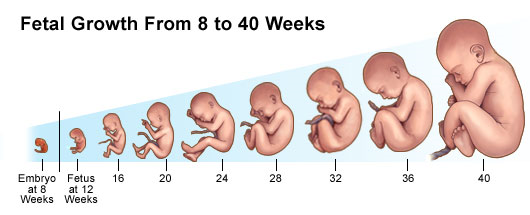
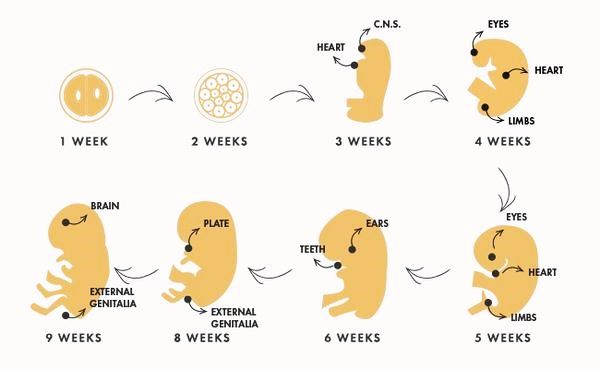
How Many Weeks Is the First Trimester, or 13 weeks and 6 days, can be divided into three main stages. In the first stage (1-4 weeks), you usually don’t even realize you’re pregnant; during this stage, the process of settling in the uterus after fertilization of the egg takes place. In the second stage (5-8 weeks), revolutionary changes begin, where the baby’s heart start beating and symptoms such as nausea and fatigue appear in the mother’s body. In the last stage (9-13 weeks), the fetus starts growing rapidly, its appearance becomes human-like, and by the end of this period, the risk of miscarriage has decreased significantly and the mother and baby have reached a stable state. Each of these weeks is a new milestone in the development of the baby.

The main changes in the first trimester by week are given below:

  • 1-4 weeks (Contraception and implantation): After the last menstruation, conception occurs and the embryo implants itself in the uterine wall; sometimes there may be light spotting.
  • 5-6 weeks (heartbeat begins): The baby’s heart begins to beat and the neural tube (brain and spinal cord) begins to form.
  • 7-8 weeks (organ formation): The baby’s limb buds appear and the rudiments of the nose, eyes, and ears are forming.
  • 9-10 weeks (embryo to fetus): The tail-like part disappears and the baby is now officially called a ‘fetus’; the fingers begin to separate.
  • 11-12 weeks (routine movements): The baby begins to move its arms and legs inside and its kidneys begin to produce urine, although the mother cannot yet feel it.
  • 13 weeks (end of the first stage): The baby’s vocal cords form and it begins to show a reflex such as sucking its thumb; the mother’s nausea begins to subside.

What changes occur in the mother’s body during this time

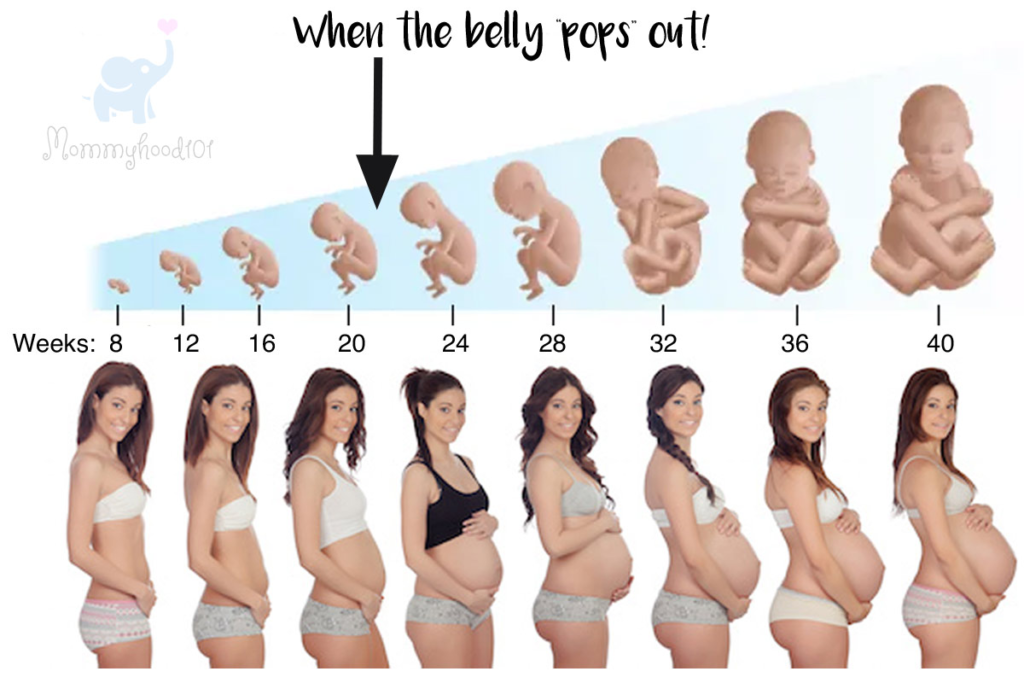
The biggest changes in the mother’s body during early pregnancy are due to hormones, which, although not visible from the outside start a huge activity inside the body. Immediately after conception the level of progesterone and estrogen hormones in the body increase rapidly, which hold the uterine lining and create a safe environment for the baby. Due to the surge of these hormones, mothers’ breasts become softer and more sensitive than before and mood swings occur. In addition, the uterus changes its normal size and starts growing, which puts pressure on the bladder and forces you to go to the toilet frequently. Due to changes in the metabolic process, the body gets tired quickly and problems like heartburn or constipation may occur due to the slow digestion process.

The main changes that occur in the mother’s body at this early stage of pregnancy are given below:

  • Excess of hormones: The release of hCG hormone causes nausea and severe aversion or distaste for certain foods.
  • Breast changes: Breast size increases, nipple or areola darkens, and a feeling of heaviness or pain is felt in the breast.
  • Increased blood volume: The total blood volume in the body increases by about 50 percent to ensure the nourishment of the baby, which can cause a rapid heartbeat.
  • Uterine dilation: As the uterus dilates, the ligaments are stretched, which causes mild cramps or period-like pain in the lower abdomen.
  • Skin changes: Some people’s skin becomes brighter due to hormone (Pregnancy Glow), while others may develop acne or dark spots on their skin.
  • Mental state: Due to hormonal fluctuations, emotional changes such as crying for trivial reasons, anger, or excessive worry can be seen.

Why is the first trimester sensitive?

 The first 13 weeks ofHow Many Weeks Is the First Trimester are called the most sensitive or ‘critical period’ because it is during this time that all the complex and fundamental foundations of a fetus’s life are formed. This stage is called ‘organogenesis’ in medical terms, when the cells of the baby’s heart, brain, spine and other important organs begin to divide and form. During this time, the fetus is so small and fragile that the slightest carelessness of the mother, taking the wrong medication, radiation or the effects of harmful chemicals on the baby’s body can cause permanent birth defects. In addition, during this time, the fetus’s struggle to survive in the uterus is the most difficult because the placenta or womb is not fully formed. Statistics show that about 80 percent of miscarriages occur in the first trimester, which proves the sensitivity of this period.

The main reasons for the sensitivity of the first trimester are given below:

  • Rapid cell division: The baby’s body structure is formed by dividing from a single cell into billions of cells, where a slight deviation can cause major abnormalities.
  • Organ formation stage: As the brain and nervous system begin to develop, if the mother is deficient in folic acid or exposed to toxic substances during this period, the baby may have neural tube defects.
  • High risk of miscarriage: The embryo takes this time to firmly attach itself to the uterine wall if there is a hormonal imbalance for some reason, the pregnancy is more likely to be interrupted.
  • Sensitivity to drugs: Many common drugs (such as certain painkillers or antibiotics) cross the placental barrier during this period and interfere with the development of the fetus.
  • Fear of infection: Some common infections such as rubella or cytomegalovirus are at risk of serious harm to the baby if the mother has them during this period.
  • Hormonal instability: Sudden changes in hormones in the mother’s body make the body mentally and physically fragile, which can indirectly affect the unborn baby.

Is it the same time for everyone?

 Although the first trimester of pregnancy is generally considered to be from 1 to 13 weeks and 6 days in medical science, its experience and duration in real life can be different for each woman. Determining the exact How Many Weeks Is the First Trimester can be a bit complicated, especially for those whose periods or menstruation are not regular (28-day cycles). In many women, ovulation or ovulation is late so the fetal age may be 1-2 weeks younger than the calendar calculation. In addition, the physical symptoms of the first trimester—such as nausea or fatigue—end within 10 weeks for some, and for others it can last up to 16 weeks. So although the mathematical calculation of pregnancy is the same for everyone, this period feels different from person to person as a physical and biological clock.

The reasons for the time not being the same for everyone and the difference in experience are given below:

  • Menstrual irregularities: If your menstrual cycle is longer or shorter than 28 days, the week of pregnancy according to the date of the period will not match for everyone.
  • Ovulation: Two women who start their periods on the same day may have different conception dates because their egg fertilization may not be the same.
  • Variation in symptom presentation: Everyone’s body responds differently to the hormone progesterone, so the discomforts of the trimester do not all start or end at the same time.
  • Role of ultrasound: The ‘gestational age’ given in the ultrasound report based on the size of the baby is considered the most accurate, rather than the calendar calculation.
  • Placenta formation: Depending on how quickly the placenta is developing, the relief of the second trimester may come a little earlier or later for many.
  • Twin pregnancy: If there is more than one baby in the womb, the symptoms of the first trimester may be much more intense and prolonged due to the excess of hormones.

When to be a little more careful

Since the first three months of How Many Weeks Is the First Trimesterare when the fetus is trying to settle in the uterus, even the smallest signals from the body should be taken very seriously during this time. Although some mild cramping or spotting may be normal for many, there are some symptoms that directly indicate a risk to the life of the mother or baby. Especially if there is severe abdominal pain along with bleeding, it can be a sign of ectopic pregnancy or miscarriage. In addition, not being able to drink water due to abnormal body temperature or continuous vomiting quickly dehydrates the body. In such situations, seeking expert advice quickly can be life-saving without waiting for any home remedies or time. If you have any doubts during pregnancy, it is wiser to talk to a doctor without keeping quiet.

You should be a little more careful and take quick action in the following situations:

  • Heavy vaginal bleeding: If you have heavy bleeding like a period or blood clots, it is an emergency.
  • Severe unilateral abdominal pain: An unbearable twisting pain on the right or left side of the lower abdomen that may spread to the neck or shoulder.
  • Excessive vomiting and dehydration: If nothing has been digested in 24 hours and the urine is very dark or cloudy.
  • High fever: A fever of more than 100.4 degrees Fahrenheit, because the infection or infection is interfering with the development of the fetus.
  • Severe headache and blurred vision: If your blood pressure suddenly increases or you have blurred vision with an unbearable headache.
  • Burning during urination: Severe burning or stabbing pain in the lower abdomen while urinating, which is a sign of a urinary tract infection.

What happens after 12 weeks?

 Many mothers and doctors consider the end of the first trimester of pregnancy as the ‘safe zone’. The biggest relief of passing this time is the dramatic reduction in the risk of miscarriage. By the end of 12 weeks, all the vital organs and systems of the fetus (such as the heart, kidneys, liver) are formed and from now on they only start to grow and mature. This is a time of major change for the mother’s body because now the placenta or womb is fully functional and takes over the responsibility of the baby. As a result, the sharp fluctuations in the mother’s body’s hormones stabilize somewhat due to which you start feeling much more refresh physically and mentally than before.

The changes that are most noticeable after 12 weeks or the first trimester are:

  • Reduction in nausea and fatigue: As the body’s hormone levels stabilize, most mothers start to experience ‘morning sickness’ and extreme fatigue.
  • Resurgence of energy: You will feel more active than before and will be able to focus on daily tasks again.
  • Baby bump becoming visible: The uterus starts to rise above the abdomen from the pelvic area, causing the lower abdomen to become slightly swollen or ‘baby bump’ to become evident.
  • Reduced risk of miscarriage: According to statistics, the chances of a successful pregnancy after 12 weeks are much higher.
  • Increased appetite: Your aversion to food will go away, your appetite will return, and your body will feel the need for additional nutrition.
  • Baby movements: Although you as a mother cannot understand it yet the baby is now moving its arms and legs and sucking its fingers inside the uterus.

conclusion

The first trimester or the first thirteen weeks of pregnancy is the beginning of an amazing journey, where a single cell inside your body forms the foundation of a full-fledged life. Although this period can be a bit challenging due to physical discomfort, hormonal fluctuations and mental anxiety, successfully passing 13 weeks and 6 days means that you have conquered the most sensitive stage of motherhood. The right knowledge and precautions during this time will not only keep you worry-free, but also ensure a safe future for your unborn child. Remember, every pregnancy is unique, so understand your body’s signals and stay positive. This experience of the first trimester will make you more confident and patient for the next steps.

second trimester

Second Trimester – The Most Relaxing Time of Pregnancy

The second trimester or the middle three months of pregnancy is called the ‘golden period’. The unbearable nausea or constant sleepiness of the first three months decreases a lot during this time. During this time, pregnant mothers regain their vitality, which also keeps them mentally refreshed. Let’s see why this Second Trimester period is so special.

After overcoming the stress of the first three months, a different kind of peace comes to the body as soon as the Second Trimester begins. During this time, the hormonal fluctuations come under some control, and the mind and mood are also quite good. The most exciting thing is that during this time, the mother starts to feel the baby’s movement inside the stomach for the first time. The stomach gradually starts to grow, but it does not become very uncomfortable. The taste for nutritious food returns and expectant mothers can do their favorite activities with renewed enthusiasm. In a word, this is the most joyful time in the entire pregnancy.

What is the Second Trimester?

The Second Trimester begins when the pregnancy journey reaches four months. In simple terms, the period from 13 weeks to 26 weeks of pregnancy is called the second trimester. Many mothers call this period the ‘honeymoon period’, because after the initial bad days, the body is now set. During these three months, the important organs of the baby’s body start growing rapidly and the baby’s body fully develops. This is a time when the mother overcomes fear and discomfort and makes a great friend with the changes in her body.

Some of the main features of the Second Trimester:

  • Time frame: The fourth, fifth and sixth months of pregnancy—these three months together make up the Second Trimester.
  • Organ formation: During this time, the baby’s bones start to harden, fingerprints are formed and the baby can hear in its ears.
  • Energy recovery: The fatigue of the first three months goes away and the body regains new strength and enthusiasm for work.
  • Ultrasonogram: Anomaly scans are done at this time, through which it can be confirmed whether the baby’s physical structure is normal or not.
  • Physical changes: Changes such as slight pain in the waist or abdominal tension due to the uterus growing are evident at this time.
  • Sleep pattern: Since the stomach is not too big, the mother gets the opportunity to sleep quite comfortably during this Second Trimester.

When does the Second Trimester start?

The Second Trimester begins after the difficult first three months of pregnancy. Usually, this second phase begins when your pregnancy completes 13 weeks and enters 14 weeks. Simply put, the time from the beginning of the fourth month to the end of the sixth month is the most comfortable period for you. At this time, most mothers’ initial fatigue and nausea disappear. The body’s hormones also stabilize, so the mind is also relaxed. When you stand in front of the mirror, you will see your ‘baby bump’ or small belly peeking out, which will remind you every moment that a new life is growing inside.
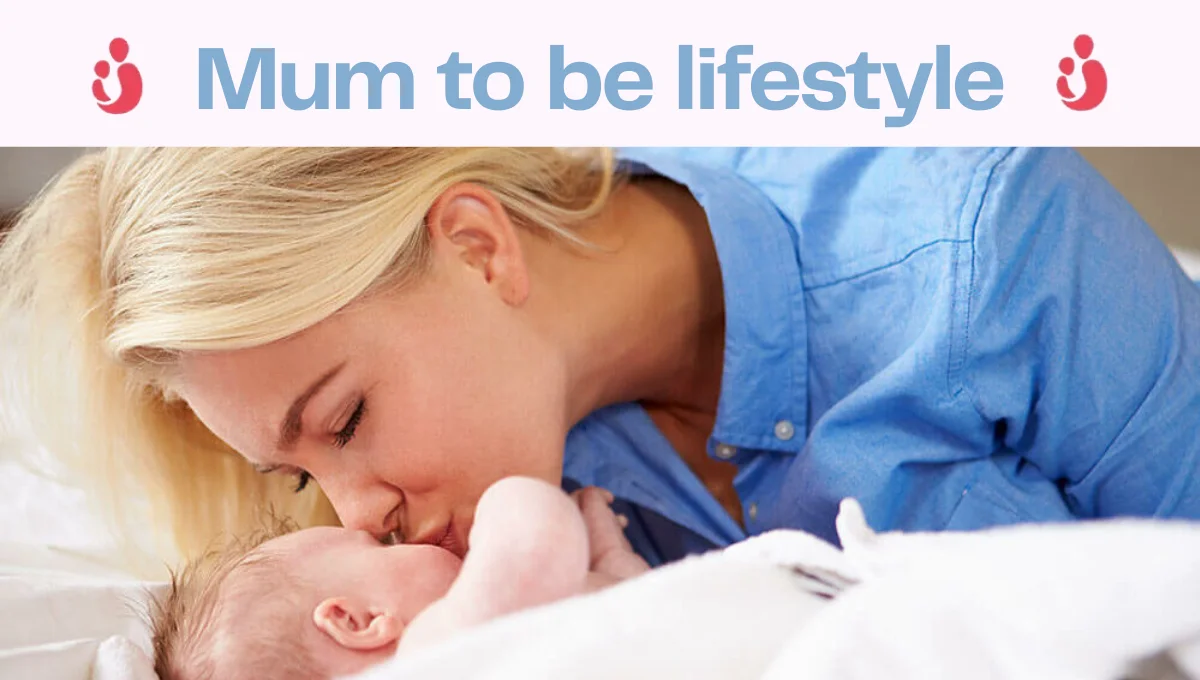
Second Trimester start time and some important information:

  • Weekly calculation: The Second Trimester officially starts from the 14th week of pregnancy and it lasts until the end of the 27th week.
  • Monthly calculation: The fourth, fifth and sixth months of pregnancy—these three months together are called the second trimester.
  • Signs of relief: As this period begins, your appetite will start to return and your body will feel much lighter than before.
  • Reduced risk: The risk of miscarriage is much lower during this period compared to the first trimester, which is a great relief for parents.
  • Physical changes: From this time on, your old tight clothes will start to become smaller and you will need to wear loose, comfortable clothes.
  • First feelings: Around the middle of this trimester (usually between 18-20 weeks), you will feel the first movements or gentle tapping of the baby.

Changes in the mother’s body in the second trimester

The most visible changes in the mother’s body begin to occur in this second stage of pregnancy or the Second Trimester. After overcoming the discomfort of the first three months, the body now gradually adapts to pregnancy. As your uterus or baby’s room starts to grow, the shape of the belly becomes clear and the waist starts to widen a bit. Many mothers notice that their hair has become thicker and shinier than before, and their nails are also growing faster. However, due to the growth of the uterus, your body’s center of gravity changes, which may result in some changes in walking. Although the body feels quite heavy at this time, you will feel much more refreshed mentally.

Changes in the body that you will notice during this time:

  • Baby bump: Your stomach will now hang forward a little or take a round shape, which will make it clear from the outside that you are going to be a mother.
  • Skin changes: Many people have stretch marks on their stomach or thighs. In addition, light spots may appear on the cheeks or forehead, which is called the ‘pregnancy mask’.
  • Gum problems: Due to the influence of hormones, the gums often become soft and may bleed while brushing.
  • Waist and back pain: The weight of the baby puts pressure on the spine, which can sometimes cause mild pain in the waist or back.
  • Swelling of the legs: Due to increased blood circulation and water retention in the body, the legs may swell slightly if you stand for a long time.
  • Breast changes: The size of the breasts increases and the breasts become heavier and more sensitive than before due to the preparation for milk production.

You need enough rest to cope with all these changes happening inside the body. When the uterus grows upwards during the second trimester, it puts a little pressure on the lungs, due to which you may feel like you are panting slightly while climbing stairs. Again, sleeping on your left side instead of lying straight while sleeping is the most comfortable for your and the baby’s blood circulation at this time. Remember, every change is part of preparing to bring your child into the world, so it’s wise to embrace these new changes with a smile.

Decreased nausea

Those who have gone through the first three months of pregnancy know how painful nausea can be. But the start of the second trimester means a great opportunity to get rid of this discomfort. It is called the time to say goodbye to ‘morning sickness’. In most expectant mothers, it is seen that by the time you reach the 14th or 15th week of pregnancy, the constant nausea or the strong smell of food completely subsides. You will suddenly wake up one morning and feel that your body feels much lighter and you are no longer vomiting like before. This change will bring a different peace to your mind, because you can taste your favorite foods again.

What happens after nausea subsides:

  • Appetite for food: The names of the foods that used to make you vomit until now, will make you eager to eat them in the second trimester.
  • Energy returns: As vomiting decreases, the body gets proper nutrition, as a result, your tiredness throughout the day disappears and your work capacity increases.
  • Digestive ability: Digestion becomes much easier for you than before as stomach discomfort decreases.
  • Peace of mind: Since you don’t have to worry about vomiting all the time, you regain your confidence when going out or interacting with people.
  • Nutritional deficiencies: Since you don’t vomit during this time, you can ensure the proper growth of your baby by eating nutritious food to your heart’s content.

The disappearance of nausea is a positive signal for your body that your hormones have now adjusted well to pregnancy. However, remember that not everyone’s body is the same. In some cases, there may be a little nausea at the beginning of the second trimester, but it is not as intense as in the first three months. During this time, you should forget about those miserable days of vomiting and drink more water and follow a healthy diet. No vomiting does not mean eating too many fried foods, but the real task now is to choose foods that are good for you and your baby.

Power begins to increase

The desire to lie down all the time or the feeling of giving up on your body during the first three months of pregnancy starts to disappear like magic in the Second Trimester. This is called the most ‘energetic’ period of pregnancy. When the hormonal fluctuations settle down a little, the body regains its vitality. You will feel that the tasks that used to take you like a mountain to do in the first trimester, you are now doing them quite effortlessly. Due to this extra energy, your mind is also quite alert, which helps you to organize your preparations for becoming a mother in advance.

Positive changes that come to your life due to the increase in energy during this time:

  • Relief from fatigue: That annoying feeling of falling asleep suddenly during the day or messing up your body reduces a lot in this Second Trimester.
  • Concentration on work: If you are an employee or do housework, you will see that you are now able to complete the tasks with much more concentration.
  • Desire for exercise: As the body’s inertia is reduced, there is an incentive to do light walking or pregnancy yoga during this time.
  • Sociability: As fatigue decreases, the mood is created to spend time with relatives or friends and go out for a walk.
  • Home preparation: This is the best time to do hard work like shopping for the baby or cleaning the house.

The main reason for this extra energy in the body is that your placenta or womb is now fully formed and it has shared the responsibility of taking care of the baby. By utilizing this Second Trimester period, you can increase your stamina further through nutritious food and light physical exercise. However, remember, do not lift anything heavy or put excessive pressure on your body just because you feel more energetic. Enjoy this leisurely time, listen to music, read books and prepare yourself with a cheerful mind for the days ahead.

Discover more here: Early detection pregnancy test

The stomach starts to grow.

When you reach the second trimester of pregnancy, when you stand in front of the mirror, you will see the biggest change in your body—your growing belly. Although no one outside may notice it much during the first three months, during this time the uterus starts to expand upwards and forwards. This is what we affectionately call the ‘baby bump’. As your belly grows, the existence of the little one inside you will now feel much more real. Your old clothes will now feel tight around the waist, reminding you that a new life is growing rapidly inside you.

Things you will notice as your belly grows:

  • Changes in clothing: From now on, you will need to wear loose or maternity clothes, so that there is no pressure on your belly.
  • Stretch marks: Due to the tightening of the skin, there may be mild itching on the belly and some white or pink spots or stretch marks may appear.
  • Changes in the navel: In many cases, the belly button may protrude outwards due to the growing belly, which is very normal during pregnancy.
  • Body Balance: The increasing size of your belly changes your body’s center of gravity, so it is important to be careful while walking.
  • Feeling heavy: Due to the growing belly, doing things like bending over or tying your shoelaces may seem a bit difficult towards the end of this Second Trimester.

However, a growing belly does not mean that your back or waist will hurt a lot. If you practice sitting and sleeping in the right position, you will be able to enjoy this change quite a bit. You can use a good quality moisturizer or coconut oil to reduce the itching caused by the tension in the belly skin during this time. A growing belly is not just a physical change, it is a symbol of your pride in motherhood. So welcome this beautiful time with joy and confidence.

Feeling baby move

The most magical moment of the second trimester of pregnancy is when the mother feels the baby’s gentle movements inside the womb for the first time. This feeling usually begins between 18 and 24 weeks, which many call ‘quickening’. At first, it may feel very light, like butterflies flying or popping bubbles in the stomach, which takes a while for first-time mothers to understand. But as time passes, these movements become more pronounced and the mother realizes that her baby is moving its arms and legs or digging inside. This movement of the baby is not only a joy, but it is also a big sign of the baby’s well-being. This sweet feeling is felt the most when you sit or lie down quietly, which creates an invisible but deep bond of love between the mother and the baby.

Hands and feet forming

During the second trimester of pregnancy, the baby’s physical structure begins to develop at an incredible pace. In particular, the baby’s arms and legs are now much longer and stronger than before. It is at this time that the baby’s elbow and knee joints start working, which allows him to fold his arms and legs or kick inside the womb. What is more surprising is that at this time, the baby’s tiny fingers separate from each other and their own unique ‘fingerprints’ or fingerprints begin to form on the tips of their fingers. The baby’s feet and palms are now fully formed, and he can even touch his face with his hands or hold the umbilical cord tightly. The bones gradually harden during this time, which makes the baby more active, and you can feel these movements of his arms and legs as light taps from outside the womb.

Baby’s heartbeat can be heard

  • Clear heartbeat: The baby’s heartbeat becomes much stronger during this time.
  • Doppler use:During regular checkups, doctors can use a ‘Doppler’ device to let you hear the baby’s heartbeat.
  • Bonding with mother: Hearing the baby’s heartbeat for the first time is one of the most emotional and memorable moments for parents.
  • Signs of health: A regular and rhythmic heartbeat proves that your baby is growing healthily inside.
  • Fast pace: Remember a baby’s heartbeat beats almost twice as fast as an adult’s.

What precautions should you take in the Second Trimester?

The second trimester of pregnancy is the most comfortable, but it is very important to follow some extra precautions during this time. Since your belly starts to grow and the amount of blood circulation in your body increases during this time, even a small carelessness can cause major discomfort. Feeling light during this time does not mean that you will do everything in a hurry like before. Rather, from now on, you will have to pay more attention to the balance of your body and the safety of your baby. If you are a little aware of everything, from proper eating habits to the way you walk, you will be able to pass this wonderful time without any complications.

Special precautions that you should take during this time:

  • Do not lift heavy objects: It is strictly forbidden to lift heavy buckets, furniture or heavy bags during this time, as it can put extra pressure on the uterus and back muscles.
  • Sleeping position: Always try to sleep on your left side; this allows the blood and nutrients to flow best to the baby.
  • Comfortable shoes: Avoid wearing heels completely, as your body’s center of gravity changes and you run the risk of falling; always wear flat and soft shoes.
  • Travel precautions: Avoid long journeys or bumpy roads. If you are going somewhere far, be sure to consult your doctor first.
  • Avoid standing for long periods of time: Standing for long periods of time can cause swelling of the feet or dizziness, so take breaks between work.
  • Caution in medication: Do not take common gastric or painkillers without consulting a doctor, because every medication can now affect your baby.

Finally, remember, your body will tell you when it is tired. Whenever you feel unwell or feel very tired, rest immediately. Although minor pain or tension is normal in the Second Trimester, if you notice anything like bleeding, severe abdominal pain or a sudden decrease in the baby’s movements, contact your doctor without delay. Regular health check-ups and staying cheerful are the best precautions at this time. Give yourself time and enjoy these beautiful days, because you are now going through a wonderful experience of motherhood.

Some common problems in the second trimester

Even though the body is quite settled during this middle period of pregnancy, it is not that there are no problems at all. Rather, as the belly grows, some new minor troubles arise for which you need to be mentally prepared. At this time, due to the enlargement of the uterus, you may feel a kind of tension around the stomach or waist, which can make you quite uncomfortable at times. Also, due to hormonal changes in the body, digestive problems or heartburn are also very common. Although these problems are not very serious, you should be careful so that they do not cause too much disruption in your daily life.

The problems that you may face during this time are:

  • Constipation or not clearing the stomach, which can make you uncomfortable throughout the day
  • Swelling and heaviness in the legs when standing or sitting for a long time
  • Sudden tension in the leg muscles during sleep at night and severe pain
  • Problems such as bleeding from the gums or softening of the gums due to hormones
  • Sudden dizziness or feeling very weak, which can be due to blood pressure
  • Ripening of the skin of the abdomen Itching all the time due to stretch marks

Since a new life is taking place inside your body, there is no choice but to accept these small changes. However, if you drink enough water regularly and include fibrous foods in your diet, you will get a lot of relief from stomach problems. And if you keep your legs a little elevated with a pillow under your legs while sleeping, swelling or pain in your legs will be reduced to a great extent. Remember that whenever your body gives you any signal, give yourself some time and do not worry at all because these problems come for a very short time and then go away with time.

When is it necessary to see a doctor?

Although the Second Trimester of pregnancy is usually very comfortable, if you suddenly experience some symptoms, you should consult a doctor without delay because a little awareness can prevent any major danger. Regular checkups cannot be stopped just because your body feels good. Rather, you should keep a close eye on every change in your body. Many times, we consider minor pain or discomfort to be normal and ignore it, which is not right at all. Therefore, it would be wise to contact your doctor immediately if the following symptoms appear.

  • Take immediate action if you see any symptoms.
  • Any type of bleeding or abnormal fluid discharge from the vagina.
  • Unbearable severe pain in the lower abdomen or waist that does not subside even after resting.
  • Suddenly decreasing or not being able to feel the baby’s movements at all.
  • Sudden swelling of the hands, feet or face accompanied by severe headache.
  • Feeling of body chills with repeated vomiting or fever.
  • Having blurred vision or problems like dizziness all the time.

Follow these precautions to keep your pregnancy as safe as possible. It is very important to walk. Don’t be afraid of any symptoms, but don’t neglect them either, because as a mother, your first responsibility is to ensure the safety of yourself and your baby. If you feel anything unusual, don’t hesitate to call the doctor or go to the hospital. Your right decision at the right time will make it easier for your unborn child to see the light of the world, so take care of yourself and always be vigilant.

General Questions and Answers about Second Trimester FAQ

What changes occur in the body during the second trimester of pregnancy?

Your uterus begins to enlarge during this time and your belly button becomes more prominent. This is commonly called the “baby bump.” Hormonal changes can cause dark patches (melasma) or a dark line (linea nigra) from the navel to the bottom of the uterus. Breasts also increase in size and in some cases, a light discharge may occur. The mother experiences a “pregnancy glow” as blood circulation increases, but this can also cause problems such as a stuffy nose or bleeding gums.

When will I feel my baby move?

Quickening

The baby’s movements are usually first felt between 16 and 24 weeks of pregnancy. At first, it feels like butterflies fluttering in your stomach or a light bubble rising. If you’ve been a mother before, you might feel it as early as 16 weeks, but if you’re a first-time mother, it may take around 20 weeks. These movements become more pronounced and regular after 24 weeks.

What tests are important to do at this time?

Anomaly Scan

This important ultrasound is done between 18 and 22 weeks. It checks whether every organ of the baby’s body is formed properly and whether there are any birth defects.

Glucose Screening

This test is done between 24 and 28 weeks to detect gestational diabetes. It ensures that your body is able to process sugar or glucose properly.

Regular Checkups

At each visit, the doctor will check your blood pressure, weight, and fundal height. In addition, blood and urine tests may be done as needed to check for anemia or other infections.

Common Problems and How to Deal With Them

Back and Back Pain

As the baby grows, the body’s center of gravity changes, which puts pressure on the back. Avoiding high heels, using pillows between your knees while sleeping, and bending over to avoid lifting heavy objects can help reduce this pain.

Leg cramps

The leg muscles may usually feel tight at night. Drinking enough water, eating foods rich in calcium and magnesium, and doing light stretching before bed are very beneficial.

Constipation and Gastric

As the digestive process slows down due to hormones, acidity and constipation may occur. Eat more fibrous foods (vegetables, fruits) and make it a habit to eat small, frequent meals rather than eating too much at once.

Conclusion 

During this stage, the baby’s organs and nervous system develop rapidly, which lays the foundation for his future health. For the mother, it is a time to adapt to physical changes, where proper rest and nutrition are essential. This 14 to 27 week experience is unique for every mother, taking her one step closer to the fullness of motherhood.

What to do next

During this period of pregnancy, you should create a specific birth plan and practice regular light exercise. It is also a good idea to finish shopping for baby essentials and packing the hospital bag at this time, as the body can become much heavier in the next three months.

  • Key tips for staying healthy
  • Eat enough calcium and iron-rich foods.
  • Make sure to drink at least 8-10 glasses of water every day.
  • Understand your body’s signals and get enough rest if you feel tired.

Nusrat Ayaan

27/01/2026
Early Pregnancy Cramps

Why do you feel abdominal pain or cramps in early pregnancy? Normal symptoms and precautions

Why does abdominal pain occur in early pregnancy?

It’s normal to feel a little cramping or mild pain in your abdomen early in pregnancy. This is medically known as pelvic cramping. This discomfort occurs when your body goes through hormonal changes and your uterus begins to expand to accommodate a new baby.

Many women experience mild cramping or pain in their lower abdomen early in pregnancy. This feeling is not very intense, but it can be uncomfortable. Sometimes it feels like your period is about to start. So it’s normal to be scared or confused about it at first.

In fact, early pregnancy cramps are normal in many cases. The body then starts to adapt to a new situation internally, and this type of cramping or pain is felt as part of that process.

Why Cramps Occur in Early Pregnancy

A mild cramping or menstrual-like feeling in the lower abdomen is a very common symptom in early pregnancy. This is called ‘pregnancy cramps’. Many times, when this pain is accompanied by early pregnancy sporting look alike or light spotting, many people mistake it as a sign of the onset of the period. But in fact, it is a normal process of the body preparing for pregnancy.

Below are the main reasons for cramps or cramping in the abdomen in the beginning:

1. Implantation

When the embryo implants itself firmly in the uterine wall, the uterine muscles experience mild contractions or stretching. This usually happens a few days before your expected period. This is why you may experience mild pain and light bleeding.

2. Rapid growth and dilation of the uterus

To maintain the pregnancy, the uterus starts to grow beyond its normal size. When the ligaments and muscles supporting the uterus stretch, cramp-like pain is felt in the lower abdomen or on both sides.

3. Effect of progesterone hormone

As a result of the increase in progesterone hormone in the body, the muscles of the intestines relax. This slows down the digestion process and causes gas or constipation in the stomach. Sometimes the pressure of this gas can also feel like cramps in the lower abdomen.

4. Increased blood circulation

After pregnancy, the blood flow to the uterus increases many times. Due to this increased blood pressure, a kind of heaviness or mild tingling pain can sometimes be felt in the lower abdomen.

What can you do to reduce this discomfort?

  • Change position: If you feel pain while lying on one side, turn to the other side. Sometimes even walking for a while reduces gas pain.
  • Rest: Excessive physical exertion can increase cramps, so get enough rest.
  • Warm compresses: Applying a warm water bag or warm towel to the lower abdomen relaxes the muscles and provides comfort.
  • Loose clothing: Avoid tight clothing that puts pressure on the abdomen and wear comfortable cotton clothing.

What do these cramps usually feel like?

 Early pregnancy cramps or cramping can vary from person to person. However, most women compare them to menstrual cramps, although they are usually less severe.

If you have early pregnancy spotting or light spotting, these cramps can also typically feel like:

1. Mild cramping or twisting sensations

Many describe them as a “squeezing” or mild cramping sensation in the abdomen. They are not continuous but come and go in and out.

2. Pre-period-like

These cramps are similar to the heaviness or discomfort you feel in your lower abdomen just before your period. Many women think they are about to get their period, but they are actually a sign of pregnancy.

3. A pulling sensation

As the uterus expands, it may feel as if someone is pulling the muscles in your lower abdomen. You may feel a sudden, sharp pulling sensation on one or both sides of your abdomen, especially when you sneeze, cough, or stand up quickly from a sitting position.

4. Mild pain on one side of your abdomen

After ovulation, a small cyst (Corpus Luteum) forms in the ovary where the egg came from. This can cause mild discomfort or pressure on either the left or right side of your abdomen.

H2: Difference between cramps and menstrual pain

It can be difficult to differentiate between early pregnancy cramps and period pain because both are felt in the lower abdomen. However, by paying attention to some very subtle things, you can understand whether it is your period or a sign of pregnancy.

If your body is experiencing early pregnancy sporting a look-alike (light spotting), it is important to compare the following differences:

1. Intensity of Pain

Pregnancy cramps: These are usually quite mild or mild. They feel like a slight pulling or squeezing sensation in the abdomen.

Menstrual pain: Period pain is usually much more intense and painful. It increases over time and often makes it difficult to perform daily activities.

2. Persistence and Nature of Pain

Pregnancy cramps: This pain is not continuous but comes and goes after a while. It can last for a few hours or a maximum of 1-2 days.

Menstrual cramps: Pain starts 1-2 days before the period starts and can last for several days during the period.

3. Location of pain

Pregnancy cramps: It is mainly felt in the middle of the lower abdomen or on one side (left or right). Sometimes it is limited to only one place.

Menstrual cramps: This pain occurs throughout the lower abdomen and often spreads to the waist or lower thighs (radiating pain).

4. Bleeding pattern

This is the biggest way to differentiate:

  • During pregnancy (implantation): Light bleeding or early pregnancy-sporting look-alike occurs which is only seen in a few drops or smears. Its color is usually light pink or brown.
  • Menstruation: Although the bleeding starts lightly, it quickly turns red and increases in amount. Small blood clots are often seen in this.

How long can early pregnancy cramps last?

These cramps or stomach cramps in early pregnancy usually do not last very long. However, they can last from a few days to a few weeks as the body adapts to pregnancy.

The timing is discussed in detail below:

1. Implantation Cramps

The pain that occurs when the fertilized egg implants itself in the uterine wall can usually last 1 to 3 days. It ends a few days before your expected period. This pain is mainly accompanied by early pregnancy spotting or light bleeding.

2. First Trimester

The tension felt due to the uterus growing and ligaments stretching may return occasionally during the first few weeks of pregnancy (usually up to 12 weeks). It is not continuous, you may feel this tension for a few seconds or minutes when you suddenly move or cough.

3. General persistence

For most women, this discomfort does not occur every day. It may be felt 1-2 times a week or at certain times of the day, and it will go away after a few weeks as the body adjusts to the hormones.

When is persistence a concern?

If your pain is like the following, it may not be a normal pregnancy cramp:

  • Continuous for several days: If the pain is continuous for several days and does not subside at all.
  • Increasing intensity: If the intensity of the pain increases instead of decreasing over time.
  • Not relieved by rest: If the pain does not subside even after lying down or resting.

Some tips to reduce pain:

  • Rest: When cramps start, lie down quietly for at least 20-30 minutes.
  • Position change: Try to lie down without putting pressure on your stomach.
  • Warmth: Drinking lukewarm water relaxes the muscles and reduces abdominal discomfort.
  • Special Note: If these cramps persist for a long time and are accompanied by bright red bleeding, contact a doctor immediately.

Mild cramps or stomach cramps in early pregnancy can be uncomfortable. Since the body is very sensitive during this time, caution is essential before taking any action. Usually, following some simple home remedies can provide quick relief from this pain.

If you have early pregnancy sporting look alike or light spotting and are accompanied by cramps, you can follow the following methods:

1. Change body position and rest

When cramps start, stop all activities immediately and rest. Many times, standing or sitting continuously puts pressure on the ligaments of the uterus, causing pain.

  • Lie on your left side: Lying on your left side increases blood circulation in the uterus and relaxes the muscles, which provides relief.
  • Elevate your legs: While sleeping, placing your legs slightly higher with a pillow under your feet reduces pressure on your stomach.

2. Apply light heat

A hot water bath is very effective in reducing muscle contractions. However, care should be taken that the water is not too hot.

  • Light hot water bag: You can keep a light warm water bag on your lower abdomen or below your waist for 10-15 minutes.
  • Bath in warm water: Bathing with warm water relaxes the muscles of the whole body and brings mental peace.

3. Adequate water and liquid food

If there is a lack of water or dehydration in the body, the tendency to get muscle cramps increases.

  • Drink at least 8-10 glasses of water a day.
  • You can drink coconut water or fresh fruit juice, which will help maintain the balance of electrolytes in the body.

4. Control gas problems

During pregnancy, gas in the stomach can cause cramps due to the progesterone hormone. To reduce this:

  • Make a habit of eating small meals frequently rather than eating too much at once.
  • Avoid excessively oily, spicy or fried foods.
  • Take a light walk indoors for 5-10 minutes without lying down immediately after eating.

5. Deep Breathing (Relaxation)

Sometimes, muscle tension can increase due to anxiety or stress. Take slow, deep breaths through your nose and exhale through your mouth. This relaxation technique helps to relax the muscles of the uterus.

While mild cramping or pulling is common in early pregnancy, not all cramps or pain should be considered normal. Some pain can be a sign of a serious medical condition. It is especially important to be alert if you experience any of the following symptoms especially if you are experiencing early pregnancy like cramping or bleeding.

Here are some signs of cramping that are not normal:

1. Severe and one-sided pain

If you experience sharp, stabbing pain on the right or left side of your abdomen instead of in the middle, it is not normal. This could be a sign of an ectopic pregnancy, where the embryo is growing outside the uterus (usually in the fallopian tube). This is a medical emergency.

2. Severe cramping

If the pain is much more severe than your normal menstrual cramps and is unbearable, it could be a sign of danger. Especially if the pain is accompanied by chills or heavy sweating.

3. Cramps with bleeding

Light spotting or bleeding can be normal in early pregnancy, but if the cramps are accompanied by bright red bleeding and clots, it can be an early sign of miscarriage.

4. Dizziness or fainting

If you feel extremely weak, dizzy, or faint with cramps, it can be a sign of internal bleeding or a serious hormonal imbalance.

5. Abdominal pain with fever

If abdominal cramps are accompanied by a high temperature (100.4°F or higher) and chills, it indicates an infection in the uterus or body.

6. Shoulder Tip Pain

This may sound strange to many, but if you experience severe pain in the tip of your shoulder along with abdominal cramps, it is a major sign of internal bleeding (which occurs in cases of ectopic pregnancy).

It is very common to confuse the two as both gas or digestive problems and pregnancy cramps are felt in the lower abdomen in early pregnancy. Interestingly, the pregnancy hormone (progesterone) is often the main cause of these gas and digestive problems.

Discover more here:

If you experience early pregnancy spotting or light spotting, look for the following differences to help you understand whether the pain is from gas or uterine dilation:

1. Type and location of pain

Gas pain: This pain is usually not in one specific place and can move around in the abdomen. It can feel like a sharp pinching or biting sensation, and sometimes it feels like something is stuck in the abdomen.

  • Pregnancy cramps: This is usually felt in the lower or middle of the abdomen. It is a bit like menstrual cramps, a “crunching” or mild cramping sensation.

2. Associated symptoms

Gas or digestive problems: Along with pain, there are symptoms such as bloating, repeated passing of air sour belching or constipation. Many times this discomfort increases immediately after eating.

  • Pregnancy cramps: This pain is not related to gas or belching. However, it may be accompanied by breast tenderness, fatigue or light spotting.

3. Ways to get relief

  • Gas pain: This pain quickly decreases after walking for a while, exercising or passing air.
  • Pregnancy cramps: This usually decreases when you rest or lie down. Walking or exercising can increase this pain.

Why is there more gas during pregnancy?

As soon as pregnancy begins, the hormone progesterone increases in the body. This hormone relaxes the muscles of your body, which slows down the digestive process. As a result, gas accumulates in the stomach and discomfort or cramps are felt due to the swollen stomach.

While mild discomfort or cramps are normal in early pregnancy, there are certain situations that should not be ignored. Especially if your body is experiencing early pregnancy-like or light spotting, it is very important to understand when the situation is becoming serious.

You should immediately consult a doctor if you experience any of the following symptoms:

1. Severe and unbearable pain

If the pain is so severe that you are unable to move or work normally, it is a danger signal. Especially if the pain is felt intensely on one side of the lower abdomen (right or left). This can be a sign of ‘ectopic pregnancy’ (pregnancy outside the uterus) which can be life-threatening if not treated promptly.

2. Heavy bleeding

Light spotting or spotting may be normal, but if bright red bleeding starts like a period and is accompanied by small or large blood clots, see a doctor immediately. This can be a sign of miscarriage.

3. Dizziness or fainting

If you feel extremely weak, your vision goes dark, or you faint, you may have internal bleeding or another serious problem.

4. Fever and chills

If you have abdominal pain during pregnancy and a body temperature of 100.4°F or higher, it indicates an infection in the uterus or bladder. If not treated on time, it can be risky for the pregnancy.

5. Burning or difficulty urinating

If you have frequent urination along with cramps or a severe burning sensation while urinating, you may have a urinary tract infection. It is not right to ignore a UTI during pregnancy.

6. Shoulder pain or unusual pressure

If you feel severe pain in the neck or shoulder joint while lying down, it can be an indirect sign of internal bleeding in the lower abdomen.

Things to bring with you before going to the doctor:

  • The date of your last period.
  • Whether you have taken a pregnancy test and what the results were.
  • When did the pain start and what type of pain it is (gnawing or stabbing).
  • Whether you are currently taking any other medications.

Conclusion

This early stage of pregnancy is very sensitive both physically and emotionally. It is natural to experience mild cramps or mild cramps in the abdomen due to the sudden hormonal changes in the body and the beginning of a new life. In most cases, these symptoms are nothing to worry about and are a positive sign that your body is preparing for a healthy pregnancy.

However, it is most important to be aware of your body and pay attention to the little things during this time. If you have mild pain with an early pregnancy-like appearance or light spotting, it could be good news for a new journey.

Progesterone Levels in Early Pregnancy Chart

How do progesterone hormone levels increase at the beginning of pregnancy?

How does progesterone increase in early pregnancy?

 Progesterone is called the ‘pregnancy hormone’. It works like magic in your body from the beginning of pregnancy. Simply put, every month when an egg is released from your ovary, a temporary gland called the ‘corpus luteum’ is formed there. This gland starts producing progesterone.

 If you are pregnant, the amount of this hormone increases by leaps and bounds. It makes the walls of your uterus like a soft mattress, so that the baby can grow safely there. Many times, the muscles of the body relax due to the effect of this hormone, due to which you can experience symptoms like twisting in the stomach or early pregnancy sporting a look like.

What is the progesterone hormone?

Simply put, progesterone is a hormone that plays a major role in maintaining pregnancy and keeping the baby safe in the mother’s uterus. It is also sometimes called the ‘mother hormone’ or ‘pregnancy hormone’. This hormone acts as a shield throughout the entire pregnancy, from regulating your period cycle to supporting it. Only when progesterone levels are right can an embryo implant firmly in the uterine wall, which can sometimes be seen through light early pregnancy-sporting spotting or implantation bleeding.

Functions and importance of progesterone hormone

Here’s what exactly this hormone does in your body:

  • Building the uterine wall: After your period, it thickens and nourishes the inner layer of the uterus (Endometrium) so that the embryo can find food and shelter there.
  • Protecting the fetus: It keeps the uterine muscles calm so that there are no premature contractions, which helps prevent miscarriage.
  • Helps in the production of breast milk: Changes the breast tissue during pregnancy so that the baby can receive breast milk after delivery.
  • Regulating the immune system: It regulates the body’s immune system in such a way that your body accepts the fetus without considering it an enemy.
  • Helpful signs: This hormone causes a slight increase in body temperature, which many people can see when they are pregnant or ovulating.

Role of progesterone in early pregnancy

In the first three months of pregnancy or Early Pregnancy, the progesterone hormone is called the “lifeline”. Without it, it is almost impossible to sustain a pregnancy. In early pregnancy, this hormone acts like a skilled manager inside your body that keeps everything in its right place. When the embryo takes shelter in the uterus, progesterone ensures that the uterus does not expel it. The manipulation of this hormone increases blood circulation inside the uterus, which can sometimes appear as early pregnancy sporting a look like or mild implantation spotting.

Main functions of progesterone in Early Pregnancy

Below are the important roles of this hormone in simple terms:

Maintaining the lining of the uterus: Progesterone does not allow the inner wall of the uterus to break down. If this hormone decreases, bleeding like the start of a period can occur.

Preventing miscarriage: It keeps the uterine muscles relaxed. If the uterus contracts repeatedly, there is a risk of miscarriage. Progesterone stops those contractions and protects the fetus.

Support until the placenta is formed: Progesterone ensures the supply of nutrients to the fetus until the placenta or womb is fully formed for the first 10-12 weeks of pregnancy.

Formation of cervical plug: It creates a thick mucus or sticky coating at the mouth of the uterus so that no outside bacteria or infection can enter the uterus and harm the baby.

Changes in digestion: It relaxes all the muscles in the body, which slows down the work of the stomach. Due to this, you may experience stomach cramps or gas problems.

Progesterone levels in early pregnancy

Here are the changes in progesterone in the very early days of pregnancy:

Surge after ovulation: Progesterone starts to increase when the egg is released from the ovary. If pregnancy occurs, this level does not decrease but continues to increase.

Being above 10 nanograms: According to doctors, for a healthy pregnancy, the level of this hormone is usually above 10 ng/mL at the very beginning of pregnancy. However, sometimes it can be as high as 20 or 30 ng/mL.

Symptoms: Due to the increase in progesterone during this time, your body temperature may increase slightly (it may feel like 99 degrees Fahrenheit).

Protecting the lining of the uterus: The hormone causes the blood vessels inside the uterus to dilate so that the embryo can receive nourishment. At this time, the blood vessels rupture, which is often the symptom of early pregnancy sporting a look-alike.

Muscle relaxation: Early on, progesterone causes your intestinal muscles to relax, which can cause symptoms like bloating or constipation.

What do you feel when your progesterone levels are low?

If progesterone levels don’t rise enough in the beginning, your body can’t maintain the lining of your uterus. This can cause bright red bleeding that resembles your period, which many people mistake for the normal early pregnancy spotting. If the bleeding is accompanied by severe abdominal pain, it could be a sign that your progesterone levels are dropping.

What can you feel if you have high progesterone?

High progesterone levels in the body are usually a positive sign of a healthy pregnancy. However, when this hormone increases too much, its effects on various parts of the body become clear. Progesterone mainly relaxes the muscles of the body, and because of this relaxation, you may feel some physical discomfort. In the beginning of pregnancy, when the fetus establishes itself in the uterus and the hormone increases, many people experience symptoms like early pregnancy sporting a look-alike or light spotting, as well as severe fatigue.

Changes that occur in the body when progesterone is high

You can understand if your progesterone levels are quite good or high by looking at the symptoms given below:

Prolonged sleepiness and fatigue: Progesterone acts like a natural sleeping pill on the brain. So if this hormone is high, you will feel very tired and sleepy all day long.

Slow digestion: It relaxes the muscles of the intestines, so it takes a long time to digest food. This can cause gas, heartburn, and constipation.

Morning Sickness: The hormones progesterone and hCG together make the stomach sensitive, causing nausea in the morning or at the smell of food.

Breast Changes: This hormone activates the mammary glands. As a result, the breasts may be much heavier, softer, and may feel sore to the touch.

Increased Body Temperature: Progesterone increases the body’s metabolism, which can cause your body temperature to be slightly higher than normal (around 99° Fahrenheit).

Mood Swings: Hormonal imbalance can cause sudden mood swings, crying spells, or excessive irritability.

Can you tell everything by just looking at the chart?

 No, it is not possible to understand the entire status of pregnancy by just looking at a chart or a number of lab reports. Although the Progesterone levels in early pregnancy chart gives us a general idea, everyone’s body and pregnancy are different. Some people can give birth to a healthy baby even if their progesterone levels are near the lower end of the chart, while others may have other complications despite their levels being much higher. Therefore, it is more important to pay attention to your physical symptoms and doctor’s advice rather than considering the number on the chart as the last word. Sometimes, when the embryo is set in the uterus, early pregnancy can look like or light spotting, which can happen even though the progesterone level is normal.

You may also read: What does spotting look like in early pregnancy?

Why is the chart not enough?

You will understand why relying on the chart alone is not right after reading the reasons given below:

Laboratory differences: The testing method may be different in each laboratory, which may result in different results for the same blood sample in different charts.

Hormonal fluctuations: Progesterone levels can vary throughout the day. They can even change slightly depending on what you’ve eaten or how stressed you are.

Body type: Everyone’s body is different. What looks “low” on the chart may be perfectly adequate for your body.

Role of other hormones: A healthy pregnancy requires not only progesterone but also the right balance of hCG and estrogen hormones, which can’t be determined from a simple chart.

Asymptomatic problems: Sometimes, progesterone levels are perfectly normal on the chart, but other problems with the uterus can cause symptoms like early pregnancy-like cramping or pain.

How is the real decision made?

Doctors usually don’t just look at a blood test chart. They also do an ultrasound (USG) to check if the baby’s heartbeat is normal and the condition of the uterus. If your progesterone levels are a little low but everything is fine on the ultrasound report, there is nothing to worry about.

When to get a progesterone test

It is not mandatory for everyone to get a progesterone test early in pregnancy. However, in certain situations, doctors recommend doing this test to be sure. Especially when there is any discomfort in the body or there is a need for extra caution with the pregnancy. Many times, when a woman notices early pregnancy sporting look-alike or light spotting like a period, the doctor wants to see if the body’s progesterone level is sufficient to sustain the pregnancy.

Situations in which this test is necessary

Below are some of the main reasons when a progesterone test is needed:

Bleeding or spotting: If you have light vaginal bleeding (which we call early pregnancy sporting look-alike) in the first few weeks of pregnancy, a blood test can be used to see if the hormone level is decreasing.

Severe abdominal pain or cramping: If the lower abdomen is very twisted or there is severe pain on one side, doctors try to understand whether there is a risk of ectopic pregnancy through hormone tests.

If there is a history of previous miscarriages: In those who have a history of previous miscarriages, progesterone is checked immediately after pregnancy is confirmed so that supplements can be given at the beginning.

Infertility treatment: Progesterone levels are regularly monitored in those who have conceived artificially or with hormonal drugs.

If there is doubt on ultrasound: If there is any doubt about the growth of the fetus on ultrasonography, doctors want to be sure by looking at the hormone levels.

High-risk pregnancy: If the mother is older or has other hormonal problems in the body, it is safe to test progesterone at the beginning.

How does the test work?

This is a simple blood test. This blood can be given at any time of the day. After receiving the report, the doctors compare your results with the Progesterone levels in early pregnancy chart and take necessary action accordingly.

What to do to increase progesterone

If the progesterone hormone level in the body is low or if you want to make the pregnancy more secure, doctors take various measures. There are basically two types of methods to increase progesterone: medical methods and natural lifestyle changes. If you experience early pregnancy sporting look-alike or light bleeding, it becomes very important to give the body extra hormonal support so that the uterus can hold the fetus tightly.

1. Medical Treatments

When the hormone deficiency in the body is very high, doctors recommend giving progesterone supplements directly:

Progesterone tablets or pills: This is the most common method. Doctors usually recommend taking this medicine once or twice a day.

Vaginal suppositories or gel: It is used vaginally. Since it works directly near the uterus, its effectiveness is very fast and there are fewer side effects like nausea.

Hormone injections: If the risk of bleeding is high, doctors may give weekly or daily progesterone injections.

Cream: In some cases, progesterone cream is recommended for application to the skin, but it is less commonly used during pregnancy.

2. Natural Ways and Lifestyle

Although progesterone is not found in food directly, some habits and foods help the body produce this hormone:

Foods rich in vitamins B6 and C: Bananas, nuts, fish, and citrus fruits increase the body’s ability to produce hormones.

Foods rich in zinc: Pumpkin seeds, lentils, and red meat are good for uterine health and help in hormone secretion.

Reduce stress: Excessive worry causes the body to produce the hormone ‘cortisol’, which prevents the production of progesterone. Therefore, it is very important to keep the mind calm.

Adequate rest: When the body is at rest, the hormones get the opportunity to work at the right level.

Weight control: Even if the body weight is too high or too low, the hormonal balance is disrupted. However, eating nutritious food rather than losing weight during pregnancy should be the main goal.

Important Warning

Remember, never take hormone medication on your own just because of early pregnancy sporting a look-alike or any other symptoms. Excess progesterone can also be uncomfortable for the body at times. Always follow the dosage given by the doctor based on blood tests and ultrasound reports.

What is most important at this time

In early pregnancy, especially when your body is undergoing rapid hormonal changes and you are facing symptoms like early pregnancy sporting look-alike or light spotting, the most important thing is to listen to your body and be patient. This time is as much a test of your mental strength as it is of physical changes. For a healthy pregnancy, medication or diet alone is not enough, but your awareness and calmness play the biggest role.

5 things that should be your priority at this time:

Don’t panic: It is normal to feel nervous when you see a little bleeding or a twisting of the stomach, but excessive worry can further disrupt the hormonal balance of your body. Remember that early pregnancy sporting look-alike symptoms also occur in many healthy pregnancies.

Accurate information and expert advice: Although there is a lot of information on the internet, your doctor knows your body’s condition best. It is most important to talk to a specialist directly without taking medicine for any unusual symptoms.

Adequate hydration and nutrition: Your body is now working for two. So drinking plenty of water and eating easily digestible foods is very important. This will help reduce constipation or gas pains that can sometimes be mistaken for pregnancy cramps.

Physical and mental rest: During this time, your body uses a lot of energy to build your uterus and placenta. So, if you feel tired, do not force yourself and get enough rest. Sleep and rest help your progesterone hormone to function properly.

Monitoring the symptoms: Keep an eye on your body. Is the spotting increasing? Is the pain becoming unbearable? Noticing these small changes and keeping a note of them if necessary will help the doctor make the right decision at the next checkup.

Can progesterone fluctuations change symptoms?

In early pregnancy, progesterone hormone is not always the same. Some days it may be a little more and some days it may be a little less. Due to this fluctuation, many women notice that one day their body feels the same and the next day it feels a little different. This is nothing to be afraid of.

Changes that can be seen in the body during this hormonal fluctuation

  • • More sleep one day and less sleep the next day
  • • Sometimes mild discomfort in the lower abdomen and sometimes nothing
  • • Sudden changes in mood

These changes are often very subtle, so many people do not realize that hormones are working behind them. As long as there is no major problem such as severe pain or heavy bleeding, these fluctuations are usually considered normal.

The best thing to do at this time is

• Notice the changes in your body

• Don’t worry unnecessarily

• Get regular rest

 Conclusion

This early period of pregnancy is a combination of physical and emotional feelings. Starting from the effects of the progesterone hormone to the early pregnancy sporting look, each symptom confronts you with a new experience. Sometimes it is normal to feel worried when you see discomfort in your body or a little bleeding, but remember that in most cases these are part of a healthy pregnancy. Your body is now working day and night to contain a new life and it needs some time and patience to adapt to these changes.

Some final words for your coming days:

Awareness is protection: Notice every small change in your body. If the discomfort increases too much, do not hesitate to seek expert advice.

Stay positive: Keeping your mind calm and thinking positively will work like medicine to balance your hormones.

Scroll to Top