
First trimester | Momvity

When Does the First Trimester End

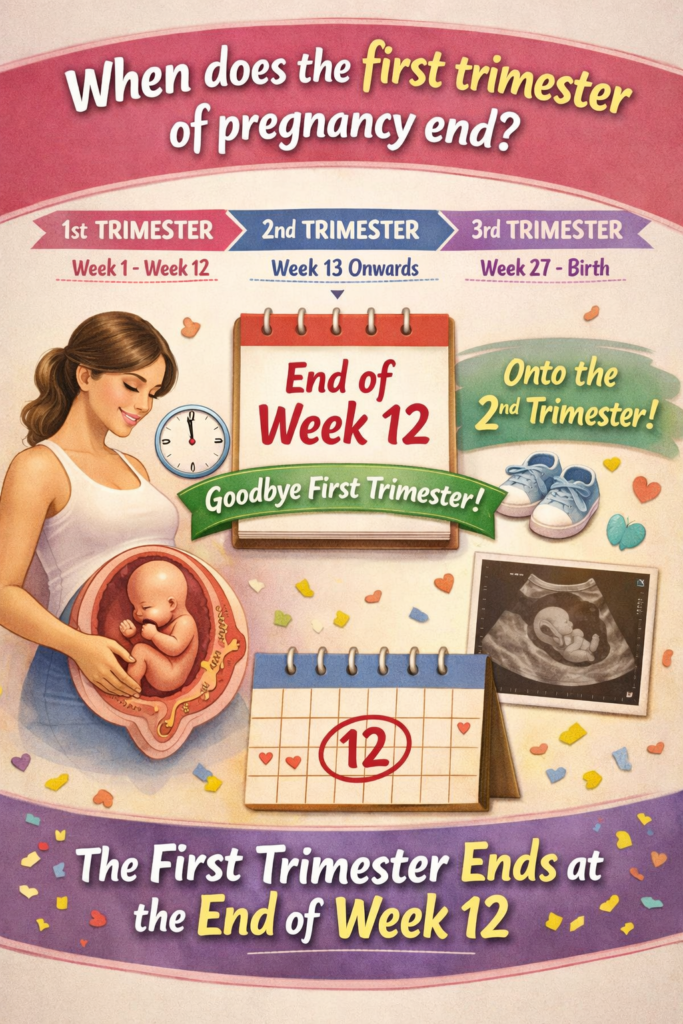
When does the first trimester of pregnancy end?

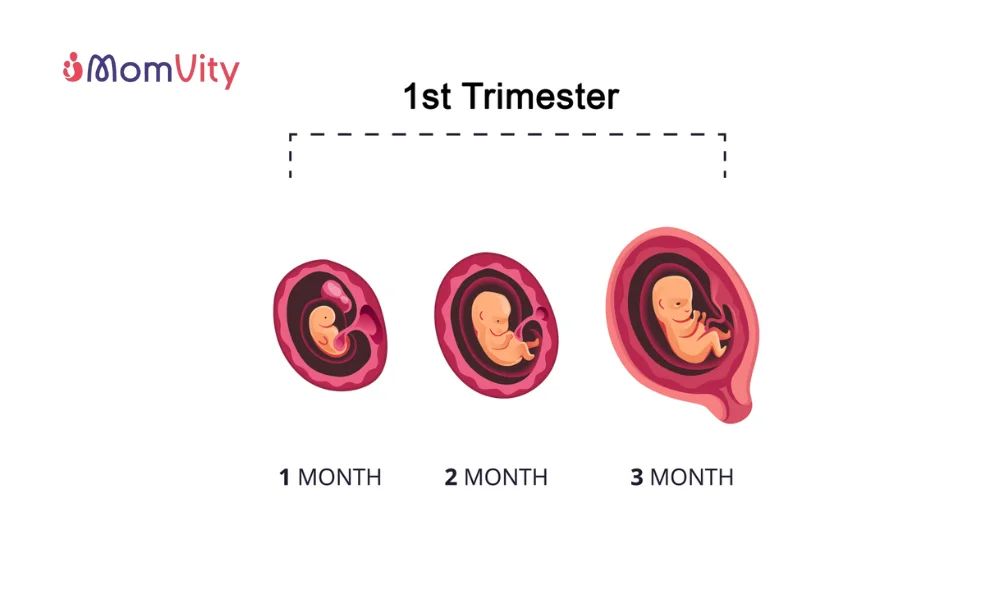
The first trimester of pregnancy officially ends at 13 weeks and 6 days. According to medical science, your second trimester begins when you reach the 14th week. This is roughly the end of the third month of pregnancy in terms of calendar months.

This is a major milestone for mothers, as the end of this stage marks the completion of the baby’s major body parts and, for most mothers, a sign of relief from the initial physical discomforts.

The exact time of the end of the first trimester

The exact time of the end of When Does the First Trimester End

 of pregnancy is 13 weeks and 6 days. Whenever you enter the 14th week, your second trimester or the middle stage of pregnancy officially begins. In medical science, pregnancy is usually considered a journey of 40 weeks which is divided into three parts. The first part begins from the first day of your last menstrual period (LMP). Although many people call it 3 months in terms of month the most accurate calculation for the proper development of pregnancy is the week calculation. This period of 13 weeks and 6 days is very important because during this time all the vital organs of the fetus are formed and the placenta or womb start functioning fully.

Some specific information regarding the end of the first trimester and its calculation is given below:

  • The exact period: The period from the 1st day of pregnancy to the 97th day (i.e. 13 weeks and 6 days) is called the first trimester.
  • Weeks vs. Months: Even after the end of the 3 calendar months, there are still about 2 weeks left until the end of the first trimester, so it is important to keep track of the weeks.
  • Hormonal Changes: As this period ends, the hCG hormone levels start to decrease and the placenta takes over the responsibility of producing hormone resulting in a decrease in physical discomfort.
  • Physical Signs: Towards the end of the 13th week, your uterus rises above the pelvic bone, as a result of which the lower abdomen of many begins to swell slightly or become visible.
  • Risk Reduction: After this specific period, the natural risk of miscarriage decreases by about 65-80 percent.
  • Ultrasound Confirmation: Sometimes, if the date is not correct due to irregular periods, doctors confirm the end of the first trimester by looking at the size of the baby through ultrasound.

Why is the first trimester considered up to twelve weeks?
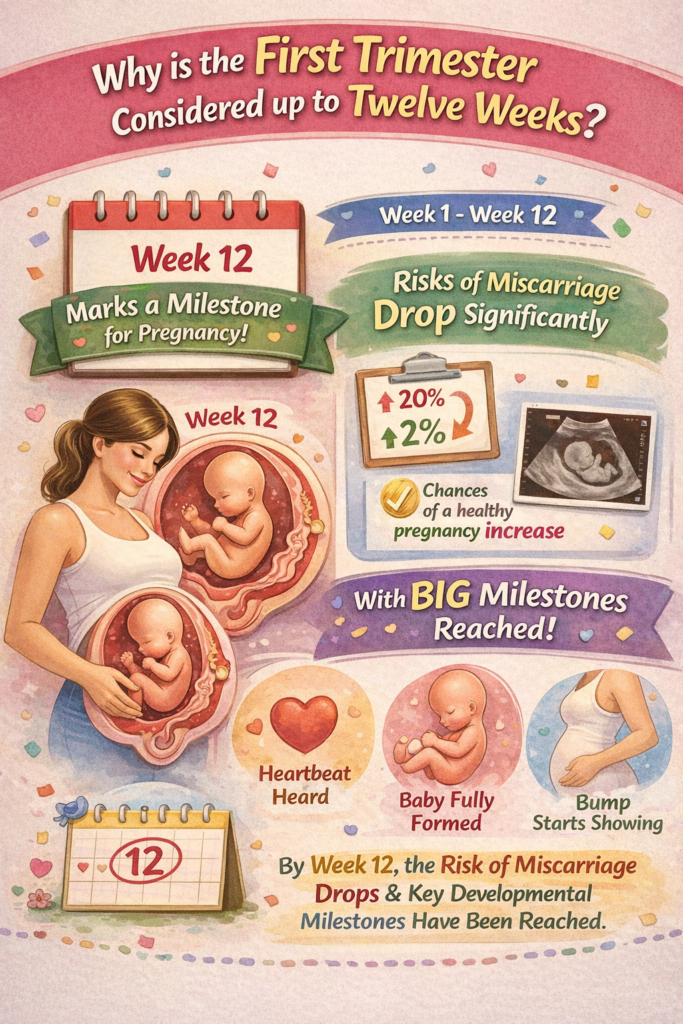
 The main reason behind considering the first 12 to 13 weeks of pregnancy as a specific stage or trimester is the process of organogenesis of the fetu. Within this period after conception, the primary structure of the baby’s heart, brain, spine, arms and legs and other internal organs is formed from a single cell. At the end of 12 weeks, the baby get a complete form, where each of its organs is well organized in its own place. In addition, towards the end of this period, the ‘placenta’ or womb is fully formed and take over the responsibility of supplying the baby with nutrition and oxygen from the mother’s body. Since after this stage, no new organs of the baby are formed, but rather the existing organs continue to grow in size, this major change is identified as a specific chapter or ‘first trimester’.

The specific reasons why these twelve to thirteen weeks are considered a separate stage are given below:

  • Completion of organ formation: After the end of 12 weeks, all the major systems of the baby’s body (such as the digestive system, circulatory system) start functioning.
  • Hormone stabilization: Up to this time, the pregnancy hormone (hCG) in the mother’s body increases very rapidly; by the end of 13 weeks, this hormone level stabilizes which marks the beginning of a new stage.
  • Renaming of the fetus: After passing this stage, the fetus is no longer called an ’embryo’, it is now known as a ‘fetus’.
  • Reduced risk of miscarriage: Statistics show that when the baby’s organs are formed properly and the placenta takes over, the risk of miscarriage decreases dramatically, which is a major success of this stage.
  • Medical Monitoring: Doctors confirm the baby’s initial health through important tests like the ‘NT Scan’ at the end of this period, which marks the end of this trimester.
  • Physical Adaptation: The mother’s body adapts to pregnancy during these thirteen weeks, as a result of which the intense discomforts of the beginning subside and a new sense of comfort returns.

What changes after 12 weeks

Twelve to thirteen weeks of pregnancy means you are entering the second trimester, which is often called the ‘honeymoon’ or most comfortable period of pregnancy. The biggest change in the mother’s body during this time is in the hormonal area; the intense surge of progesterone and hCG hormones that was there at the beginning now begins to stabilize. As a result, most mothers experience morning sickness and extreme fatigue, and a kind of freshness returns. The uterus now grows and moves over the pelvic bones, which reduces pressure on the bladder and temporarily relieves the problem of frequent urination. There are also big changes in the baby; all the major organs of his body are now formed and he starts moving in full swing inside the uterus, although as a mother, you will feel it for a few more weeks.

Explore more here: Second trimester weeks

The changes that become most evident after twelve weeks or the first trimester are:

  • Physical relief: Nausea decreases and appetite returns are the main features of this period.
  • Baby bump: As the uterus becomes like a large orange, a slight bulge or ‘baby bump’ begins to appear in the lower abdomen.
  • Skin glow: Due to increased blood circulation in the body, a kind of special glow or ‘Pregnancy Glow’ is seen on the skin of many mothers.
  • Placental takeover: From now on, the placenta starts working as the main factory for producing oxygen and nutrients for the baby.
  • Mental stability: As the risk of miscarriage is greatly reduced, the mother’s anxiety decreases and mental peace returns.
  • Baby development: The baby can now urinate, fingerprints are formed on his hands, and he begins a cycle of sleeping and waking.

Does it end at the same time for everyone?
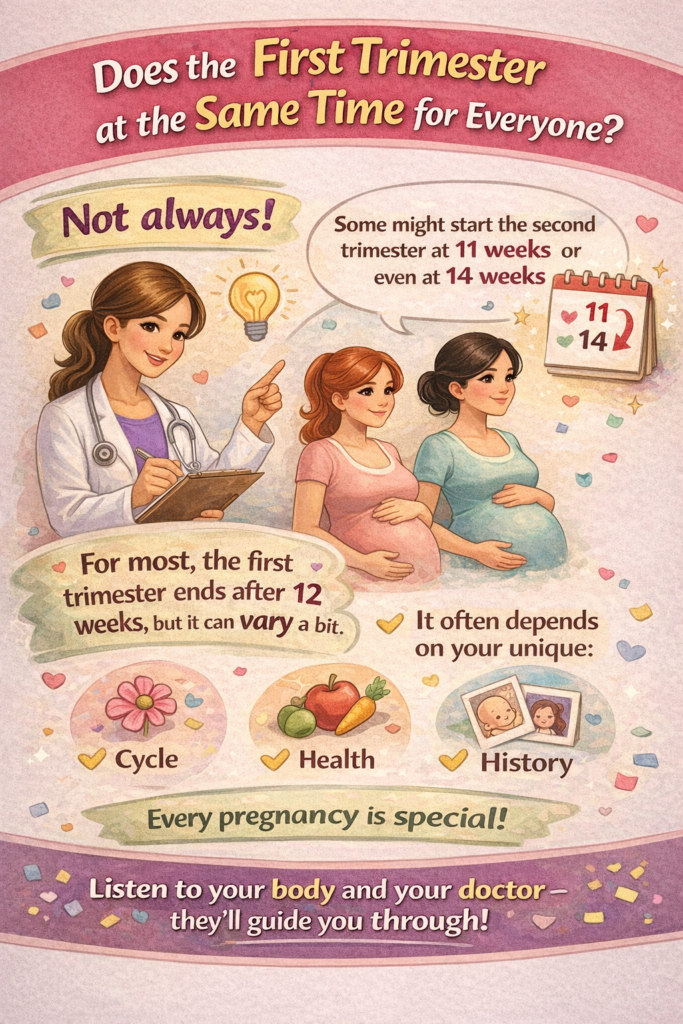
 Although the first trimester of pregnancy is theoretically When Does the First Trimester End

 to last 13 weeks and 6 days, in practice it does not end at the same time for everyone. This calculation in medical science is based on a regular menstrual cycle of 28 days. However, in women whose periods are irregular or whose ovulation is a little late, the actual age of the baby may be 1 to 2 weeks more or less than the calendar calculation. As a result, the physical changes or relief that come at 12 weeks for one person may take up to 14 or 15 weeks for another. In addition, the main symptoms of the first trimester—such as nausea or fatigue—end within 10 weeks for some, and for others it lasts up to 16 weeks. Therefore, this calculation of time is only a general guide, which may vary from person to person and based on the body’s hormonal response.

The main reasons why the first trimester doesn’t end at the same time for everyone are as follows:

  • Variation in the menstrual cycle: If your menstrual cycle is shorter or longer than 28 days, your pregnancy week will change.
  • Timing of ovulation: Two women who start their periods on the same day may have different conception dates because their egg fertilization date were not the same.
  • Hormonal sensitivity: Physical discomfort ends at different times for each person based on the hCG hormone levels.
  • Ultrasound effects: The time determined by the baby’s size (CRL) on the first ultrasound report is more accurate than the date of the period and may not match the calendar.
  • Placental development: The placenta or embryo develops at different rates in everyone; if the placenta is late in taking full responsibility, first trimester symptoms may be prolonged.
  • Twins: If you are carrying twins or more than one baby, hormone levels are much higher, which can cause the effects of the first trimester to last longer.

What are the symptoms at the end of the first trimester?

When Does the First Trimester End (between 11 and 13 weeks), your body goes through a transition. Many mothers start to feel relief as the initial hormonal shock subsides. However, as the uterus grows rapidly, some new physical symptoms appear. During this time, the uterus takes on the shape of a large lemon and begins to rise from the pelvic cavity to the upper abdomen, which changes the shape of your waist. The nausea or severe aversion to food that was present at the beginning decreases towards the end, and in many cases, a strong desire or ‘craving’ for food develops. This is when you can first experience the special glow of pregnancy or ‘pregnancy glow’ due to the increase in blood circulation in the body.

The main symptoms of the end of the first trimester are given below:

  • Reduction of nausea: Morning sickness or nausea decreases significantly for most women by around 13 weeks.
  • Regaining energy: The body’s tirednes disappears and new energy and strength are felt, which is a sign of the second trimester.
  • The onset of the baby bump: The lower abdomen may feel a little harder and swollen than before, because the uterus is now growing.
  • Increased appetite: The reluctance to eat is eliminated, and interest in nutritious foods increases and a craving for certain foods develop.
  • Mild cramping or pulling: Due to the enlargement of the uterine ligaments, there may be occasional mild pulling pain in the lower abdomen.
  • Breast changes: The size of the breasts continues to increase and the areola (the area around the nipple) becomes darker.
  • Improved mood: As hormone levels stabilize, mood swings are much more under control than before.

When to be extra careful

Since When Does the First Trimester Endare the main time for the baby’s organs to form, any unusual changes in the body should be taken seriously during this time. Although mild dizziness or slight fatigue is normal during pregnancy, there are some specific symptoms that indicate a major risk to the mother or baby. Especially if you experience vaginal bleeding or severe twisting pain in the lower abdomen, you should not ignore it at all. Sometimes this can be due to an ectopic pregnancy or any other complication. The body’s immune system is somewhat low during this time, so if any infection or unusual symptoms occur, it can be life-saving to consult a specialist doctor quickly rather than waiting at home.

It is important for you to seek immediate medical advice or be alert in the following situations:

  • Vaginal bleeding: Light spotting or heavy bleeding—any type of bleeding can be a danger signal in the first trimester.
  • Severe abdominal pain: Severe twisting pain on one side or in the middle of the lower abdomen that doesn’t go away with rest.
  • Excessive vomiting and dehydration: Vomiting after eating and dehydration (very little or dark urine).
  • High fever and chills: Fever over 100.4 degrees Fahrenheit, as infection can interfere with fetal development.
  • Severe headache and blurred vision: Chronic headache or sudden blurred vision can be a sign of high blood pressure.
  • Burning during urination: Pain or frequent urge to urinate, which can be a sign of a urinary tract infection (UTI).
  • Abnormal vaginal discharge: If the discharge smells bad or is accompanied by itching and a change in color (green or gray).

How much does baby develop in 12 weeks

By the end of 12 weeks of pregnancy, your baby is undergoing an amazing transformation. At this time, the fetus takes on the shape of a fetus and is about 2 to 2.5 inches long (the size of a large lemon). The biggest development this week is the development of reflexes the baby can now clench his fingers, wiggle his toes and even suck with his mouth. All the major internal organs of his body, such as the kidneys, liver and intestines, are now functioning. It is also during this time that the baby’s bone marrow begins to produce white blood cells, which form the basis of his immune system. The baby’s face now looks much more human than before, as his eyes have moved from the sides of his head to the front and his ears have moved into their correct positions.

The main milestones of the baby’s development at twelve weeks are given below:

Kidney function: The baby can now swallow amniotic fluid and its kidneys filter it and excrete it as urine.

  • Heart function: The baby’s heart now beats about 160 times per minute, which can be clearly heard with a Doppler device.
  • Bone formation: The baby’s soft cartilage is now slowly transforming into hard bone.
  • Digestion: The baby’s intestines, which were previously inside the umbilical cord, are now in their correct place inside the abdomen.
  • Nail and hair development: Tiny nails start growing on the tips of the fingers and very fine fur-like hair appears on the body.
  • Nervous system: The baby’s nervous system is now much more developed so he can move his arms and legs spontaneously inside the uterus.

How to take care of yourself after the first trimester

When Does the First Trimester Endstarting from the 14th week of pregnancy, is usually called the ‘golden period’, as this is when body discomforts start to subside and strength returns. The main goal of self-care during this stage should be to ensure the rapid growth of the baby and maintain the mother’s physical fitness. Since the baby’s bones and brain are forming rapidly during this period, special emphasis should be placed on foods rich in calcium, iron and omega-3. In addition, it is important to practice sitting and lying in the right posture to prevent back pain or leg muscle strain as the uterus increases in size. Light yoga for mental peace and adequate sleep will help prepare your body for the next stage of labor during this time.

Here are some specific self-care tips after the first trimester:

  • Eat a nutritious diet: Eat more milk and cheese (calcium) for your baby’s bone structure and more leafy greens, liver or red meat (iron) to prevent anemia.
  • Drink enough water: Make sure to drink at least 3 liters of water a day to relieve constipation and maintain amniotic fluid levels.
  • Correct sleeping position: From now on, make it a habit to sleep on your left side instead of lying on your back, which improves blood circulation to the placenta.
  • Skin care: Stretch marks or itching may occur due to the stretching of the skin on the abdomen and thighs, so use moisturizer or coconut oil regularly.
  • Light exercise: Walk for at least 20-30 minutes every day or you can start prenatal yoga with the advice of an expert.
  • Dental care: Hormone can cause bleeding or infection in the gums so brush your teeth regularly and see a dentist if necessary.
  • Loose clothing: Start using cotton and loose clothing and comfortable low-heeled shoes for body comfort.

Conclusion

When Does the First Trimester End or the first 13 weeks and 6 days is not just a time measurement, but it is also a woman’s rebirth as a mother and the foundation for the existence of a new life. The end of these thirteen weeks means that you have successfully passed the most uncertain and sensitive stage of motherhood. Although this time is spent with nausea, fatigue and mental anxiety, it is at the end of this stage that every important organ of the baby takes its full form. The awareness and care for your body gained during this time will make you more confident in the coming months. As you overcome the obstacles of the first trimester and enter the second trimester, remember that your well-being is the first condition for your child’s beautiful future. May every step of this long journey be safe and joyful.

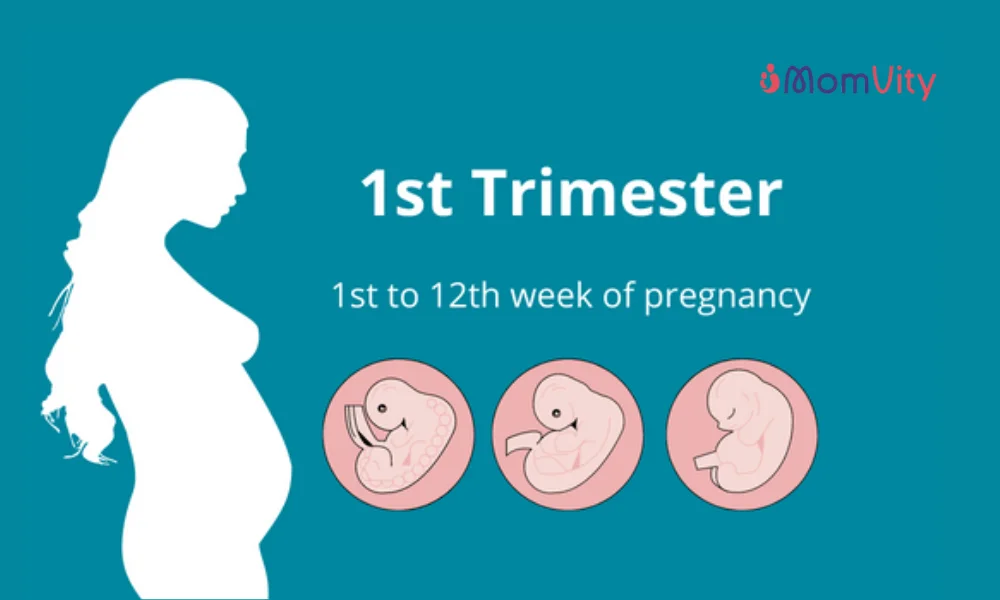
first trimester weeks

A Week-by-Week Guide to Your First Trimester Weeks

First trimester weeks means the time from the very beginning of pregnancy to the first twelve weeks. This time is very important because this is when the baby’s basic body structure begins. It may not be obvious from the outside but inside the body is changing rapidly. Many women experience strange fatigue nausea or mood swings during this time.

Pregnancy is usually calculated from the first day of your last period. During the first two weeks your body prepares to produce an egg. During this time there are usually no obvious pregnancy symptoms because actual fertilization has not yet occurred. In the third week the egg and sperm meet. At this time the fertilized egg begins to move towards the uterus. Most women still do not understand anything.

What happens in the first and second weeks

The first and second weeks of pregnancy are essentially a preparatory phase where your body prepares itself for the arrival of a new life. Medically pregnancy begins to count from the first day of your last period although actual conception usually occurs towards the end of the second week. During this early part of the first trimester the lining of your uterus or endometrium begins to thicken so that a fertilized egg can find a safe haven there. During these two weeks hormones accelerate the process of releasing a mature egg from your ovary.

Ovulation and Fertility Period

Ovulation usually occurs towards the end of the second week which is the most fertile time for conception. At this time a healthy egg from the ovary travels down the fallopian tube and waits for a sperm to join it. At this early stage of the first trimester hormonal changes may cause your body temperature to rise slightly and your cervical mucus to become more clear and stretchy which helps in successful conception.

Fertilization in the third week

It is during this time of the first trimester that your unborn baby’s skin color eye color and even gender are determined. Although you will not feel any physical changes yet a small mass of cells is growing rapidly inside the uterus. Scientific steps of the fertilization process.

During this time the levels of estrogen and progesterone hormones increase inside your body so that the uterus can nourish and support the embryo.

Genetic characteristics and determining the baby’s sex

All the genetic information of the baby is determined at the moment of fertilization. 23 chromosomes come from the mother and 23 chromosomes come from the father.

Implantation or preparation for implantation

By the end of the third week the embryo begins to attach to the wall of the uterus. Sometimes there may be very light bleeding or spotting during this implantation which many people mistake as a period. However this is actually considered a positive sign of a successful pregnancy.

Following the structure and terms you have specified the details of the implantation process in the fourth week are given below. Here the keyword first trimester has been used perfectly.

Implantation in the fourth week

The fourth week of pregnancy is one of the most important in your entire journey because it is during this time that the permanent attachment of the embryo to the uterus is completed. During this particular week, the fertilized egg firmly implants itself into the uterine wall as a blastocyst, officially recognizing the pregnancy. During this time of the first trimester your body starts producing the hormone hCG due to which many women start experiencing subtle changes in their bodies. 

Formation of the fetus’s primary protective structure

In the fourth week two protective layers called the amniotic sac and the yolk sac begin to form around the fetus which will protect it from external injuries. These layers ensure the necessary supply of oxygen and nutrients to the fetus until it later becomes the placenta or amniotic sac. Your uterus now acts as a safe fortress where the baby’s tiny cells divide continuously and wait to be fulfilled as a life.

Hormonal surge in the fifth week

A strong surge of hormones begins in your body in the fifth week of pregnancy which brings about radical changes in your lifestyle. During this time the levels of progesterone and estrogen hormones increase rapidly which help maintain the uterine lining and develop the fetus. At this stage of the first trimester the levels of hCG hormone increase so much that a dark positive line is now visible on home pregnancy tests. This hormonal change is mainly due to which expectant mothers start feeling severe fatigue nausea and breast tenderness. The body is now spending all its energy on the formation of the baby’s primary organs such as the heart and brain. Due to this excess of hormones your metabolism changes and in many cases there is a strong aversion to the taste or smell of food. This is actually a defense mechanism of the body which helps you stay away from potentially harmful foods. Maintaining adequate rest and mental peace during this time plays an important role in maintaining your hormonal balance.

Role and physical effects of progesterone hormone

Progesterone hormone relaxes the muscles of the uterus so that the fetus can grow safely. However this hormone slows down the digestive system causing many pregnant women to suffer from constipation or gas problems. It begins the long-term preparation for childbirth by making your body’s muscles flexible.

HCG hormone and morning sickness

In the fifth week the level of hCG hormone starts doubling every two days. The sudden increase in this hormone directly affects the vomiting control center in the brain resulting in ‘morning sickness’. Although it is uncomfortable it indicates that your pregnancy is progressing healthily.

Estrogen and breast changes

The estrogen hormone increases blood circulation and begins to deposit fat in the breast tissues. As a result the breasts may feel a little heavy or sore and painful. This is basically an initial physical preparation for the future breastfeeding process.

Symptoms become evident in the sixth week

By the sixth week of pregnancy the changes in your body are no longer limited to the inside but the symptoms become quite obvious. At this time your baby is the size of a small pea and its heart starts beating regularly. As the hormonal effects reach their peak at this stage of the first trimester nausea or morning sickness can afflict you at any time of the day. Many women feel intense discomfort at the smell of certain foods during this time and even foods that were previously loved may now seem unbearable. As the uterus starts to grow in size it puts pressure on the bladder which may cause you to have to go to the toilet more often. In the sixth week your body starts producing a lot of blood which makes you much more tired than before. Although these symptoms are uncomfortable they are actually an indication of a healthy pregnancy. Taking extra care of yourself and eating enough nutritious food during this time is very important for the future of your unborn child.

Dealing with severe nausea and aversion to food

This week the progesterone hormone slows down the digestion process resulting in a bitter taste in the mouth or constant nausea. Eating some dry biscuits before getting out of bed in the morning can reduce this discomfort to a great extent. Also try to eat small nutritious meals several times throughout the day instead of eating a full stomach at once.

Relieving fatigue and necessary rest

During the sixth week your body is working hard to create a new life and placenta so it is normal to feel extremely tired. A short nap or power nap around noon will help keep you refreshed. Avoid excessive physical exertion and ensure at least eight to nine hours of sleep at night.

Frequent urination and hydration

The increasing size of the uterus puts pressure on your bladder resulting in the need to urinate frequently. However do not reduce your water intake for this reason but rather drink plenty of water and fruit juices to keep your body hydrated. You can reduce the amount of water you drink just before going to bed to reduce the hassle of going to the toilet at night.

Body changes in the seventh and eighth weeks

During the seventh and eighth weeks of pregnancy an incredible change can be observed in your body because at this time the fetus quickly starts to take on its human shape. In the seventh week the baby’s fingers and toes start forming and by the eighth week it starts to move inside the uterus although it is still impossible for you to feel it. At this stage of the first trimester your uterus becomes the size of a large lemon which can create a slight pressure on your waist. During these two weeks due to the excess of hormones your skin may be much oilier or brighter than before which many call ‘pregnancy glow’. However in many cases acne or spots may appear on the face due to the effects of hormones. The amount of blood circulating in the body increases by about 50% which forces your heart to work harder. As a result it is normal to experience slight changes in breathing or feel tired quickly. Choosing the right underwear and comfortable clothing during this time will help reduce your body’s discomfort.

Discover more here: cramping in early pragnancy

Breast changes and sensitivity during pregnancy

From the seventh week the size of the breasts begins to increase significantly as the milk-producing glands become active. The area around the breasts or areola may be darker and larger than before. These changes indicate that your body is fully preparing itself for future breastfeeding.

Skin changes and pregnancy glow

By the eighth week many people’s faces look much more lively and bright due to the increased blood flow and hormones in the body. However due to hormonal fluctuations the melanin in the skin increases and small dark spots or ‘melasma’ may appear. Using sunscreen while going out in the sun plays an effective role in protecting the skin during this time.

Digestive and Gas Problems: During this time the hormone progesterone relaxes the intestinal muscles making it take longer for food to be digested. This can lead to problems like bloating or heartburn. Eating fiber-rich foods like oats lentils and fresh fruits can help relieve these digestive problems.

Why is fatigue more common in the ninth week? 

Expectant mothers often complain that they feel extremely tired or exhausted by the ninth week of pregnancy. There is no reason to mistake this fatigue for simple laziness; rather there is a huge amount of work going on inside your body at this time. At this stage of the first trimester your body starts producing a large amount of blood to ensure oxygen and nutrients for the baby. Your heart has to work much harder than before to circulate this extra blood which makes you pant more often. In addition high levels of the hormone progesterone can calm your brain and keep you constantly drowsy. In the ninth week the fetus starts growing rapidly and uses the stored energy of your body to build its bones and muscles. This extreme fatigue mainly occurs when the body is trying to cope with this internal stress. It is very important to listen to your body at this time and take small breaks whenever you get the chance.

Increased blood production and changes in metabolism

The body’s blood pressure may drop slightly in the ninth week as the blood vessels dilate which can temporarily cause a lack of oxygen to your brain and muscles. To cope with this change the body burns a lot of calories which makes you physically weak. Eating enough iron-rich foods makes it much easier to overcome this weakness.

Sleep patterns and lack of sleep at night

Despite feeling very sleepy during the day many women suffer from a lack of proper sleep at night. Sleep is repeatedly interrupted at night due to frequent urination or nightmares. Incomplete sleep at night makes you more tired the next day so developing a habit of short rest around noon is good for your health.

Nutritional needs and energy supply

When the body creates a new life its energy needs increase a lot. When blood sugar levels drop you may suddenly feel dizzy or lightheaded. To overcome this fatigue foods rich in protein and complex carbohydrates will help your body maintain energy for a long time.

Baby Development in Week 10

The tenth week of pregnancy marks a huge milestone in your baby’s development. This is the week your unborn baby is officially promoted from an ’embryo’ to a ‘fetus’. At this stage of the first trimester all the baby’s vital organs such as the heart liver kidneys and brain are formed and they start their initial functions. From now on the baby’s body organs will focus on growing in size and becoming more mature. At the tenth week the baby’s bones and cartilage begin to harden and his knee and elbow joints become evident. Although the baby is now only the size of a strawberry he can still move his arms and legs inside the womb. His eyelids are now fully formed and cover his eyes to protect the delicate parts inside. At this time the baby’s tiny tooth buds also begin to form under the gum line which is a wonderful wonder of motherhood.

Vital Organ Function

In the tenth week the baby’s kidneys start working and he swallows amniotic fluid and starts excreting urine. The liver is now responsible for making blood cells which was previously done by the part called the yolk sac. These complex biological changes are being completed very precisely inside your body which forms the basis for the baby’s survival.

External structure and development of fine fingers

This week the baby’s fingers and toes are no longer attached to each other but are now separate and distinct. His ears start moving to the correct places on both sides of his head and the facial structure looks much more human. Even his nails start growing very slowly from this time which is a unique stage of development.

Growth of the uterus and physical changes in the mother

In line with the development of the baby your uterus is now starting to take the shape of a small watermelon. At this time your lower abdomen may swell slightly or your previous pants may feel a little tight. Your body needs a lot of nutrients to support this rapid growth of your baby so a healthy lifestyle is essential at this stage.

What changes in the 11th and 12th weeks of pregnancy

The 11th and 12th weeks of pregnancy are the final stages of your first trimester. At this time both your body and your baby go through a major transformation. During these last two weeks of the first trimester the baby’s growth is so rapid that its body length almost doubles. By the end of the 12th week all the baby’s organs and muscles are fully formed although they are still very small. At this time the baby’s profile or facial structure can be seen very clearly on ultrasound. 

For the mother hormone levels begin to stabilize somewhat during this time due to which many people’s long-standing nausea or morning sickness begins to decrease. The uterus now leaves the pelvic area and rises towards the upper abdomen which reduces pressure on the bladder and the tendency to go to the toilet frequently decreases. Passing these weeks means that you have successfully passed the most risky period of pregnancy. From now on your appetite will start to increase and you will feel much fresher and more vibrant than before.

Baby’s movements develop

Around the eleventh week the baby starts doing things like stretching or bending its body inside the uterus. By the twelfth week its reflexes or instinctive reactions are formed; for example when you press on its stomach from the outside it moves or starts sucking its finger. Although you will not feel these movements yet this fidgeting is a big sign of healthy development.

Full functioning of the placenta and hormone control

Due to increased blood circulation at this time and the change in the position of the uterus you may feel dizzy or lightheaded if you stand up suddenly. So make it a habit to work slowly and without any sudden movements during these weeks.

What is important to keep in mind in first trimester weeks

The first 12 weeks of pregnancy or the first trimester are very sensitive so it is necessary to be careful in every step during this time. At this stage the main organs of the fetus are formed so even a slight carelessness can pose a major risk. It is especially important to make changes in eating habits and daily activities. Taking any kind of medicine without the advice of a doctor is strictly prohibited during this time because many common medicines can also hinder the development of the fetus. In addition adequate rest and being stress-free are essential for a healthy pregnancy. If any abnormal changes in the body such as severe abdominal pain or bleeding occur one should seek help from a specialist without delay. Maintaining personal cleanliness and refraining from heavy work are one of the main conditions at this stage. 

Remember your awareness can ensure the birth of a healthy baby. 

Precautions and rules required during the first trimester:

  • Eat a nutritious diet: Include enough folic acid iron and protein-rich foods in your diet. Avoid outside food and excess caffeine.
  • Avoid heavy work: Avoid lifting any heavy objects or excessive exertion as it can put pressure on the uterus.
  • Regular checkups: Consult a qualified gynecologist immediately after confirming pregnancy and get the necessary tests and ultrasound done on time.
  • Adequate rest and sleep: To keep the body healthy develop the habit of getting at least 8 hours of sleep at night and light rest during the day.

Conclusion

The entire pregnancy journey is like a miracle which begins successfully with the first trimester. These first twelve weeks can sometimes seem a bit difficult for mothers both physically and mentally but proper planning and awareness can remove all your fears and discomfort. Always think positively and try to listen to the signals given by your body. If you feel very tired or your body wants to rest then take a break from work and give yourself time—there is nothing wrong with that. Every pregnancy and every mother’s experience is different so don’t worry unnecessarily by comparing yourself with other people’s stories. Take regular advice from a specialist doctor and boost your immunity through proper and nutritious food. After these 12 weeks you will feel much more mentally refreshed and enter the golden period of the second trimester of pregnancy. As an expectant mother your current awareness can give birth to a healthy strong and talented baby. May these days be filled with joy compassion and proper care in anticipation of a beautiful future. Remember the result of your current patience will be a healthy happy baby who will make your life complete. Take utmost care of yourself and try to enjoy every moment of this divine journey of motherhood in a positive way. Best wishes to you and your unborn child.

first trimester

What happens in the first three months of pregnancy, what is normal and what to be careful about

The first 12 weeks of pregnancy are called the first trimester or the first three months. This is the most important and sensitive period of pregnancy because it is during this time that the baby’s major body organs (heart, brain, arms and legs) begin to form.

First trimester mean the first three months of pregnancy. This period is considered the most sensitive because it is then that the baby start forming inside. Although not much can be understood from the outside big changes are going on inside the body. For many women, this period is a little difficult, their body is not feeling well and their mind  restless. These are actually a normal part of the first trimester.

How long is the First Trimester?

Medically, pregnancy is divided into three parts or ‘trimesters’. The first 3 months of this are called the First Trimester.

However, its exact duration is calculated not only in months but also in weeks and days, which is important for you to know

Exact duration:

In terms of weeks: The first trimester is considered the period from the 1st week of pregnancy to the end of the 13th week.

In terms of days: This is a period of about 91 to 94 days.

In terms of months: This is from the first to the end of the third month of pregnancy.

When does this calculation start?

An interesting fact is that the calculation of your pregnancy start from the first day of your last period or menstrual period (LMP). That is, the calculation of your pregnancy days start about 2 weeks before the day you actually conceived.

Why is it considered up to 13 weeks?

After 13 weeks, the initial stage of the baby’s major body structures and organs is complete. This is followed by the ‘second trimester’, where the baby’s weight begins to increase rapidly and your initial discomforts (such as nausea) begin to subside.

What changes occur in the body during this time

In the first trimester or the first three months, although you may not see much change on the outside of your body, a huge hormonal ‘revolution’ continues inside. Your body is now complete changing i tself to grow a new life.

The main changes that you will experience during this time:

1. Breast changes

One of the first signs of pregnancy is breast changes. Due to the influence of hormones, the breasts become much softer, heavier and more sensitive to the touch. The area around the nipple (areola) start to grow larger and darker. This is actually a process of preparing the body for future breastfeeding.

2. Slowing down the digestive process

The hormone progesterone relaxes the muscles in your body. As a result, it delays the movement of food from the stomach. This can make you: You may feel a hollow stomach or gas. Constipation may occur. Heartburn or acidity may occur.

3. Increased blood circulation

The amount of blood in your body increases by about 30-50% so that the baby gets enough oxygen and nutrients. As a result:

Your heartbeat may be  little faster than before. Your kidneys filter more blood, which makes you need to urinate more often. The blood vessels dilate, which can sometimes cause low blood pressure which can cause dizziness or fatigue.

4. Changes in sense of smell and taste

Your nose becomes more sensitive due to hormone. The smell of food that you use to like may now make you vomit. You may always have a metallic or coppery taste in your mouth.

5. Mood Swings

Mood Swings

As the levels of estrogen and progesterone in your body increase suddenly, it can be difficult to control your emotions. It is very normal to cry for no reason get angry, or feel excessively anxious during this time.

6. Uterine growth

By the end of the first trimester, your uterus has grown to the size of a large lemon. Although the belly is not that big yet you may feel a little tight around the waist.

H2: Why does nausea occur in the first trimester

Morning sickness is  common during the first three months of pregnancy. About 70% to 80% of pregnant women experience this. Many also consider it a ‘positive sign’ of pregnancy because it indicates the correct level of hormones in the body.

The main causes of nausea are listed below:

1. Increase in hCG hormone

After pregnancy, the body starts producing a special hormone called Human Chorionic Gonadotropin (hCG). The level of this hormone start doubling every two to three days after the embryo settles in the uterus. The sudden increase in this hormone mainly stimulates the vomiting control center in the brain.

2. Effect of estrogen and progesterone

Estrogen hormone levels also increase rapidly in early pregnancy. This makes your sense of smell and taste very sensitive. On the other hand, progesterone hormone relaxes the stomach muscles, which slows down the digestion process and cause nausea or acidity when food remains in the stomach for a long time.

3. Heightened Sense of Smell

Your nose becomes more  than before due to the effects of hormones. Cooking spices, fish smells, and even perfume or cigarette smells can cause severe nausea. This reaction of the body is basically a protective mechanism so that the mother stays away from anything harmful if she smell it.

4. Mental and physical fatigue

Excessive work, stress, or lack of adequat sleep can increase nausea. In the first three months, the body uses a lot of energy, which make the body more fragile due to fatigue.

Is it harmful to the baby?

Normal nausea or vomiting 2-3 times a day does not harm the baby. However, if it happen that you are unable to keep even a drop of water in your stomach, your body is becoming very weak and you are losing weight, it is called Hyperemesis Gravidarum. In such a situation, it is important to consult a doctor immediately.

An interesting fact: Studies have shown that those who have nausea in early pregnancy have a slightly lower risk of miscarriage. Because it provides evidence of the presence of sufficient pregnancy-supporting hormones in the body.

H2: Why is fatigue so common?

In the first trimester, you may feel like you’ve been working day and night, but you may not have done much. This extreme fatigue or tiredness is a completely normal part of pregnancy. It’s called ‘pregnancy fatigue’.

Discover more here: Second Trimester

There are 3 main factors inside the body behind this:

1. The effect of the hormone progesterone

As soon as you get pregnant, the hormone progesterone starts to surge in the body. This hormone helps to keep your uterus calm and ensure the growth of the baby. However, it acts like a natural ‘sleeping pill’ that relaxes your nervous system and leave you feeling drowsy or tired all the time.

2. New blood and placenta formation

Your body is now a factory for creating new life. During this time:

Increase in blood volume: The body has  produce a lot more blood to send oxygen and nutrients to the baby. As a result, your heart has to work or ‘pump’ much harder than before.

Placenta formation: The placenta is the organ that keeps the baby alive. The body spends an incredible amount of energy to make it. Remember that when you sleep, your body is doing inhuman physical labor inside.

3. Changes in blood pressure and metabolism

Due to the influence of hormones, many women’s blood pressure decreases slightly at the beginning of pregnancy. Along with this there are fluctuations in blood sugar levels. The effect of these two can make you feel suddenly weak or like giving up.

What is the way to overcome this fatigue?

Power nap: Whenever you get time during the day, close your eyes and rest for 10-15 minutes.

Going to bed early: Try to fall asleep at least 1-2 hours earlier than usual at night.

Small meals: Eat light nutritious foods (such as nuts, fruits or biscuits) every 2-3 hours after not eating for a long time. This will keep your blood sugar stable and give you energy.

Iron-rich foods: Sometime anemia can cause excessive fatigue. So keep iron-rich foods (raw vegetables, lentils liver) in your diet.

Is mild abdominal pain or cramping normal?

Mild abdominal discomfort cramping, or mild cramping is most common in the first trimester. It is a reaction to the huge changes your body is go through. However, it is important to understand the type of pain.

Why is this mild pain or cramping felt?

Implantation: When the embryo implants itself into the uterine wall in the very beginning of pregnancy, you may experience mild cramping similar to period pain.

Uterine enlargement: As your baby grows, your uterus also begins to expand. When the ligaments or muscles that hold the uterus in place stretch, you may feel a pulling pain in the lower abdomen or on both sides.

Hormones and gas: The hormone progesterone slows down the digestive process. This can lead to gas or constipation, which can sometimes cause discomfort or cramping pain in the abdomen.

When is this pain normal?

  • If the pain is very mild and subsides after resting for a while.
  • If there is a slight strain when sneezing, coughing or sudden movement.
  • If there is no bleeding with the pain.

When to consult a doctor quickly?

Abdominal pain is not always to be taken lightly. If you see the following symptoms, contact a doctor quickly: 1. Severe pain: If there is severe stabbing or sharp pain on one side of the abdomen or in the entire abdomen that is unbearable. 2. Bleeding: If there is red blood or spotting in the vagina along with the pain. 3. Dizziness or loss of consciousness: Severe weakness or dizziness with the pain. 4. Fever and burning during urination: If there is fever with the pain or pain while urinating.

What is spotting or light bleeding?

Spotting or light bleeding is common in the first three months of pregnancy. Statistics show that about 25% of pregnant women experience light bleeding in the first trimester. While it is not always a cause for concern, it is important to be aware of the issue.

Why can there be light bleeding?

Implantation bleeding: This is the most common cause. Light pink or brown spotting may occur 10-14 days after conception, when the embryo implants itself in the uterine wall. It usually lasts for 1-2 days.

Cervical sensitivity: During pregnancy, blood flow to the cervix increases significantly. As a result, it is normal to have very light bleeding after intercourse or an internal checkup.

Hormonal changes: Due to major changes in hormone levels in the body a little blood can appear on the expected date of the period.

When can it be a cause for concern?

Not all bleeding is normal. In some cases, it can signal a bigger problem:

Miscarriage: If the bleeding is heavy (like a period) and accompanied by severe abdominal pain or a lump-like discharge.

Ectopic pregnancy: If the embryo starts to grow outside the uterus (such as in the fallopian tube). In this case, there may be severe pain and bleeding on one side. This is an emergency.

Infection: If there is an infection in the vagina, bleeding or discomfort may occur.

What should you do?

Use a pad: Use a pad to understand the extent of the bleeding. This will clearly indicate the color and amount of the blood. 2. Rest: If you experience spotting, stop heavy work and rest completely. 3. Tell your doctor: Do not ignore any type of bleeding during pregnancy. Even if you have light spotting tell your doctor by phone or in person. He or she may do an ultrasound or progesterone test to make sure everything is okay.

H2: What to avoid in the First Trimester

The first three months of pregnancy or the first trimester is a very sensitive time. During this time, even a small mistake on your part can affect the development of the baby. Therefore, it is important to avoid the following things to protect yourself and the baby:

Risky foods and drinks

Some foods can cause poisoning for the body during this time or increase the risk of 

miscarriage

Raw papaya and pineapple: The latex in raw papaya and bromelain in pineapple can cause uterine contractions and damage.

Undercooked eggs or meat: They may contain bacteria called Salmonella or Listeria, which can cause infections.

Excess caffeine: Do not drink more than 1 cup of tea or coffee a day. Excess caffeine increases the risk of low birth weight or miscarriage.

Mercury-rich fish: Avoid large marine fish (such as tuna or large king mackerel) because the mercury in them can damage the baby’s brain.

Heavy work and high risk

Do not put excessive pressure on the body

Lifting heavy weights: Carrying buckets of water, heavy furniture or heavy bags is strictly prohibited. This can put pressure on the uterus and cause bleeding.

Excessive climbing of stairs: Do not use the stairs repeatedly without need.

Risky exercises: Do not do any exercises or heavy work that puts pressure on the stomach. However, it is better to walk lightly.

Medicines and chemicals

Medicines without a doctor’s advice: Do not take even simple headache or fever medicine without a doctor’s permission. Many medicine can cause birth defects in the baby.

Exposure to chemicals: Avoid strong-smelling cleaners, paints or pesticides. It is better not to do hair dye or strong chemical treatments during this time.

Bad habits and lifestyle

Smoking and drinking: This directly hinders the growth and development of the baby’s brain. Even the smoke of someone smoking nearby (passive smoking) is harmful to you.

Staying on an empty stomach for a long time: Nausea or gas increases on an empty stomach. So do not stay without food for a long time.

Excessively hot water: Avoid taking a long bath in very hot water or ‘sauna bath’ because high body temperature causes problems in the development of the baby.

Stress

Excessive anxiety or stress can disrupt your hormonal balance. Try to stay calm as much as possible and get enough rest.

What precautions are needed in the First Trimester and daily life

It is important to make changes in the lifestyle at the beginning of pregnancy. During this time, there are extensive hormonal changes in the body, which affect the mental and physical. In the first three months, lifting heavy objects or traveling excessively up the stairs should not be done at all. Keeping in mind what precautions are needed in the First Trimester, one should refrain from standing or bending over for a long time. Adequate sleep and mental peace are the biggest medicine at this time. Anxiety or stress can hinder the development of the baby. Therefore, it is better to take regular light walks and avoid caffeinated drinks or coffee. In addition, before taking any medicine, one must consult a specialist doctor, because the wrong medicine can seriously harm the fetus.

The correct rules of physical exertion

During this time, one should refrain from heavy exercise or running around, but it is not right to lie down or sit down at all, but rather, one can do housework in a light mood or yoga as per the advice of an expert.

Importance of adequate rest

To increase blood circulation in the body of a pregnant mother and for the proper growth of the fetus, it is very important to sleep at least 8 hours a day and rest for 2 hours in the afternoon.

Travel precautions

It is wise to avoid long and strenuous travel in early pregnancy, as it can put pressure on the uterus and increase the risk of bleeding, which can pose a danger to the mother and the baby.

Nutritious food and eating habits

The appetite for food decreases a lot in the first three months, but nutritious food is needed most during this time. What precautions are needed in the First Trimester can be understood by looking at the food list. It is mandatory to keep foods rich in folic acid, iron and calcium in your diet. Raw papaya or pineapple should be avoided during this time as they increase the risk of miscarriage. In addition, eating semi-cooked meat or eggs is strictly prohibited. Drink plenty of water to avoid dehydration. Avoid junk food or oily food from outside and develop the habit of eating fresh homemade food. Remember, a little awareness can give your child a healthy life.

Need for folic acid

For the proper development of the baby’s brain structure and spinal bones, taking green vegetables and folic acid supplements as prescribed by the doctor is a very important step.

Avoidance of toxic foods

You should completely stay away from fish with excess mercury, smoking, alcohol and processed foods as they are the main causes of birth defects in the baby.

Health check-ups and common complications

It is essential to have regular health check-ups or prenatal care in the early stages of pregnancy. Many times, mothers ignore some common symptoms such as light bleeding or abdominal pain. But if you know what precautions are required in the First Trimester, you will understand that you should consult a doctor immediately if you have any unusual symptoms. One of the main tasks at this time is to confirm the baby’s heartbeat and position through an ultrasound. In addition, thyroid, sugar and hemoglobin levels should be checked regularly. If you have excessive vomiting or cannot eat anything, you must take necessary measures under the advice of a doctor. In addition, keeping your surroundings clean and maintaining personal hygiene to avoid infection are important parts of this period.

  • Regular ultrasounds.
  • Regular blood pressure checks.
  • Monitor weight gain.
  • Take necessary vaccinations.
  • Maintain personal hygiene.

When is it necessary to see a doctor? 

It is normal to experience minor discomfort during the first three months of pregnancy, but there are some symptoms that can be a danger signal. If these symptoms appear, it is very important to consult a specialist doctor or go to the nearest hospital without wasting time.

Emergency symptoms that cannot be ignored:

Heavy bleeding or spotting: If there is bright red vaginal bleeding or blood clots, it can be a sign of miscarriage. It is safe to inform the doctor even if there is a little spotting.

Severe abdominal pain: If there is unbearable twisting pain or sharp pain on one side of the abdomen or in the lower abdomen, which does not subside even with rest. This can be a sign of ectopic pregnancy (pregnancy outside the uterus).

Excessive vomiting (Hyperemesis Gravidarum): Vomiting several times a day and not having any water or food in the stomach. This can cause dehydration, which requires rapid saline or medical treatment.

Severe headache and blurred vision: If you have a headache all the time and see blurry vision, it could be a sign of high blood pressure.

Burning sensation during urination: Pain, burning sensation or foul-smelling urine. This is a sign of a urinary tract infection (UTI), which is important to treat quickly during pregnancy.

High fever and chills: A fever of more than 100.4 degrees Fahrenheit. High temperatures during pregnancy can cause problems for the baby’s development.

Vaginal discharge: If you suddenly start to have a lot of watery fluid coming out of your vagina.

A little tip for you: When you are pregnant for the first time, many things can feel new. If you feel that “something is not right”—pay attention to that sixth sense or feeling. If any symptoms are causing you a lot of mental anxiety, talk to your doctor, even if it’s just to put your mind at ease.

Emergency numbers: Always keep your doctor’s phone number and the address of a nearby hospital with 24-hour emergency service handy or on your phone’s speed dial.

Conclusion: Preparing for a New Beginning

The first trimester of pregnancy is an amazing and transformative time. A new life is developing inside your body, which is why you are going through different experiences, both physically and mentally. Nausea, fatigue or mood swings are part of this journey. So it is most important to understand your body’s signals and take proper care of them during this time.

Some last special tips for you:

  • Be patient: The discomforts of the first 3 months usually start to subside after 14 weeks. Just try to get through this time with patience.
  • Prioritize rest: Your body needs rest more than before now. So maintain a balance between work and rest.
  • Ensure proper nutrition: Eat foods rich in folic acid and iron regularly to help the baby’s organs develop.
  • Be careful: Consult an experienced doctor before taking any medication or if you feel any discomfort.

Popular Posts

Latest Posts

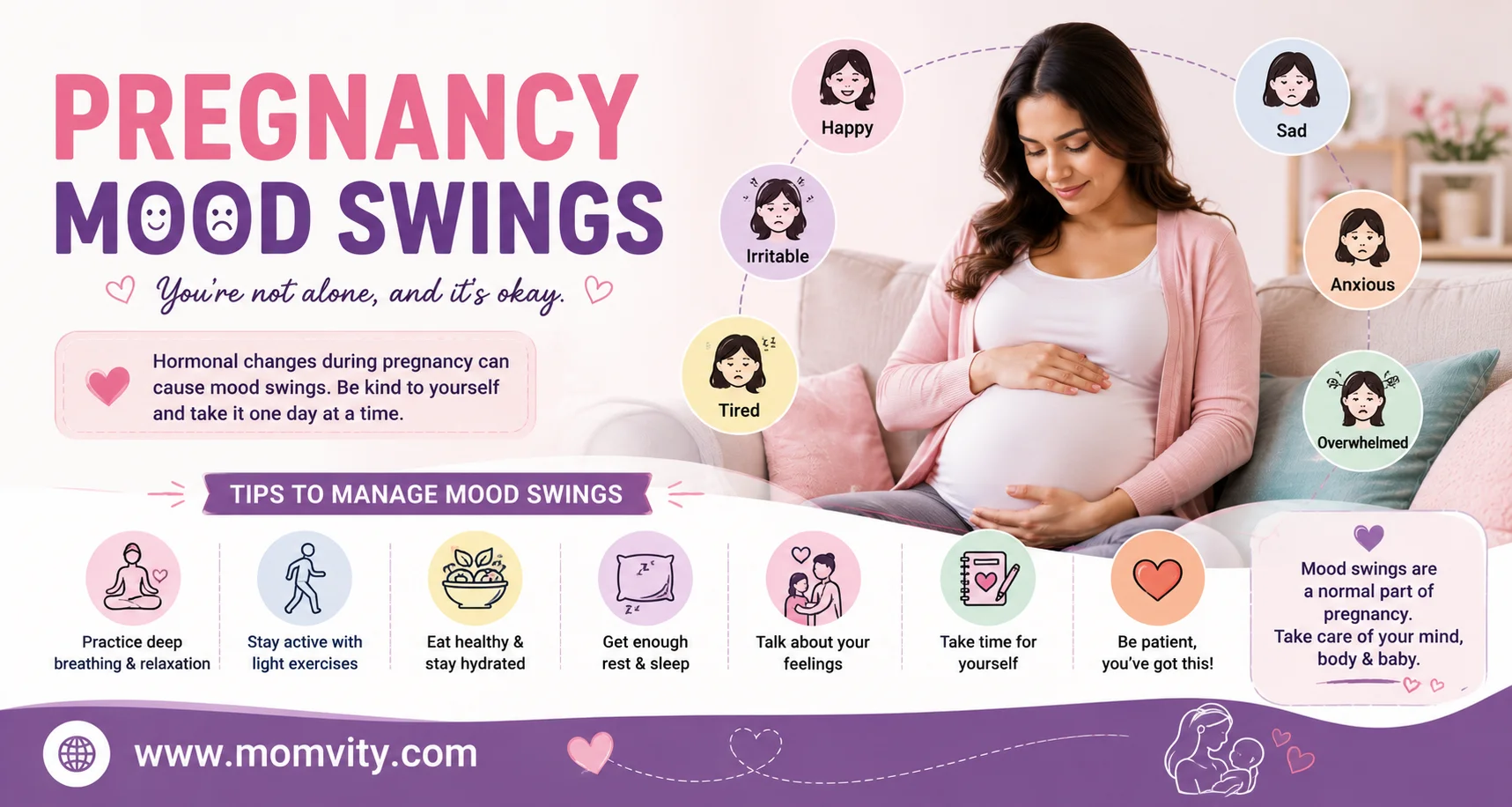
Pregnancy Mood Swings

Pregnancy Mood Swings Made Easier Simple Daily Habits For Emotional Balance 

Are you very worried about Pregnancy Mood Swings? Then through today’s article, you will know the simple and daily habits to manage hormonal emotional changes. Which will play a very effective role in maintaining your daily mental balance. 

Do you suddenly feel very happy during pregnancy, and then suddenly feel sad within a short time? Are these feelings really normal symptoms of pregnancy? 

Those who are going to be new mothers get very worried after seeing these changes. However, you have to keep in mind that with the development of a new life in the body, hormonal fluctuations in the body are almost constant. Along with this, physical fatigue and various thoughts about the future can go through your head at the same time. As a result, sometimes emotions become very sensitive and sometimes they can become tearful. 

Many of us have the wrong idea, thinking that these mental changes are mainly due to weakness. However, scientific research has proven that these are not due to mental weakness, but rather it is a special process of natural adaptation of the body and mind. However, if expectant mothers develop small habits every day, such as getting enough rest, eating nutritious food on time, and talking openly with loved ones, it becomes easier to maintain mental balance. 

By developing these small habits, it becomes easier to maintain mental balance. 

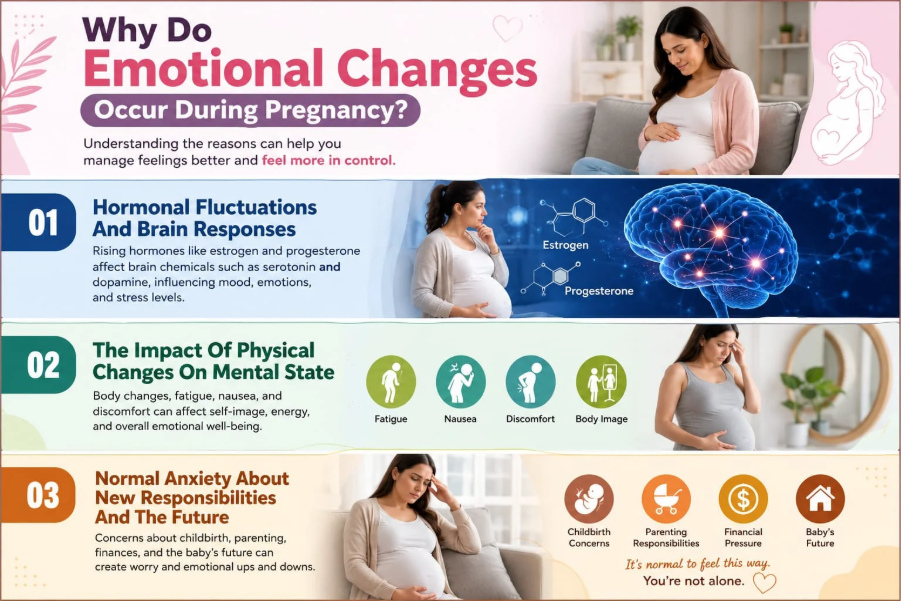
Why Do Emotional Changes Occur During Pregnancy? 

Pregnancy Mood Swings This is the most common problem and a normal experience of pregnancy. This problem is mainly due to rapid hormonal changes. When the levels of estrogen and progesterone hormones are low or high, the part of the brain that controls emotions is particularly affected. 

Along with physical instability, sleep changes, and the new responsibilities of motherhood, deep anxiety and depression about various future issues lead to more sensitive emotions. 

Therefore, pregnancy suddenly reveals a variety of emotions, including joy, tears, and annoyance, which is very common for most women. 

Hormonal Fluctuations And Brain Responses 

  • Estrogen and progesterone levels rise and fall rapidly during pregnancy. 
  • These changes can affect the part of the brain that controls emotions. 
  • Changes in the functioning of serotonin and dopamine can cause mood swings. 
  • It can be normal to feel tearful, irritable, or overly sensitive. 
  • Emotional reactions can be more intense if you are sleep deprived and physically tired. 
  • So mood swings don’t necessarily mean you’re weak; they’re often a normal biological reaction. 

The Impact Of Physical Changes On Mental State 

Pregnancy Mood Swings are often directly related to the rapid changes in the body during pregnancy. There are some changes that can particularly affect a woman’s self-confidence and feelings of discomfort. 

For example: weight gain, nausea, sleep problems and changes in body shape, etc. 

Difficulty in performing daily tasks can increase the amount of depression and anxiety. However, in most cases, these changes are an important part of the body’s various adaptation processes. Therefore, adequate rest and nutritious food should be consumed in this situation. Along with this, family support plays an important role in maintaining mental comfort in this situation. 

Normal Anxiety About New Responsibilities And The Future 

It is normal to feel anxious about the future when you suddenly face new responsibilities. Many expectant mothers wonder during pregnancy, will I really be able to handle everything properly? 

These thoughts are most prevalent during pregnancy. Because this is a very important and special stage in a woman’s life. 

In reality, self-confidence is built through gradually adapting to new situations. Breaking down daily tasks into small steps, sharing feelings with loved ones, and recognizing your progress can play an effective role in reducing stress. 

At What Times Are Emotional Changes More Common? 

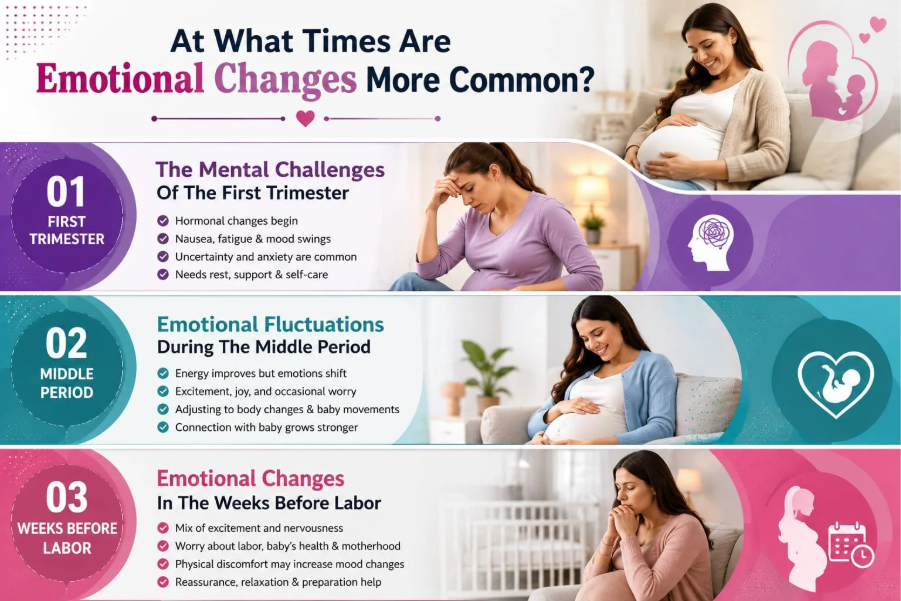
Pregnancy Mood Swings are most common in the first trimester of pregnancy. The main reason for frequent mood swings during this time is that hormonal changes change very quickly and effectively during this time. 

Nausea or fatigue or the additional pressure of adapting to a new reality can also cause frequent mood swings. 

Most women’s mental state is somewhat stable in the second trimester. However, in the last trimester, various types of emotional changes are particularly noticeable again. Preparation for childbirth and sleep problems and worries about the child’s future plans may increase. 

Therefore, we should view such changes as normal without putting any special pressure on them. 

The Mental Challenges Of The First Trimester 

Challenge When is it most common? 
Rapid Emotional Fluctuations 6–10 weeks 
Pregnancy Anxiety Before the first ultrasound 
Irritable Mood If nausea and fatigue are severe 
Accepting Yourself Alone Time to adapt to change 
Decreased Self-Confidence Body changes begin 
Stress Due To Sleep If discomfort increases at night 

When Is Medical Advice Necessary? 

When this anxiety or depression persists for a long time, that is, for 2 weeks or more in a row. If excessive depression disrupts daily activities or leads to negative thoughts such as harming yourself, then you should definitely seek medical attention. 

Emotional Fluctuations During The Middle Period 

Pregnancy Mood Swings Many women experience a variety of emotions during the middle of pregnancy. During this time, the emotional state may be somewhat relaxed, but the baby’s movements may begin. 

Along with this, thoughts about the baby’s future increase, and the burden of daily responsibilities and various emotional fluctuations also increase excessively. Sometimes the feeling of joy is greater, and sometimes there is increased excitement or you may feel restless for no reason. 

Adequate rest, regular light exercise, nutritious food, and open communication with family help maintain mental balance. 

Emotional Changes In The Weeks Before Labor 

  • Increased joy and excitement of seeing the baby 
  • Natural anxiety about the pain and process of labor 
  • Becoming more emotional or sensitive about small things 
  • Feeling restless during the day due to lack of sleep at night 
  • Repeatedly thinking about preparing for going to the hospital 
  • Wanting to seek more emotional support from family 
  • Thinking about the future responsibilities after the birth of the child 
  • Sometimes increased confidence, sometimes feeling fear or uncertainty 
  • Moments of loneliness or excessive thinking 
  • Increased need for rest, breathing exercises, and positive mental preparation to stay calm 

How To Recognize Common Symptoms 

Pregnancy Mood Swings are usually easily recognized by some everyday behaviors and feelings. For example, suddenly feeling sad, crying for no reason, feeling excessively angry or annoyed even over small things, and sometimes being very happy and then anxious after a while. 

Changes in sleep, restlessness, decreased attention, and difficulty controlling your emotions can also be important symptoms. If these changes occur repeatedly, it may indicate that something is more important than normal emotional fluctuations. 

Explore more here: Family Bonding Ideas

Sudden Sadness Or Crying 

  • Hormonal changes can cause emotions to suddenly become intense. 
  • It can be normal to feel tearful or upset for little reasons. 
  • Fatigue and lack of sleep can exacerbate these feelings. 
  • Worries about the future and the baby’s health can contribute to emotional ups and downs. 
  • Rest, open communication, and emotional support usually help calm the mind quickly. 

What To Do Before You Become Anxious, Fearful, Or Overly Sensitive 

When anxiety or fear starts to build up, it’s important to first notice the changes in your body and mind. Getting enough rest, practicing deep breathing, and staying away from unnecessary negative information can help reduce stress. Talking openly with a family member can often help ease anxiety quickly. 

  • Try to calm your mind slowly by taking deep breaths 
  • Ensure adequate sleep and regular rest 
  • Share your feelings with trusted people 
  • Avoid misleading information on the internet without medical advice 
  • Take a light walk or practice relaxation 

Effective Ways To Reduce Stress 

Some simple daily habits can play a very effective role in reducing Pregnancy Mood Swings. Adequate sleep, regular rest, and eating nutritious food on time keep the body as well as the mind stable. Taking a light walk for 15–20 minutes every day or exercising as per the doctor’s permission can reduce stress and improve mood. 

Talking openly with family members or someone close to you, expressing your feelings, and staying away from unnecessary negative information can help reduce anxiety. If necessary, meditation or deep breathing exercises can also be beneficial. 

Simple Exercises Of Deep Breathing And Meditation 

Practice Simple Method What Are The Benefits? 
Deep Breathing Breathe in slowly through your nose and out through your mouth. Decreased anxiety and restlessness 
Counting Breaths Count from 1–4 as you breathe in. Increases focus and reduces worry 
Sitting With Eyes Closed Just feel the fluctuations of the breath. The mind calms down. 
Light Meditation Focus on a quiet word or phrase. Reduced stress 
Relax The Body Sit comfortably with your shoulders and arms relaxed. Reduced body tension 

Important tips: Practicing these exercises for just 5-10 minutes every morning or night can help you control your stress. 

The Benefits Of Making Time For Things You Love 

Setting aside some time each day to do something you enjoy can be very beneficial mentally to help manage pregnancy mood swings. Reading a book, listening to music, light painting, or gardening can help calm the mind, reduce anxiety, and increase positive feelings. 

  • By making time for your favorite activities, stress and unnecessary worries gradually begin to decrease. 
  • Doing such activities regularly keeps the mind calm and it becomes relatively easier to control emotional fluctuations. 
  • By engaging in a pleasant activity, you can divert your mind from negative thoughts and increase positive feelings. 
  • By setting aside a specific time for yourself during the day, you can improve the quality of your sleep and feel less tired throughout the day. 

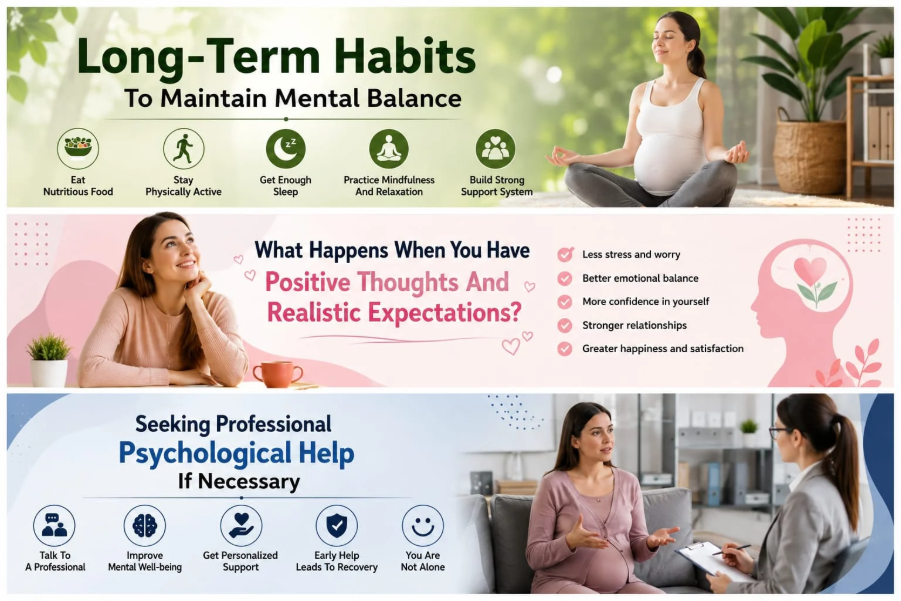
Long-Term Habits To Maintain Mental Balance 

One of the most effective ways to control pregnancy mood swings is to develop some long-term habits. Going to bed and waking up at a regular time every day, eating nutritious food, and drinking enough water help maintain mental stability. 

Regular light exercise or walking keeps the body active and also keeps the mood good. Open communication with family members, expressing your feelings, and seeking advice from a mental health professional if necessary play an important role in maintaining emotional balance in the long run. 

What Happens When You Have Positive Thoughts And Realistic Expectations? 

Having positive thoughts and realistic expectations can help you manage stress. Accepting that you won’t feel the same way every day during pregnancy can help reduce unnecessary frustration. Accepting the changes in your body, appreciating small progress, and not comparing yourself to others can help you build confidence. 

This can help you reduce anxiety, manage your emotional ups and downs, and make your entire pregnancy more peaceful and positive. 

Seeking Professional Psychological Help If Necessary 

If anxiety, excessive fear, or prolonged sadness during pregnancy begins to affect daily functioning, sleep, or relationships, it is important to seek professional psychological help. Talking to a counselor, psychiatrist, or trained mental health worker in a timely manner can help you manage your emotions and maintain your mental health. 

  • If you have been feeling down for a long time, it is best not to ignore it. 
  • If you are having trouble sleeping, eating, or performing daily tasks, you should talk to your doctor. 
  • Counseling can often help reduce anxiety without medication. 
  • It is beneficial to share your feelings with trusted people rather than hiding them. 

Perfection 

While Pregnancy Mood Swings are a normal part of pregnancy, they should not be completely ignored, but we must take them seriously. During pregnancy, hormonal changes or physical illness and mental preparation begins with the new member coming into the family and his future plans. It can also create a lot of emotional swings. 

However, regular rest, nutritious food, drinking enough water, light exercise and the habit of expressing one’s feelings openly play a major role in maintaining mental balance. 

Besides, if you can form the habit of deep breathing or meditation for a few minutes every day during pregnancy, you can easily keep your mind calm. In this situation, if a certain time of the day can find time to do something he likes, this can also be an effective way to keep his mind calm. 

It is also important to have realistic expectations and not compare yourself to the experiences of others. Emotional support from family and close people plays an effective role in boosting confidence and reducing anxiety during this time. 

Scroll to Top