Health & Wellness Product Reviews | Momvity

prostavive reviews

ProstaVive Reviews: What Every Wife and Daughter Should Know Before Buying It for the Men in the Family

This article may contain several affiliate links. If you make a purchase of ProstaVive through one of these links, we might earn a small commission; however, this will not result in any additional cost to you. However, if you have been experiencing symptoms related to your urinary tract for a long time, consulting a specialist doctor is undoubtedly the most effective course of action.
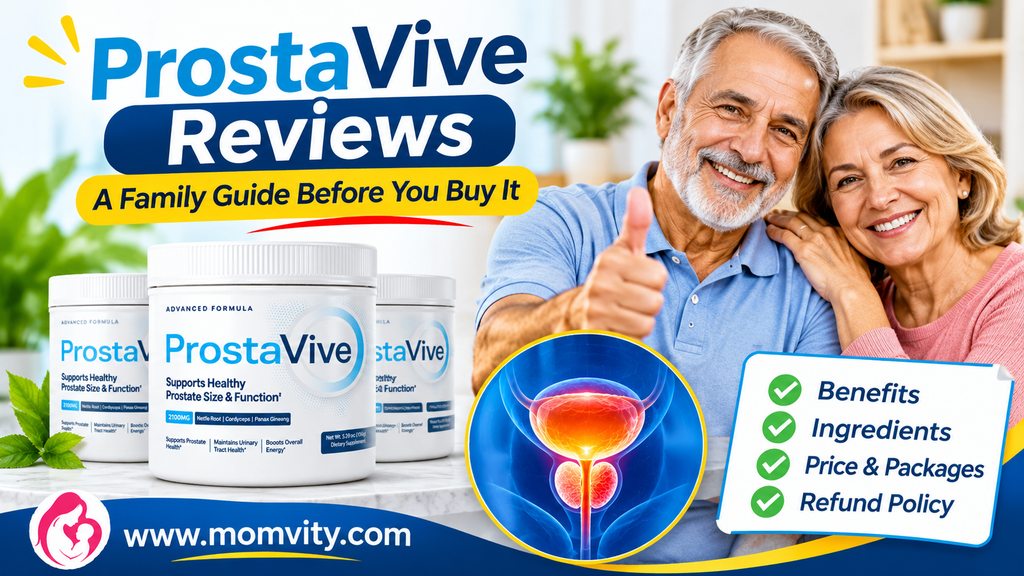
Supplement ads won’t tell you this, but plenty of men’s health products are researched by the women in their lives. A wife hears her husband get up for the third time in one night. A daughter notices her dad planning every car trip around restrooms. Then one of them searches online and lands on an ad for ProstaVive.

Are you considering purchasing ProstaVive, but feeling unsure if it is the right choice for you? It is only natural to have such questions when you are concerned about your prostate health. It is essential to be well-informed before investing in your health.

So, what should you know before making a decision about ProstaVive?

To find out, we have analyzed the product’s official website, refund policy, full list of ingredients, and existing medical research. We cover details such as pricing, the refund process, safety, feedback from actual users, and important points not mentioned on the sales page—all to help you make a decision based on factual information rather than just advertising promises.

The Quick Answer for Busy Readers

ProstaVive is a powdered drink supplement intended to be mixed with water. It significantly supports prostate health and helps regulate normal urinary flow; it is also marketed for its ability to boost physical energy. When you purchase or decide to take this supplement, you may notice some variation in price depending on the type of jar. This supplement is priced between approximately $39 and $79, and it comes with a 180-day refund guarantee—though there are quite strict terms and conditions that must be met to qualify for a refund.

However, among all the herbal ingredients used to create this, research-based information is available for only one—nettle root. However, the primary purpose of the other ingredients used here is to boost physical energy, reduce mental stress, and enhance sexual desire. However, there is another point you should be well aware of: this supplement has not yet been evaluated through clinical trials. This is not a medicine; therefore, if you are considering using it as a substitute for a doctor’s medical advice or treatment, you are mistaken.

Therefore, instead of paying attention to advertisements, we should all gather information through reliable means and make decisions based on an analysis of that information.

Why Families End Up Researching This in the First Place

Prostate problems are extremely common as men age. According to the National Institute of Diabetes and Digestive and Kidney Diseases, benign prostatic hyperplasia (BPH), a non-cancerous enlargement of the prostate, affects about half of men between 51 and 60 and up to 90% of men over 80.

First of all, we need to know what the prostate is. The prostate is a very small gland located just below the bladder. If, for any reason, this growth begins to enlarge, it exerts pressure on the urinary passage. As this problem intensifies, a man may notice that his urine stream becomes very weak, his bladder does not empty completely, or he needs to wake up repeatedly during the night to urinate.

And when a man suffers from this problem, it often leads to various kinds of difficulties for the entire family. Disrupted sleep at night, the cancellation of planned outings, or the need for breaks during a long journey—such minor occurrences affect the entire family. So, when an advertisement suddenly appears before your eyes—promising a deep, restful night’s sleep and guaranteeing that it will work 100%—it naturally catches your attention; however, you should not decide to purchase a product based solely on an advertisement.

Before You Trust Any Review, Spot the Fakes

Before reading the rest, take a moment to consider this important information. Many of the pages that appear when you search ProstaVive reviews are copy-and-paste marketing pieces posted on unrelated websites, sometimes as PDFs on event or school pages. They repeat the same wording and often get basic facts wrong.

Some common reporting mistakes are incorrectly listing 320 mg of saw palmetto, pygeum bark and beta-sitosterol in ProstaVive’s formula and recommending two capsules daily with meals. The official website lists none of those three ingredients and describes a powder taken as one scoop daily.

Some of these pages also quote “customers” with a first name, an age and a perfect result, yet those people can’t be found on any review platform. A simple rule helps: if a review doesn’t match the product’s own label, or quotes people you can’t trace, close the tab.

What ProstaVive Actually Is
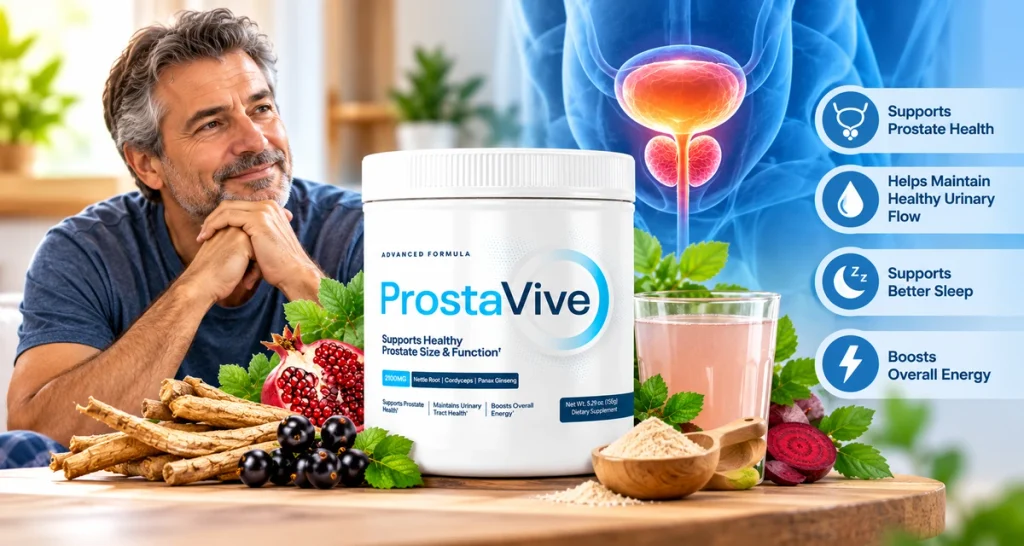
ProstaVive is a powdered dietary supplement aimed at men who want support for prostate health, stronger urine flow, better sleep, energy and sex drive. Each jar holds a 30-day supply. The seller recommends mixing one scoop into water or another drink once a day, ideally with a meal and at roughly the same time each day.

Orders on the official site are handled by ClickBank, a large online retailer for health and digital products. Questions about the product go to the ProstaVive support team, while questions about payment or an order can go directly to ClickBank.

One key disclaimer on the official website makes two things clear: the FDA has not evaluated the product’s claims, and the product is not meant to diagnose, treat, cure or prevent any disease. 

What’s Inside the Jar

The official ProstaVive website lists the following ingredients. It shows a Supplement Facts image, but exact amounts aren’t written in the page text, so check the label on the jar for doses.

Ingredient What it is What research mostly looks at 
Nettle root Herb Urinary symptoms of BPH (mixed, short-term results) 
Panax ginseng Herb Energy, sexual function, blood sugar 
Ashwagandha Herb Stress, anxiety and sleep 
Fenugreek Herb Libido, testosterone, blood sugar 
Tongkat Ali Herb Testosterone and stress (small studies) 
Maca root Herb Libido and mood (small studies) 
Artichoke extract Plant extract Digestion and cholesterol 
Boron Trace mineral Very limited human research 
Zinc Mineral Essential nutrient; no proven BPH relief 
Magnesium Mineral Essential nutrient; no proven effect on urine flow 
Vitamin D Vitamin Essential nutrient; prostate evidence unclear 

Of everything on this list, nettle root is the only ingredient with a meaningful body of research on enlarged prostate symptoms. The National Center for Complementary and Integrative Health indicates that some men may experience short-term benefits from stinging nettle, but the small number of participants in trials and differences between products limit the strength of the evidence. 

Most of the other ingredients are better known for energy, stress relief or libido. That makes ProstaVive more of a general men’s wellness blend with one prostate-focused herb than a traditional prostate formula. It also leaves out saw palmetto, the herb most people connect with prostate health. The absence may be less concerning because an NIH-referenced review published in 2023 analyzed 27 studies and found that saw palmetto alone provided minimal or no relief from prostate enlargement symptoms. 

Just as important, no independent clinical trial has been published on the finished ProstaVive formula. The sales page refers to a 2023 study from Fukushima Medical University in Japan about blood flow around the prostate, but that study didn’t test ProstaVive.

A Note for Couples Trying to Conceive

For those who have learned about this supplement through advertisements—many of whom are planning to start or expand their families but have not yet succeeded—this supplement could prove to be highly effective. This is because it contains potent natural ingredients—such as maca, ashwagandha, and zinc—which, when consumed regularly, help increase a person’s sperm count and ensure the sperm remain sufficiently motile. The ingredients in this product can have a significant impact on male reproductive health, and each of these components has been the subject of prior research; however, the product ProstaVive itself has never been tested for its ability to enhance reproductive capacity, nor is it marketed as a treatment for reproductive health issues.

However, if you and your partner are facing various challenges in conceiving, you should consult a specialist. They will arrange for various tests and, based on the results, provide you with appropriate medical treatment and expert guidance.

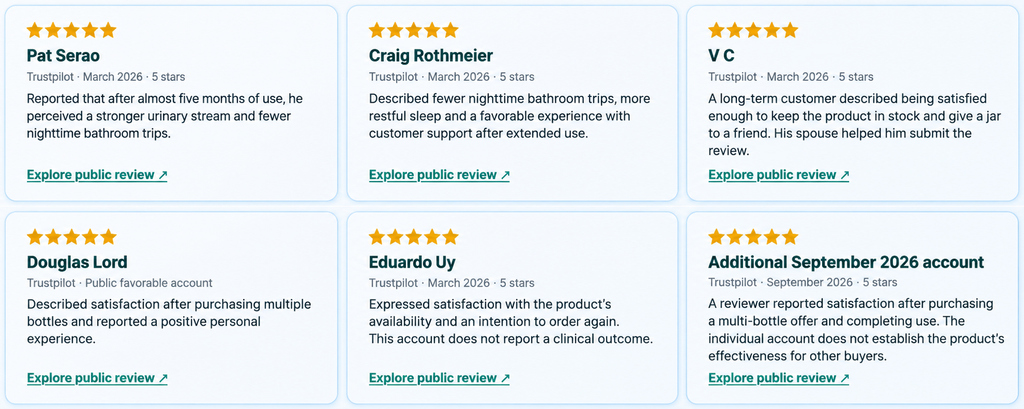
Real Customer ProstaVive Reviews
ProstaVive Price and Packages

As of the time this article was written, customers could choose from three packages on the official website. Prices and promotions can change, so double-check the final total before you pay.

Package Lasts Price per jar Total Bonuses 
1 jar 30 days $79 $79 None 
3 jars 90 days $59 $177 2 free e-books 
6 jars 180 days $39 $234 2 free e-books 

The bonus e-books are a prostate health smoothie recipe guide and a “Healthy Sex Drive Plan.” The one- and three-jar packages appear to include a shipping fee, so look for it at checkout. According to the company’s shipping information, most orders within the US reach customers within three to five business days following processing. 

For a family budget, the six-jar package works out to about $1.30 a day, while a single jar comes to about $2.63 a day. The bigger bundle is cheaper per serving, but it means paying $234 upfront for something he hasn’t tried yet. Starting with one jar is usually the more sensible test, even if it costs a bit more per day.

One more thing to expect: the seller says each jar is filled by weight rather than volume, contains more than 4 ounces and 30 servings, and comes with a measuring scoop. So if the jar looks partly empty when you open it, that doesn’t necessarily mean it’s short.

Where to Buy (and Where Not To)

ProstaVive’s official website claims that the product cannot be purchased through Amazon, Walmart, eBay or any other third-party seller. If you come across it on a marketplace or an unfamiliar website, be cautious.

You can’t be sure a third-party listing is the genuine product, you have no way of knowing how it was stored, and the seller’s 180-day guarantee may not cover you. Shopping through the official website helps reduce the risk of payment issues and protects your eligibility under the refund policy. 

The 180-Day Money-Back Guarantee, Step by Step
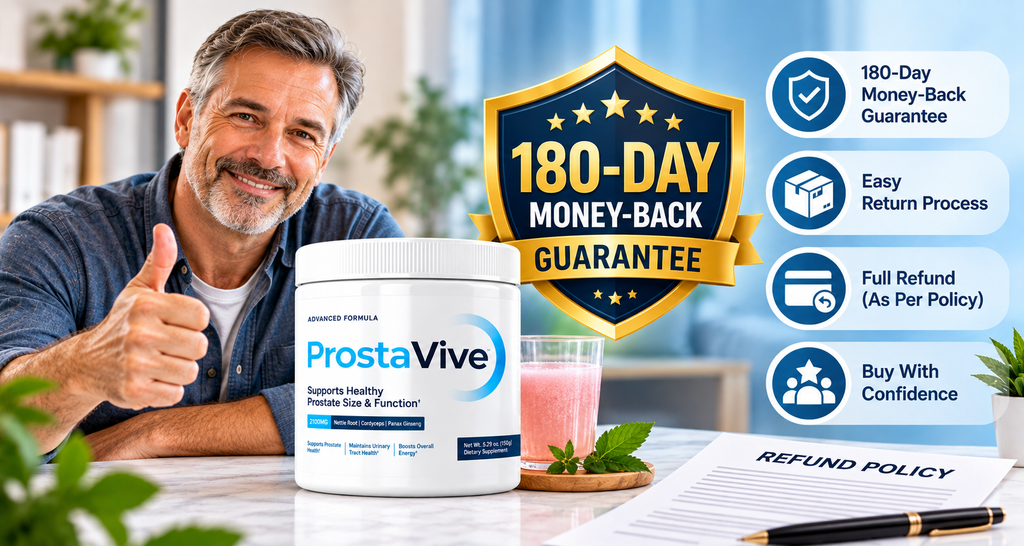
The official refund policy gives buyers 180 days from the order date. That’s a generous window, but the process has rules that are easy to overlook, so here’s how it works.

First, confirm you’re still within six months of the order date by checking the order confirmation email. After that, email the support team with the subject line “Refund Request.” Do not mail anything until a support agent responds. Third, return all the jars, both empty and unopened, to the returns address in Tallmadge, Ohio, with a note listing the buyer’s full name, order number and the email used for the order. No return label is needed, but you pay the postage, and you should email the tracking number to support.

Once the return arrives and is logged, the seller says the full refund usually appears on your statement within five to ten days. A practical family tip: keep a small box in the cupboard for empty jars and save the order email in a folder. If you ever need a refund, everything will be ready.

Safety: The Questions to Ask First

The official website describes ProstaVive as generally well tolerated and advises stopping it and seeing a doctor if any side effects appear. Because the formula contains several active herbs, the bigger concern for most older men is how it mixes with medicines they already take.

Since ginseng and fenugreek may decrease blood sugar levels, people taking diabetes medication should be aware of possible interactions. Potential interactions may occur when ginseng or nettle is used alongside medicines that thin the blood or lower blood pressure. Information from the NIH Office of Dietary Supplements indicates that ashwagandha may affect thyroid hormone levels and has been associated with rare instances of liver damage. Tongkat Ali has very little long-term safety data.

If he already takes a prescription for his prostate, such as tamsulosin or finasteride, he shouldn’t stop it or swap it for a supplement without his doctor’s approval. Here’s an easy way to help: take a photo of the ProstaVive label and his medication list to your local pharmacist and ask whether anything clashes.

Why a Doctor’s Visit Should Come First

Frequent nighttime urination and a weak stream don’t always come from the prostate. Bladder problems, diabetes, sleep apnea, certain medicines and, in some cases, prostate cancer can cause similar symptoms. The Urology Care Foundation recommends having urinary symptoms checked by a doctor instead of self-treating.

Family history matters as well. The American Cancer Society recommends discussing prostate cancer screening with a healthcare professional at age 50 for men at average risk. Black men and men whose father or brother developed prostate cancer before age 65 face a higher risk and should discuss screening from age 45. Men with more than one close relative diagnosed at a young age should start at 40. If your husband or dad has a family history, that’s another reason to see a doctor before trying any supplement, and it’s helpful information for the sons in the family too.

Get medical help quickly if he can’t pass urine, notices blood in his urine, or has a fever along with urinary symptoms.

A Simple Family Sleep Log

If he decides to try ProstaVive, a basic log will tell you far more than memory alone. For one week before he starts, note how many times he gets up each night, what time he had his last drink, and whether he had coffee, tea or alcohol in the evening. Keep the same notes during his first month on the supplement.

Putting the two side by side makes it much easier to judge whether anything truly changed, and it’s valuable information to bring to a doctor’s appointment. Just remember that a home log can’t prove what caused a difference.

Who It Might Suit, and Who Should Skip It

ProstaVive may suit a man whose doctor has already checked his symptoms, who would rather drink a mix than swallow pills, who’s comfortable spending $39 to $79 a month, and who understands that results aren’t guaranteed. It may also appeal to men looking for a general energy and vitality blend.

It’s probably not the right fit for a man who wants the strongest research behind his prostate supplement, who dislikes the idea of a daily powder drink, who takes blood thinners, diabetes, blood pressure or thyroid medicines without medical approval, or who has already been advised to start treatment.

Our Honest Verdict

After thoroughly examining the composition of this supplement, its refund policy, and various research-based findings, we can confidently describe it as an appealing beverage for maintaining men’s health and well-being. It contains an effective herbal ingredient that helps maintain proper prostate hormone levels and supports prostate health, yielding excellent results. Furthermore, it comes with an appealing money-back guarantee, though certain conditions must be met. Moreover, this final product has not yet undergone any necessary clinical testing. However, if you would like to learn more about this product, you could look at the experiences shared by actual buyers; this will help you gain a clearer understanding of it. That said, no matter how many supplements you take, they can never serve as a substitute for a qualified medical professional.

Check the Current ProstaVive Offer →

Frequently Asked Questions

Can I buy ProstaVive as a gift for my husband or dad?
Yes, but talk with him and his doctor first, especially if he takes any medication. A supplement he doesn’t want, or one that clashes with his prescriptions, isn’t a helpful gift.

Is ProstaVive taken as a pill, or does it come as a powder?
It’s a powder. He consumes one scoop per day by mixing it into water or another beverage, ideally when eating a meal. 

Does ProstaVive contain saw palmetto?
No. As outlined in the official ingredient list, ProstaVive combines several herbal ingredients—including nettle root, Panax ginseng, ashwagandha, fenugreek, Tongkat Ali, maca root and artichoke extract—with boron, zinc, magnesium and vitamin D. 

How soon will he notice a difference?
The seller reports that changes may become noticeable within weeks for some users. However, results vary from person to person, and the finished formula has no scientifically established timeline for effectiveness. 

Does ProstaVive help with fertility?
It has never been tested for fertility and isn’t sold as a fertility treatment. Couples having trouble conceiving should see a fertility specialist for proper testing.

What’s the cheapest way to buy ProstaVive?
At the time of writing, the six-jar package was cheapest at $39 per jar, or $234 in total. A single jar costs $79 but puts less money at risk.

Can ProstaVive replace his prostate medication?
No. ProstaVive is a dietary supplement, not a medication. He shouldn’t stop any prescribed drug without his doctor’s approval.

Is ProstaVive FDA-approved?
No.Before dietary supplements are sold, the FDA does not approve them based on effectiveness. ProstaVive also acknowledges on its website that its claims have not been evaluated by the agency. 
VisiFlora Review 2026

VisiFlora Review 2026: What Beginners and Busy Moms Should Know Before Buying

It is 9:30 PM; your children are asleep, and there is a faint, ambient hum in the background. You are sitting and working on office tasks, about to reply to one last email, when your eyes begin to feel dry and extremely heavy, and your surroundings appear blurred. The text that was perfectly clear to you earlier in the day has now become difficult to read, requiring a significant effort on your part to make out the words. Amidst a day that began with reading storybooks to your children, helping with household chores, and driving to pick them up from school in the afternoon sun, you might have come across an advertisement—on your smartphone or the internet—for a supplement designed to support eye health and overall well-being, which works by acting directly from within the digestive system. If you are looking for an unbiased and accurate review of VisiFlora, or if you want to learn about its ingredients, you have come to the right place.

In our current discussion, we will explore what this supplement actually is, what its ingredients are, what science has to say about it, and what its dosage should be. Along with that, I will examine aspects such as the return or refund policy to see how reliable they are.

Quick Answer: Is VisiFlora Right for You?

If you only have a minute, this table sums up our VisiFlora review in plain terms.

Might Be a Good Fit If You… Probably Not for You If You… 
Want a single daily capsule that combines common eye nutrients and antioxidants Need treatment for a diagnosed eye disease 
Already keep up with eye exams and healthy screen habits Expect sharper eyesight within days 
Are comfortable with a product that has no published trial of its own Want to see the exact dose of every ingredient before buying 
Don’t take blood thinners or diabetes medication, or have cleared it with your doctor Are pregnant or breastfeeding and haven’t checked with your OB or midwife 

Check the Current VisiFlora Offer

What Is VisiFlora, in Plain English?

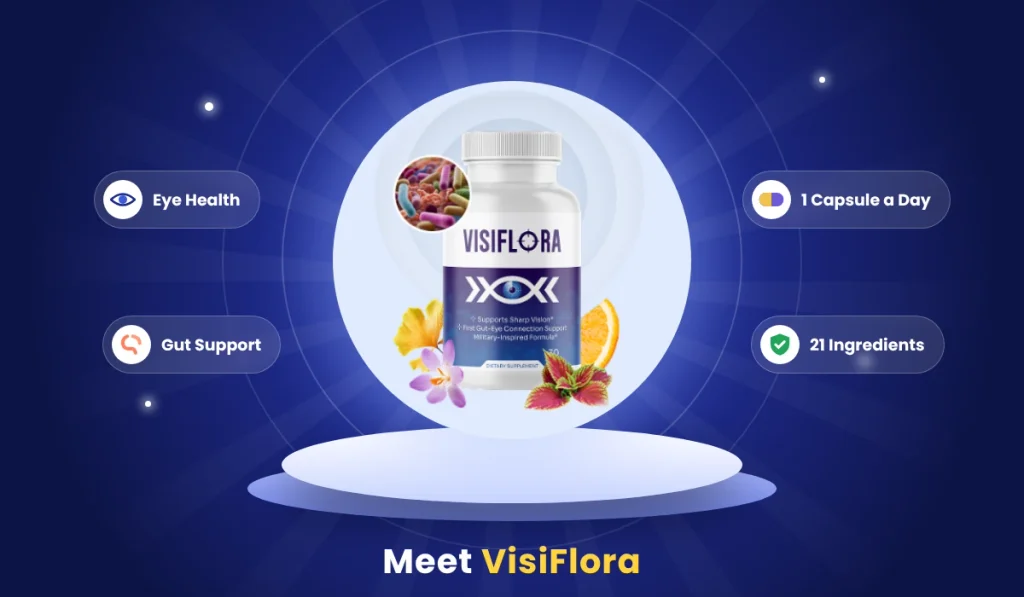
VisiFlora is a capsule supplement that needs to be taken once daily. A blend of all the nutrients essential for eye health—such as lutein, zinc, and vitamins C and E—has been included here. Additionally, several other beneficial ingredients have been included here, which play a significant role in improving the connection between the gut and the eyes. An examination of its sales data reveals that it is recognised as a comprehensive vision-enhancing solution that also ensures good intestinal health. In addition to providing daily relief and enhancing visual clarity, this supplement acts as a vital link in the absorption of nutrients and the protection of eye health, thereby gradually improving ocular clarity.

If we examine data related to scientific research, we find that the functioning of the eyes depends on blood flow and the supply of nutrients reaching them—nutrients that are first absorbed through the digestive system. Therefore, this supplement works at the root of the problem, making it extremely easy to understand the core issue. 

However, the actual effectiveness or the quality of results this supplement delivers cannot be determined solely based on its formula; we will certainly discuss these aspects below as well.

The Gut-Eye Connection: What’s Real and What’s Still a Guess

The gut-eye axis is a real area of research. Scientists are studying how the trillions of microbes in the digestive tract may influence inflammation and immune activity throughout the body, including the eyes. A 2023 review indexed on PubMed examined links between the gut microbiome and several eye conditions, and the field is clearly growing.

However, the formula used here—the ‘Gut-Eye Barrier Complex’—is so precise that it compels people to think twice. No probiotics have been used here; instead, various natural ingredients—such as grape seed extract, antioxidants and amino acids like taurine—have been utilised. Instead of using live bacteria, antioxidants and barrier agents have been used here to maintain the integrity of the digestive tract.

What’s Inside VisiFlora? A Beginner-Friendly Ingredient Breakdown

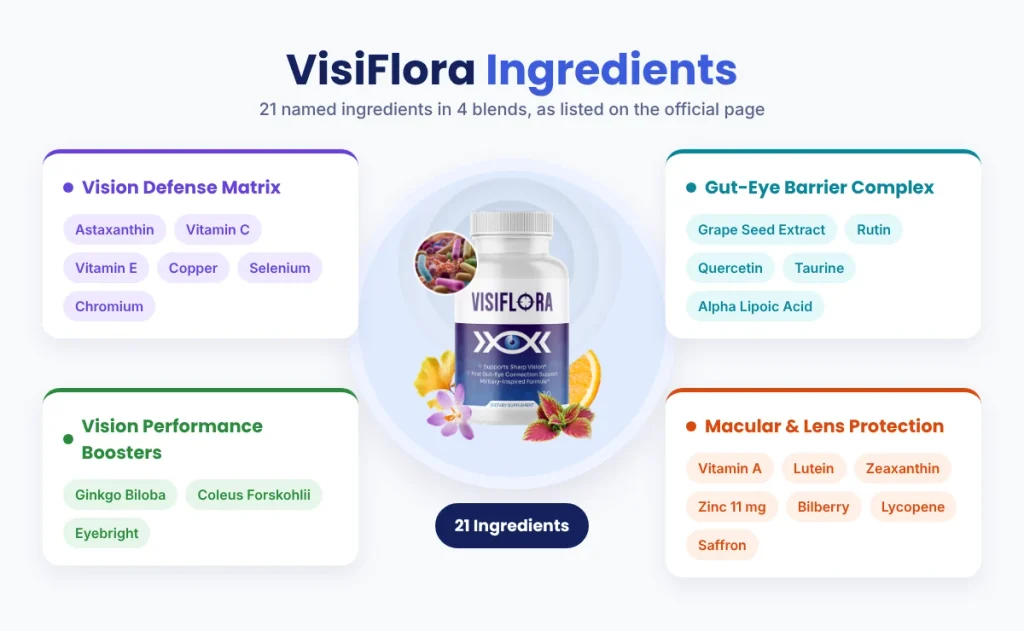
The sales page organizes the formula into four groups. Here’s what each one contains and, in simple words, why these nutrients usually appear in eye or wellness supplements.

Ingredient Group Ingredients Named What These Nutrients Are Generally Known For 
Vision Defense Matrix Astaxanthin, vitamin C, vitamin E, copper, selenium, chromium Antioxidant support; vitamin C, vitamin E and copper also appear in the AREDS2 formula 
Gut-Eye Barrier Complex Grape seed extract, rutin, quercetin, taurine, alpha lipoic acid Plant flavonoids and antioxidants often included for blood vessel and cell support 
Vision Performance Boosters Ginkgo biloba, coleus forskohlii, eyebright Traditional botanicals marketed for circulation and eye comfort; human evidence is limited 
Macular & Lens Protection Blend Vitamin A (beta carotene), lutein and zeaxanthin (from marigold), zinc, bilberry, lycopene, saffron Carotenoids and minerals linked to retinal and macular health 

Lutein and zeaxanthin are the best-studied pair on the list. They naturally collect in the retina and lens, where they may act as antioxidants and help filter high-energy blue light. Astaxanthin, a reddish carotenoid found in algae and salmon, has been tested in a handful of small studies on eye fatigue. Saffron has been studied in small trials, mostly involving people with early macular degeneration. Eyebright, on the other hand, has a long folk history but very little modern human research behind it.

The One Dose We Actually Know

The most significant cautionary point regarding this VisiFlora supplement is that its official website fails to specify the quantities of the individual ingredients used in its formulation; only one ingredient is mentioned.

Now I need to know why this matter is so important. Taking medication or supplements according to the prescribed guidelines or dosage can be effective; however, it is clear from the preceding discussion that the specific quantities of the ingredients are not mentioned. For example, in the AREDS2 study, lutein was tested at a daily dose of 10 mg. However, since the amount of lutein in VisiFlora is unknown, you cannot possibly compare it to the study. So, if you wish to take this supplement, you should first request the complete ‘supplement facts’ label from the company.

How Does VisiFlora Compare With AREDS2?

AREDS2 is the eye-vitamin formula tested by the National Eye Institute in large clinical trials. Here’s how the two compare.

Nutrient AREDS2 Formula VisiFlora 
Vitamin C 500 mg Included, amount not disclosed 
Vitamin E 400 IU Included, amount not disclosed 
Lutein 10 mg Included, amount not disclosed 
Zeaxanthin 2 mg Included, amount not disclosed 
Zinc 80 mg (25 mg also tested) 11 mg 
Copper 2 mg Included, amount not disclosed 
Beta carotene Removed Included as vitamin A 
Extra botanicals None Astaxanthin, ginkgo, saffron, bilberry and more 

Two points stand out. First, according to the National Eye Institute, the AREDS formulas helped people with intermediate or late age-related macular degeneration (AMD), and showed no benefit for people with early AMD or no AMD at all. Second, beta carotene was dropped from AREDS2 partly because it was linked to higher lung cancer risk in smokers and former smokers. VisiFlora includes beta carotene, which is one reason smokers and ex-smokers should talk with a doctor first.

In short, AREDS2’s results can’t be borrowed to prove VisiFlora works.

What Can VisiFlora Realistically Do?

VisiFlora contains nutrients commonly used in eye supplements, and some have encouraging research on their own. But there’s no published clinical trial of the finished VisiFlora formula, so nobody can say for sure what it will do for you.

If your diet is low in leafy greens and colorful vegetables, a supplement with lutein and zeaxanthin may help fill a gap. If your tired eyes come mostly from long screen sessions, poor lighting and too little sleep, though, no capsule can replace changing those habits.

Marketing Claims to Read Carefully

The sales page uses phrases such as “precision vision support,” “enhanced visual clarity” and help to “ease daily visual fatigue.” These describe the brand’s goals, not proven outcomes. Its FAQ mentions improvements “within a few weeks,” but that’s based on customer reports, not a controlled study, and the page itself says results vary.

Who Should Be Careful With VisiFlora?

Because VisiFlora combines vitamins, minerals and herbs, a few groups need to pause before starting it.

Situation Why It Matters 
Pregnant or breastfeeding The brand itself advises consulting a physician; several botanicals in the formula lack well-established safety data for pregnancy and nursing 
Taking blood thinners Ginkgo and vitamin E may increase bleeding risk when combined with anticoagulants 
Taking diabetes medication Chromium and alpha lipoic acid can affect blood sugar 
Current or former smoker Beta carotene supplements have been linked to higher lung cancer risk in smokers 
Already taking a multivitamin or AREDS2 Overlapping nutrients such as zinc, vitamin A and vitamin E can add up 
Managing a diagnosed eye condition A supplement shouldn’t replace your eye doctor’s treatment plan 

A simple habit helps: list every medicine, vitamin and herbal product you take, and show it to your pharmacist before adding anything new.

And one important safety note for everyone: sudden vision loss, a sudden shower of new floaters, flashes of light or a curtain-like shadow across your vision need urgent medical care. Don’t wait to see whether a supplement helps.

VisiFlora Price, Bonuses and Shipping

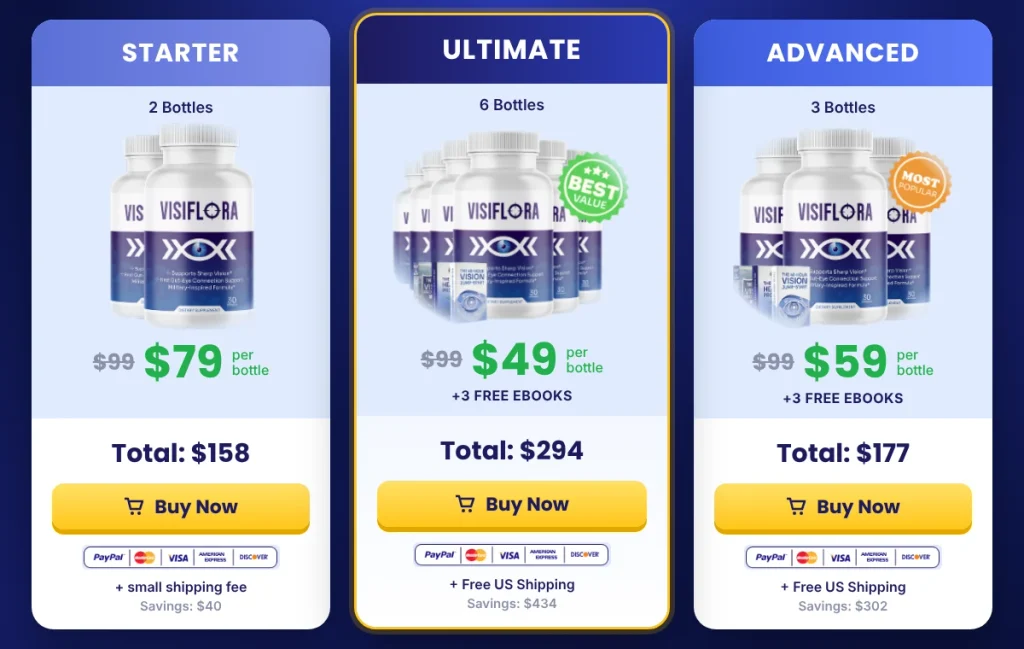
Here are the prices listed on the official website in October 2026. Prices can change, so always confirm at checkout.

Package Bottles Price per Bottle Total US Shipping 
Starter 2 $79 $158 Small shipping fee 
Advanced 3 $59 $177 Free 
Ultimate 6 $49 $294 Free 

The page shows a $99 reference price per bottle and lists “savings” figures for each package. Those numbers are calculated by the brand, so focus on the actual total you’ll pay.

Every package includes three digital ebooks: The Vision Protection Manual, The Gut-Eye Nutrition Protocol (a seven-day plan with 21 recipes) and The 48-Hour Vision Jump-Start. They’re downloads, not physical books.

Delivery Location Shipping Fee Estimated Delivery 
Mainland US $9.95 or free, depending on quantity 5 to 8 business days 
Alaska and Hawaii $9.95 or free, depending on quantity 12 to 20 business days 
Canada, UK and Ireland, Australia and New Zealand $19.95 12 to 20 business days 

Orders ship within 24 to 48 hours of payment confirmation, and you’ll receive a tracking link by email.

Understanding the Refund Policy

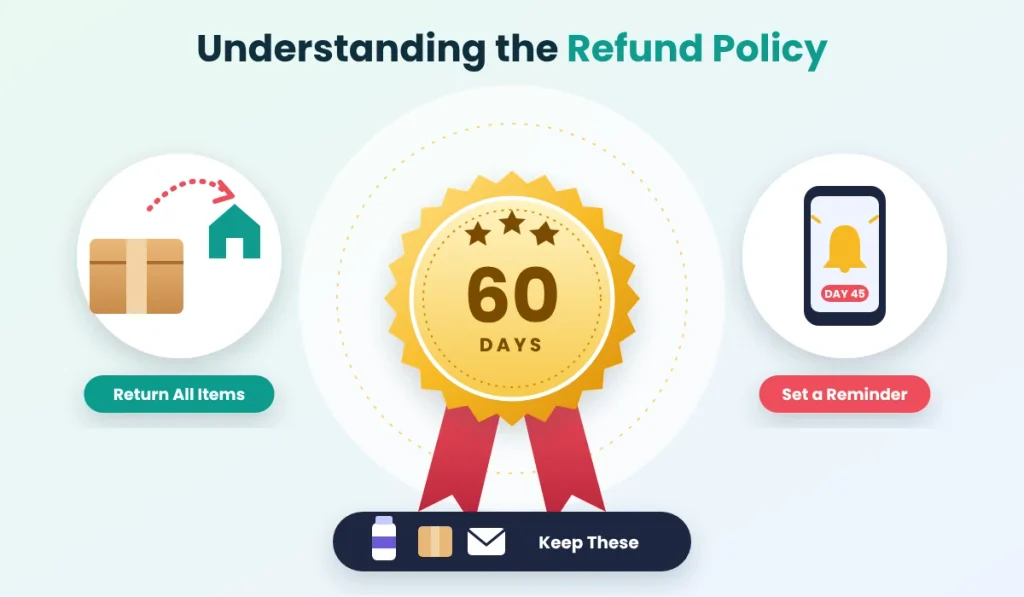
VisiFlora advertises a 60-day money-back guarantee, and the refund page fills in the details beginners often miss. The 60 days start from the date you receive your order, not the date you pay. You need to send back all the items you received to the company’s warehouse in Aurora, Colorado. Return shipping is your cost, and the refund is issued minus any shipping fees. The policy says a package mailed on day 59 is still accepted even if it arrives a few days later.

A practical tip: keep unopened bottles, packaging and your order email together, and set a phone reminder around day 45 so you can decide calmly.

Free Habits That Help Tired Eyes Right Now

Whether or not you try VisiFlora, these everyday habits cost nothing and support eye comfort.

The 20-20-20 rule is a great start. Every 20 minutes of screen time, look at something about 20 feet away for 20 seconds. Many parents find it easier to tie this to natural breaks, like every time a child asks for a snack.

We blink less when staring at screens, which dries the eyes, so blink deliberately. Keep your screen at arm’s length and slightly below eye level, reduce glare from windows, and use warmer lighting in the evening. Putting leafy greens such as spinach and kale on the family table adds natural lutein and zeaxanthin to everyone’s plate. And protecting your sleep, however hard that is with little ones, gives tired eyes a chance to recover.

Finally, keep up with regular eye exams. Blurry vision at night can sometimes simply mean your glasses prescription needs updating.

Red Flags to Watch for in VisiFlora Reviews Online

Not every VisiFlora review you’ll find is written to help you. Some are promotional pages designed to look independent. Watch for these warning signs.

Red Flag Why It Matters 
Promises to restore perfect vision or replace glasses No supplement can honestly promise that 
Huge star ratings with no way to verify them Large review counts on sales-style pages are often unverifiable 
Lookalike website addresses with odd spellings These may not be connected to the official seller 
Claims that it cures an eye disease Supplements aren’t approved to diagnose, treat or cure disease 
No mention of side effects or drug interactions Balanced reviews discuss who should avoid a product 

Pros and Cons at a Glance

Pros Cons 
Simple routine of one capsule a day with food Only one ingredient dose (zinc) is disclosed 
Includes well-known eye nutrients such as lutein and zeaxanthin No published clinical trial of the finished formula 
Non-GMO, stimulant-free and vegetarian-friendly, according to the brand Gut-eye marketing is ahead of the research 
One-time purchase with no auto-ship, according to the brand Several ingredients may interact with common medications 
60-day refund window from delivery You pay return shipping and shipping fees are deducted 

Final Verdict: Is VisiFlora Worth It? Our VisiFlora Review Conclusion

After conducting various forms of research and reviews regarding this supplement, we have arrived at a balanced perspective. These reviews encompassed its ingredients, scientific basis, price, and terms and conditions. The information we have gathered regarding VisiFlora indicates that it contains nutrients essential for eye health, while also establishing a link to digestive system health—a connection that has served as the foundation for some preliminary research. However, the most significant flaw of this product is that the quantity of only one of its 21 ingredients is specified; the amounts used for the remaining 20 ingredients are not disclosed. Furthermore, this product has not yet undergone any clinical testing.

If you are a healthy adult looking for nutrient-rich capsules designed to support eye health—while understanding that the results are not guaranteed and that these should not be used as a substitute for medical treatment—you might consider giving them a try; the product also comes with a 60-day refund policy. However, if you are pregnant, taking medication for diabetes, a smoker, or have been suffering from long-term eye conditions, you must consult a specialist doctor before taking this supplement.

Ready to look at the details yourself? You can read the full VisiFlora review and check the current price, packages and refund terms before deciding.

Frequently Asked Questions

Does VisiFlora really improve eyesight? There’s no published clinical trial showing that the finished VisiFlora formula improves eyesight. Some of its ingredients have been studied individually, but those results can’t be transferred automatically to this product.

Is VisiFlora the same as an AREDS2 supplement? No. AREDS2 is a specific formula tested in large trials for people with intermediate or advanced AMD. VisiFlora has a different ingredient list, includes beta carotene and hasn’t disclosed most of its doses.

Are there any side effects? No specific side effects are listed on the sales page, but individual ingredients can cause issues for some people. Ginkgo and vitamin E may affect bleeding, while chromium and alpha lipoic acid can influence blood sugar.

How much does VisiFlora cost? At the time of writing, prices range from $79 per bottle for two bottles to $49 per bottle for six. Totals are $158, $177 and $294, with free US shipping on the larger packages.

What is the VisiFlora refund policy? You have 60 days from receiving your order to return all items to the company’s Colorado warehouse. You pay return shipping, and the refund is issued minus any shipping fees.

VisiFlora Reviews

VisiFlora Reviews: What Buyers Should Know Before Ordering

It has to be started in a very calm, composed, and clear manner. After working for several hours at a laptop or computer screen, if you look at a wall clock on the other side of the room, the numbers appear somewhat blurred, or it takes a few seconds for them to come into focus. Alternatively, it could be that you are over 40 and now need to wear the glasses—which you previously used only occasionally—all the time. This is precisely the time when many people start looking for eye supplements, so we should read the reviews carefully and gather the relevant information. VisiFlora reviews help people explore these details. VisiFlora is now available in the global market as a vision-enhancing supplement that aims to support eye health from within the body, particularly through the gut. This is creating an unconventional perspective in today’s competitive world; therefore, one must certainly exercise caution regarding this matter.

Today’s discussion highlights three important points in an easy-to-understand format, simplifying concepts that were challenging to comprehend from the supplement’s original pages. There are three main things to examine: the manufacturer’s statements about the supplement, the scientific evidence supporting those claims, and the information that is still missing. For the sake of discussion, we would like to inform you that we have not personally used Visiflora, nor are we speaking from our own personal experience.

What Is VisiFlora?

VisiFlora is a highly effective supplement designed for once-daily use; it is important to remember that it should be taken only once a day. This supplement has been marketed globally as the ’22-in-1 Vision Essential Formula’. This supplement is formulated using 21 ingredients, including well-known eye-health nutrients, various antioxidants, botanicals, and components considered highly beneficial for supporting gut health. The manufacturer’s website highlights four features of the product: non-GMO ingredients, no stimulants, suitability for vegetarians, and processing in a certified facility. 

Detail What the Official Page Says 
Product type Vision and gut-eye dietary supplement 
Format Capsules 
Daily use One capsule daily with a meal and a glass of water 
Formula Marketed as 22-in-1; 21 ingredients are individually named 
Disclosed dose Zinc 11 mg (other amounts not listed on the sales page) 
Dietary claims Non-GMO, stimulant-free, vegetarian-friendly 
Retailer ClickBank 
Billing name ClickBank or CLKBANK*COM 
Subscription Brand says one-time purchase with no auto-ship 
Guarantee 60 days from the date you receive the order 
Clinical trial of the finished formula None published 

The first point that requires our special attention is that the official website lists 21 ingredients used in the product; however, the specific quantities of these ingredients are not clearly indicated—only the quantity of one ingredient has been disclosed. This is a crucial point; in the field of nutritional science, the dosage of the ingredients determines how effective a supplement or medication will be—otherwise, there is no way to gauge its efficacy.

The Gut-Eye Connection Behind the Formula

In most reviews of Visiflora, we have observed a specific mention of the “gut-eye axis”—a concept indicating a unique connection between the gut (the digestive system) and our eyes. However, a particular question might arise in your mind: how could the secret to improving eyesight be linked to the health of the digestive system?

Various studies have demonstrated that the bacteria present in our digestive system play a significant role in disease prevention and are also effective in controlling various types of inflammatory conditions. This is presented as a real-world example within a study; an article published on the PubMed website in 2023 explores how microorganisms in the digestive system can help in treating complex and challenging eye conditions. The research also draws attention to a possible link between the gut microbiome and conditions such as age-related macular degeneration, uveitis, and glaucoma. 

Now, another question that might arise here is: how does this supplement leverage this particular connection? The ‘gut-eye barrier complex’ used in this product does not contain any probiotics; instead, it incorporates various natural extracts, such as antioxidants derived from grape seeds, among others. This antioxidant component provides specific protection to cells against oxidative damage and plays an integral role in various normal bodily functions. However, the mere fact that all these ingredients are mentioned here does not necessarily mean that they can cure various types of eye problems.

Visit For More Review

VisiFlora Ingredients: A Closer Look

The brand groups its ingredients into four blends. Here is the full named list, with a plain-English note on how each ingredient is usually discussed in research. These notes describe the ingredient in general, not proven effects of VisiFlora.

Blend Ingredients What the Research Generally Looks At 
Vision Defense Matrix Astaxanthin, vitamin C, vitamin E, copper, selenium, chromium Antioxidant defense; vitamin C, E and copper also appear in the AREDS2 formula 
Gut-Eye Barrier Complex Grape seed extract, rutin, quercetin, taurine, alpha lipoic acid Bioflavonoids and antioxidants studied for vascular and cellular support; taurine is abundant in the retina 
Vision Performance Boosters Ginkgo biloba, coleus forskohlii, eyebright Ginkgo has been studied for circulation; coleus forskohlii is studied mainly for eye pressure in eye-drop form; eyebright is a traditional herb with limited modern evidence 
Macular & Lens Protection Blend Vitamin A (beta carotene), lutein and zeaxanthin (from marigold), zinc (11 mg), bilberry, lycopene, saffron Lutein and zeaxanthin are the best-studied macular pigments; saffron has small trials in early macular degeneration; bilberry evidence for night vision is mixed 

The strongest names on this list are lutein, zeaxanthin, zinc and the antioxidant vitamins, because they connect to the large AREDS and AREDS2 trials run by the U.S. National Eye Institute. Most of the ingredients used to create this supplement provide vitamins and natural probiotics that are highly important for eye health; however, some of the claims—such as those regarding the herb eyebright and the fruit bilberry—are not as well-supported. It is a common belief in various folk traditions that these fruits are highly effective for improving night vision; however, no scientific evidence has been found to support this. Therefore, there is no basis to strongly believe this claim.

And since the official website does not specify the quantities for 20 of the 21 ingredients used in the product, it would be neither logical nor wise to base a purchasing decision solely on the reviews found on that site. However, if you still wish to purchase this product, try to understand the ‘supplement facts’ panel provided on it; if necessary, you can also request the full label from the customer support center.

How VisiFlora Compares With the AREDS2 Formula

When people read VisiFlora reviews, they often wonder how it stacks up against the eye formula that doctors actually recommend for certain patients. The following comparison reflects the ingredient amounts used in the National Eye Institute’s AREDS2 study. 

Nutrient AREDS2 Formula VisiFlora (Official Page) 
Vitamin C 500 mg Included, amount not disclosed 
Vitamin E 400 IU Included, amount not disclosed 
Lutein 10 mg Included, amount not disclosed 
Zeaxanthin 2 mg Included, amount not disclosed 
Zinc 80 mg (25 mg also tested) 11 mg 
Copper 2 mg Included, amount not disclosed 
Beta carotene Removed Included as vitamin A source 
Astaxanthin, saffron, bilberry, ginkgo and others Not part of the formula Included 

However, upon reviewing the aforementioned points, we have observed two things. First, the level of zinc used in VisiFlora is significantly lower than that found in the AREDS formulation. A lower dosage does not necessarily mean the supplement is of poor quality; it simply means that one should not consider using VisiFlora as a substitute for the AREDS-2 formulation. Another significant change worth noting is the complete removal of beta-carotene from the original AREDS2 formula. The primary reason for this is that administering this component to smokers—or those who have smoked in the past—increases their risk of developing cancer.

The benefits of this research generally applied to a specific group of people, including those with intermediate-stage age-related macular degeneration (AMD) or those who have developed advanced-stage AMD in one eye. However, we can be certain that this formula helps prevent AMD in people with healthy eyes, and it has not been tested in any published clinical trial.

What VisiFlora Reviews Get Right and What They Leave Out

A lot of what you find online under VisiFlora reviews is not independent. Currently, many websites have published detailed articles about this supplement; among these are several sites that make one-sided claims based solely on reviews, without citing any sources.

However, those who conduct in-depth research are able to provide an accurate understanding of several aspects—for instance, the formula incorporates ingredients that have already been the subject of scientific study. Additionally, purchasing a larger pack will result in a significant reduction in the overall cost. You also get a 60-day money-back guarantee here, which is considered sufficient time for you to make your decision.

However, several issues remain unresolved; for instance, this supplement has not undergone any clinically tested trials. Through various reviews, we have gathered information from customers, some of whom have reported that their issues began to show signs of improvement within just a few days of using the product.

Reading VisiFlora reviews with those gaps in mind will save you from expecting too much.

Who Might Consider VisiFlora

Consider a realistic situation. A 46-year-old accountant spends nine hours a day on two monitors, eats lunch at her desk and rarely eats leafy greens. Her eye doctor has told her that her eyes are healthy, but she wants a simple daily habit that adds lutein, zeaxanthin and antioxidants she is probably not getting from food.

Glare and blur at night often come from early cataract changes, an outdated prescription or dry eye, and all of those need an eye exam first. Supplements may complement medical care, but they cannot replace the care recommended by a healthcare professional. 

Who Should Be Cautious

Some ingredients in VisiFlora may interact with certain medications or affect existing health conditions. For instance, Ginkgo biloba and vitamin E can increase the risk of bleeding—particularly for individuals taking blood-thinning medications like Warfarin or those preparing for surgery. Meanwhile, chromium and alpha-lipoic acid can lower blood sugar levels; therefore, it is essential for those taking diabetes medication to consult a doctor beforehand. Additionally, individuals who currently smoke or have a history of smoking should carefully consider the risks associated with taking supplements that contain beta-carotene.


These signs may suggest retinal damage, such as a tear or detachment, which cannot be corrected by taking capsules. 

How to Take It and What to Track

The brand’s instructions call for one capsule a day, taken with a meal and water. 

If you decide to try VisiFlora, treat the first 60 days as a period for observing your own experience, rather than relying on blind faith. Make a note of a few points at the start so that you can easily tell later on whether any changes have occurred.

1)How much discomfort do you feel in your eyes at the end of the day?

2)How many times a day do you use eye drops?

3)How is your vision when driving at night?

After four and seven weeks, compare your new experiences with the notes you made at the beginning. However, it cannot be stated with certainty that any observed changes are solely due to VisiFlora. Therefore, try to keep your other habits as consistent as possible during the trial period. If you were to simultaneously start taking a new supplement, begin using blue-light-blocking glasses, or adjust your monitor’s brightness, it would become difficult to determine which specific change is responsible for the benefits you are experiencing.

A few common mistakes are worth avoiding. People often skip doses and then judge the product, take it on an empty stomach with only coffee, or expect a stronger prescription to disappear. A supplement cannot reshape the eye or reverse refractive error. Others ignore the 20-20-20 habit, which means looking at something about 20 feet away for 20 seconds every 20 minutes, even though it costs nothing and directly targets screen strain.

VisiFlora Price, Packages and Bonuses

These were the prices on the official sales page when we checked in October 2026. The “$99” reference price and the savings figures are the brand’s own calculations. Prices change, so confirm them at checkout.

Package Bottles Price per Bottle Total Shipping 
Starter 2 $79 $158 Small shipping fee 
Advanced 3 $59 $177 Free US shipping 
Ultimate 6 $49 $294 Free US shipping 

Every package currently includes three digital ebooks. They are downloads, not physical items.

Bonus Brand’s Stated Value What It Covers 
The Vision Protection Manual $97 Daily eye exercises and lifestyle habits for strain, focus and night vision 
The Gut-Eye Nutrition Protocol $67 A 7-day nutrition plan with 21 recipes 
The 48-Hour Vision Jump-Start $50 Quick tips for tired eyes and comfort 

The sales page does not state the number of capsules per bottle. Since the dose is one capsule a day, it is reasonable to ask support how many days one bottle lasts before choosing a package, especially if you plan to test the product within the 60-day window.

Shipping and Refund Policy

According to the official shipping policy, orders ship within 24 to 48 hours after payment is confirmed, and you receive a tracking link by email.

Destination Shipping Fee Delivery Time 
Mainland USA $9.95 or free, depending on quantity 5 to 8 business days 
Alaska and Hawaii $9.95 or free, depending on quantity 12 to 20 business days 
Canada $19.95 12 to 20 business days 
UK and Ireland $19.95 12 to 20 business days 
Australia and New Zealand $19.95 12 to 20 business days 

The refund window starts on the day you receive your package, not the day you submit your order. To get your money back, you must return all the items you received to the warehouse at 19655 E 35th Dr #100, Aurora, CO 80011, USA. Return shipping is at your expense, and the refund will be issued after deducting applicable shipping charges. The policy says a package sent on day 59 is still accepted even if it arrives a few days later.

VisiFlora Pros and Cons

Pros Cons 
Includes lutein, zeaxanthin, zinc and antioxidant vitamins with real research history No published clinical trial of the finished formula 
Simple one-capsule daily routine Only one ingredient dose (zinc 11 mg) disclosed on the sales page 
Vegetarian-friendly, non-GMO and stimulant-free according to the brand Contains beta carotene, a concern for smokers and former smokers 
Lower price per bottle on larger packages Several ingredients may interact with blood thinners or diabetes medication 
60-day refund window from delivery Buyer pays return shipping and refund excludes shipping fees 
Brand states no subscription or auto-ship Not a replacement for AREDS2 when an eye doctor recommends it 

Final Verdict on VisiFlora Reviews

After weighing the official claims against the published science, our reading of VisiFlora reviews is cautiously balanced. VisiFlora brings together several eye nutrients that are worth having in your diet and wraps them in a genuinely interesting research idea, the gut-eye axis. What it does not offer yet is direct evidence that this particular formula improves vision, and the lack of full dose information makes it harder to judge than it should be.

If you are an adult with healthy eyes who wants a convenient nutritional add-on, you have checked the label for interactions, and you understand the refund terms, VisiFlora may be a reasonable product to try for 60 days with clear notes on how you feel. If you have macular degeneration, glaucoma, diabetes-related eye disease or any new vision symptoms, start with your eye doctor, not a supplement.

For the full breakdown of the evidence and the latest offer details, see our main VisiFlora Review. If you decide to buy, you can Check Current VisiFlora Offer. This is a sponsored affiliate link, and we may receive compensation for purchases made through it. VitalWellGuide does not sell VisiFlora, process orders or issue refunds.

Medical Disclaimer: The content of this article is intended for general educational purposes and does not replace advice from a qualified healthcare professional. No dietary supplement is intended to diagnose, treat, cure, or prevent any disease. Check with your doctor or eye care specialist before adding a supplement to your routine, particularly if you take prescription medicines, are pregnant or nursing, or have an existing health issue. 

Frequently Asked Questions

Are VisiFlora reviews trustworthy?
Some may be, but that does not apply to many others. A large share of online reviews come from affiliate sites, and the official testimonials use changed names with results the brand itself says are not typical. Look for reviews that cite independent science and clearly separate brand claims from evidence.

What is VisiFlora supposed to do?
The brand says it supports eye comfort, clarity and overall eye wellness by combining eye nutrients with ingredients tied to the gut-eye connection. These are marketing claims, and the finished formula has not been tested in a published clinical trial.

What ingredients are in VisiFlora?
The sales page names 21 ingredients, including lutein, zeaxanthin, zinc, astaxanthin, vitamins A, C and E, saffron, bilberry, ginkgo biloba, quercetin, taurine and alpha lipoic acid. Only zinc has a disclosed dose, at 11 mg.

Does VisiFlora contain probiotics?
No probiotic strain is listed on the official sales page. The gut-supporting blend features plant compounds and antioxidants, including grape seed extract, rutin, quercetin, taurine, and alpha-lipoic acid. 

Does VisiFlora contain the same formula as AREDS2 supplements?
No. AREDS2 uses specific doses, including 80 mg of zinc and 10 mg of lutein, and leaves out beta carotene. VisiFlora uses 11 mg of zinc, does not disclose its lutein dose and includes beta carotene, so it should not replace AREDS2 if your eye doctor recommended it.

How much does VisiFlora cost?
In October 2026, the official page listed 2 bottles for $158, 3 bottles for $177 and 6 bottles for $294. The two larger packages include free US shipping, while the smaller one adds a shipping fee.

How does the VisiFlora refund work?
The return period lasts 60 days from the date your order is delivered. Customers must cover the cost of returning all items to the Aurora, Colorado warehouse, and shipping fees will not be included in the refund.

Is VisiFlora safe to take with medication?
It may not be for everyone. Ginkgo and vitamin E can raise bleeding risk with blood thinners, chromium and alpha lipoic acid can affect blood sugar, and beta carotene is a concern for smokers. Check with your doctor first if you take any regular medication.

When might you begin to notice the effects?

 The brand says some people notice changes within a few weeks, but that is not a verified or typical result. If you try it, give it a consistent trial within the 60-day refund window and track how your eyes feel.

Is VisiFlora effective for blurry vision, and can it replace eyeglasses?

 No supplement can reverse nearsightedness, farsightedness or the natural loss of close focus with age. Any noticeable increase in blurred vision should be assessed by an eye specialist, while sudden vision changes should never be ignored and require urgent care. 

Latest Posts

first trimester diet

First Trimester Diet What to Eat, What to Avoid, and How to Cope With Nausea

Since learning you are pregnant, have you suddenly found yourself rethinking everything you eat? Foods you once loved might now trigger nausea at the mere smell. At times, you may feel the urge to eat a large meal, while at other times, the thought of eating anything at all feels unappealing. Many expectant mothers go through this.

However, it is important to remember one thing: during the first trimester, you do not need to eat double the amount of food—as if you were eating for two. Instead, the focus should be on ensuring your body gets the necessary nutrients, choosing safe food options, and trying to eat regularly, even when you are feeling nauseous. A well-planned first trimester diet helps maintain your own well-being while providing the essential nutrients required for your baby’s early development.

So, what exactly should you eat during this period?

Which foods should you avoid? And what can you do when nausea makes it difficult to eat anything at all? Let’s explore these questions step by step.

First Trimester Diet at a Glance

Let’s first take a look at which nutrients should be prioritized in your daily diet. For a proper first trimester diet plan, the following quantities generally apply to pregnant women aged 19–50. However, nutritional requirements may vary based on individual health, age, and medical conditions.

NutrientDaily RequirementWhy It Matters
Folic Acid400 mcg from supplementNeural tube development
Folate600 mcg DFECell growth and development
Iron27 mgRed blood cell production
Calcium1,000 mgBaby’s bones and teeth
Iodine220 mcgBrain and thyroid development
Choline450 mgBrain and nervous system development
Vitamin D600 IUBone development
WaterAbout 8–12 cupsHydration and normal body functions

These are provided to help you understand your daily nutritional targets. It is not required that every nutrient be obtained solely from food; prenatal vitamins or other necessary supplements—taken as advised by a doctor—can also be helpful.

Do You Need to Eat More in the First Trimester?

Many people increase their food intake as soon as they learn they are pregnant, based on the common belief that they now need to “eat for two.” But is extra food really necessary during the first three months?

Generally, no. According to guidelines from the Academy of Nutrition and Dietetics, there is typically no need for additional calorie intake during the first trimester. In the second trimester, an extra 340 calories per day may be required, and in the third trimester, this increases to approximately 450 extra calories.

This is because the baby is very small during the early stages of pregnancy. At this time, the nutritional quality of your food is more important than the quantity. Therefore, rather than simply trying to eat more, focus on including protein, fruits, vegetables, grains, and essential nutrients in your daily diet.

What About Weight Gain?

During the first three months, weight typically does not increase significantly. Some may experience a slight gain, while others might even lose a little weight due to morning sickness. Therefore, when following a First Trimester Diet, there is no need to judge the quality of your food intake solely based on changes in your weight.

The appropriate amount of weight gain throughout the entire pregnancy depends on your pre-pregnancy BMI.

Pre-Pregnancy BMIRecommended Total Weight Gain
Underweight (Below 18.5)28–40 lb
Normal Weight (18.5–24.9)25–35 lb
Overweight (25.0–29.9)15–25 lb
Obesity (30 or Above)11–20 lb

These are general guidelines, not individual targets. Recommendations for weight gain may differ in cases of twin pregnancies, pre-existing health conditions, or other complications. Therefore, do not attempt to control your weight by reducing your food intake on your own; instead, consult with your doctor.

Essential Nutrients for Your First Trimester Diet

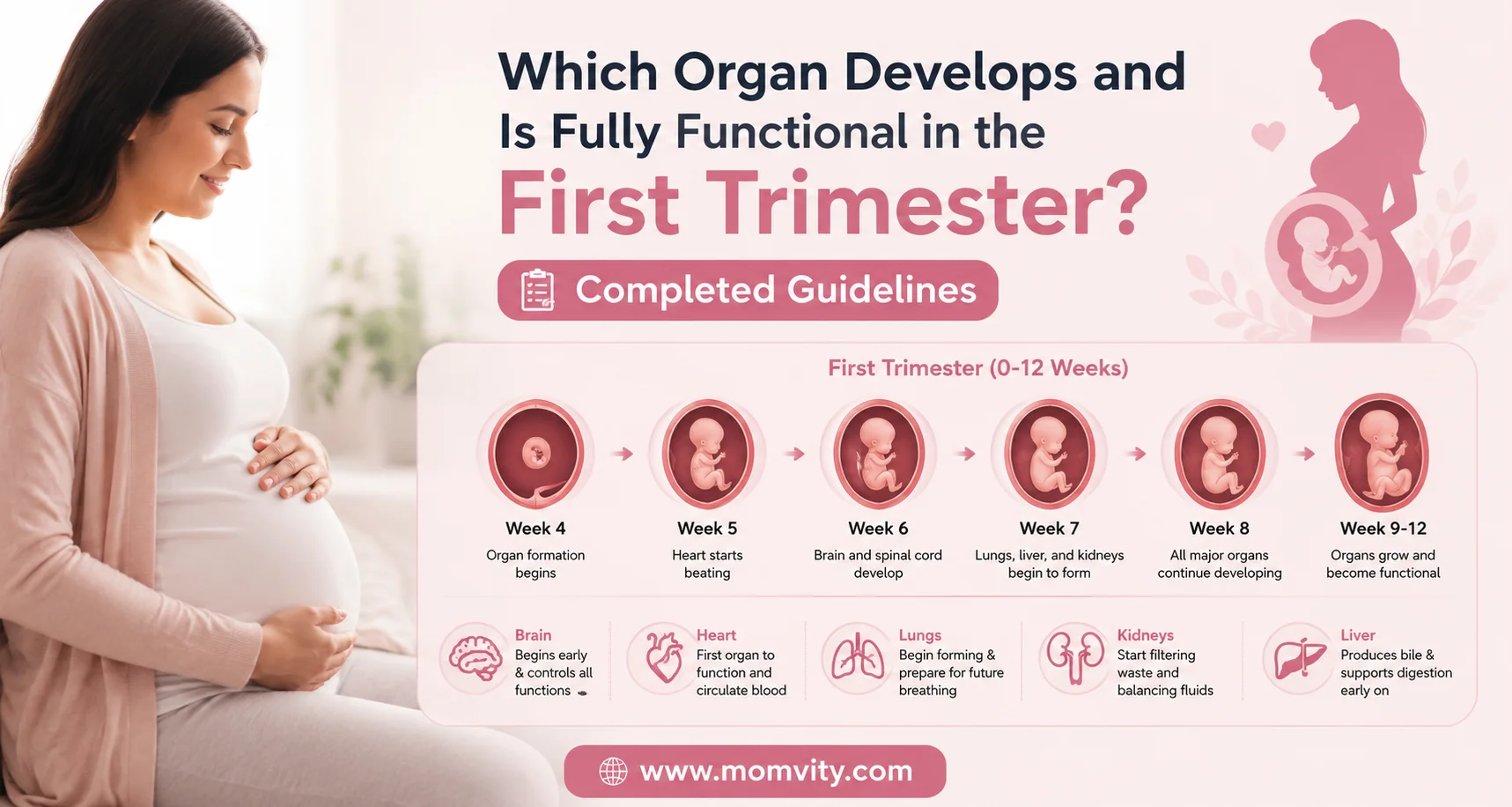
During the early stages of pregnancy, many significant changes occur in the baby’s body. The initial development of the brain, spinal cord, heart, and other organs begins. Certain nutrients play a particularly important role during this period.

Folic Acid Is a Priority

Why is folic acid so important for the early development of a baby’s brain and nervous system?

It is a form of vitamin B9 that supports the proper development of the baby’s neural tube. Therefore, it is essential to prioritize folic acid as part of a healthy First Trimester Diet.

The CDC recommends that women who could become pregnant take 400 micrograms of folic acid daily. Ideally, this should be started at least one month before conception. While natural folate can be found in leafy greens, lentils, and legumes, you may need a prenatal vitamin containing folic acid—as advised by your doctor—to ensure your requirements are fully met.

Remember, consuming more does not provide additional benefits. Do not take multiple supplements simultaneously without a doctor’s guidance.

Iron and Vitamin C Work Together

Will consuming only iron-rich foods provide the body with enough iron?

Not always. During pregnancy, the body needs to produce extra blood to deliver oxygen to the baby, and iron plays a crucial role in this process. Consequently, the daily iron requirement during pregnancy increases to 27 milligrams.

A healthy first trimester diet can include meat, lentils, chickpeas, spinach, and iron-fortified foods. However, vitamin C is also essential to enhance iron absorption. For instance, you could add lemon juice to lentils, include tomatoes with chickpeas, or eat an orange alongside your cereal. Such simple adjustments help improve the absorption of iron from your food.

Calcium and Vitamin D for Strong Bones

Calcium is essential for the development of a baby’s bones and teeth. It is also important for maintaining the health of your own bones. Pregnant women aged 19–50 require approximately 1,000 milligrams of calcium daily.

Good sources of calcium include milk, yogurt, cheese, small fish (eaten with their bones), sesame seeds, and calcium-fortified foods. Those who cannot consume milk should consult a doctor to explore alternative food options.

Additionally, vitamin D helps the body absorb calcium. It can be obtained from egg yolks, fatty fish, and vitamin D-fortified milk. Pregnant women (adults) require approximately 600 IU of vitamin D per day.

Omega-3 DHA and Vitamin A

DHA is a type of Omega-3 fatty acid that plays a role in the development of a child’s brain and eyes. Fish with low mercury content, such as salmon and sardines, are good sources of DHA. It is also added to some types of eggs and milk.

However, some caution is advised regarding Vitamin A. While Vitamin A is essential for normal physical growth and eye health, an excess of “preformed” Vitamin A can be harmful. It is found in particularly high amounts in liver and certain supplements.

The body can produce Vitamin A as needed from beta-carotene, which is found in carrots, sweet potatoes, and colorful vegetables. Therefore, ensure a varied diet and avoid taking extra Vitamin A supplements without consulting a doctor.

Best Foods to Eat in the First Trimester

It is not necessary to eat the same type of food every day during the first three months. Instead, it is better to choose foods from various food groups, as this provides an opportunity to obtain a wider range of nutrients.

It is entirely possible to create a healthy first trimester diet using familiar, locally available foods in Bangladesh.

Food GroupRecommended Food Choices
VegetablesSpinach, carrots, sweet potatoes, pumpkin
FruitsGuava, orange, banana, apple
ProteinEggs, fish, chicken, lentils, chickpeas
DairyMilk, yogurt, pasteurized cheese
Whole GrainsRed rice, oats, whole-wheat flatbread (roti)
Healthy FatsNuts, seeds, and low-mercury fish

Protein-Rich Foods

Protein is important for the development of a child’s cells and tissues. Essential protein can be obtained from eggs, fish, chicken, milk, lentils, chickpeas, and soybeans.

If the smell of meat causes nausea, you can try meeting your protein requirements for a while by consuming eggs, yogurt, or lentils. However, all food must be thoroughly cooked.

Fruits and Vegetables

Fruits and vegetables contain vitamins, minerals, and fiber. Guavas, oranges, and papayas are sources of vitamin C. Bananas and apples are easy to consume, and many people find them tolerable when experiencing nausea.

However, be sure to wash fruits and vegetables thoroughly before eating them. When preparing raw salads, use clean water and clean kitchen utensils.

A Simple First Trimester Meal Plan

Instead of worrying too much about what to eat every day, you can follow a simple routine. The list below is just an example; you may adjust your meals based on your appetite, personal preferences, and your doctor’s advice.

Meal TimeExample Foods
Before Getting UpPlain Crackers
BreakfastEggs, whole-wheat flatbread, and milk
Mid-MorningBanana or guava
LunchRice, fish, lentils, and vegetables
Afternoon SnackYogurt or nuts
DinnerRice or roti, chicken, and cooked vegetables
Evening SnackToast or fruit

Do you have to eat the exact same amount of food every day?

Not at all. During the First Trimester Diet, prioritize your own appetite and physical comfort. If you have a smaller appetite on any given day, you can eat smaller portions more frequently. And if a particular food doesn’t sit well with you, choose an alternative that offers similar nutritional value.

Foods to Avoid or Limit in Early Pregnancy


During pregnancy, the safety of food is just as important as its nutritional value. Some foods may contain germs or chemical substances that pose risks to both the mother and the baby.

According to the CDC, pregnant women are about 10 times more likely to contract a *Listeria* infection compared to the general healthy adult population. Therefore, it is essential to be cautious when selecting and storing food.

Food or DrinkWhat You Should Do
Raw or Undercooked MeatCook thoroughly before eating.
Raw EggsAvoid
Unpasteurized MilkChoose pasteurized milk
Unpasteurized Soft CheeseAvoid non-pasteurized cheese.
High-Mercury FishAvoid
Deli Meat and Hot DogsHeat to a temperature of 165°F or 74°C
AlcoholAvoid completely
CaffeineKeep it below 200 mg per day

Which Fish Should You Avoid?

During pregnancy, fish serves as a good source of protein and omega-3 fatty acids. However, mercury levels vary from one type of fish to another. Excessive mercury can be harmful to a baby’s developing nervous system.

According to FDA guidelines, pregnant women can consume 8–12 ounces (approximately 225–340 grams) per week of fish that are low in mercury.

Salmon, shrimp, cod, tilapia, and sardines are good choices. Conversely, fish such as king mackerel, marlin, orange roughy, shark, swordfish, Gulf of Mexico tilefish, and bigeye tuna should be avoided.

It is important to note that mercury levels differ among various types of tuna; therefore, it would be inaccurate to categorize all tuna as equally restricted.

How to Eat When Morning Sickness Hits

The most difficult thing for many mothers in the first three months is not eating, but keeping food in the stomach. Waking up in the morning may experience nausea, discomfort from the smell of cooking or not being able to eat even after seeing your favorite food.

According to ACOG, nausea during pregnancy can happen at any time of the day. It usually starts early and subsides by 14 weeks in most cases.

So what to do at such a time? First of all, remember that there is no need to panic even if the food list is not perfect for a few days. Try to eat small amounts of foods that are currently tolerated.

Choose Bland Foods

During this time, foods that are high in oil, spices, or strong odors may increase discomfort. Therefore, you might consider eating items such as rice, bread, potatoes, bananas, crackers, or plain toast.

If you can tolerate it, add a small amount of protein—for example, you could have peanut butter with toast or pasteurized cheese with crackers.

What If Prenatal Vitamins Make You Nauseous?

Sometimes, taking prenatal vitamins can increase feelings of nausea. If this happens, do not stop taking the vitamins on your own. Consult your doctor; they may suggest taking them at night, consuming them after a meal, or switching to a different type of supplement.

In some cases, your doctor might recommend vitamin B6 or other safe medications. Do not start taking any medication on your own.

Food Aversions and Cravings

Do you find that the smell of a food you once loved now makes you feel uncomfortable during pregnancy? Or perhaps you are experiencing sudden, unusual cravings for certain foods? Such food aversions and cravings can occur due to hormonal changes.

Pay attention to how your body reacts during this time. If you have trouble eating meat, try obtaining protein from sources like eggs, milk, yogurt, lentils, or chickpeas. If you don’t feel like eating vegetables, you might try consuming fruits or vegetable-based soups instead.

However, even if you develop a strong craving for a particular food, ensure that it does not replace your daily, nutritious meals. It is best to maintain variety in your diet.

When to Call Your Doctor or Midwife

Mild nausea or a loss of appetite is common during the first trimester. However, vomiting can sometimes become so severe that it leads to dehydration. This serious condition is known as Hyperemesis Gravidarum.

Contact your doctor if you experience any of the following symptoms.

SymptomWhat You Should Do
Inability to retain water for more than 8 hoursContact a doctor immediately.
Inability to retain food for more than 24 hoursConsult a doctor.
Decreased or concentrated urineThese can be signs of dehydration.
Dizziness or faintingSeek medical attention promptly.
Losing weightInform the doctor
Vomiting bloodSeek emergency medical attention
Severe abdominal pain or feverSeek medical advice promptly.

If you are unable to keep any food or liquid down, do not wait. If necessary, a doctor can provide fluids and other treatments to address dehydration.

Remember, you should not delay in seeking help. There are effective treatments for morning sickness, and safe medications can also be used if needed.

Final Thoughts

So, is it essential for every meal to be “perfect” during the first three months? Not at all. What matters is understanding your body’s needs and choosing food that is as nutritious and safe as possible.

Ensure a daily intake of folic acid, include foods rich in iron and calcium, opt for fish low in mercury, and avoid alcohol. On days when you experience nausea, try to eat small portions of whatever you can tolerate. The goal of following a “first trimester diet” is not to confine yourself to rigid, restrictive eating rules, but rather to cultivate mindful habits that support the well-being of both mother and baby.

And if there are days when you manage to eat nothing more than some rice, a banana, or a few crackers—do not blame yourself. Seek medical advice if necessary, and gradually return to your regular diet. Remember, in the journey of motherhood, the intention to care for yourself and your baby is far more important than striving for perfection.

Health Disclaimer: This article is intended for general health education purposes and is not a substitute for professional medical advice, diagnosis, or treatment. Always consult your doctor or a qualified healthcare professional before making any changes to your diet, prenatal vitamins, or supplements during pregnancy. Seek medical attention promptly if you notice any concerning symptoms.

Frequently Asked Questions About First Trimester Diet

What Should I Eat in My First Trimester?

During the first three months, you can consume fruits, vegetables, whole grains, eggs, fish, lentils, milk, and other protein-rich foods. Additionally, ensure you take prenatal vitamins containing folic acid, and focus on meeting your requirements for iron, calcium, and iodine.

Do I Need Extra Calories in the First Trimester?

Generally, no. There is no need for extra calorie intake during the first trimester. However, the body’s requirements increase during the second and third trimesters. Please discuss your individual needs with your doctor.

Is It Okay If I Can Only Eat Crackers and Toast?

Do not be alarmed if, due to nausea, you are only able to eat crackers or toast for a short period. However, if this continues for a long time, consult a doctor. Seek help promptly, especially if you are unable to retain fluids.

How Much Weight Should I Gain in the First Trimester?

Weight gain during the first three months is typically minimal. Some may experience a slight increase, while others might even lose weight due to nausea. The target for total weight gain throughout the pregnancy depends on your initial BMI and your overall health status.

Scroll to Top