
Foods to avoid during pregnancy are critical to know for ensuring the safety of your unborn baby. Read this guide to learn more about why it is important to avoid raw fish, unpasteurized milk, and certain fruits during pregnancy.
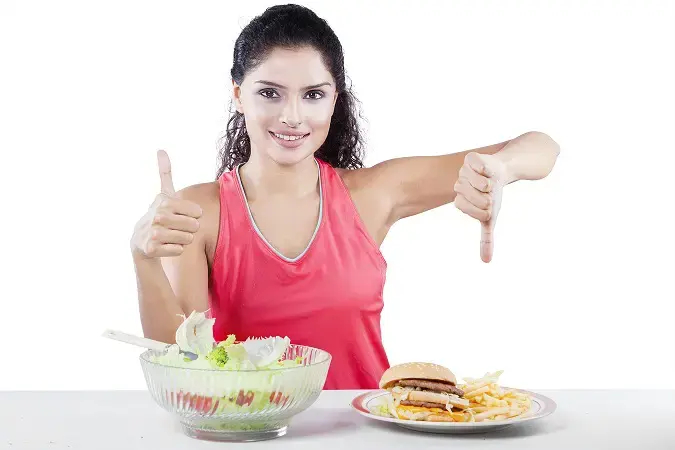
Foods to avoid during pregnancy can be confusing for many new mothers who want to provide the best nutrition for their babies.Pregnancy is a time when your eating habits directly affect your baby. Many people think that you should eat a lot during this time, but it is more important to know what you are eating. As much importance as we give to the list of nutritious foods, the list of foods to avoid during pregnancy should be given more importance. Because some foods are safe under normal conditions, they can cause infections or even miscarriage during pregnancy. Since your unborn baby’s immune system is not yet fully developed, it is the main responsibility of every expectant mother to keep a vigilant eye on the food that does not allow any harmful bacteria to enter her body.
Raw or undercooked meat
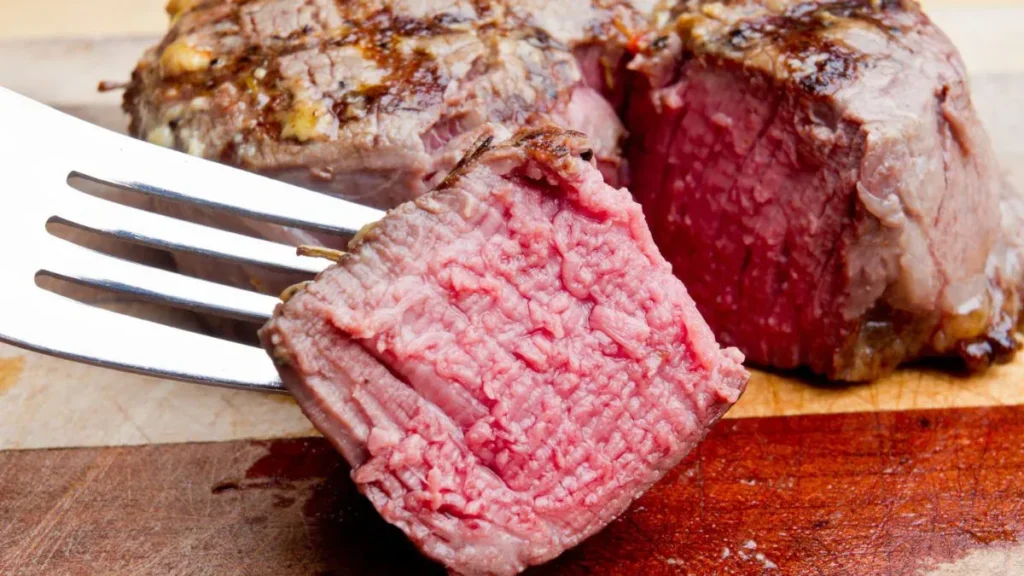
Eating raw or undercooked meat during pregnancy is very risky because it can contain harmful bacteria and parasites like toxoplasmosis, listeria, and salmonella, which can pose serious health risks to you and your unborn baby. These harmful bacteria are usually killed by cooking at high temperatures, but if the meat remains raw or pink inside, those bacteria can enter your body and cause unwanted conditions like premature labor or miscarriage. Therefore, when eating any type of meat such as beef or chicken during pregnancy, you should ensure that it is cooked thoroughly at sufficient heat and time so that each part of it is completely cooked and all types of bacteria are destroyed.
Risks of raw meat infection and its effect on the baby
Bacteria that enter the body through undercooked meat can cross the placenta through your bloodstream and directly harm the baby, resulting in the risk of vision or hearing problems or complications in brain development after the baby is born. The bacteria called listeria can be very dangerous, especially before delivery, because it often causes infection in the mother’s body without any symptoms. But it can be fatal for the baby. Due to this infection, pregnant mothers can experience flu-like symptoms such as fever, muscle aches or nausea, which are often ignored as a common illness. Basically, eating meat without ensuring a safe internal temperature puts extra stress on your body’s immune system, which is very important to avoid at this time.
Precautions that are important when eating meat
- When cooking meat, make sure that there is no redness or pinkness from the inside and the meat juices are clear.
- Be especially careful when eating steak or barbecue bought outside because many restaurants serve them medium-cooked or ‘medium rare’.
- After cutting raw meat, clean your hands and the knives and cutting boards you used with soap very well to prevent the spread of germs.
- Reheat cooked meat or leftovers thoroughly before eating them again to prevent any bacteria from growing.
Raw eggs
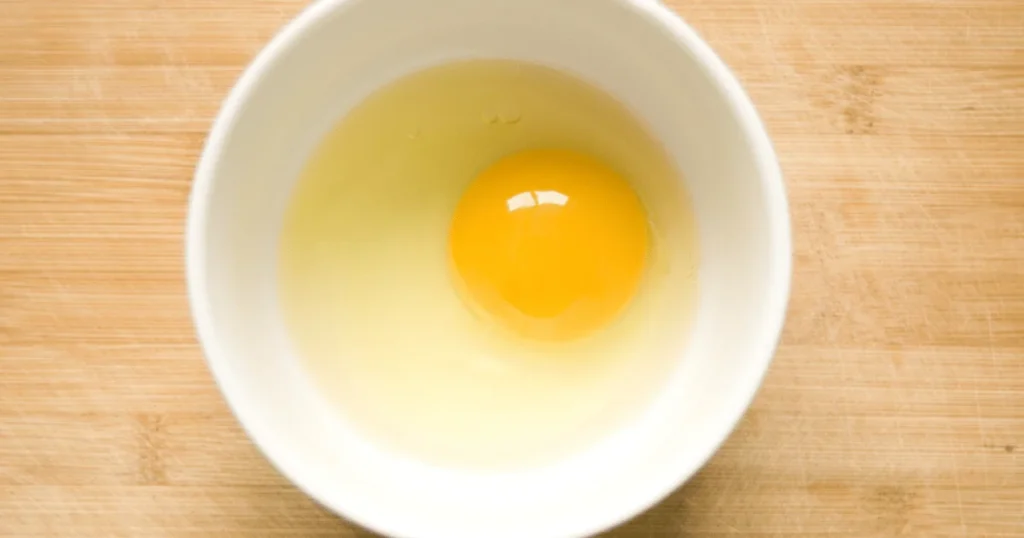
Eating raw or undercooked eggs should be completely avoided during pregnancy as they are likely to contain a type of harmful bacteria called Salmonella, which can cause severe food poisoning in your body. Although Salmonella does not directly harm your unborn baby, the severe vomiting, diarrhea, and abdominal pain it causes can dehydrate you and indirectly put pressure on the uterus, increasing the risk of premature birth. This bacteria is destroyed at high cooking temperatures, so cooking eggs until the yolk and white are completely hard is considered the safest way for you and your baby to stay healthy during pregnancy.
Hidden sources and physical risks of raw eggs
Many times, we unknowingly consume foods that contain raw eggs, such as homemade mayonnaise, tiramisu mousse cakes, or half-boiled eggs, which can compromise your immune system. This bacterial infection can cause you to suffer from extreme fatigue and fever, which can hinder the normal development of pregnancy. Eggs are a very nutritious food and the Choline and protein are essential for the formation of the baby’s brain, but these nutrients must be taken in a sterile way so that no infection makes this beautiful journey painful. Although pasteurized eggs bought in the market or commercial products made with those eggs are generally safe, the best decision for you is to completely avoid the raw part of the egg when preparing any food at home.
Special precautions when eating eggs
- Make sure that the egg yolk is not soft or runny, and fry both sides well when making poached or omelettes.
- Avoid mayonnaise or salad dressings made in outdoor stores because raw eggs are often used there.
- After buying eggs, do not use them if the shell is cracked or dirty, and keep them separate from other foods when storing in the refrigerator.
- If you have a habit of eating half-boiled or semi-boiled eggs, change it during pregnancy and develop a habit of eating fully boiled eggs.
Raw or undercooked seafood
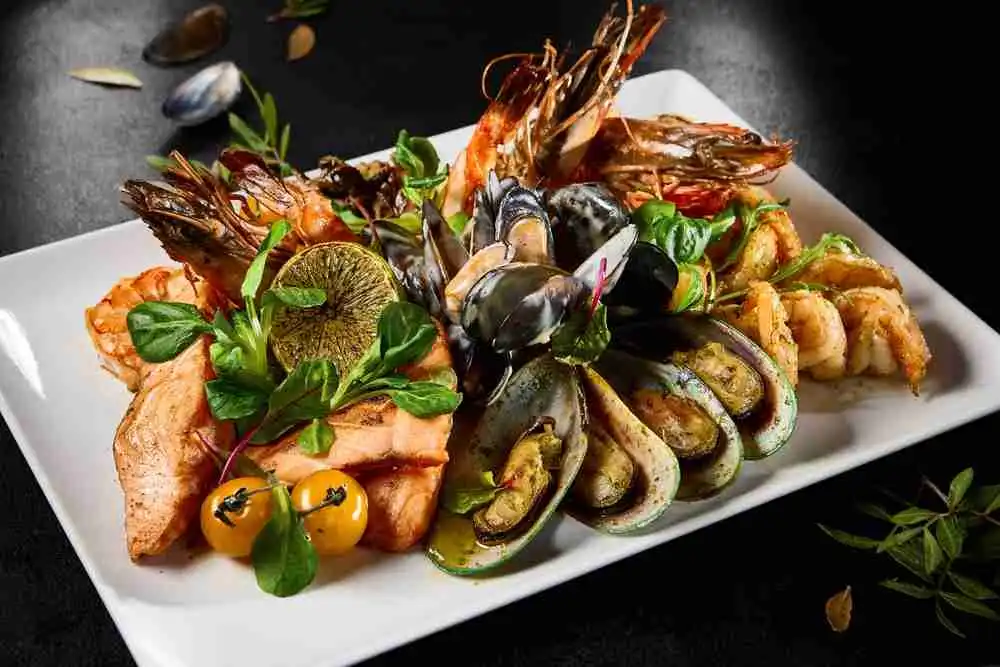
It is important to be very careful with your diet during pregnancy, especially when it comes to seafood. Although seafood contains omega-3 fatty acids and high-quality protein, consuming it raw or undercooked can pose serious health risks for both mother and baby.
The risks of raw or undercooked seafood are:
- Listeria infection: Raw seafood (such as sushi, sashimi, or raw oysters) can be contaminated with a bacteria called Listeria. Pregnant women are 20 times more likely than the general population to be infected with this bacteria, which can cause miscarriage, premature birth, or serious illness in the newborn.
- Parasites and bacteria: Raw fish often contain harmful bacteria such as tapeworms or salmonella. These can cause severe digestive upset, vomiting, diarrhea, and dehydration, which can lower the body’s immune system during pregnancy.
Rules for eating seafood safely
Before eating seafood, it should be cooked thoroughly to at least 63°C (145°F) to destroy all harmful bacteria; also, check that the inside of the fish is white and easily separated from the bones to ensure proper cooking.
Foods to avoid or be careful about
Raw sushi and oysters: Avoid any type of raw or undercooked seafood completely. It is best to avoid shark, swordfish, or king mackerel, as they are high in mercury. Avoid seafood that has been dried in an unclean environment or that has been treated with chemicals. Do not eat seafood that has been refrigerated for a long time or that has not been properly packaged.
Fish high in mercury
Although eating fish during pregnancy is very nutritious, consuming fish with high levels of mercury or mercury-containing fish can be very risky for your unborn child because mercury is a toxic metal that can cross the placenta and directly damage the baby’s brain development and nervous system. Mercury accumulates in the body’s tissues for a long time, so this type of fish should be completely avoided from the beginning of pregnancy so that the concentration of mercury in your body does not increase and your baby can grow with a healthy and normal nervous structure.
Effects of mercury and choosing safe fish
Although the omega-3 fatty acids in fish are necessary for the baby’s eyes and brain, high-mercury fish cause more harm than good because this metal enters the baby’s blood and disrupts the normal cell division process. Studies have shown that pregnant mothers who regularly eat high-mercury fish may have slower motor skills or the ability to move their limbs than others, but all It is not the fish itself that is harmful, but special caution is required in the case of tuna fish because ‘white tuna’ or ‘albacore’ tuna contains more mercury than regular tuna. Therefore, being sure about the source and type of fish when eating it will serve as a very important investment in your child’s intellectual development, which will help keep him healthy throughout his life.
Raw milk and cheese
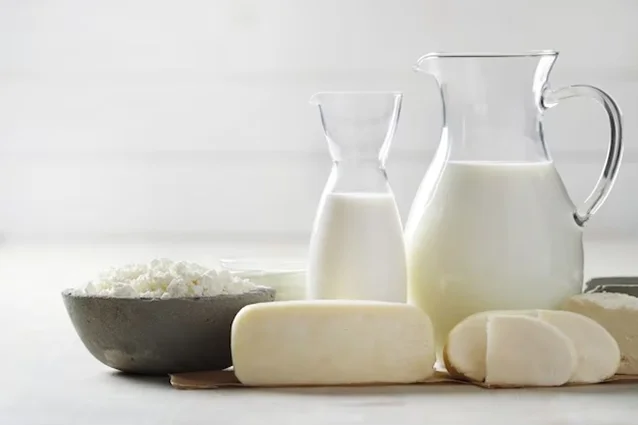
Eating raw or unpasteurized milk and cheese made from it during pregnancy can be very dangerous because it may contain a type of harmful bacteria called Listeria, which can cause mild illness in healthy people but can be fatal for a pregnant woman. Without pasteurization or boiling, these bacteria in milk are not destroyed and can directly cross the placenta and enter your baby’s body, which can lead to premature birth, miscarriage or serious blood infections in the newborn. Therefore, before eating dairy products, always make sure that it is made from pasteurized milk and in no case can raw milk directly from the farm be drunk without boiling it to ensure the safety of you and your baby.
Safe ways to choose dairy products
- Always choose pasteurized liquid milk or good quality powdered milk that has been sterilized at high heat.
- Eat hard cheeses such as mozzarella or cheddar cheese instead of soft cheeses because they have less moisture and are less likely to grow bacteria.
- If you must buy raw or farm milk, boil it thoroughly for at least a few minutes after putting it in the oven to kill all germs.
- When eating pizza or salad at a restaurant, make sure the cheese served with it is pasteurized, as raw cheese is often used in salads.
- The main effects of excess caffeine intake are:
- Impaired baby’s weight gain: High levels of caffeine intake may not be as expected for the baby’s weight. It can constrict the blood vessels in the uterus, which can hinder the baby’s nutrition supply.
- Heart rate and restlessness: Since caffeine is a stimulant, it can increase your and your baby’s heart rate. This can make the baby feel extra restless in the womb.
- Risk of miscarriage and premature birth: Excessive caffeine intake in early pregnancy increases the risk of miscarriage and in the end it can create the possibility of pre-term labor or premature birth.
- Nutritional Absorption: Caffeine prevents your body from absorbing iron and calcium from food, which can cause anemia and weak bones in both mother and baby.
- Insomnia and Dehydration: Caffeine disrupts sleep cycles and can make you dehydrated by making you urinate more frequently.
Safe Daily Level of Caffeine
A maximum of 200 mg of caffeine per day is considered safe for a pregnant woman; which is usually the equivalent of one to two cups of regular coffee or two to three cups of tea. Remember, not only tea and coffee, but chocolate and cold drinks also contain caffeine.
Easy Ways to Reduce Caffeine
Use a Smaller Cup: Reduce the size of your coffee or tea cup.
Choose Decaf: Make a habit of drinking decaffeinated coffee instead of regular coffee.
Reduce Gradually: Do not stop drinking tea and coffee suddenly, but gradually reduce the amount to avoid headaches.
Healthy alternative: Try drinking coconut water, fresh fruit juice, or ginger tea instead of coffee.
Alcohol
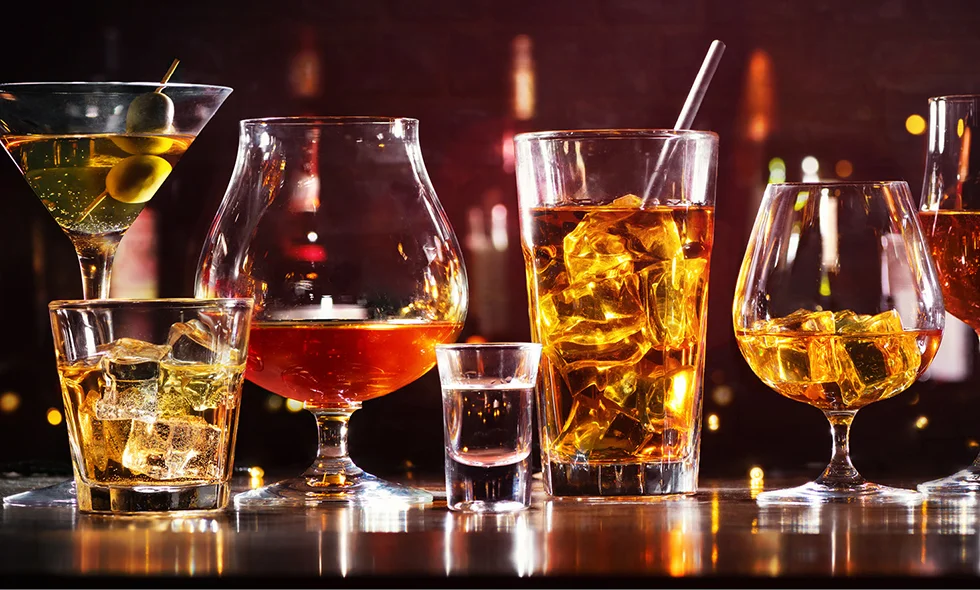
Drinking alcohol during pregnancy can be the biggest risk to your unborn child because no amount of alcohol is safe for the unborn baby. When you drink alcohol, it passes from your blood directly to your baby through the placenta, and since the baby’s liver is not yet capable of filtering this toxic substance, it can cause permanent damage to the baby’s development. This can lead to fetal alcohol syndrome or FAS, which can cause abnormal facial features, heart problems, and permanent brain damage. Therefore, staying completely away from alcohol for the entire nine months and while breastfeeding your baby ensures a healthy life for your baby.
Physical and mental effects of alcohol
Drinking alcohol can slow down the baby’s physical growth rate and make the baby’s birth weight dangerously low, making it more difficult for him to survive. It affects the baby’s central nervous system, which can lead to long-term problems such as speech problems, behavioral problems, and learning disabilities. Even drinking very little or only occasionally can increase the risk of miscarriage or This sacrifice you make as a mother can increase complications during childbirth. This is the first step in building a bright and healthy future for your child because when the baby’s organs are forming in the womb, even a small amount of alcohol can permanently damage that formation process, which cannot be restored by any treatment.
Over-processed foods
Consuming over-processed foods or ‘ultra-processed foods’ (such as packaged snacks, instant noodles, frozen meals or canned food) during pregnancy is risky for the health of both the mother and the baby. These foods are very low in nutrients, but high in calories, harmful fats and chemicals.
The main harmful aspects of processed foods
- Empty Calories: These foods contain almost no vitamins, minerals and fiber. They only fill the stomach but do not play any role in the physical and brain development of the child.
- Excess sodium and high blood pressure: Processed foods contain a lot of salt or sodium to enhance their taste. This is one of the main reasons for water retention (edema) in the body and increasing blood pressure during pregnancy.
- Harmful preservatives and chemicals: Artificial colors, fragrances and preservatives are used to keep packaged foods good for a long time. These chemicals can affect the child’s hormonal system.
- Excess weight gain and gestational diabetes: The refined sugar and trans-fats in it increase blood sugar levels rapidly, which increases the risk of gestational diabetes and abnormal weight gain.
- Digestive problems: Due to the absence of fiber and excess preservatives, these foods aggravate constipation and gastric problems.
Why fresh food is important
By eating fresh fruits, vegetables and homemade food instead of processed foods, your body gets the necessary antioxidants and fiber that boost your immunity; During pregnancy, the baby’s sense of taste is also developed through the mother’s food, so it is best to eat natural food.
Foods to avoid
Instant and packaged foods: Instant soups, noodles or ready-to-eat frozen foods.
Processed meats: Sausages, nuggets, salami or hot dogs.
Sugary drinks: Canned juices, sodas, or energy drinks with added sugar.
Deep-fried snacks: Packaged chips, crackers, or biscuits fried in excess oil.
Street food
Eating street food during pregnancy can be very risky for you and your unborn child because these foods are usually unsafe due to dust, smoke and flies. Food prepared in an open environment on the street is highly likely to contain serious infectious germs like hepatitis A, typhoid and diarrhea, which can weaken your immune system. In addition, the water or ice used in these foods is often contaminated, which can cause severe infections in your stomach. Your digestive system becomes very sensitive during pregnancy, so craving delicious street food can cause long-term physical pain for you, which indirectly risks disrupting the nutrition supply of the unborn child.
Health risks and effects of open food
The poor quality oils and spices used in street food can increase your heartburn and acidity problems several times, which are already a major discomfort during pregnancy. Harmful bacteria entering the body through these foods can cause inflammation in your liver, which increases the risk of jaundice, and jaundice during pregnancy is dangerous for both the mother and the baby. It can be very dangerous. Food that has been eaten by flies or insects contains parasites that can cause long-term infections in your intestines. Basically, there is no guarantee of the cleanliness of street food, and the dehydration or electrolyte imbalance that can occur in your body due to eating food prepared in an unhygienic environment can also increase the possibility of premature labor. Therefore, eating fresh homemade food instead of delicious food from outside is essential for your healthy motherhood.
Unwashed fruits and vegetables
Although eating raw fruits and vegetables during pregnancy is very beneficial for health, eating them unwashed can pose a serious danger to you and your baby. Fruits and vegetables contain various harmful germs and chemicals mixed with the soil, water and during transportation, which are important to clean by washing.
The main risks of eating unwashed fruits and vegetables:
- Toxoplasmosis: This is a special type of parasite that is often found in the soil. If this parasite attached to unwashed vegetables enters the mother’s body, it can cause brain damage or eye problems in the fetus. In many cases, it even causes complications during pregnancy.
- Bacterial infections: Unwashed vegetables contain dangerous bacteria like Listeria, Salmonella and E. coli. These can cause severe stomach pain, vomiting and diarrhea, which will quickly dehydrate you during pregnancy.
- Effects of pesticides: Residues of harmful pesticides and chemicals used during cultivation remain on the skin of the fruit. These chemicals can hinder the neurological development of the baby.
- Hepatitis A and other viruses: Fruits and vegetables that have been picked or washed with contaminated water can be contaminated with the hepatitis A virus, which can damage the liver.
Proper rules for cleaning fruits and vegetables
Before eating, fruits and vegetables should be washed thoroughly under running water for at least 30 seconds; even fruits that you peel (such as oranges or watermelon) should be washed first so that germs from the outside do not reach the inside when cutting.
Some special tips for staying safe
Use a brush: Use a soft brush to clean soil from hard vegetables such as carrots, sweet potatoes, or potatoes.
Discard damaged parts: If any part of the fruit is rotten or bruised, cut that part off, because bacteria grow quickly there.
Green vegetables: It is more effective to wash vegetables like spinach or lettuce leaves separately under running water rather than soaking them in a bowl.
Wash just before eating: It is better to wash fruits or vegetables just before eating rather than immediately after buying them, as this can prevent spoilage.
Conclusion
Awareness in choosing food during pregnancy is not only for yourself but also serves as the foundation for a healthy and beautiful life for your unborn child. Foods like raw meat, eggs, fish with excess mercury, and unpasteurized dairy products can put your immune system at risk and become a major obstacle to the normal development of your child. As a mother, your main responsibility is to prioritize the quality and cleanliness of food over the taste of your tongue or temporary greed, because every nutritious and safe food you consume is the main source of your child’s healthy nervous and physical structure. During this time, if you completely stay away from outside food or alcohol and rely on fresh and balanced food prepared at home, you will be able to reduce complications during childbirth, and your child will also see the light of the world with a certain level of health.