
“Healthy Drinks for Children” — What Should You Actually Give Them? 

Nusrat Ayaan

Published: 21/07/2026
Updated: 21/07/2026

 “Healthy drinks for children” explained simply — safe options, what to avoid, and easy recipes every parent can start using today.

After returning from school, the child walks through the door and says, “Mom, I’m thirsty, give me something.” In an instant, a question pops into my mind, should I give him the sweet juice in the fridge, or should I look for something else?
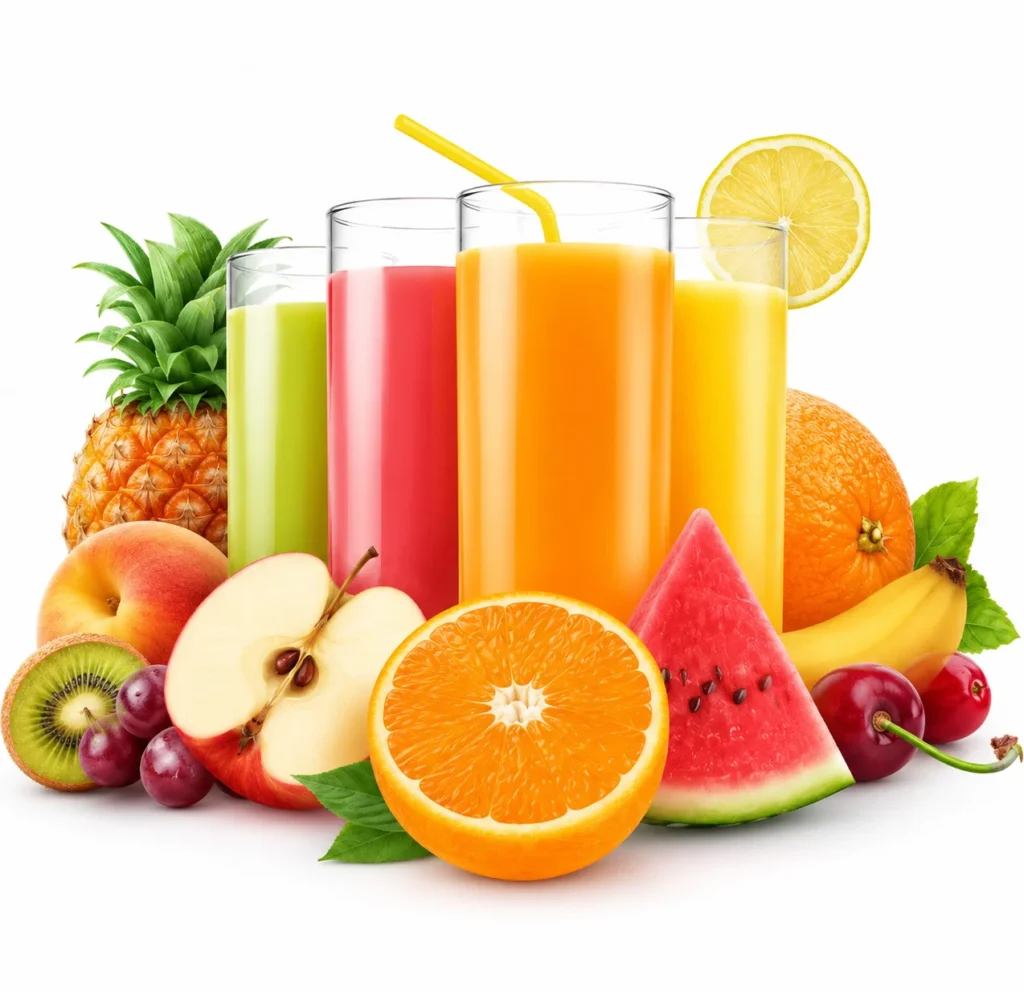
Every parent has to go through this moment when their children reach this age. There are rows of colorful packets in the store, each with the words “healthy” written on it in big letters. It’s not easy to tell which products are really good and which are just candy bottles, it’s a big responsibility to recognize these things.But there’s good news. Choosing healthy drinks for childrenis actually not as complicated as you might think.

Let’s understand in very simple terms — which drinks are really beneficial, why they are needed, and how to make them at home.

Which drinks can be considered truly healthy? 

Let’s understand in very simple terms — which drinks are really beneficial, why they are needed, and how to make them at home.

Simply put — a drink is considered healthy for kids when it provides more nutrients than what the body takes in. Water is at the top of the list, but kids don’t want to drink the same thing every day, they want to eat something different every day, right?

You can’t go wrong with pouring milk into a glass, and even vegetable milk without sugar works equally well here. If you want to give fruit juice, dilute it with a little water. The baby won’t even notice. They will think it’s water, so they will drink it straight away. If you’re thinking about smoothies, you just need to keep the amount close at hand, nothing more. It’s more important to open the lid and see what’s inside than to look at what’s written on the bottle. 

Sometimes the drink with the most attractive name actually ends up being the least useful.

  • Plain water, without any flavoring
  • Milk or fortified plant-based milk, age-appropriate
  • Fruit juice diluted with water
  • Homemade fruit smoothies
  • Lightly sweetened cold herbal teas, for older children
  • Occasionally a little coconut water
  • Vegetable-fruit blended drinks

What ingredients to avoid? 

Check the label — high-fructose corn syrup is often hidden under names that don’t sound like sugar. It’s also a good idea to avoid artificial colors and caffeine, as they’re often found in products made for kids.

How much should you give according to age? 

The amount should be much smaller for younger children. It’s best to give no more than four ounces of juice a day to children under six, according to guidelines updated through 2027. Older children can have a little more, but don’t give up the habit of diluting it.

Why is this so important? 

Think about it. After returning from school, the child suddenly becomes irritable, fights over toys, and shows no interest in food. At first, the parents think that they have been tricked, and may even scold them. 

But the real reason is that they are not drinking enough water throughout the day, this is something to look at. When a headache starts, it is clear where the problem was, and by then the day has already passed.

A child’s mood, energy, and even sleep at night depend a lot on what he eats and drinks throughout the day. The reason for talking so much about “healthy drinks for children” is that changing a small habit can change a child’s entire day. 

It is not a matter of imposing strict rules, but rather a simple attempt to give a growing body the right thing at the right time.

  • Helps maintain focus in school
  • Less fatigue in the afternoon
  • Avoids the sudden sugar rush after soda
  • Provides calcium to strengthen bones
  • Reduces tooth decay
  • Develops habit of drinking water
  • Sleeps better at night, avoids caffeine

Does water really improve attention? 
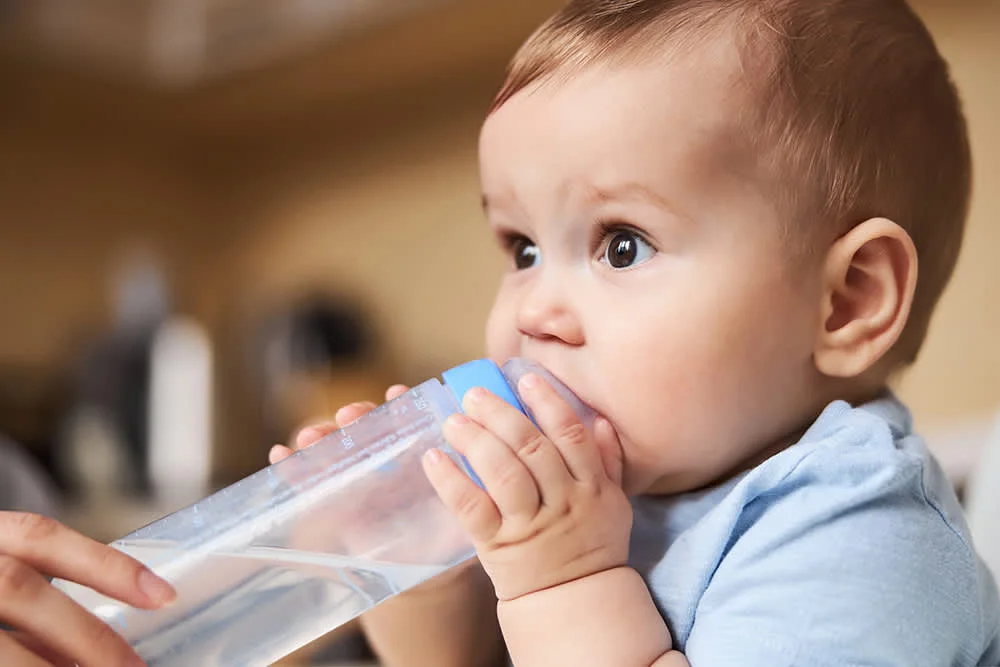
It may sound strange, but it’s true. The child in the class who keeps a water bottle in his hand all day is seen to have a more steady attention span than the others. He also has less eye strain in the afternoon class, and answers questions faster. Since 2026, several schools have been monitoring this issue on their own, without any major research. Teachers are also noticing this pattern in the classroom, although not everyone is saying anything about it forcefully yet.

Do childhood habits last a lifetime? 

Yes, it really does. A child who reaches for a glass of water when thirsty as a child will naturally choose water over a bottle of soda even as a teenager. This pattern has been shown time and again in several studies on nutrition.

On the other hand, a child who is accustomed to sweetened beverages from an early age will find it much harder to change that habit later. So this small choice at the beginning actually has an impact much later.

Which kids need it most? 

All kids benefit, but some kids notice the difference more quickly. Kids who play sports need hydration, and picky eaters get nutrients from smoothies that they wouldn’t have touched if they had put them on a plate.

  • Children practicing sports or dancing
  • Frequent children avoiding fruits and vegetables
  • Constipated children
  • Recovering from illness
  • Toddlers weaning from formula
  • School-going children spending long periods of time outdoors
  • Children having problems gaining weight

What’s different about toddlers? 

Younger children have smaller stomachs, so juice fills them up quickly, leaving less room for real food. It’s best for them to drink mostly water and milk.

For school-age children? 

For school-age children? 

Children between the ages of six and twelve become dehydrated quickly while playing, because they jump around excessively. Keeping a bottle of water in their school bag can help reduce afternoon fatigue.

What should you do with children with special diets? 

If they can’t tolerate milk, give them fortified vegetable milk, otherwise they may be deficient in calcium and vitamin D.

What do you need to get started at home? 

There is no need for a big arrangement in the kitchen, believe me. The blender that is already lying around at home is enough. Just a couple of fruits in the fridge will do the job, whether fresh or frozen, no problem. 

Having a jug of water nearby makes the rest of the task much easier.Many parents think that they may need to buy something different, a new appliance. In reality, nothing much is needed. You can start with what you have, all you need is a little time.

What are some good things to have in your kitchen? 

A simple blender is enough for smoothies. An infuser jug ​​makes it easy to make flavored water without sugar.

What should you keep in the fridge? 

Frozen fruit lasts a long time, works great in smoothies.If you have plain yogurt and milk at home, you don’t have to go to the market every day.

How to make it step by step? 

It’s easier than you think, believe me. Once you get used to it, it’s ready in five minutes.

First, choose the base — water or milk. Then add the fruit, fresh or frozen, you can also mix in a little vegetable if you want, the baby won’t even notice. After blending, taste it for yourself. For those over one year old, add just a little honey. Give it in the cup that the baby likes, it increases the interest in eating.

How much does it cost per month? 

Buying “healthy drinks for children” in bulk is actually cheaper than buying juice boxes at the store. As of 2026, a bag of frozen fruit costs between $4 and $6.

  • Bags of frozen fruit, $4-6
  • A gallon of milk, about $3.50
  • Reusable bottles, under $15
  • Basic blenders, starting at $25
  • Seasonal fresh fruit, cheaper in bulk
  • Yogurt containers, $3-5
  • Honey, a bottle lasts for months

Is buying from the store really more convenient? 

It may seem like it at first glance, but when you add up the cost of a juice box over the weekend, you’ll find that it’s more expensive than making it at home, and it’s also less nutritious.

It’s good to know both the pros and cons 

While there are many benefits to a good drink, there are also tradeoffs to be aware of.

  • Improves hydration throughout the day
  • Reduces sugar cravings
  • Better dental health
  • Strengthens bones
  • Reduces grocery costs
  • Takes a little longer to prepare
  • Takes a little more effort to find the right flavor

What’s the biggest advantage? 

You have complete control over the amount of sugar, you don’t have to rely on labels.

What’s the biggest disadvantage? 

Time. It’s easy to open a juice pouch on a rushed morning, but making a smoothie is a bit time-consuming.

What do you do when you’re busy? 

Make a few days’ worth of smoothies every Sunday and keep them in the fridge, and the rest of the week will be easier.

Mistakes parents often make 

The most common mistake is to assume that “100% fruit juice” is good. This label does not say anything about the amount of sugar. Giving sweet drinks throughout the day without giving them with meals is also harmful to teeth.

  • Trusting the “100% juice” label without looking at the sugar content
  • Giving sweet drinks frequently throughout the day
  • Thinking of sports drinks as a water alternative
  • Eliminating water altogether
  • Giving caffeinated drinks
  • Not diluting juice
  • Forgetting the amount because it’s “healthy”

Frequently asked questions 

Question 1: How much water should a child have a day?

Answer: About four to seven cups, depending on age; active children may need a little more.

Question 2: Are smoothies as beneficial as whole fruit?

Answer: Almost, but whole fruits are more fiber.

Question 3: Can flavored water be given instead of juice?

Answer: Yes, it is a good alternative if it is sugar-free.

Question 4: From what age can herbal tea be given?

Answer: Usually after four years, but it must be caffeine-free.

Conclusion 

It’s not unusual to open the fridge in the evening and think about what to give your child. This idea of ​​“healthy drinks for children” comes from the same place. There’s no need to memorize any strict rules for this, just gradually making water the first choice is enough.

Don’t try to change everything at once. If you suddenly stop your favorite drink, your child may become stubborn. Better yet, give a homemade smoothie instead of a sweet drink one day a week. The first day he may turn his back, the second day he will try it, the third day he may want it himself. Children can actually understand a lot, if only the taste is right, they will accept it on their own. Making a small change in the kitchen is actually the beginning of a big habit.

Over time, these small changes build lifelong eating habits for your child, and if you can instill these habits early on, you won’t have any problems in the future. There’s no need to pressure yourself to be perfect.A good start is enough, the rest will progress on its own over time.

Related Articles

Newborn Baby Care

Newborn Baby Care Guide To Build Healthy Daily Habits 

This article will give some very nice tips about easy and practical ways to do Newborn Baby Care. By following which, you can develop healthy habits in the health, cleanliness and safe daily care of the newborn. 

How many times a day should a newborn baby be fed? Or how to create a safe sleeping environment for a newborn baby? 

Those who have already become new parents are quite worried about the above issues. From this worry, numerous questions naturally start to think about them. Those who have become new parents want to understand the needs of the little baby and create a reliable routine of proper daily care but cannot find the right information anywhere. 

You will be happy to hear that this article has been arranged with easy and effective solutions to this problem. 

New parents often make some simple small mistakes without knowing it. Most parents choose the same reason every time as the reason for the baby to cry. On the other hand, there are many who do not give much importance to the issue of sleep safety. 

There are also people who over-cleanse their babies, causing problems for their sensitive skin. 

Table Of Contents 

What Habits Are Most Important When Feeding A Newborn? 

The healthy growth of a newborn depends on the correct habits and rules of Newborn Baby Care. Especially, proper eating habits play a very effective role in this regard. 

A newborn baby shows various signals like taking hands to mouth or becoming restless when he is hungry. We should understand all these signs and breastfeed the newborn on time, latch on properly. Along with this, helping a newborn baby to look after itself after feeding is also a very important task. 

It is a good habit to give the most importance to his natural needs rather than force-feeding a baby. 

How Often And How Should A Baby Be Fed? 

  • Watch for hunger cues: It is better to feed your baby based on his/her signs of hunger—looking for his/her mouth, putting his/her hand to his/her mouth, or being restless—than by the clock. 
  • Regular feeding: A breastfed newborn can usually feed about 8-12 times in 24 hours. However, not every baby has the same needs. 
  • Latch correctly: It is important to insert not only the nipple but also some parts around it into the baby’s mouth well. This makes milk intake easier and reduces mother’s discomfort. 
  • Feed at the baby’s pace: There is no need to force feed again if the baby lets go or signals satisfaction. 
  • Burping after feeding: If necessary, hold the baby upright and gently pat the back to help him/her burp. 

How Do You Understand The Signs Of Getting Enough Milk? 

To do Newborn Baby Care, I have to pay special attention to several things. One of them is to ensure that the baby has enough milk. This can be confirmed by looking at several signs. 

For example, if the baby is calm and satisfied after feeding, urinates regularly, and gradually gains weight. If these things occur, it should be assumed that the baby is getting enough milk. In some cases, the baby’s face and skin may also show signs of looking naturally fresh. 

It is not right to make decisions based only on the amount of crying or the softness of the breasts. If the weight does not increase or the urine output decreases abnormally, it is important to consult a doctor. 

What Common Mistakes Should You Avoid When Feeding? 

Common Mistake Why Avoid It? Better Approach 
Feeding on a strict clock only Baby’s hunger needs may vary Watch hunger cues 
Poor latch May reduce effective milk transfer Ensure a deep, comfortable latch 
Forcing the baby to finish Can ignore fullness cues Let the baby stop naturally 
Skipping feeds regularly May affect milk intake Feed frequently as needed 
Ignoring feeding difficulties May delay help when needed Seek professional guidance if concerns persist 

How To Keep A Baby’s Sleeping Environment Safe And Comfortable? 

An important and special part of Newborn Baby Care is creating a safe sleeping environment for a newborn baby. 

A baby should always be placed on a firm and flat bed. Pillows, heavy blankets or soft toys or loose clothes should be avoided in the bed. It is best to keep the room temperature at a tolerable level at all times, it is not advisable to create an environment that is excessively cold or excessively hot. 

A newborn baby’s sleeping place should be kept close to the parents. Along with this, the bed should be cleaned regularly. It should be kept away from any smoke and odorous substances. 

What Things Should Not Be Kept In The Sleeping Area? 

  • Pillows: Pillows should not be placed under a newborn’s head. A flat, firm sleeping surface is safest. 
  • Soft toys: Do not place teddy bears or other soft toys in the baby’s sleeping area. 
  • Loose blankets and sheets: These can cover the baby’s face. Use appropriately fitted sleepwear if necessary. 
  • Bumpers or soft bedding: There is no need to place soft bumpers or extra padding around the crib. 
  • Bottles or feeding items: Bottles should not be placed next to the baby during sleep. 
  • Extra warming materials: Avoid using hot water bags, electric blankets, or extra heavy blankets. 

What Is The Role Of Parents In Creating A Baby’s Sleep Routine? 

As an important part of Newborn Baby Care, parents should maintain patience and consistency in sleep routine. By turning on the dream light every night, creating a sleep environment according to a calm and set temperature, and following some similar simple habits, the baby gradually learns to understand sleep times. 

Discover more here: Causes Of Miscarriage

How To Clean And Care For A Newborn’s Navel? 

Maintaining cleanliness is also a very important aspect of Newborn Baby Care. In addition to keeping the environment around a newborn baby and the baby’s body clean, extra precautions should be taken in caring for the umbilical cord. 

Before touching a newborn’s umbilical cord, you must wash your hands thoroughly with soap and water and clean the area around the umbilical cord and keep the umbilical cord and the area around the umbilical cord dry. 

Using oil, powder, or any household items on the umbilical cord can be harmful. And while putting on a diaper, it should be done in such a way that it is below the umbilical cord. If the umbilical cord is red, swollen, or has a foul-smelling discharge, consult a doctor immediately. 

What Should You Know About Keeping The Navel Area Clean And Dry? 

  • Do not apply any substances: Avoid using oil, powder, ash, turmeric or any household substances on the navel. 
  • Allow for ventilation: Do not wear tight clothing over the navel, but use loose and clean clothing. 
  • Fold the diaper down: Place the front of the diaper below the navel, so that there is no friction or wetness at the base of the navel. 
  • Do not pull on your own: Do not try to pull or tear the remaining part of the navel, even if it is dry; let it fall off naturally. 
  • Watch for unusual symptoms: Seek medical advice immediately if there is redness, swelling, pus or foul-smelling fluid around the navel, or a fever. 

How To Keep Hands And Baby Items Clean? 

Item How to Keep It Clean Important Tip 
Baby’s Hands Gently clean with clean water when needed Keep nails short and clean 
Parents’ Hands Wash with soap and water before touching the baby Especially before feeding 
Feeding Bottles Wash thoroughly after every use Follow proper sterilization guidance 
Pacifiers Clean and sterilize regularly Never clean by putting it in your own mouth 
Towels & Clothes Wash regularly and dry completely Keep them separate and clean 

What Should Parents Know About Baby Skin Care And Bathing? 

In the case of Newborn Baby Care, we should always keep in mind that a newborn’s skin is very soft and sensitive. So we should take extra precautions in this regard. 

Especially when bathing a newborn, lukewarm water should be used. Also, it is better to finish bathing quickly. Gently Clean The Skin With A Mild, Fragrance-Free Cleanser When Needed. After bathing, the water should be gently dried with a soft towel. Try to keep the newborn’s skin folds as dry as possible. 

If the skin is dry, a baby-friendly moisturizer can be used. 

What Gentle Approaches Can Help Care For Sensitive Skin? 

Newborn Baby Care should be as simple and gentle as possible for sensitive skin. Fragrance-free and gentle products can be used before bathing, and the skin should be gently dried with a soft cloth after bathing. 

  • Use gentle products: Avoid products with fragrances and alcohol. 
  • Keep baths short: Do not soak in water for long periods of time. 
  • Handle The Skin Gently: Avoid rubbing and pat it dry with a soft towel. 
  • Wear soft clothing: Choose clean and airy clothing. 
  • Avoid unnecessary products: Consult a specialist before using oils, powders or household ingredients. 
  • Watch for skin changes: Consult a doctor if a rash, sores or unusual redness persists. 

What Should You Do When Your Skin Becomes Red Or Irritated? 

If redness or irritation appears on the skin, the first thing to do is to find out the cause of this rash. This irritation can be caused by various reasons, such as using a new cosmetic, rubbing the skin too much to dry it after bathing, etc. If these problems are noticed, then you should definitely stop using those things. 

If the rash spreads quickly, blisters, pus comes out, or the child has a fever, it is important to consult a doctor without delay. 

What Mistakes Do First-Time Parents Commonly Make In Childcare? 

Those who are new to Newborn Baby Care tend to make some common mistakes due to excessive caution or various misconceptions prevalent in the society. 

Such as dressing the newborn baby with extra clothes, keeping pillows or other soft things in the baby’s sleeping place, feeding the baby at a specific time without understanding the baby’s wetness signals. Along with using different types of oils and home remedies on the navel. Usually these things can be observed significantly. 

Again, it is not right to use unnecessary products just because of a slight rash or crying. If in doubt, it is safe to seek medical advice. 

What Is The Problem With Overdressing Or Covering A Child? 

  • Risk of overheating: Wearing too many clothes can increase a baby’s body temperature. 
  • Discomfort and sweating: If your baby is sweating excessively on their neck, chest, or back, you may need to reduce their clothing. 
  • Choose light clothing: Wear comfortable, soft, and breathable clothing according to the weather. 
  • Check the neck or chest: There is no need to add extra clothing if your hands and feet feel cold; try to feel your baby’s neck or chest to see if they are overheated. 
  • Watch out for unusual symptoms: Seek medical attention immediately if you notice excessive sweating, very hot skin, rapid breathing, or unusual lethargy. 

Conclusion 

The main goal of Newborn Baby Care is to create a safe, clean and comfortable environment for the newborn, where his normal growth and development are not hindered. It is very important to feed the baby by understanding his hunger signals, observing whether he is getting enough milk, and maintaining proper habits while feeding. Similarly, it is important to arrange safe sleep, remove pillows and soft objects from the sleeping area, and not cover the baby with excess clothes. 

Keeping the umbilical cord clean and dry, taking gentle care of the baby’s skin, and not using various cosmetics or household items unnecessarily are also part of the newborn’s protection. The biggest responsibility of new parents is to understand the baby’s natural signals and respond patiently. Remember, regular small safe habits create a strong foundation for the baby’s well-being rather than any big event in newborn care. 

Scroll to Top