
Natural labour and birth is a profound journey that allows a mother’s body to follow its own rhythm and strength.
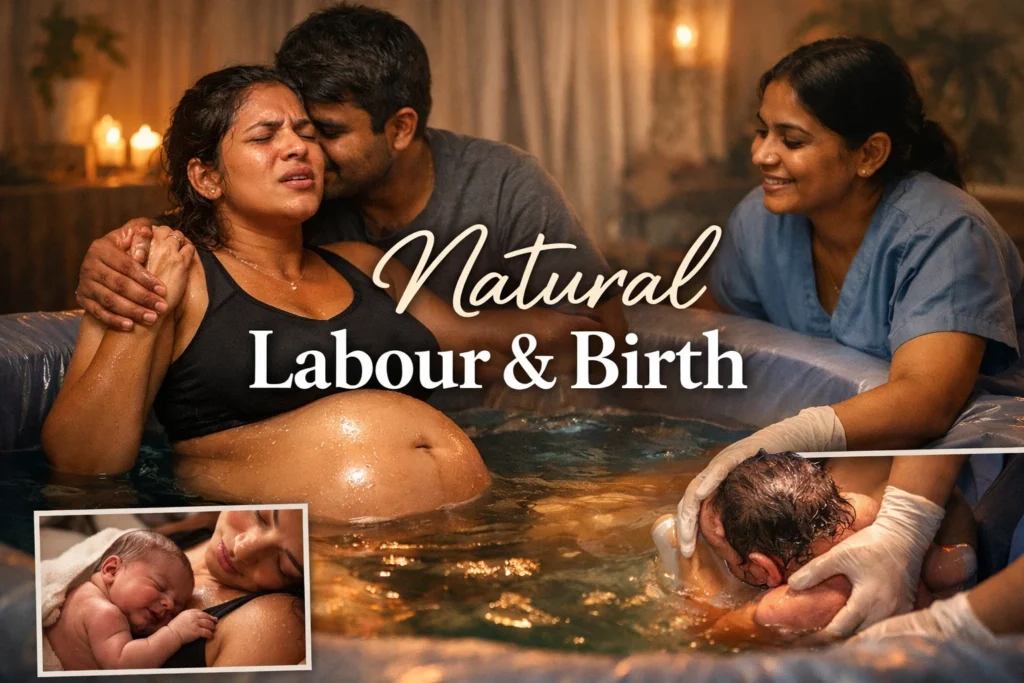
Giving birth is one of the most powerful and miraculous experiences in a woman’s life. In this modern era when the rate of caesarean sections or csections has increased a lot many mothers want to return to nature. They want to know how it is possible to show the light of the world to their child without any artificial intervention. In today’s detailed discussion we will know— what is natural labour and birth what are its benefits and how you as a mother can prepare yourself for this special moment. It is not just a physical process but it is an extreme test of your patience and confidence.
What is natural labour or natural childbirth?
In simple terms natural labour and birth is a process in which no painkillers (such as epidurals) or artificial methods (such as oxytocin injections) are used from the onset of labour until the baby is born. Here the mother follows her body’s natural signals and gives birth to the baby in the position of her choice. Nature naturally produces certain hormones in our body that have the ability to tolerate this pain and widen the birth canal.
Did you know? Your body naturally knows when and how to push the baby down. The main mantra of natural labour and birth is to trust your body. When you are calm and not afraid your brain releases a natural painkiller called ‘endorphin’ which is stronger than morphine. This hormone gives you the strength to endure the unbearable pain and be in a kind of trance. It is not a mechanical process but a unique gift of nature.
Difference between artificial labor and natural labor
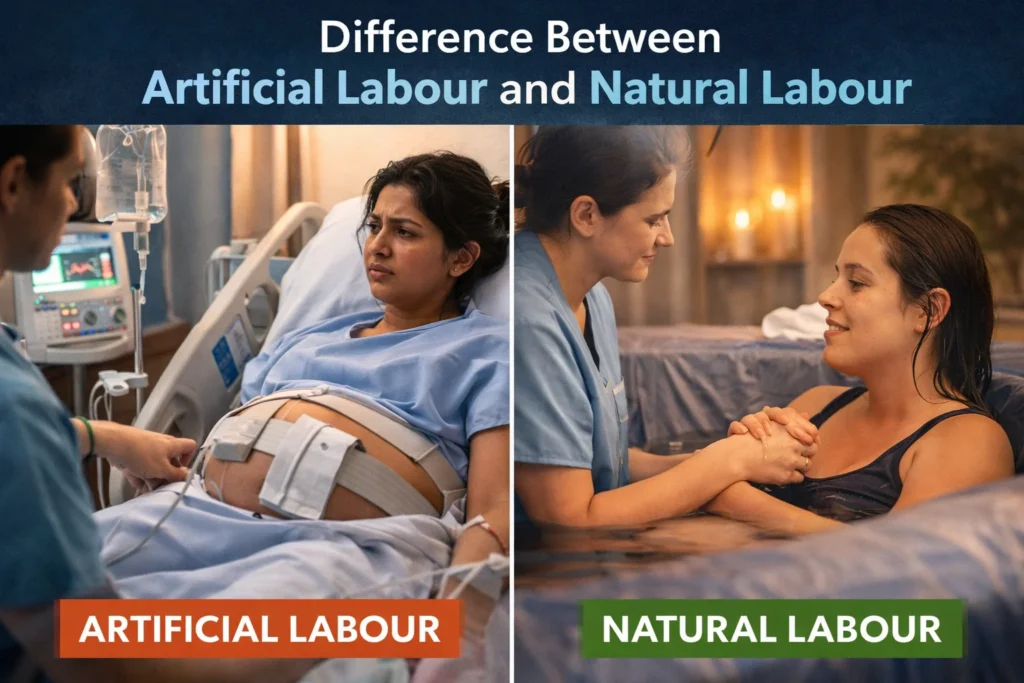
In artificial labor or induced labor doctors often take the help of various drugs which sometimes speed up labor but make it difficult for the mother to bear the pain. On the other hand in natural labor and birth everything happens very slowly and rhythmically. Here the process starts only when your body is ready. This greatly reduces the risk of injury to both the mother and the baby. If you are healthy and do not have any major complications during your pregnancy then this natural path may be the most suitable for you.
Why are modern mothers turning to nature again?
Many people think that in the modern era why would anyone want to bother with a painless delivery? In fact the physical and mental satisfaction that can be obtained after natural labor and birth is not possible in anything else. Immediately after delivery the mother recovers much faster and can hold her child in her arms or breastfeed. Since there are no side effects of any drugs the baby is also much more alert and lively. This selfsatisfaction is what makes many women brave.
Incredible Health Benefits of Natural Labor
When we talk about natural labor and birth only pain comes to mind. But you will be surprised to know its health aspects. When the baby comes out through the vagina during labor the pressure on his chest helps to expel fluid from his lungs. As a result the risk of the baby having difficulty breathing after birth is greatly reduced. In addition some beneficial bacteria from the mother’s body enter the baby’s body which increases his immunity for life.
It also has many benefits for the mother. In the case of natural labor and birth the uterus returns to its previous state very quickly and the risk of bleeding is low. Since there is no surgery or major cutting there is almost no fear of infection. Did you know? The ‘bonding’ or emotional tension that is created between the mother and the baby during natural birth plays a huge role in the mental development of the child later in life. This process floods the body with the hormone oxytocin which we call the ‘love hormone’.
You may also read: Pregnancy labour and birth
Faster recovery and movement
While after a cesarean section a mother has to stay in bed for a few days and avoid strenuous activities for a few months after a natural labour and birth the mother can get up and walk within a few hours. This faster recovery helps you to take care of your newborn and give him time. Your body can focus on ensuring the baby’s nutrition instead of wasting energy on healing any wounds.
Baby’s alertness and first breastfeeding
Without medication the baby is very alert immediately after birth. He can easily find the mother’s nipple and take the first colostrum or colostrum. Babies born through natural labour and birth are usually more interested in breastfeeding because their nervous system is not relaxed due to the effects of any medication. This start lays a solid foundation for the baby’s lifelong health.
Strategies to prepare yourself mentally

If you have decided to have a natural labour and birth your biggest weapon is your mind. Fear tightens your muscles which makes the birth canal more narrow. This is called the ‘feartensionpain cycle’. You need to be mentally strong to break this cycle. Think positively in the last few months of pregnancy. Stay away from those who scare you or tell you scary stories about childbirth.
Do you think you will not be able to bear this pain? Remember this is how women have been giving birth for billions of years. Your body is made for this. Meditate daily for natural labour and birth. Imagine your baby coming into your arms very easily and safely. This positive visualization will keep your subconscious mind calm. The less your fear the more flexible your body will be and the easier the birth will be.
The magical effect of breathing exercises
Knowing how to breathe properly can reduce half of the pain of childbirth. When pain or contractions start inhale deeply through your nose and exhale slowly through your mouth. This will provide plenty of oxygen to your uterine muscles and keep you calm. Breathing is your greatest ally in natural labor and birth. The more oxygen you take in the more protected your baby will be and your ability to tolerate pain will increase.
Knowing the right information to overcome fear
People are always afraid of the unknown. If you know in advance what exactly is happening to your body during childbirth your fear will be greatly reduced. Read good quality books on natural labor and birth or talk to an experienced midwife or doctor. When you know that each wave of pain is actually bringing your baby to you you will learn to welcome that pain rather than fear it.
Increase physical preparation and flexibility
Not only mental strength but also the body needs some preparation for natural labor and birth. It is very important to keep your pelvic floor muscles flexible during pregnancy. If your doctor allows it walk for at least 30 minutes every day. Walking helps the baby to descend into the correct position (head down) due to the force of gravity. In addition ‘squatting’ or squatting exercises help to widen your birth canal.
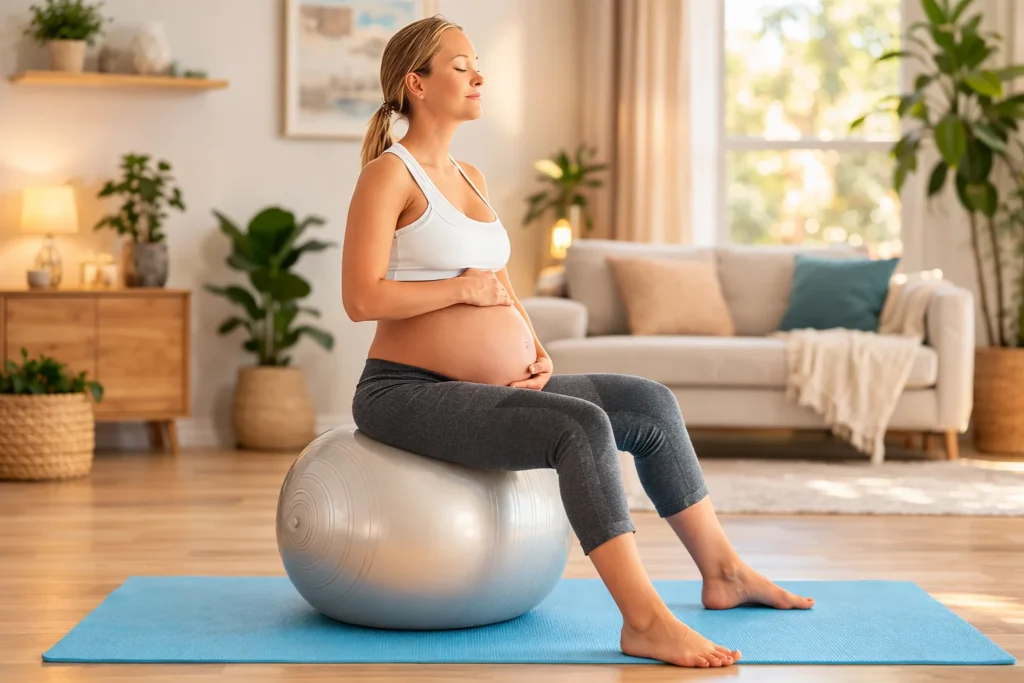
Also pay attention to your diet. Make sure that the body does not lack iron and calcium. Drink enough water so that your muscles are hydrated. You can think of natural labor and birth as preparing the body for a marathon. The more stamina you have the better you will be able to perform. However remember before starting any new exercise you must consult your gynecologist.
Have you talked to your doctor?
Let your doctor know your wishes well in advance. Tell him or her that you want to try natural labor and birth unless there is a medical emergency. If you and your doctor have a good understanding you will feel much more confident in the labor room. A good support team can make your journey much easier.
Natural and effective ways to cope with labor pain
When we talk about natural labor and birth the first question that comes to many people’s minds is “How will I cope with the pain?”. Actually labor pain is different from any other pain. It is not a symptom of any disease but rather a signal for your body to open up and welcome the baby. Nature has put some magical mechanisms inside our body to cope with this pain. If you can stay calm some hormones will be released from your brain that will relax your nerves.
Do you think that lying in one place will provide comfort? In fact in the case of natural labor and birth lying still often increases the pain. Rather if you move a little or walk slowly from one corner of the room to another the baby will descend quickly under the influence of gravity and it will be easier for your cervix to open. Changing positions such as standing against a wall or sitting on your knees (Hands and knees position) will reduce the pressure on your back. This will make your labor much more bearable.
Hydrotherapy with water
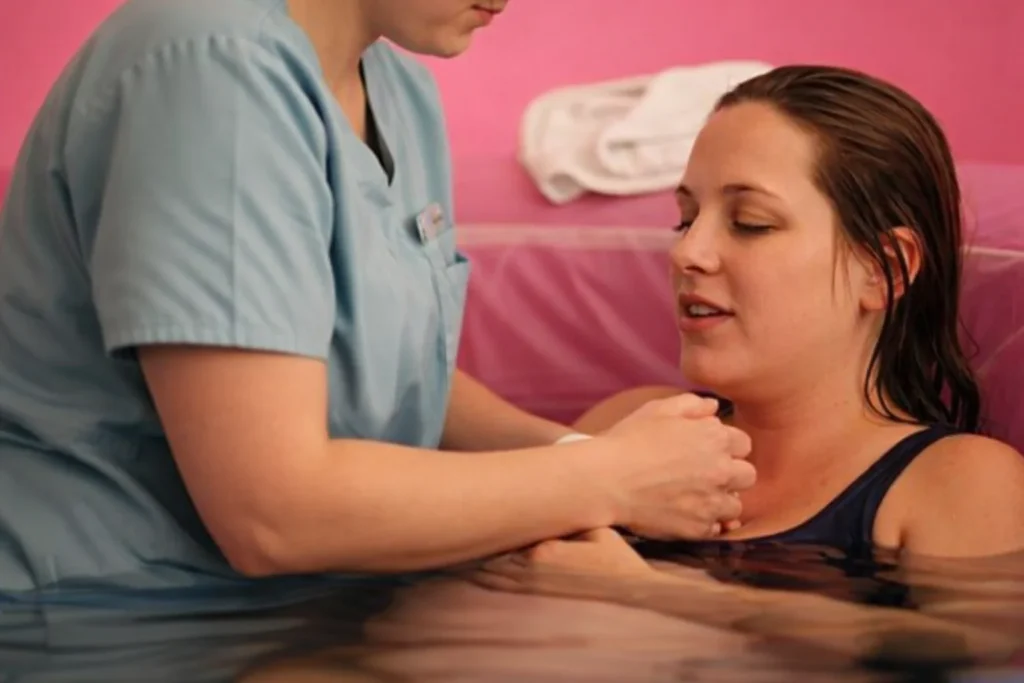
Water has a unique ability to calm our bodies. If you take a warm bath or stand under the shower in the early stages of labor your muscles will be much more flexible. Many mothers choose ‘water birth’ or the method of giving birth in water for natural labor and birth. The buoyancy of water reduces your body weight making it easier for you to move and the intensity of the pain is less felt. This natural method can give you a lot of comfort without any drugs.
Use of music and fragrance (aromatherapy)
Sound and scent have a profound effect on our brain. If you play a favorite soothing song in the room during labor your attention will be diverted from the pain. As a preparation for natural labor and birth you can use essential oils like lavender or clary sage. These scents calm your nerves and help keep your blood pressure normal. When you are mentally calm your body will also respond positively to childbirth.
The essential role of a birthing partner

When a mother goes through natural labor and birth she needs mental strength and courage the most. The role of your partner or spouse at this time is very important. Not only standing by your side but also his touch and reassurance will motivate you to keep fighting. If your partner holds your hand tightly or places his hand on your forehead the level of the hormone ‘oxytocin’ increases in your body. This hormone accelerates the pace of labor and increases your confidence.
Do you think your husband or partner might be nervous about this? Tell him about the process of natural labor and birth in advance. Teach him how to gently massage your waist or back. When you lose patience during the pain he will remind you that you can do it and that the baby will be in your arms very soon. The bond that this joint effort will create between the two of you will be a priceless memory for the rest of your life.
The magic of massage
During labor there is intense pressure felt below the waist. If your partner massages your waist in a circular motion with the palm of his hand that pressure will be greatly reduced. During natural labor and birth this physical touch not only reduces pain but also eliminates your loneliness. You will feel that you are not alone in this fight. This warmth and affection can make your labor journey much easier and faster.
Positive words and encouragement
Many times in the final stages of labor the mother wants to give up. She may say “I can’t take it anymore” or “Please give me a cesarean section”. Your partner’s job at this critical time is to give you courage. A supportive partner is a big part of the success of natural labor and birth. He or she will tell you over and over again that you are doing a great job and that each contraction is bringing you closer to your baby. These little words will help you regain your mental strength.
Your rights in the labor room and birth plan
When we think of the hospital we think we have no control. But in the case of natural labor and birth your opinion and comfort should be the biggest priority. If you want you can create a ‘birth plan’ or birth plan in advance and show it to your doctor. Write down there that you do not want to take painkillers or in which position you would like to be during labor. This awareness of yours will facilitate the work of the nurses and doctors.
Do you think the doctor will listen to you? In modern medicine the patient’s wishes are now given great importance. If you inform us in advance about your wishes for natural labor and birth they will help you accordingly. Keeping the room dimly lit reducing unnecessary people and giving you personal privacy or privacy is very important for your peace of mind during labor. Only when you feel safe and respected your body can show the baby the light of the world at its best.
Golden Hour
The baby is placed directly on the mother’s abdomen immediately after birth. This is called ‘skin to skin contact’. This is an integral part of natural labour and birth. During this time the body temperature and heartbeat of the mother and the baby match each other. The baby smells its mother’s body for the first time and looks into her eyes. This magical moment is not only emotional it also works great to normalize the baby’s breathing and reduce the mother’s blood loss.
Cord clamping
In natural childbirth the baby’s umbilical cord is not cut immediately after birth. A short wait is made so that all the nutritious blood from the placenta or amniotic fluid can enter the baby’s body. This special aspect of natural labour and birth eliminates iron deficiency in the baby and boosts his immunity. Inform your doctor in advance that you want to follow this method.
Role of food and energy storage
The process of labor is like a long marathon. You need a lot of energy for this. Many hospitals do not allow you to eat anything during labor but in the case of natural labor and birth if you eat something light your stamina will be maintained. Fruit juice honey or a small amount of water will keep your body’s sugar level stable. If the body gets tired it will be difficult for you to push in the final stage of labor.

Are you not very hungry? Still take small amounts of liquid food. Your body is now preparing for a big effort. The more hydrated you are in this long journey of natural labor and birth the more functional your muscles will be. These small habits will make your labor easier and more successful.
Are you ready for the next step?
We have learned so far how to cope with pain and take help from a partner. But always remember it is important to be flexible during labor. Nature takes its own course. If a medical emergency arises despite trying for natural labor and birth please follow your doctor’s advice for your own and your baby’s wellbeing. A healthy life is our ultimate goal.
Conclusion: Trust in nature is the key
We have come to the very end of our discussion. Natural labor and birth is not just a delivery method it is a philosophy of life. It teaches us that nature has made every part of us very skillfully. When we lose ourselves in the crowd of artificiality fear consumes us. But when we abandon ourselves to the rhythm of nature wonderful things happen.
There may be many obstacles in this journey of yours many fears but at the end of the day your confidence will be your victory. For those who dream of natural labor and birth we have only one advice know your body love yourself and enrich yourself with the right information. May your unborn child grow in the light of your courage. May this great journey of motherhood bring unending joy and fulfillment in your life. You are a strong mother and this strength of yours is the best protection for your child.