
Prepare yourself for a healthy and comfortable pregnancy by following Prenatal Wellness Tips with nutrition, exercise, rest, mental well-being and regular care.
Have you ever thought about how important small daily habits are to make pregnancy healthier and more comfortable?
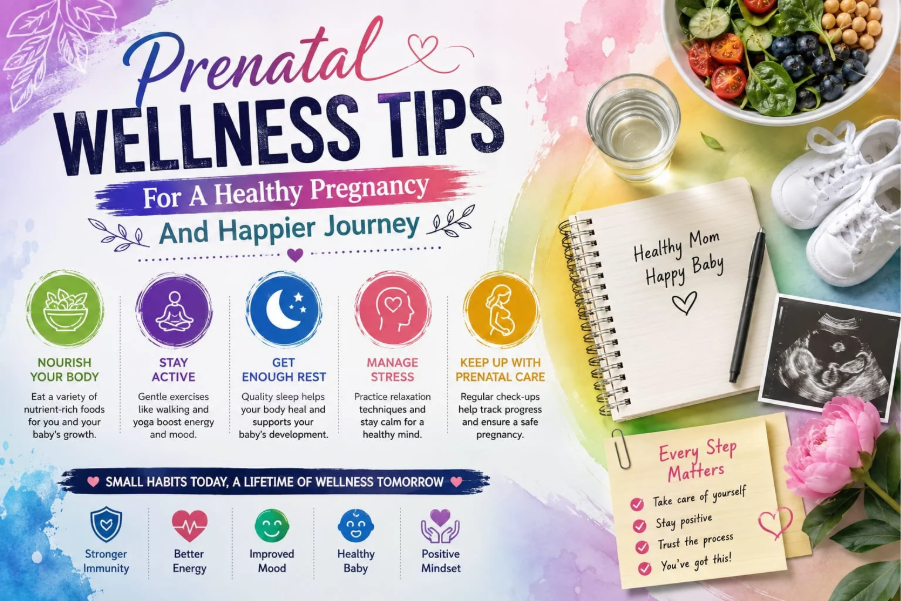
During pregnancy, the mother’s body and mind undergo many changes at the same time. Therefore, it is a good decision to prioritize your health from the beginning. The first step can be to seek regular medical advice and learn about necessary health check-ups. In addition, nutritious food, adequate water, good sleep and safe physical activity according to the body’s capacity can be made a part of daily life. Moderate physical activity is generally beneficial for healthy pregnant women and can help reduce the risk of excess weight gain and gestational diabetes.
But is it possible to ensure the overall well-being of pregnancy by focusing only on food and exercise?
No, mental well-being is equally important. If you feel excessive anxiety, loneliness or chronic stress, you should seek help from your partner, family or a healthcare professional as needed. It is also important to avoid smoking, alcohol, and exposure to harmful chemicals, and to discuss necessary medications and vaccinations with your doctor.
No single habit is enough for a healthy pregnancy; rather, the right information, regular care, and consistent healthy decisions play a key role together.
Good habits, even small ones, have a big impact—conscious care is the solid foundation for a healthy future.
Why Overall Wellness Is Important During Pregnancy
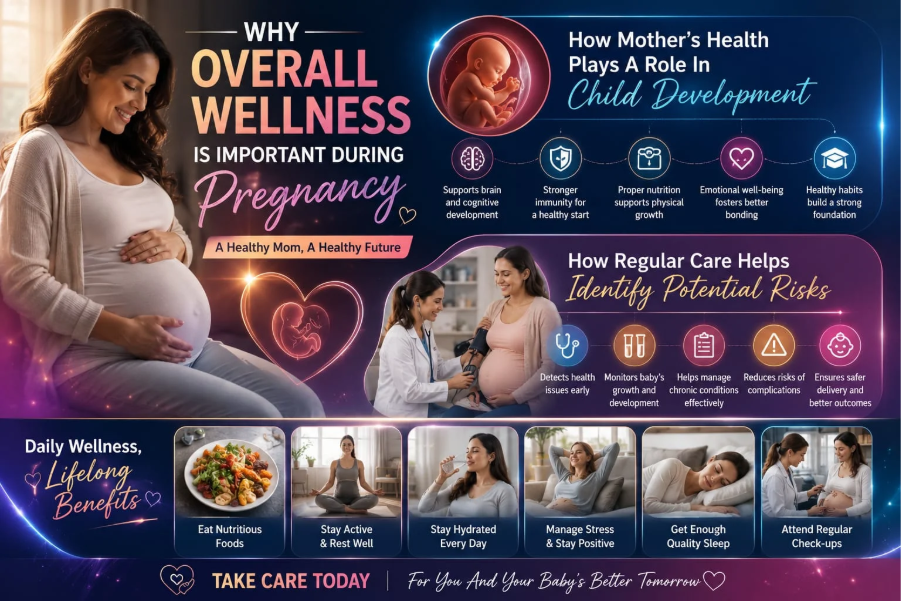
It is important to regularly monitor the physical and mental well-being of the mother during pregnancy by following Prenatal Wellness Tips. The mother’s nutrition, adequate rest, safe physical activity, and regular health check-ups help the body adapt to the changes.
So is physical care alone enough?
No, reducing stress, getting enough sleep, and seeking support from family and doctors when needed are also important. Therefore, a balanced lifestyle and regular care are the most realistic foundations for the well-being of the mother and baby.
How Mother’s Health Plays A Role In Child Development
- Role in Nutrition: Protein, iron, folate, calcium and other nutrients from a balanced diet of the mother help in the normal growth and development of the fetus.
- Transport of oxygen and nutrients: Good blood health of the mother is important for the delivery of oxygen and essential nutrients to the baby. If there are problems like anemia, a doctor’s consultation is necessary.
- Monitoring the baby’s growth: Regular prenatal healthcare helps in monitoring the growth and development of the baby as well as the mother and allows for early identification of possible complications.
- Maternal disease control: If there is high blood pressure, diabetes or any other health problem, it is important for the mother and the baby to control it properly.
- Healthy lifestyle: Nutritious food, safe physical activity and necessary rest help maintain the overall well-being of the mother, which forms the basis for a healthy pregnancy.
How Regular Care Helps Identify Potential Risks
Following Prenatal Wellness Tips and getting regular checkups and doctor’s advice can help you identify potential risks during pregnancy early. Regular care includes monitoring blood pressure, weight, baby’s growth, and the mother’s overall health.
But why is it so important to monitor these things regularly?
Because if any changes are detected early, the doctor can quickly provide advice, tests, or treatment as needed. So it’s a safe practice to not skip scheduled checkups and to report new or unusual symptoms quickly.
What Changes Are Important To Report To The Doctor?
| Warning Sign | What To Do |
| Vaginal bleeding or fluid leakage | Contact a healthcare provider |
| Severe abdominal pain | Seek medical advice promptly |
| Severe headache or vision changes | Inform the doctor |
| Sudden swelling | Contact the healthcare provider |
| Fever or persistent vomiting | Seek medical guidance |
| Reduced fetal movement | Contact the maternity care provider |
Ways To Ensure Nutrition For Mother And Child Through Nutritious Food
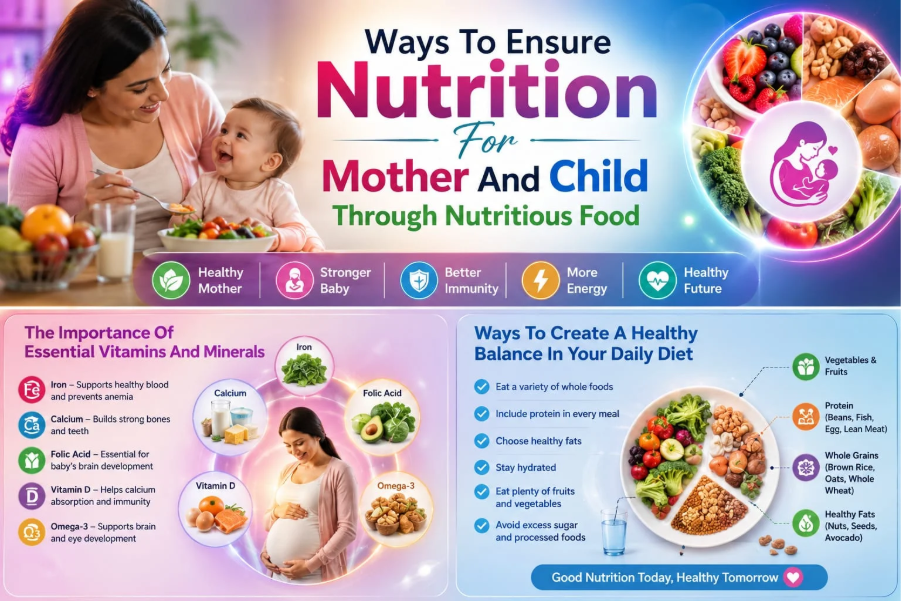
In the case of Prenatal Wellness Tips, nutritious food plays an important role in ensuring the necessary nutrition of the mother and the baby.
Why is it important to have enough protein, vegetables, fruits, whole grains, pulses, eggs and fish or meat from safe sources in the diet during pregnancy?
These foods help maintain the body’s strength and provide the necessary nutrients for the normal growth and development of the baby. Drinking enough water and taking the necessary iron, folic acid or other supplements as recommended by the doctor are also important. So, not only eating more, but choosing a varied and balanced diet is the most realistic way.
The Importance Of Essential Vitamins And Minerals
- Folic acid: Important for the early development of the baby’s brain and spine. Supplements may be necessary as recommended by the doctor.
- Iron: Helps in the production of hemoglobin in the mother’s blood and plays a role in supplying the baby with the necessary oxygen.
- Calcium: Important for the formation of the baby’s bones and teeth and maintaining the health of the mother’s bones.
- Vitamin D: Supports the body’s ability to absorb calcium, which is essential for normal bone development.
- Iodine: Essential for the normal development of the baby’s brain and nervous system.
- Vitamin B12: Helps maintain proper blood cell and nervous system function, particularly for individuals who consume fewer animal products.
Ways To Create A Healthy Balance In Your Daily Diet
It is beneficial to include vegetables, fruits, whole grains, legumes, eggs, fish or other sources of protein and essential healthy fats in your daily diet.
Why is such a balance in food important during pregnancy?
A balanced diet helps maintain the mother’s energy and provides the necessary nutrients for the normal development of the baby. Therefore, it is practical to choose a variety of nutritious foods in moderation, not to eat too many meals at once, drink enough water, and limit excess sugar and processed foods.
Which Foods Should Be Limited Or Avoided?
| Food / Drink | Why Limit or Avoid? | Safer Approach |
| Raw or undercooked meat | May contain harmful bacteria or parasites | Eat thoroughly cooked meat |
| Raw or undercooked eggs | Risk of foodborne infections | Choose fully cooked eggs |
| Unpasteurized milk or dairy | May contain harmful bacteria | Choose pasteurized products |
| High-mercury fish | Excess mercury may affect fetal development | Choose lower-mercury fish |
| Alcohol | Can harm fetal development | Avoid alcohol during pregnancy |
The Importance Of Adequate Sleep And Rest

In the case of Prenatal Wellness Tips, adequate sleep and rest play an important role in maintaining the mother’s physical strength, mood, and ability to perform daily tasks.
Why is it important to give so much importance to sleep during pregnancy?
Regular rest may be necessary as the body changes, discomfort, and fatigue increase. Therefore, it is beneficial to sleep at a fixed time every day, maintain a comfortable environment, and take breaks as needed during the day. If sleep problems persist, it is also good to discuss them with a doctor.
How Sleep Deprivation Can Affect Daily Well-Being
- May increase daytime fatigue: Not getting enough sleep can make the body feel less energetic and make it difficult to perform normal tasks.
- May affect mood: Lack of sleep can increase irritability, restlessness, or a tendency to be moody.
- May reduce attention and memory: Lack of sleep can make it difficult to maintain focus, remember information, and make quick decisions.
- May slow down daily tasks: Not getting enough rest can take longer to complete tasks and increase the likelihood of making mistakes.
- Discomfort may be more noticeable during pregnancy: Sleep problems are relatively common during this time due to hormonal changes, weight gain, and other physical changes.
Creating A Comfortable Sleeping Environment And Regular Routine
While following Prenatal Wellness Tips, a regular sleep routine plays an important role in keeping your body and mind healthy. The changes your body goes through during pregnancy may make comfortable sleep more challenging than before.
So what can you do to create a comfortable sleep environment?
Going to bed and waking up at about the same time every day, keeping your room quiet and dark, using a comfortable bed, and reducing excessive screen time before bed are all beneficial. It is also important to choose a safe sleeping position as recommended by your doctor if you experience discomfort at night.
Effective Ways To Maintain Mental Health And Control Emotions
Taking care of your mental health as part of your Prenatal Wellness Tips is important for your overall health during pregnancy. Anxiety can be triggered by changes in your body, concerns about the future, or the responsibilities of daily life. Getting regular rest, light physical activity, making time for activities you enjoy, and talking to loved ones can be helpful in managing these feelings.
But what are the most effective habits for reducing stress?
Paying attention to your feelings, getting enough sleep, social support, and seeking the advice of a healthcare professional when needed are realistic ways to do so.
Healthy Ways To Manage Anxiety, Fear And Stress
It is important to address anxiety, fear, and stress as part of your Prenatal Wellness Tips, as emotional changes can naturally occur along with physical changes during pregnancy.
What can be done to reduce these feelings?
Getting enough rest, deep breathing, and keeping yourself busy with activities you enjoy can be very important ways to manage your feelings during pregnancy. Sharing your feelings with those closest to you can also be very helpful during this time.
However, if you have excessive anxiety for a long time, you should definitely consult a good doctor.
The Importance Of Emotional Support From Family And Loved Ones
- Creates a sense of security: Family support and attention can help reduce feelings of anxiety or loneliness.
- Provides an opportunity to express yourself: Talking to someone you trust without hiding your fears, worries, or discomfort can help you manage stress.
- Boosts self-confidence: Positive support from a partner or family can build the confidence to adapt to changing circumstances.
- Signs of mental health problems can be recognized quickly: Noticing long-term changes in behavior or mood can remind you to seek help.
Regular Medical Treatment And Necessary Health Check-Ups
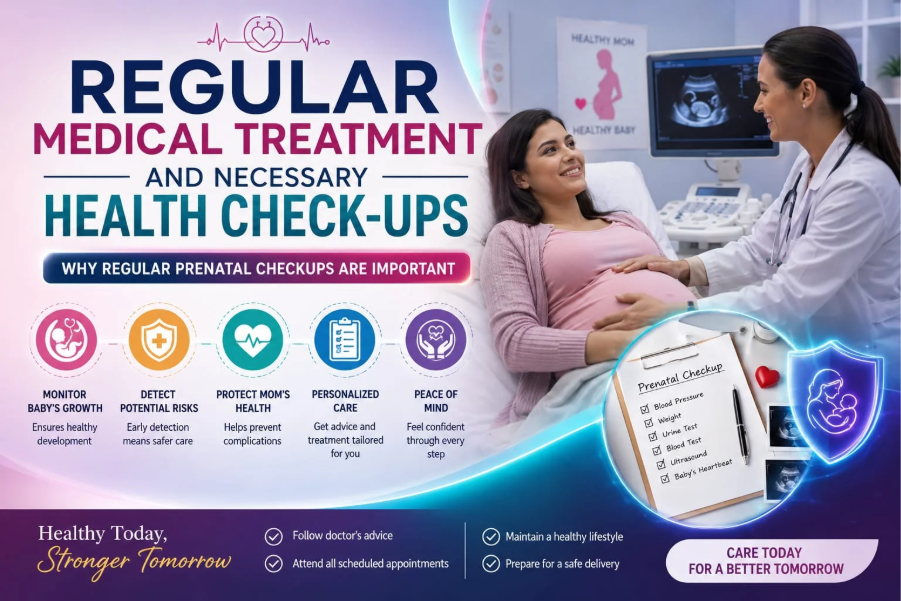
An important part of Prenatal Wellness Tips is to consult a doctor regularly and get the necessary health tests done.
Why are regular checkups so important during pregnancy?
As a result of all these visits, various small things including blood pressure, weight, and baby’s growth are effectively monitored in the mother’s body. If doctors feel the need to do blood tests or other tests, then the tests must be done as per the doctor’s advice.
Also, even if there is any previous health problem or if any new unusual symptoms appear, you must consult a doctor as soon as possible. Therefore, regular treatment and scheduled tests are important means of monitoring the health of the mother and baby.
Why Regular Prenatal Checkups Are Important
Regular medical consultation is a very important and effective way to protect the health of the mother and the baby. As a result, if any abnormal changes are noticed in the mother’s body, it can be treated very quickly. As a result, the mother and baby can remain healthy and well throughout the pregnancy. It is currently being widely used to monitor the progress of everything during pregnancy.
The main reason for this is that the changes may start without any obvious symptoms in the beginning, and if they are not treated in time or if necessary measures are not taken, the mother and the baby can be seriously harmed.
Conclusion
By following Prenatal Wellness Tips, we can develop some healthy habits that will bring great benefits to ourselves and our future unborn child. At the same time, it becomes easier to avoid being in a state of complete pride and ensure the well-being of the child. During pregnancy, it is also very important to carry out all the activities that are safe for the body, including a balanced diet, adequate water, regular rest, and other activities.