
Learn more about Preparing For Motherhood and master the physical and mental preparation, healthy habits, necessary care, and ways to start the new journey of motherhood with confidence.

Have you ever wondered how to prepare your body and mind before stepping into the new chapter of motherhood so that you can move forward with more confidence?
The decision to have a child brings about important changes in a woman’s life. At this time, it is important to be aware of not only pregnancy planning, but also your physical health, mental preparation, daily habits, and necessary medical advice. Maintaining a healthy weight, eating nutritious foods, being physically active regularly, and getting adequate sleep habits before pregnancy can help prepare the body. In addition, it is important to discuss with your doctor in advance if you have any ongoing health problems, regular medication, or vaccination requirements.
But does taking care of your body alone make a woman completely ready for motherhood?
In reality, mental preparation is equally important. Having a realistic idea of the responsibilities, sleep changes, daily routines, and emotional fluctuations after the arrival of the child can make it easier to adapt to the new situation. Support from friends and family, knowing the information you need, and keeping your expectations realistic can boost your confidence.
A much-quoted quote by former First Lady of the United States, Michelle Obama—“Success isn’t about how much money you make; it’s about the difference you make in people’s lives”—reminds us that the value of major life changes lies not only in achievement, but also in responsibility and care.
Why Physical Preparation Is Important Before Having A Baby
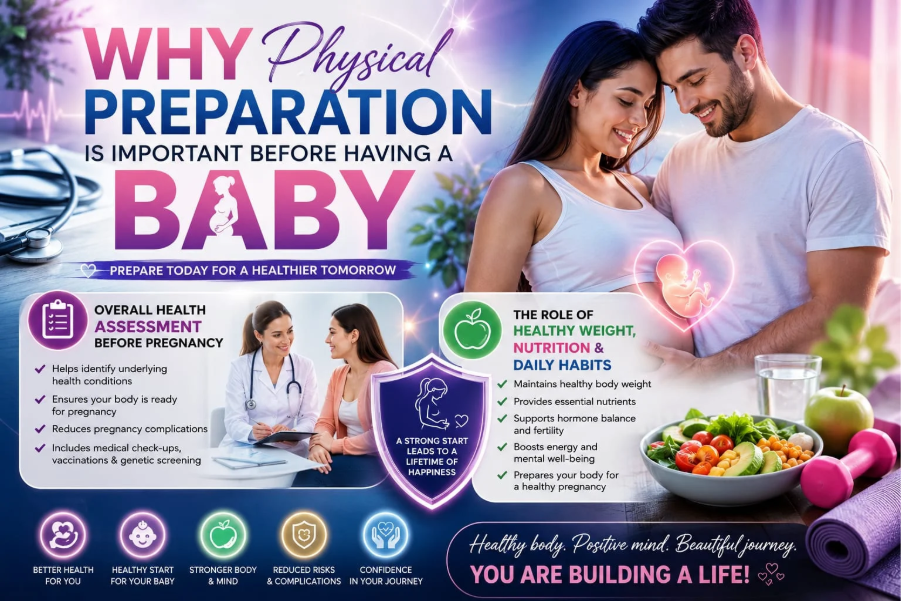
In the case of Preparing For Motherhood, physical preparation is not just about planning for pregnancy, but also an important step in keeping the body healthy for future pregnancies. Nutritious food, healthy weight, regular physical activity, adequate sleep, and necessary health check-ups play a role in this.
But why is it important to know about your health in advance?
Because if there is any nutritional deficiency, long-term problem, or need for regular medication, it can be identified in time and a doctor’s advice can be sought. As a result, it is easier to make safe and informed decisions before pregnancy.
Overall Health Assessment Before Pregnancy
- Clear understanding of current health: Blood pressure, weight, nutritional status and overall physical well-being can be obtained.
- Identifying long-term health problems: If you have any problems such as diabetes, high blood pressure or thyroid, it is possible to seek medical advice in advance.
- Ongoing medication review: If you regularly take any medication or supplement, it is important to discuss it with your doctor before planning a pregnancy.
- Decisions about necessary vaccinations and tests: You can consult a doctor about necessary vaccinations or health tests by looking at your previous vaccination history.
- Opportunities to fill nutritional deficiencies: You can assess whether you are getting enough essential nutrients, especially folate, and take action as needed.
The Role Of Healthy Weight, Nutrition And Daily Habits
In Preparing For Motherhood, a healthy weight, nutritious food, and regular lifestyle play an important role in keeping the body in good condition for pregnancy. Being overweight or underweight can increase the risk of pregnancy and pregnancy complications in some cases.
So is just maintaining a healthy weight enough?
No, in addition to a daily diet of vegetables, fruits, whole grains, and adequate protein, regular sleep and physical activity are also important. Together, these habits help maintain the overall well-being of the body.
Doctor’s Advice On Essential Vitamins And Nutrients
| Nutrient | Main Benefit | Common Sources |
| Folic Acid | Supports early fetal development | Leafy greens, beans |
| Iron | Supports healthy blood | Lentils, meat, spinach |
| Vitamin D | Supports bones and immunity | Sunlight, eggs, fortified foods |
| Vitamin B12 | Supports blood and nervous system | Eggs, dairy, fish |
| Iodine | Supports thyroid and brain development | Iodized salt, dairy |
Preparing The Body With Nutritious Food
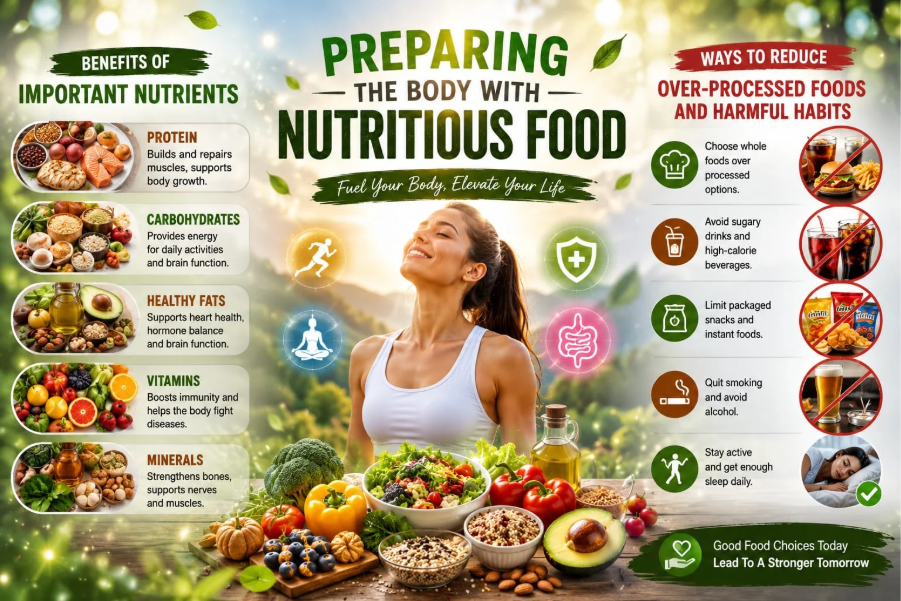
Have you ever wondered how important food is in preparing the body for a future pregnancy? Including vegetables, fruits, whole grains, legumes, eggs, fish or other healthy proteins in your daily diet and dairy products as needed helps provide the body with the necessary nutrients.
Folate adequacy is especially important, because it is important even before pregnancy. According to the CDC, women of childbearing age are generally advised to take 400 micrograms of folic acid per day.
So is eating more food enough to prepare?
No!! It is not the quantity of food, but the variety and nutritional quality that are more important; doctor’s advice is also important according to individual needs.
Benefits Of Important Nutrients
- Helps maintain blood health and plays a role in the production of sufficient blood in the body.
- Helps in the normal growth and repair of cells and tissues in the body.
- Helps in maintaining good bone and dental health, which is especially important during pregnancy.
- Helps in maintaining energy and immunity, so that fatigue can be felt less in daily activities.
- Helps in creating the necessary foundation for the normal development of the baby, especially if adequate nutrition is ensured before conception.
- Helps in preparing the body for the physical changes of pregnancy.
Ways To Reduce Over-Processed Foods And Harmful Habits
It is important to reduce over-processed foods and unhealthy habits on the road to Preparing For Motherhood. It is better to choose vegetables, fruits, whole grains and protein-rich foods instead of packaged foods, excess sugar, salt and trans fats. It is also important to avoid smoking and alcohol.
Is it possible to change all your habits at once?
The answer is—small changes are more effective. Adding one healthy habit each day makes it easier to make sustainable changes in the long term.
Develop Regular Exercise And Sleep Habits
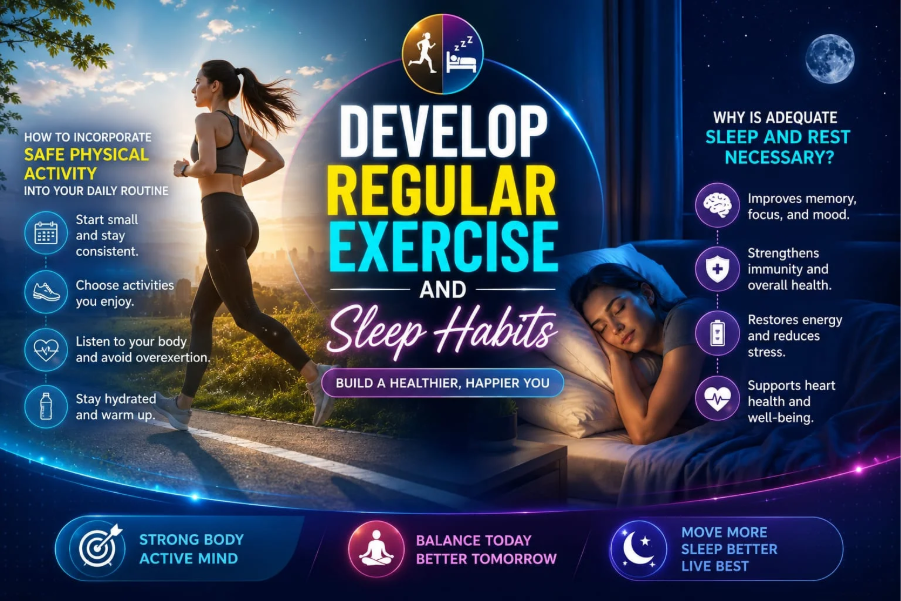
Regular exercise and adequate sleep play an important role in keeping the body healthy during Preparing For Motherhood. Light walking, stretching, or safe exercise as recommended by a doctor can help maintain daily activity.
Why is it so important to maintain a regular sleep schedule in a busy life?
Adequate and regular sleep helps the body recover, maintain energy, and maintain mental balance. Therefore, instead of excessive strenuous exercise, regular light activities and developing a habit of sleeping at a specific time are more realistic preparations.
How To Incorporate Safe Physical Activity Into Your Daily Routine
| Activity | Simple Routine | Main Benefit |
| Walking | 20–30 min daily | Improves stamina |
| Stretching | 5–10 min gently | Supports flexibility |
| Low-Impact Exercise | 15–20 min regularly | Maintains fitness |
| Pelvic Floor Exercise | A few minutes daily | Strengthens pelvic muscles |
| Light Chores | Stay moderately active | Adds natural movement |
| Rest Breaks | Pause when tired | Supports recovery |
Why Is Adequate Sleep And Rest Necessary?
Adequate sleep and rest help restore the body as well as maintain focus, mood, and daily functioning.
Why is it important to give sleep such importance when preparing for future motherhood?
Regular and quality sleep helps maintain normal body functions, and sleep deprivation can cause fatigue and slowness in daily tasks. Therefore, going to bed at a fixed time, reducing screens and caffeine before bed, and creating a comfortable environment are beneficial.
Practical Strategies For Changing Irregular Sleep Habits
To gradually change irregular sleep habits during Preparing For Motherhood, it is important to establish a regular bedtime and wake-up routine. Going to bed around the same time every day, reducing mobile or bright lights at night, and creating a quiet environment before bed can help establish a sleep rhythm.
But is it possible to make this change permanent in a few days?
- The most realistic way is to gradually establish a routine by setting a time.
Mentally Preparing Yourself For New Responsibilities

Isn’t it normal to feel a sense of excitement and fear or uncertainty when thinking about a new responsibility?
Keeping your expectations realistic, talking to your partner about sharing responsibilities, and getting support from your family when you need it can help you prepare mentally.
But what if you have excessive anxiety or chronic sadness?
- The most responsible decision is to talk to a doctor or mental health professional rather than going it alone.
Managing Fears, Anxieties, And Expectations Realistically
- Accept fear as normal: It is normal to feel some anxiety before having a baby.
- Set realistic expectations: Prioritize your own needs rather than comparing your situation to others’ experiences.
- Understand the cause of fear: If you have specific concerns, gather information and prepare gradually.
- Talk to your partner: Talk about responsibilities, childcare, and daily changes in advance.
- Get help if needed: If excessive anxiety is affecting your daily life, seek the advice of a doctor or mental health professional.
Ways To Build Confidence And A Positive Mindset
Preparing For Motherhood is about building confidence by being realistic about your body, feelings, and future responsibilities.
Can the pressure to be perfect reduce your confidence?
Yes, so it’s important to accept your limitations and seek support from your partner, family, or doctor when needed. Setting small goals, maintaining a healthy routine, and knowing reliable information can help build mental strength. That’s why having realistic expectations, trusting in your abilities, and getting help when needed are effective ways to build a positive mindset.
When To Seek Help For Excessive Anxiety
While a little anxiety is normal during the Preparing For Motherhood period, if it affects your daily work, sleep, or relationships, it is important to take it seriously.
When should excessive anxiety be considered more important than normal worry?
If you have been experiencing prolonged restlessness, excessive fear, difficulty concentrating, or sleep disturbances, it is beneficial to talk to a doctor or mental health professional. Seeking help in a timely manner is a practical step to maintain your mental health and confidence.
Planning Ahead With Your Partner And Family

Preparing For Motherhood Planning ahead with your partner and family can make it easier to be mentally prepared and share practical responsibilities.
Is it important to discuss in advance how responsibilities will be divided after the baby arrives?
Financial planning, medical decisions, daily tasks, and who will help in times of need. Because having clear expectations makes it easier to maintain mutual cooperation and confidence in changing circumstances.
The Benefits Of Having Open Discussions With Your Partner About Responsibilities And Expectations
- Sharing responsibilities is easier: Once the baby arrives, it is possible to decide in advance how housework and childcare will be divided.
- Reduced misunderstandings: Knowing both parties’ expectations and concerns clearly can reduce future conflicts.
- Easier financial planning: Realistic decisions can be made in advance about medical, delivery, and baby expenses.
- Increased emotional support: Talking about fears, worries, or uncertainties can help each other better.
- Emergency preparedness: Knowing in advance who will take on what responsibilities in case of need makes it easier to handle the situation.
How To Ensure Family And Social Support In Times Of Need?
It is important to think in advance from whom practical help will be available in the moment of need. Responsibilities, time and expectations can be openly discussed with family members or close people.
But why is it important to plan support in advance?
Rest, food, assistance with medical tasks or emotional support may be needed after childbirth. So a practical solution is to share the responsibilities with a few trusted people and plan to seek medical or community support if necessary.
Conclusion
It provides an opportunity to consciously prepare your body and mind for an important life stage. Preparing for motherhood is not just about planning for pregnancy; it also includes improving your health, nutrition, sleep, exercise, mental well-being, and daily habits. Discussing necessary health checks, current medications, vaccinations, and previous health problems with your doctor before pregnancy can help you be aware of future risks.
Having a realistic idea of new responsibilities, lifestyle changes, sleep irregularities, and emotional fluctuations can make it easier to adapt to the changing situation.
Conscious preparation does not eliminate all future challenges, but it increases the confidence to make the right decisions at the right time.