What weeks are second trimester and the golden period of pregnancy

Tahmina Noor

Published: 15/03/2026
Updated: 15/03/2026

 What weeks are second trimester? a question that every pregnant mother usually asks herself when she enters the second stage after the first three months of hardship.
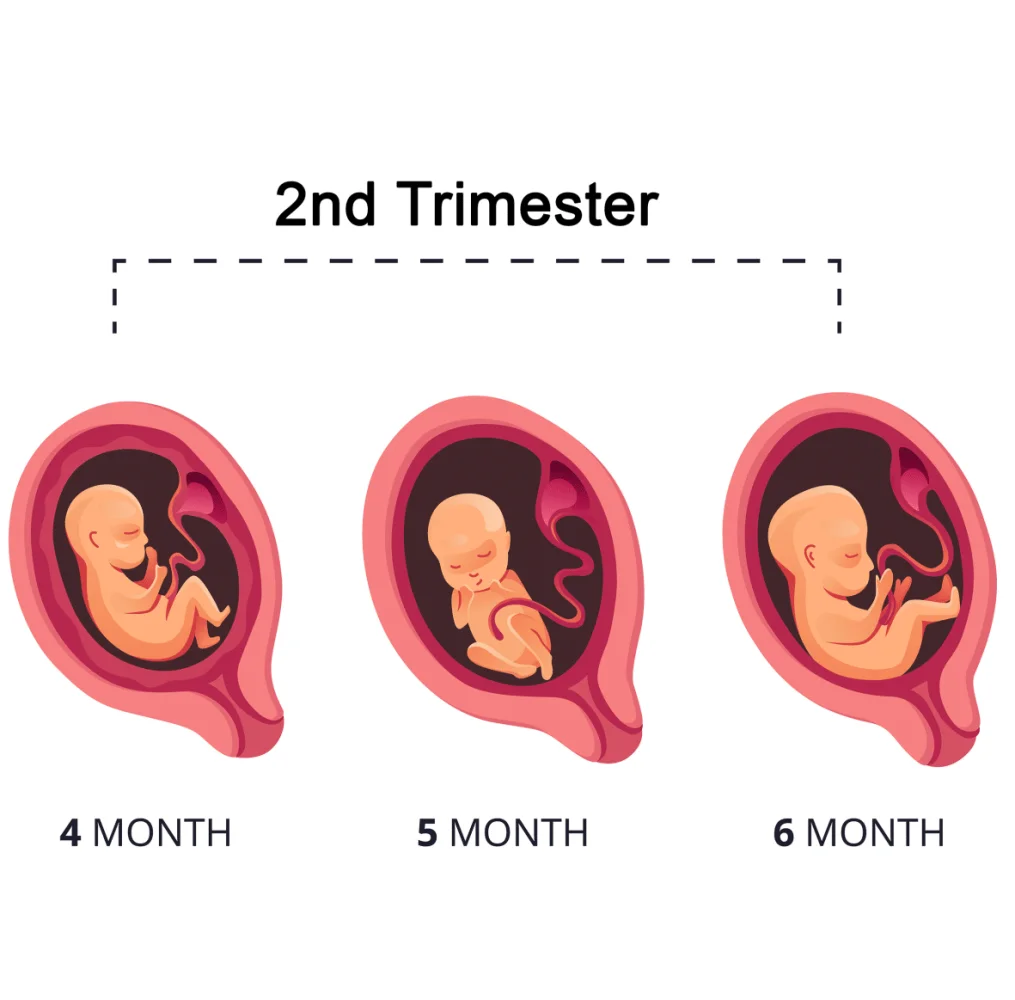
The reason why it is called the golden period of pregnancy is that during this period, nausea or excessive fatigue decreases a lot like in the first three months. The baby in the womb starts growing very quickly and the mother’s body feels a new vitality. What changes are actually happening inside your body at this time?

Entering this stage of pregnancy means the beginning of a new chapter. From the 13th week, the baby’s organs start to become more visible. Many mothers feel much fresher than before during this period. Since the hormonal balance is somewhat stable, the mind and mood are also calmer than before.

Changes for mother and baby during mid-pregnancy

Pregnancy 17 to 22 weeks is difficult to express in reality. During this period, the changes inside the mother’s body vary from time to time. Especially when the baby moves for the first time in the stomach, the connection comes out in joy.

Question This feeling is compared to the flapping of butterfly wings, and it feels like small bubbles in the stomach are playing. Only they understand how emotional and painful it is for parents to get this first response from their child.  

Anatomy Scan and Gender Determination

Around 20 weeks, doctors usually perform an anatomy scan, where they check whether all the baby’s organs are in good shape. A table is provided through which you can easily understand the steps of this period.

PeriodDevelopmental MilestonesPhysical Changes
17-20 weeksRapid brain growthFeeling mother’s movements
21-22 weeksSensory developmentAbility to hear outside sounds
23-25 ​​weeksLung developmentIncreasing fat levels

Preparation and physical changes in the last stage of the second trimester

By the 27th week, you reach the end of this stage of pregnancy. At this time, the size of the baby is much larger than before and he becomes more active. Have you ever felt that your body feels a little heavier than before?

This is very normal, because a small life is growing rapidly inside you. According to what weeks are second trimester, it is necessary to pay attention to some special changes in the mother’s body during this time.

Why is this time relaxing?

After the fatigue and nausea of ​​the first trimester are gone, the mother feels a lot fresher during this time. However, at this time, the ankles or hands may tend to swell a little. Many mothers face problems sleeping at night during this time. Keeping the body in a comfortable position with the help of pillows is very important during this time.  

Observing the movements of the fetus

The baby will move inside your womb at regular intervals. Many people call this baby kicks or movements. It is very important to note whether these movements are regular or not. Are you keeping a diary of your baby’s movement patterns and how often they move inside your womb? This will make it easier to provide information to the doctor during your next check-up.

Proper Nutrition and Diet

It is very important to eat foods that are rich in iron, calcium, and protein during this time. If you want, you can take a look at the list below.

Food IngredientsBenefitsMain Sources
IronRelieves anemiaSpinach, red meat
CalciumStrengthens children’s bonesMilk, cheese, yogurt
ProteinTissue formation and growthFish, pulses, eggs
FiberPrevents constipationVegetables, colorful fruits

Physical examination and precautions as per rules

The period from thirteen to twenty-seven weeks of pregnancy is usually called the second stage or second trimester. During this time, doctors recommend regular checkups and ultrasounds. It is especially important to check whether the blood sugar level is normal or if there are any signs of diabetes.

 In addition

 if you suddenly have a severe headache or blurred vision, you should not delay at all. If any such problem occurs, you should inform your doctor immediately without delay.

Daily life and precautions during pregnancy to stay healthy

As you grow into a new life, your body becomes more sensitive and flexible than ever. Why this middle period of pregnancy is so important can be understood by looking at your daily movements and small habits.

Many mothers suddenly experience back or waist pain at this time. In fact, as the uterus grows, the weight of the body leans forward, which increases the pressure on the waist. In such a situation, standing for a long time or lifting a heavy bucket or bag will not be right for you at all.

Hormonal effects and skin changes

The second trimester brings about a strange hormonal change in the body. Many women may develop dark spots or discoloration on their skin, which is medically known as melasma. This is very common. 

In addition, 

many women also feel that their hair or nails have become much stronger during this time, which is due to the positive effects of hormones.

Improving the quality of life and family support

The role of family members is immense at this time. It is very important for a pregnant mother to have a calm environment to keep her body and mind healthy. When you know how challenging what weeks are second trimester is for your body, you should give importance to your rest time.

Sharing your feelings with your loved ones and spending time in a light mood increases the mother’s confidence. Sometimes the question may arise, what should you talk to the child? Research has shown that regular communication between mother and child deepens their bond.

Precautions at work

If you are a working mother, it is very important to take frequent breaks during work. Instead of sitting in a chair for a long time, walking around or keeping your feet elevated helps keep blood circulation normal. Is the environment of your workplace suitable for your current situation? If not, you can talk to your boss and request some changes in the work style. Nothing is more important than health.

Special preparations for the last week of the second trimester

When you reach around 27 weeks, you can start doing the necessary shopping for yourself or cleaning the house for the baby. Instead of doing the heavy work yourself, take help from others. Doing everything while maintaining your own comfort will help you maintain peace of mind.

Physical and Mental Changes

The flow of hormones in the body stabilizes a lot during the second trimester. During this time, your uterus rises much higher than before, which reduces the pressure on your bladder, which also reduces the problem of frequent trips to the bathroom. Have you noticed that your skin has a different glow or ‘glow’ during this time? 

In fact, this happens due to increased blood circulation within the body. The effect of hormones also calms your mood a lot. However, some physical symptoms such as back pain or slight swelling of the legs may appear during this time. Are you doing regular exercise or light walking? During this time, your body structure or center of gravity changes a little, so it is very important to move while maintaining balance. Comfortable and loose cotton clothing will keep your body cool and normalize blood circulation.

Explore more here: Miscarriage and Pregnancy Loss

Fetal development and feeling the baby’s movements

It is during this time of pregnancy that the baby’s body organs actually begin to form. Around 15 to 20 weeks, the baby can move its fingers and toes. Although at first it is felt as a very subtle movement, which many compare to the fluttering of bubbles or butterflies. Gradually, these movements become more pronounced. 

Do you sometimes talk to your baby by placing your hand on your belly? Many mothers feel that the baby is moving more when they hear their voice. This strengthens the bond between mother and child.

Importance of Nutrition and Proper Lifestyle

The baby’s body and brain start growing rapidly from the second month of pregnancy, so mothers should pay special attention to their diet, especially foods rich in iron, calcium and folic acid.

Eating foods like spinach, lentils or liver reduces anemia in the body. Eating milk and milk-based foods is very important for the proper bone structure of a child. However, it would be wise to remember one thing, which is to avoid excess oil and spicy foods. This causes serious harm to the body.

Proper rest and sleep pattern

During this stage of pregnancy, it is very important to get a good night’s sleep for your own and your baby’s health. It is best to lie on your left side during this time, as this improves blood circulation in the uterus. Taking a pillow under your back or stomach while sleeping can also provide relief from back pain. 

Have you made any changes to your sleeping pattern? 

A comfortable bed and a calm environment will help your body relieve the fatigue of the day.

Pregnancy Checkups and Precautions

Regular doctor visits or prenatal checkups are very important during this period of pregnancy. what weeks are second trimester—This is when doctors perform various tests such as anatomy scans or confirm whether the baby is growing properly.

 In addition, 

it is also very important to check your blood pressure and sugar levels from time to time. If there are problems like gestational diabetes or high blood pressure, they can be detected at this time and can be controlled with proper treatment. Do you have a habit of measuring your weight regularly? There is a normal rate of body weight gain, which indicates how healthy you are.

Lifestyle Adjustment Strategies

If you are a working mother, you need to take some precautions at work. Instead of sitting in a chair for a long time, stand up and move your legs every now and then. Make sure that the environment at your workplace suits your body. 

You can talk to your boss and ask for some flexibility in the type of work or time. The support of family members increases your confidence during this time. Do you regularly discuss the future plans of the baby with your partner? This helps reduce anxiety.

Uncomfortable symptoms and what to do

Many times, problems like blurred vision or severe headaches may occur in mothers.There is a normal rate of body weight gain, which indicates how healthy you are.Also, if for any reason any part of the body swells abnormally, contact the doctor immediately. Awareness during pregnancy is the main key to staying healthy. 

What weeks are second trimester—keeping this information in mind, you can organize each week of your pregnancy. Listen to your body, because your body itself will tell you when you need rest or when the need for nutritious food increases. May this beautiful period of pregnancy be an unforgettable experience of your life, where every step is conscious and joyful. Stay healthy, stay well and wait for the arrival of a new life. Your awareness and love are the best gifts for the future of your unborn child.

Awareness to protect the health of the mother

In the second trimester, blood circulation throughout the body increases significantly, which makes the skin look fresh. However, during this time, the body also needs a lot of iron. It is very important to pay attention to eating vegetables and fruits regularly to avoid anemia. what weeks are second trimester—Take care that the body does not lack water during this time. Drinking enough water reduces the chances of problems like urinary tract infections or urinary tract infections.

During this time, many people have problems with tightness in the legs, which can be a sign of calcium deficiency. Many mothers feel quite comfortable when they gently massage their feet before going to bed at night. Do you have the habit of putting a pillow under your feet while sleeping? This facilitates blood circulation in the body and increases the quality of sleep.

Mother’s diet in the development of the fetus

It goes without saying how important calcium and vitamin D are for building strong bones and teeth in children. Try to include yogurt, milk or cheese in your daily diet. In addition, foods containing folic acid such as lemon, orange or green vegetables are helpful in the proper development of your baby’s brain.

Many people think that you have to eat for two during pregnancy, but this is a misconception. what weeks are second trimester—At this time, you need nutritious and balanced food, not extra food. Excess weight gain can cause complications during the delivery period. Therefore, it is very important to pay equal attention to both the quantity and quality of food.

Do you have a habit of measuring your weight regularly? By checking your weight regularly, you will understand whether your pregnancy is progressing at the right pace or not.

Regular physical activity and yoga 

It is not good to sit idle during pregnancy. Light walking or doing yoga with the advice of a doctor will keep the body much easier and more flexible during delivery. Regular exercise helps reduce your back pain and keep your mood up.

However, remember, you should definitely discuss it with your doctor before doing any kind of exercise. Avoid excessive physical exertion or carrying heavy objects. The safety of your unborn child is your only goal in life now.

Peace of mind and family bonding

A good mood during pregnancy means a good mood for the baby. Due to hormonal changes during this time, you may often feel proud or sad about small things.

Share these feelings with your partner or family. When you talk, your mind will be relieved. what weeks are second trimester—Spending time with your partner or planning for the baby’s future during this time deepens the relationship between you and your partner. Many mothers talk to their baby or sing to him during this time. This not only brings you emotional joy, but also accelerates the baby’s hearing development.

Clothing precautions during pregnancy

As your body changes, you also need to change the type of clothing you wear. Tight clothing restricts blood circulation, so choose loose cotton clothing. Your feet may also increase in size during pregnancy, so choose comfortable and flat shoes when choosing shoes.

Be very careful when climbing high. Make sure that your home environment is always light and airy. Stay away from smoking or polluted air as much as possible. If the environment around you is clean, you will also get a lot of mental relief.

Awareness and doctor’s advice during pregnancy

During this stage of pregnancy, doctors recommend various ultrasounds or checkups. These checkups give an accurate picture of the baby’s growth. what weeks are second trimester? If you experience any physical abnormalities such as vaginal bleeding or unusual abdominal pain during this time, inform the doctor immediately.

There is nothing to be ashamed of or afraid of; your child’s well-being is above all. Regular blood pressure checks and diabetes control are very important at this time. Are you writing down your prescriptions or doctor’s advice in a separate diary? This prevents you from getting any information wrong. Each week of pregnancy will expose you to a new experience of motherhood.

Take care of yourself and enjoy this time. Your body is now going through a strange and wonderful process of creation. These moments will be the best memories of your life. Take each day as a blessing and mentally prepare yourself for the arrival of your unborn child.

Remember, your awareness and love are the greatest assets for your child’s future. Stay well, stay healthy and feel proud of yourself on this joyful journey of motherhood.

Conclusion

The second trimester or the period from 13 to 27 weeks of pregnancy is truly extraordinary in this long journey of pregnancy. what weeks are second trimester This time gives you the opportunity to get to know your unborn child anew and prepare yourself for the future.

This golden period of pregnancy is a great opportunity to stay physically and mentally healthy. Taking proper nutrition, taking regular doctor’s advice and ensuring your own peace of mind—these three things are the main foundation of a healthy pregnancy. If you take care of yourself and take every step consciously, the entire period will become joyful for you.

Becoming a mother is a unique experience, and it is your responsibility to make this experience beautiful. Love yourself at this time of life change and pay attention to every signal of your body, because this beautiful time will lay the foundation for the future of your unborn child. I hope this joyful period of your pregnancy will be very beautiful and smooth.


Related Articles

early pregnancy vitamins

Early Pregnancy Vitamins: What You Need and Why It Matters

Did you know that during the first few weeks of pregnancy, the brain and spinal cord of your developing baby begin to form? 

At this stage, many mothers may not even be aware that a new life is on the way. Seeing two red lines on a pregnancy test often brings a mix of joy and a flurry of questions. 

What foods are best for the baby? Which vitamins support brain development? And with so many products available on the market, which one is truly right for your needs?

Exploring these questions makes it essential to learn about “early pregnancy vitamins.” Certain nutrients play a vital role in the healthy development of your baby during the early stages of pregnancy.

Dear mother, consider this: you might not have given much thought to your daily diet before, but now that you are expecting, you likely find yourself wanting to know about every component of what you eat. This is a beautiful transformation that comes with motherhood. However, keep in mind that more vitamins do not necessarily mean greater benefits for your baby. It is important to understand which nutrients are required, which can be obtained from food, and which might be needed as supplements. 

Let’s explore the most important nutrients for both your body and your unborn baby during the early stages of pregnancy.

Early Pregnancy Vitamins at a Glance

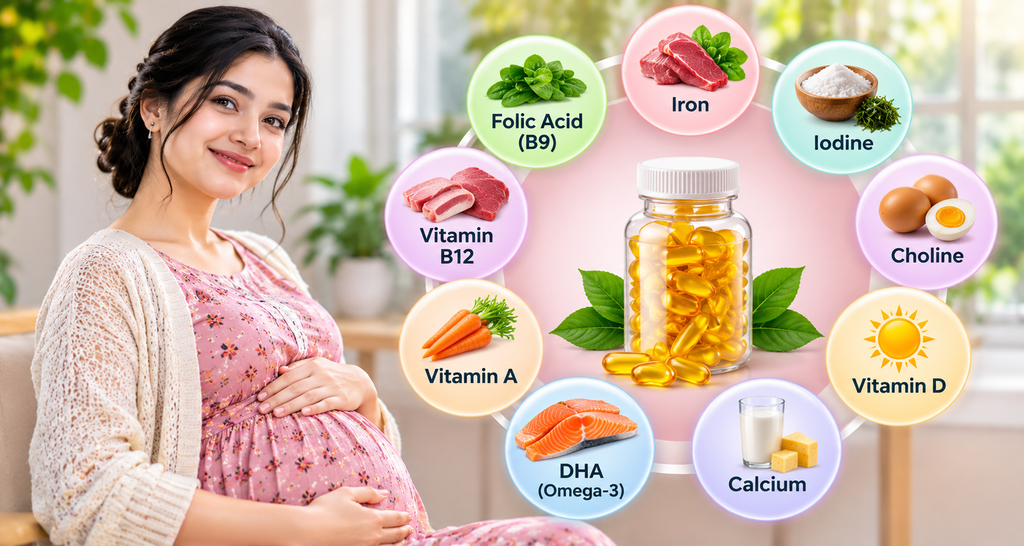
During pregnancy, your body’s nutritional needs change. In the first three months in particular, the baby’s brain, nervous system, bones, and other vital organs begin to develop. Therefore, in addition to your daily meals, it is essential to pay special attention to the intake of certain vitamins and minerals.

For your convenience, the daily nutritional requirements for pregnant women aged 19 and older are presented in the table below.

NutrientDaily RequirementMain Benefits
Folic Acid400 mcg (600 mcg DFE total folate)Brain and spinal cord development
Iron27 mgRed blood cell production
Iodine220 mcgBrain and thyroid development
Choline450 mgBrain and spinal cord development
Vitamin D15 mcg (600 IU)Bone development
Calcium1,000 mgStrong bones and teeth
Vitamin B122.6 mcgNerve and blood cell health
Vitamin A770 mcg RAEEye, skin and immune health
DHANo official RDABrain and eye development

Keep in mind that the amounts listed in the table represent your total daily nutritional requirements. This does not mean that you must obtain all of these nutrients solely from prenatal vitamins; you can meet these requirements through a combination of your diet and supplements.

Why Vitamins Matter So Much in Early Pregnancy

Have you ever wondered why early fetal development is so critical?

The answer lies in the initial formation of the baby’s body. During this period, a specialized structure called the “neural tube” develops, which eventually forms the baby’s brain and spinal cord.

Remarkably, this neural tube closes as early as the third or fourth week of pregnancy—often before a woman has even taken a pregnancy test. This means that by the time you discover you are pregnant, a vital stage of your baby’s development may have already been completed. A lack of sufficient folic acid can increase the risk of “neural tube defects”—congenital issues affecting the brain and spinal cord. According to the CDC, consuming 400 micrograms of folic acid daily helps prevent some of these birth defects.

This is why doctors recommend taking appropriate vitamins as soon as you begin planning for pregnancy. However, if you haven’t been taking any supplements, don’t blame yourself. Once you learn you are pregnant, consult your doctor and start taking them as soon as possible. Remember, it is never too late to start taking care of yourself.

The Most Important Early Pregnancy Vitamins and Minerals

Folic Acid: The Top Priority

Folic acid is one of the most important nutrients during the early stages of pregnancy. It is a form of vitamin B9 that aids in the creation of new cells and supports the healthy development of a baby’s brain and spinal cord. This vitamin is particularly crucial for the proper formation and closure of the neural tube.

Generally, a daily intake of 400 micrograms of folic acid is recommended. Ideally, one should begin taking it at least one month before conception. During pregnancy, the total daily requirement for folate is 600 micrograms DFE (Dietary Folate Equivalents). Since these two measurements are not the same, it is important to keep this in mind when reading product labels.

For women who have previously given birth to a child with a neural tube defect, a doctor may recommend a daily intake of 4,000 micrograms of folic acid. However, as this is a significantly higher dose than the standard recommendation, it should never be taken in such large amounts without a doctor’s explicit guidance.

Why Is Folic Acid So Important Before Pregnancy?

Many mothers believe that it is sufficient to start taking folic acid only after a pregnancy test comes back positive. In reality, however, the baby’s neural tube develops very rapidly; therefore, it is crucial to have adequate levels of folic acid in the body even before conception.

Also, be aware that, in addition to folic acid, an alternative form of vitamin B9—known as methylfolate or 5-MTHF—is available on the market. However, there is not yet sufficient evidence for methylfolate that matches the proven efficacy of folic acid in preventing neural tube defects. Consequently, when purchasing prenatal vitamins, check the label to ensure that it specifically lists “folic acid.”

Iron: For Your Growing Blood Supply

During pregnancy, the volume of blood in your body increases, as extra blood is required to deliver oxygen to both your own body and that of your baby. Iron plays a crucial role in the production of red blood cells.

Pregnant women aged 19 or older require approximately 27 milligrams of iron daily. A deficiency can lead to anemia, which may cause symptoms such as excessive fatigue, weakness, and dizziness.

Good sources of iron include beef, chicken, fish, lentils, beans, spinach, and iron-fortified cereals. However, consuming iron-rich foods is not enough; how well your body absorbs that iron is also important. For instance, consuming plant-based sources of iron—such as lentils or spinach—alongside lemon, oranges, or other foods rich in Vitamin C can enhance iron absorption.

It is also important not to consume an excessive amount of iron. For adult pregnant women, the upper tolerable intake limit is 45 milligrams per day. If a blood test reveals a deficiency, your doctor may recommend additional supplements.

Iodine: Often Missing From the Label

Iodine is a mineral that helps in the production of thyroid hormones. These hormones are essential for the normal development of a baby’s brain and nervous system.

During pregnancy, approximately 220 micrograms of iodine are required daily. Various health organizations recommend obtaining about 150 micrograms of iodine through prenatal supplements.

However, many mothers overlook an important detail: not all prenatal vitamins contain an adequate amount of iodine. Therefore, one should not simply rely on the label “Prenatal Vitamin” on the bottle; be sure to check the list of ingredients.

Iodine can also be obtained from sources such as iodized salt, milk, eggs, and saltwater fish. That said, if you have any thyroid-related issues, do not take iodine supplements on your own. A doctor will determine the appropriate dosage based on your specific health condition.

Choline: The Nutrient Many Moms Have Never Heard Of

Choline is an essential nutrient that many mothers may not have heard of before. Yet, it plays a crucial role in the development of a baby’s brain and spinal cord.

During pregnancy, about 450 milligrams of choline are required daily. Eggs are an excellent source of this nutrient. Choline can also be found in fish, meat, milk, lentils, and broccoli.

It is important to note that many prenatal vitamins contain little to no choline. Therefore, do not assume that taking a vitamin supplement alone meets all your nutritional needs. Be sure to consider whether you are obtaining enough choline from your daily diet.

Vitamin D and Calcium: Building Strong Bones

Calcium is essential for the development of strong bones and teeth in a baby. Vitamin D, on the other hand, helps the body absorb calcium; these two nutrients are therefore interconnected.

Pregnant women aged 19 or older require approximately 1,000 milligrams of calcium and 15 micrograms (or 600 IU) of Vitamin D daily.

Good sources include milk, yogurt, cheese, calcium-fortified plant-based milk, and certain types of fish that can be eaten with their bones. Check the calcium content in your prenatal vitamins, and aim to obtain the remainder from your diet.

Vitamin B12: Especially for Vegetarians and Vegans

Vitamin B12 helps maintain a healthy nervous system and supports the production of red blood cells. During pregnancy, the daily requirement is approximately 2.6 micrograms.

Vitamin B12 is typically found in meat, fish, eggs, and dairy products. Consequently, individuals who follow a strictly plant-based diet may be at a higher risk of a deficiency in this vitamin.

If you follow a vegan or vegetarian diet, ensure you pay attention not only to Vitamin B12 but also to iodine, choline, iron, and omega-3 fatty acids. If necessary, consult a doctor or a nutritionist to help you create an appropriate dietary plan.

DHA and Omega-3s

DHA is an important type of omega-3 fatty acid that supports the development of a baby’s brain and eyes. It is particularly important to pay attention to this nutrient if you do not consume fish regularly.

Fish with low mercury content, such as salmon, sardines, and trout, are good sources of DHA. Some prenatal vitamins contain DHA, while others do not.

There is no specific government-mandated daily requirement for DHA. However, experts generally recommend a combined intake of at least 250 mg of DHA and EPA, along with an additional 100–200 mg of DHA. If you rarely eat fish, consult your doctor to determine whether a separate DHA supplement is necessary for you.

What to Avoid: Too Much of Some Vitamins

Be Careful With Vitamin A

Vitamin A is essential for eye health, skin, and immune function. However, excessive intake during pregnancy can be dangerous.

In particular, consuming too much “preformed” Vitamin A—known as retinol or retinyl—can increase the risk of birth defects. For pregnant women, the upper limit for this form of Vitamin A is 3,000 micrograms per day.

On the other hand, beta-carotene—found in foods like carrots, sweet potatoes, and green leafy vegetables—is converted into Vitamin A by the body only as needed.

Therefore, do not take general multivitamins, beauty supplements, and prenatal vitamins simultaneously without first having them reviewed by a doctor. Remember, taking an excessive amount of vitamins during pregnancy is not a sign of good maternal care; rather, consuming the right amount based on actual needs is a sign of being a responsible and informed expectant mother.

Herbal Supplements

Many mothers believe that products made from natural or herbal ingredients are completely safe during pregnancy. In reality, however, there is not enough research on the safety of all such herbal ingredients.

Therefore, consult a doctor or pharmacist before taking any herbal pills, special tea blends, or herbal powders. This precaution is especially important if you are already taking other medications.

How to Choose a Prenatal Vitamin

There are many types of prenatal vitamins available on the market. Some come as tablets, others as capsules, and some are sold in the form of gummies. However, there is no guarantee that the most expensive bottle will be the best one for you.

Consider the following factors when choosing a suitable prenatal vitamin.

CheckWhat to Look For
Folic Acid400 mcg
IronClose to 27 mg
IodineAbout 150 mcg
Vitamin ASafe amount of preformed vitamin A
Vitamin D15 mcg (600 IU)
CholineIncluded or obtained through food
DHAIncluded or obtained through food
Third-Party TestingUSP, NSF or ConsumerLab

Gummies vs. Pills

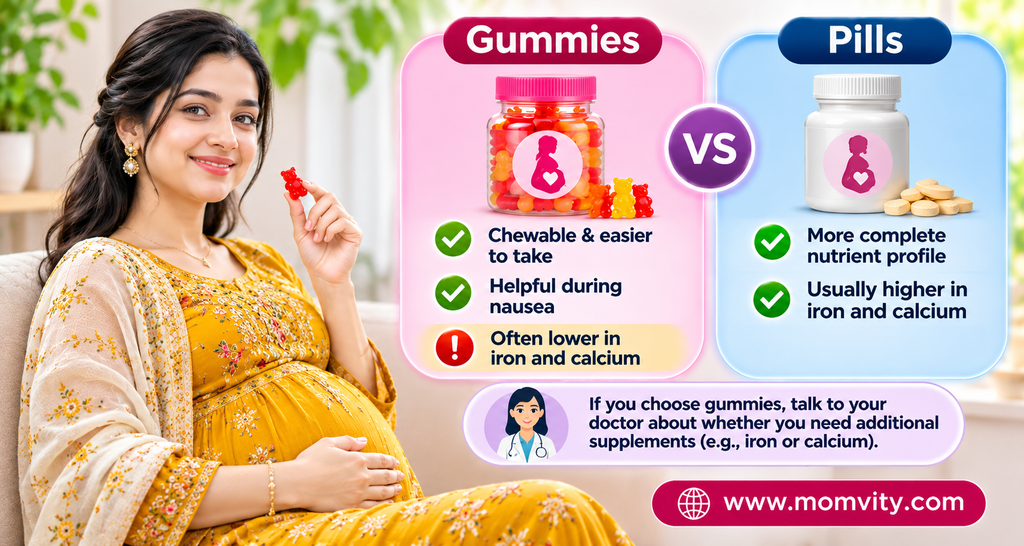
For those who experience significant nausea during early pregnancy, gummy vitamins may be a more manageable option. They are chewable, which many find convenient to take.

However, there is a drawback: many gummy prenatal vitamins do not contain sufficient amounts of iron or calcium. Therefore, if you choose to take gummies, consult your doctor about whether you need any additional supplements.

Managing Side Effects of Prenatal Vitamins

Nausea

Many women experience nausea during the early stages of pregnancy, and taking prenatal vitamins can sometimes make this discomfort worse.

Have you ever felt stomach discomfort throughout the day after taking your vitamins in the morning? If so, you might consider—with your doctor’s approval—taking them at night alongside a light snack. This approach proves helpful for some women.

However, if you experience persistent vomiting or are unable to keep any food or medication down, please consult your doctor. They may be able to recommend a different type of supplement if necessary.

Constipation

Taking prenatal vitamins that contain iron can sometimes lead to constipation. This can be particularly uncomfortable for those who already have digestive issues.

You can follow a few steps to help alleviate this problem.

  • Drink plenty of water every day.
  • Eat fruits, vegetables, and fiber-rich foods.
  • Engage in light walking, provided you have your doctor’s approval.
  • Consult your doctor about using a stool softener, if necessary.

Also, keep in mind that you should not stop taking iron supplements on your own just because you are experiencing constipation. If you inform your doctor about the issue, they can adjust the type of supplement or the method of administration as needed.

Conclusion: A Healthy Beginning for Your Little One

By now, you surely understand that taking care of yourself during early pregnancy is not just about eating more food or taking a large number of vitamins at once. Rather, the most important thing is to know which nutrients are needed, when they are required, and how to consume them safely. A high-quality prenatal vitamin, a nutritious diet, and regular medical consultations will help ensure a healthy start to your pregnancy.

Health Disclaimer: This article is intended solely for general health education purposes. It is not a substitute for professional medical advice. Always consult with your doctor, OB-GYN, or midwife before starting, stopping, or changing any vitamins or supplements during pregnancy.

Frequently Asked Questions

What Vitamins Should I Take in Early Pregnancy?

Generally, an appropriate prenatal vitamin—rich in folic acid, iron, iodine, and vitamin D—is necessary. Choline and DHA are also important. However, specific requirements may vary depending on your diet and physical condition.

When Should I Start Taking Prenatal Vitamins?

Ideally, it is best to start taking prenatal vitamins containing folic acid at least one month before planning a pregnancy. However, if you have not started by then, begin taking them after consulting your doctor once you learn that you are pregnant.

Can I Take a Regular Multivitamin Instead of a Prenatal Vitamin?

It is better to choose prenatal vitamins instead of regular multivitamins, as the levels of folic acid, iron, or iodine in regular multivitamins may not be suitable for pregnancy. Some products may also contain excessive amounts of vitamin A.

Are Gummy Prenatal Vitamins as Good as Pills?

Taking gummy vitamins can be easy, especially for those experiencing nausea. However, many gummy vitamins do not contain sufficient amounts of iron and calcium. Therefore, consult with a doctor before taking them.

Is Methylfolate Better Than Folic Acid?

Methylfolate, or 5-MTHF, is an alternative form of vitamin B9. However, the effectiveness of folic acid in preventing neural tube defects is well-established. Therefore, when choosing prenatal vitamins, check to ensure they contain folic acid.

Why Does My Prenatal Vitamin Make Me Nauseous?

Nausea can occur during early pregnancy due to hormonal changes. Taking vitamins may further increase this discomfort. In some cases, taking them at night along with a light meal can be helpful.

Can I Take Too Many Vitamins During Pregnancy?

Yes, taking excessive amounts of vitamins can be harmful. In particular, high levels of preformed vitamin A can increase the risk of birth defects. Therefore, do not take multiple multivitamins or supplements at the same time.

Do I Need a DHA Supplement in Early Pregnancy?

Not everyone needs a separate DHA supplement. DHA can be obtained from fish low in mercury, such as salmon and sardines. If you do not eat fish regularly, consult your doctor about whether an additional supplement is necessary for you.

Scroll to Top