

Get practical knowledge about Maternal Mental Health and learn about its symptoms, causes and effective ways to maintain mental health. So that it is possible to maintain maternal health during pregnancy.
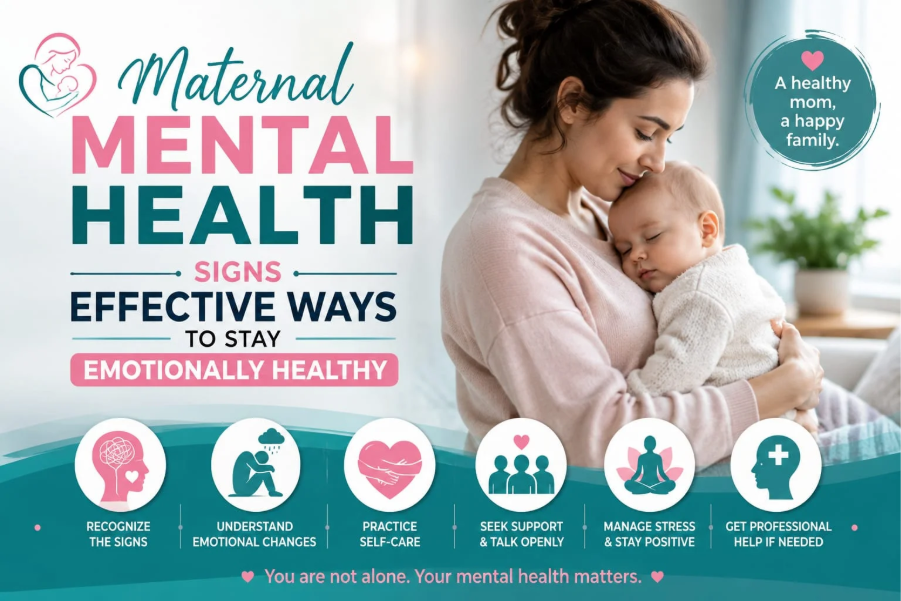
Have you ever wondered how much a woman’s life can change mentally during pregnancy and raising a new baby, or how deep the head of change can be?
During this time, along with physical changes, various changes occur in emotional, thinking and daily life. Along with joyful moments, there are some uncertainties or fluctuations in confidence during this time. All these things bring normal experiences for many. Fortunately, the majority of these changes are considered normal and expected. However, sometimes the level of these changes becomes too much, then special care or medical advice is required.
There are also many families in the world today who do not give any importance to the issue of mental health. As a result, many women in our society hesitate to express their feelings and hide their problems completely.
But if we can get the right information in time and create a compassionate attitude in the family or, if necessary, seek medical advice, we can maintain the physical and mental well-being of a mother. At the same time, special attention must be paid to the surrounding environment in the family for the normal and balanced development of a child.
What Is Maternal Mental Well-Being And Why Is It Important?
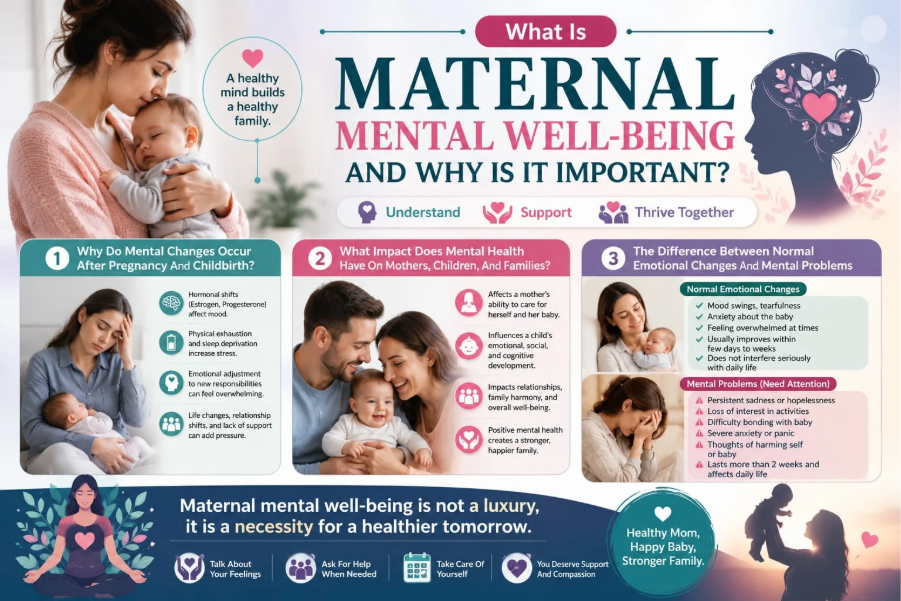
Maternal Mental Health is an important part of a mother’s mental, emotional and social well-being, which affects her from pregnancy to the postpartum period. During this phase, the body’s hormonal balance undergoes noticeable changes. As a result, the mental state often suffers from depression or hesitation due to physical fatigue and new responsibilities.
Recognizing these changes and preparing accordingly plays an important role in managing the situation. A mother’s good mental health ensures not only her own well-being but also the well-being of the unborn child. As a result, the child will have the opportunity to develop safely and enjoy a positive family environment.
Why Do Mental Changes Occur After Pregnancy And Childbirth?
A woman’s body goes through significant hormonal fluctuations during pregnancy and after childbirth, which may temporarily affect hormonal balance. Sometimes the amount of hormones like estrogen and progesterone increases very quickly, due to which the brain receives excessive emotional signals. Which has a special effect on emotional control.
In addition, pregnancy causes sleep deprivation and various physical fatigue. Also, the impact of mental stress increases due to the responsibility of caring for the newborn after the birth and thinking about the future of the newborn. Each person’s experience with this condition is different, but the changes usually resolve with time.
However, if these symptoms take a long-term form, then it will definitely be very useful to consult a health expert doctor.
What Impact Does Mental Health Have On Mothers, Children, And Families?
If Maternal Mental Health is healthy, the physical and mental state of the entire family, including the mother and child, is stronger. A child’s development, family relationships, and the quality of daily life will be much better than before.
- Improves maternal well-being: Helps control anxiety and stress.
- Has a positive impact on child development: Helps in secure bonding and emotional development.
- Creates a positive environment in the family: Increases mutual understanding and cooperation.
- Improves marital relationships: Communication and emotional support are strengthened.
- Makes daily care easier: Mother can take care of herself and the child with confidence.
The Difference Between Normal Emotional Changes And Mental Problems
By assessing Maternal Mental Health, we will understand that during this time, along with normal emotional changes, various types of mental problems arise. Therefore, we need to know the difference between physical and mental problems. Because persistent and severe symptoms are never considered normal.
- Normal changes: Temporary anxiety, moodiness, or fatigue; usually subsides within a few days or weeks.
- Psychological problems: Long-term depression, severe anxiety, or loss of interest; interferes with daily life.
- Normal changes: Improvement is seen with rest and family support.
- Psychological problems: Professional treatment, counseling, or other support may be needed.
Common Symptoms Of Pregnancy Mental Health Problems
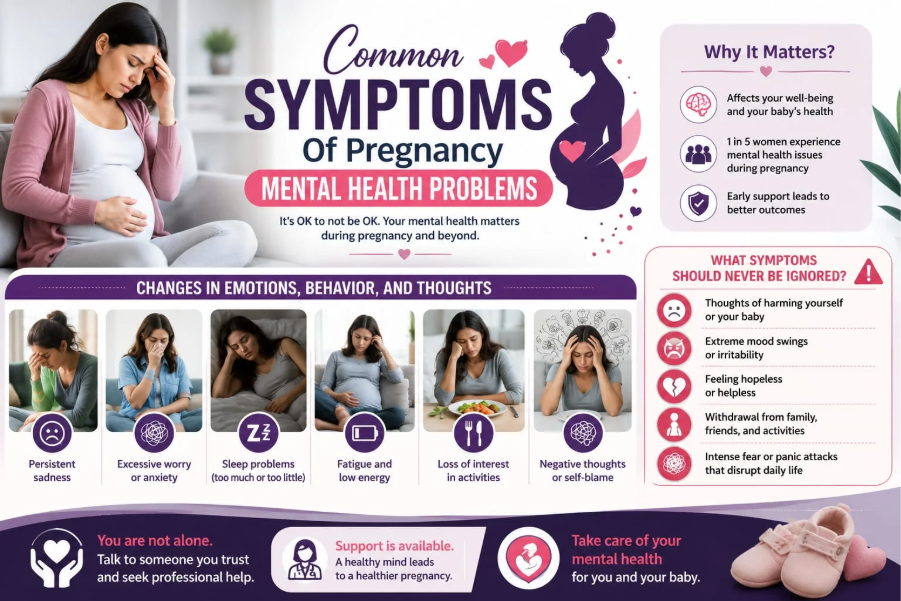
The usual symptoms of maternal mental health problems start with fatigue or emotional changes. However, common maternal problems start to manifest gradually, so many times we do not consider these changes seriously.
If some normal changes are temporary, it is not a serious matter. However, if persistent sadness, irritability or sleep problems, inability to concentrate on any task are constant, then our daily life can definitely be disrupted.
The above-mentioned things are considered some common symptoms of mental health problems. If you are affected by this problem, you should definitely consult a mental health specialist doctor.
Changes In Emotions, Behavior, And Thoughts
| Type Of Change | How Can It Be Revealed? |
| Emotional Changes | Feeling chronic sadness, excessive worry, unreasonable crying, irritability, or hopelessness. |
| Behavioral Changes | Avoiding family and friends, losing interest in previously preferred activities, and showing reluctance to take care of oneself or children. |
| Thought Change | Decreased attention, difficulty making decisions, excessive guilt, or feelings of inadequacy. |
| Change In Confidence | Fear of not being a good mother or recurring doubts about one’s own abilities. |
| Emergency Warning Signal | If you have thoughts of harming yourself or your child, severe depression, or feelings of detachment from reality, it is important to seek professional help quickly. |
What Symptoms Should Never Be Ignored?
We should never ignore some of the symptoms of mental and physical problems during pregnancy. If these symptoms persist for a long time or disrupt the simple life of daily life, it is definitely our duty to seek the advice of a good doctor.
- Deep sadness for more than two weeks: Feeling depressed or hopeless for a long time.
- Excessive anxiety or panic: Unreasonable fear, restlessness, or repeated panic attacks.
- Reluctance to care for yourself or your child: Loss of interest in carrying out daily responsibilities.
- Severe changes in sleep and appetite: Inability to sleep despite adequate opportunities or excessive sleep, appetite greatly reduced or increased.
- Feeling worthless or guilty: Repeatedly thinking of yourself as a failed mother or an unworthy person.
- Problems with concentration and decision-making: Difficulty maintaining concentration or making decisions even on simple tasks.
- Thoughts of harming yourself or your child: If such thoughts arise, this is a matter of emergency medical assistance and you should contact a hospital or specialist immediately.
The Main Causes And Risk Factors For Pregnancy Or Mental Health Problems
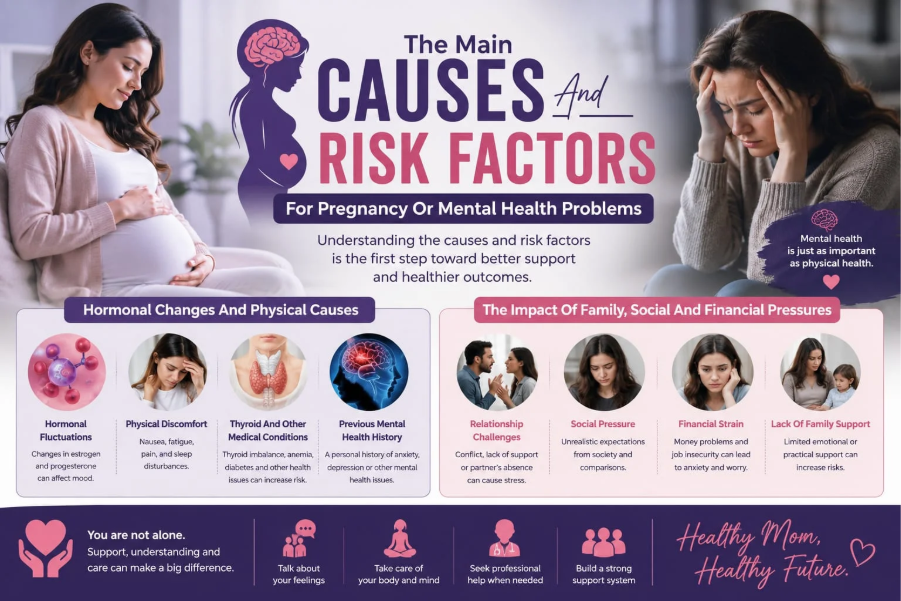
Maternal Mental Health can be affected by a variety of biological, psychological, and social factors. Pregnancy and childbirth are accompanied by hormonal changes and inadequate sleep. Both physical fatigue and financial stress in the family can play a significant role in increasing the risk of mental health problems.
However, not everyone who has these factors or symptoms will develop mental health problems. With timely awareness and family support, the risk of such symptoms can be avoided in many cases.
Discover more here: Infertility In Women
Hormonal Changes And Physical Causes
Throughout pregnancy and after childbirth, the body experiences dramatic hormonal changes. Physical stress, when combined with other challenges, can have a significant negative effect on mental health. Mental stress can increase manifold due to lack of adequate rest or due to pain and fatigue.
- Rapid hormonal changes: Fluctuations in estrogen and progesterone levels.
- Sleep deprivation: Not getting enough rest due to caring for a newborn.
- Physical fatigue: Postpartum weakness and chronic fatigue.
- Postpartum pain: Physical discomfort can increase stress.
- Anemia or nutritional deficiency: You may feel weak and tired.
The Impact Of Family, Social And Financial Pressures
Maternal Mental Health can be significantly affected by various family and social factors. Lack of support from family members and strained relationships have an adverse effect on maternal health during this time. Financial uncertainty has long been a cause of mental stress for people. Such problems can especially weaken a mother’s emotional health.
| Reason For The Impact | Possible Effects |
| Lack Of Family Support | Loneliness, stress, and fatigue may increase. |
| Marital Relationship Problems | Anxiety, depression, and self-confidence may decrease. |
| Financial Uncertainty | Anxiety and stress about the future may increase. |
| Social Isolation | Loneliness can be felt due to a lack of emotional support. |
| The Pressure Of Additional Responsibilities | Lack of rest and mental fatigue may occur. |
Effective Ways To Maintain Mental Well-Being During Motherhood

Maternal Mental Health There are several rules to follow to maintain well-being. Some of them are: Eat enough nutritious food and get regular rest, continue light physical activity and family support plays the most important role in avoiding mental health.
If there is a trusted person in your family with whom you can share all your emotions, then you will be able to stay stress-free. Along with this, you should follow small healthy habits which will increase your self-confidence.
This is what can create a positive environment for mother and child health.
The Importance Of Healthy Living And Regular Rest
Maintaining a healthy lifestyle and maintaining a balance between normal activities and regular rest can help maintain mental well-being during pregnancy. Light exercise and eating a balanced diet at regular intervals can reduce stress and increase a person’s ability to cope with daily challenges.
- Helps reduce stress.
- Improves sleep quality and reduces fatigue.
- Helps control emotions and maintain focus.
- Helps maintain body strength and immunity.
- Creates a positive environment for the overall well-being of mother and child.
The Role Of Family Cooperation And Emotional Support
With the cooperation and emotional support of each family member, a mother’s confidence increases during maternity and her ability to cope with daily stress increases. Compassionate behavior and open communication from partners and each family member reduce the loneliness of women during maternity and encourage them to deal with various difficult situations.
At the same time, various types of thoughts are reduced and emotional balance is maintained. It plays an important role in creating a safe and supportive family environment for a child’s development.
Common Misconceptions And Facts About Pregnancy Or Mental Health
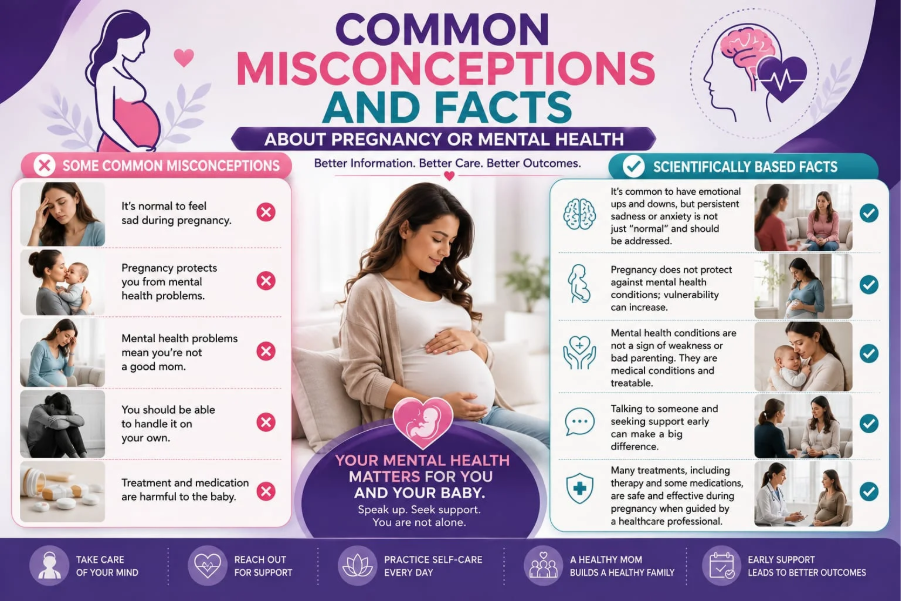
There are still many misconceptions about Maternal Mental Health in society, which discourages many mothers from seeking help in a timely manner. Many believe that mental distress after childbirth is normal and will resolve on its own.
In reality, while some emotional changes are normal, chronic anxiety, depression, or severe stress can be treatable problems. The right information, family support, and necessary treatment play an important role in restoring a mother’s well-being.
Some Common Misconceptions
- New mothers may experience both joyful and difficult emotions, and that is perfectly normal.
- “Only mentally weak women suffer from such problems.”
- “Sadness or anxiety after childbirth resolves on its own, no treatment is needed.”
- “If you are a good mother, you will never feel stressed or depressed.”
- “These problems only happen to first-time mothers.”
- “All mental problems go away if you talk to your family or rest.”
- “People will think badly of you if you go to a mental health specialist.”
- “If you take medicine or counseling, the mother will not be able to take care of the baby.”
Scientifically Based Facts
- Struggling with mental health during pregnancy is a health condition that requires support and care, not judgment about personal strength.
- Hormones, sleep deprivation, and stress after pregnancy and childbirth can all work together to affect mental health.
- Early identification and treatment are effective in controlling symptoms and restoring well-being in most cases.
- Many mothers can achieve better mental well-being by receiving counseling, having strong family support, and making healthy lifestyle changes.
Conclusion
Raising public awareness about Maternal Mental Health is an important part of ensuring maternal health protection. A mother’s mental well-being, from pregnancy to the postpartum period, is deeply related to the well-being of the unborn child and all family members. Therefore, chronic depression and mental stress during pregnancy should never be neglected.
At the same time, if the sympathy of all family members, as well as the support of life partners and the intake of nutritious food, can ensure a healthy lifestyle for women during pregnancy.
It is equally important to create an environment for open discussion about mental health by eliminating misconceptions prevalent in society.