Second trimester | Momvity

second trimester

Second Trimester – The Most Relaxing Time of Pregnancy

The second trimester or the middle three months of pregnancy is called the ‘golden period’. The unbearable nausea or constant sleepiness of the first three months decreases a lot during this time. During this time, pregnant mothers regain their vitality, which also keeps them mentally refreshed. Let’s see why this Second Trimester period is so special.

After overcoming the stress of the first three months, a different kind of peace comes to the body as soon as the Second Trimester begins. During this time, the hormonal fluctuations come under some control, and the mind and mood are also quite good. The most exciting thing is that during this time, the mother starts to feel the baby’s movement inside the stomach for the first time. The stomach gradually starts to grow, but it does not become very uncomfortable. The taste for nutritious food returns and expectant mothers can do their favorite activities with renewed enthusiasm. In a word, this is the most joyful time in the entire pregnancy.

What is the Second Trimester?

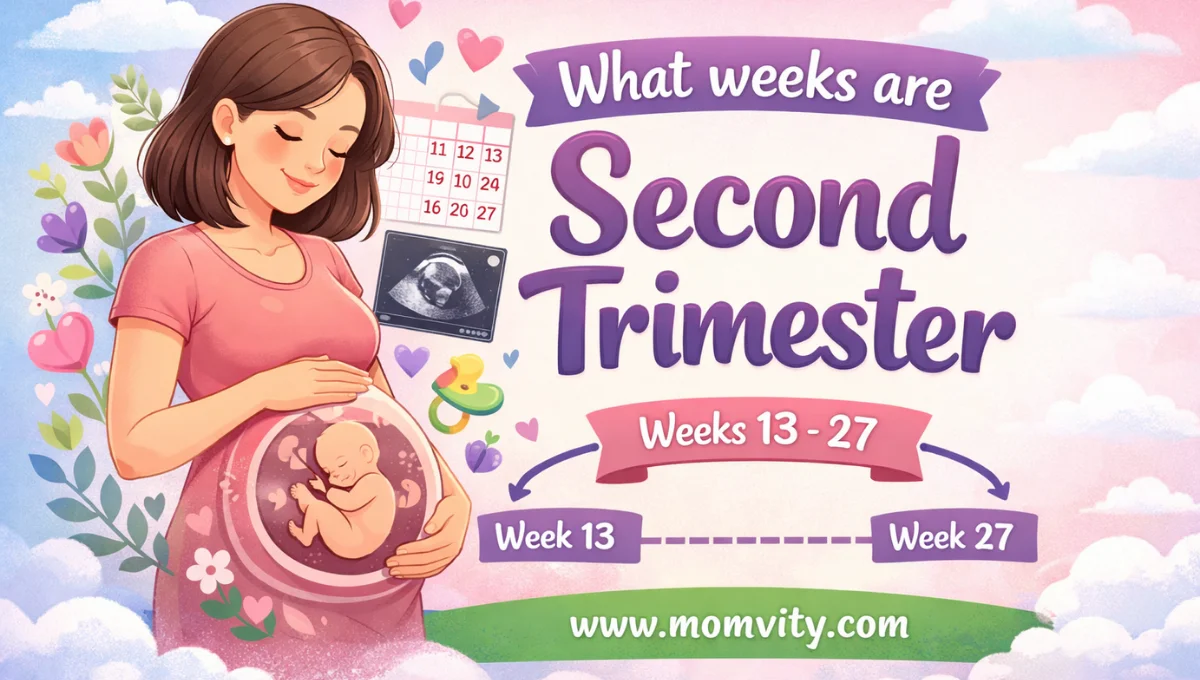
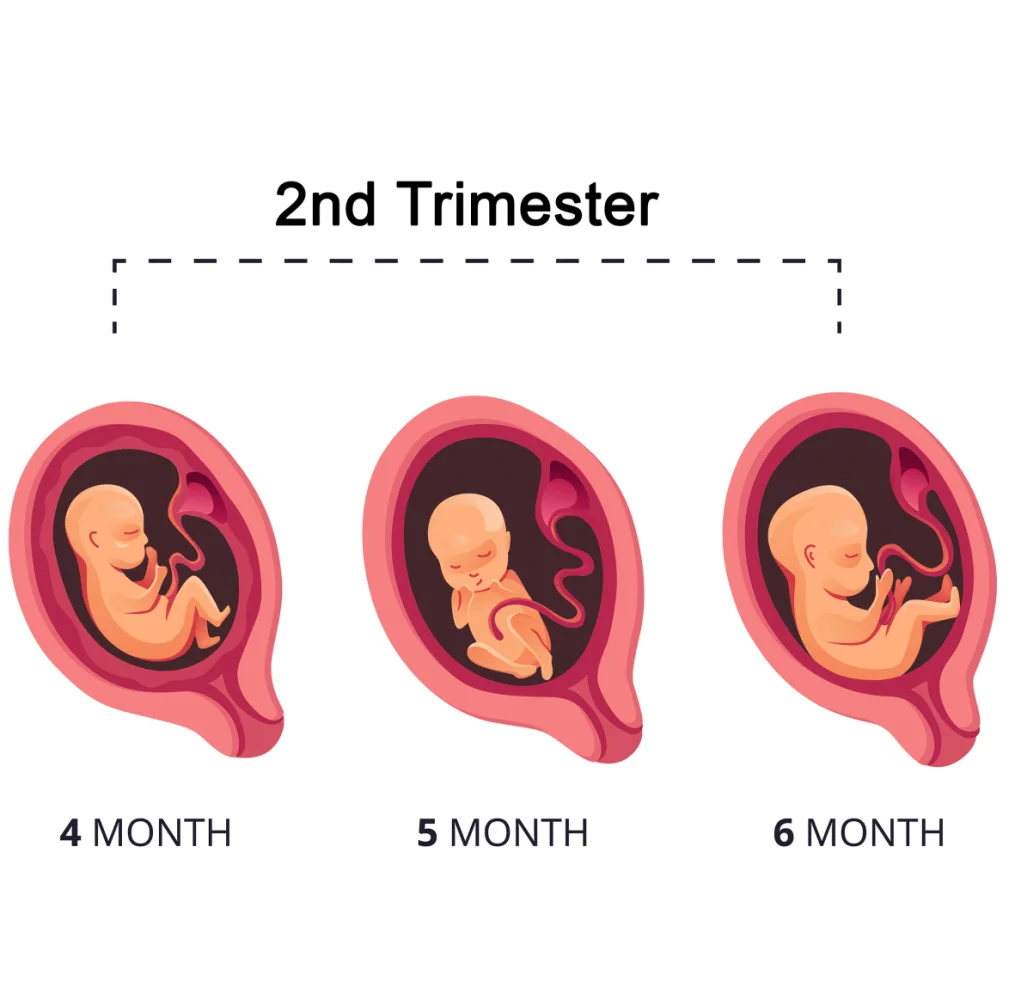
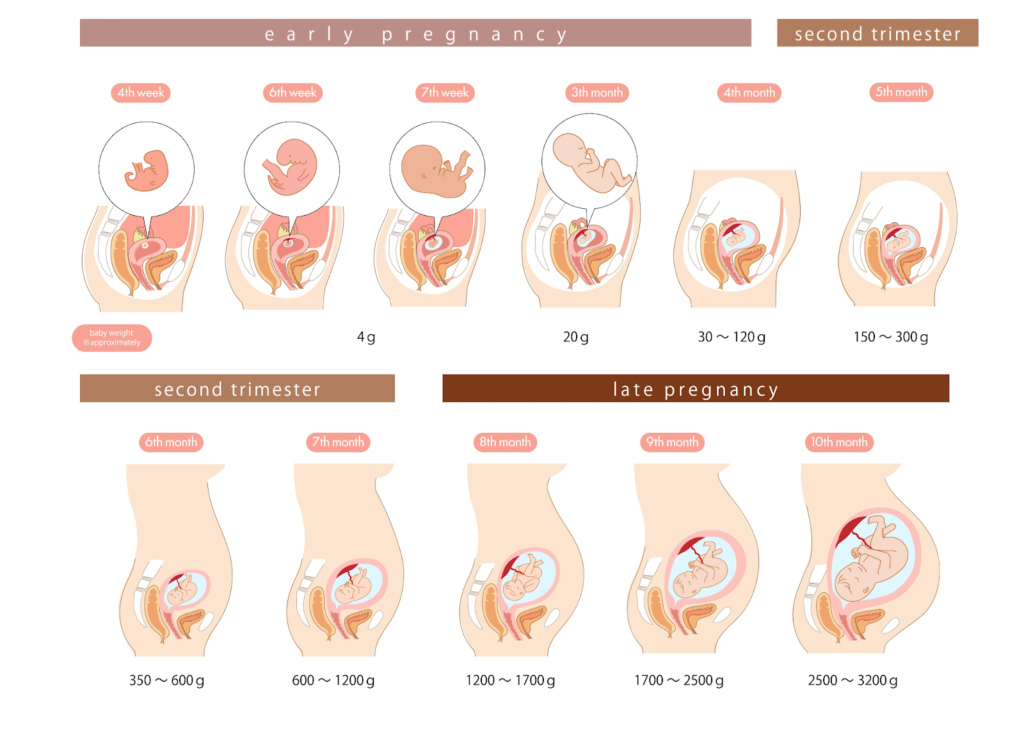
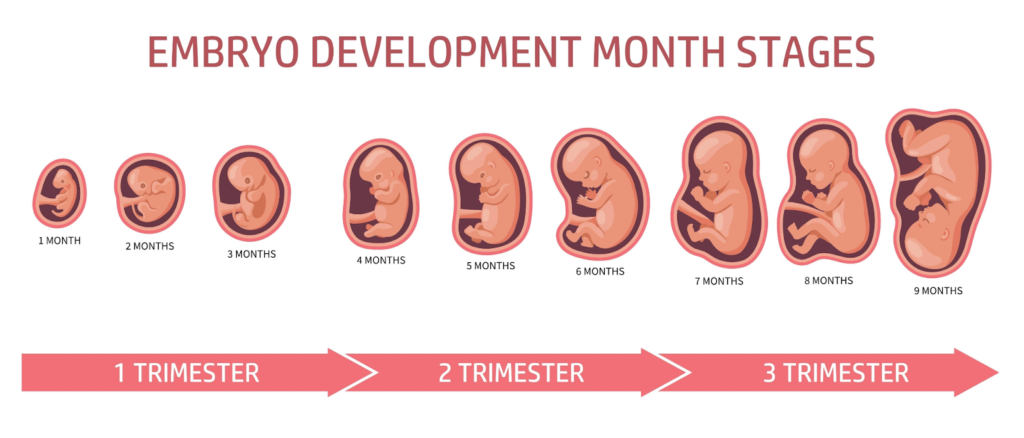
The Second Trimester begins when the pregnancy journey reaches four months. In simple terms, the period from 13 weeks to 26 weeks of pregnancy is called the second trimester. Many mothers call this period the ‘honeymoon period’, because after the initial bad days, the body is now set. During these three months, the important organs of the baby’s body start growing rapidly and the baby’s body fully develops. This is a time when the mother overcomes fear and discomfort and makes a great friend with the changes in her body.

Some of the main features of the Second Trimester:

  • Time frame: The fourth, fifth and sixth months of pregnancy—these three months together make up the Second Trimester.
  • Organ formation: During this time, the baby’s bones start to harden, fingerprints are formed and the baby can hear in its ears.
  • Energy recovery: The fatigue of the first three months goes away and the body regains new strength and enthusiasm for work.
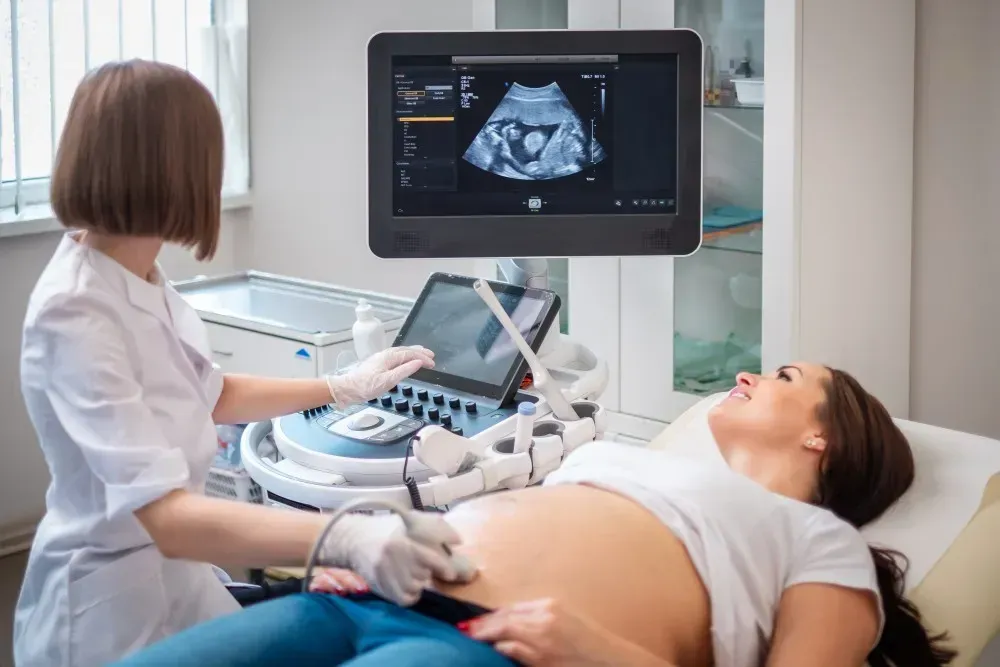
  • Ultrasonogram: Anomaly scans are done at this time, through which it can be confirmed whether the baby’s physical structure is normal or not.
  • Physical changes: Changes such as slight pain in the waist or abdominal tension due to the uterus growing are evident at this time.
  • Sleep pattern: Since the stomach is not too big, the mother gets the opportunity to sleep quite comfortably during this Second Trimester.

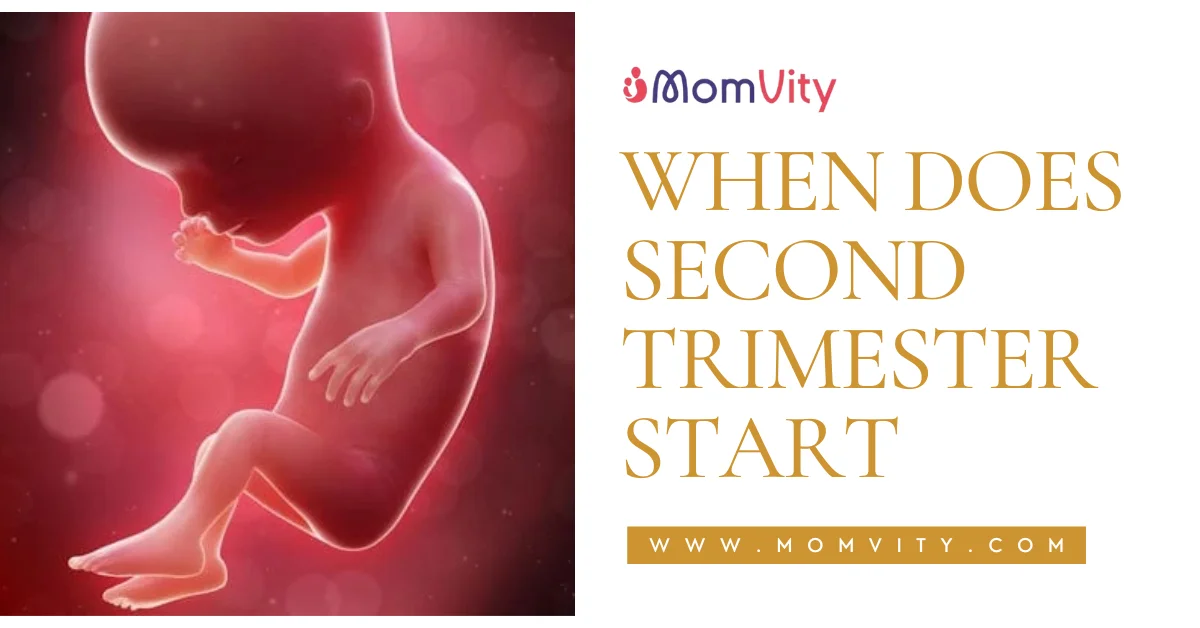
When does the Second Trimester start?

The Second Trimester begins after the difficult first three months of pregnancy. Usually, this second phase begins when your pregnancy completes 13 weeks and enters 14 weeks. Simply put, the time from the beginning of the fourth month to the end of the sixth month is the most comfortable period for you. At this time, most mothers’ initial fatigue and nausea disappear. The body’s hormones also stabilize, so the mind is also relaxed. When you stand in front of the mirror, you will see your ‘baby bump’ or small belly peeking out, which will remind you every moment that a new life is growing inside.

Second Trimester start time and some important information:

  • Weekly calculation: The Second Trimester officially starts from the 14th week of pregnancy and it lasts until the end of the 27th week.
  • Monthly calculation: The fourth, fifth and sixth months of pregnancy—these three months together are called the second trimester.
  • Signs of relief: As this period begins, your appetite will start to return and your body will feel much lighter than before.
  • Reduced risk: The risk of miscarriage is much lower during this period compared to the first trimester, which is a great relief for parents.
  • Physical changes: From this time on, your old tight clothes will start to become smaller and you will need to wear loose, comfortable clothes.
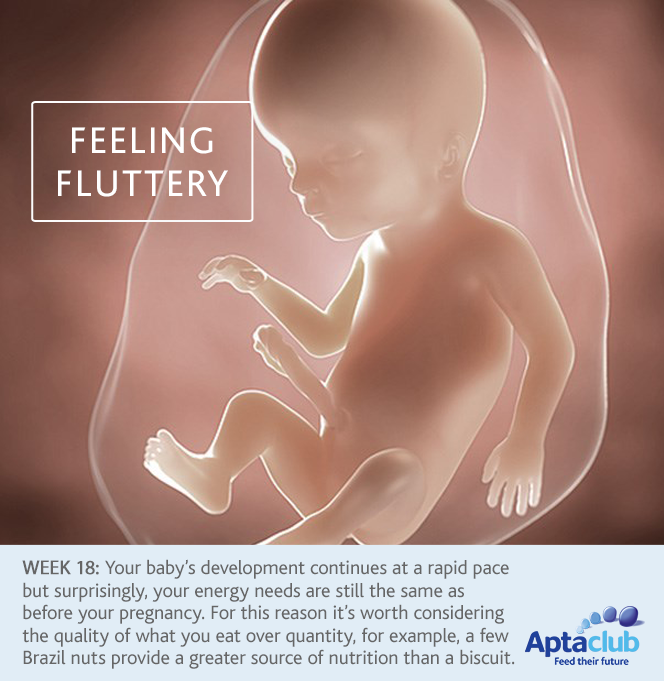
  • First feelings: Around the middle of this trimester (usually between 18-20 weeks), you will feel the first movements or gentle tapping of the baby.

Changes in the mother’s body in the second trimester

The most visible changes in the mother’s body begin to occur in this second stage of pregnancy or the Second Trimester. After overcoming the discomfort of the first three months, the body now gradually adapts to pregnancy. As your uterus or baby’s room starts to grow, the shape of the belly becomes clear and the waist starts to widen a bit. Many mothers notice that their hair has become thicker and shinier than before, and their nails are also growing faster. However, due to the growth of the uterus, your body’s center of gravity changes, which may result in some changes in walking. Although the body feels quite heavy at this time, you will feel much more refreshed mentally.

Changes in the body that you will notice during this time:

  • Baby bump: Your stomach will now hang forward a little or take a round shape, which will make it clear from the outside that you are going to be a mother.
  • Skin changes: Many people have stretch marks on their stomach or thighs. In addition, light spots may appear on the cheeks or forehead, which is called the ‘pregnancy mask’.
  • Gum problems: Due to the influence of hormones, the gums often become soft and may bleed while brushing.
  • Waist and back pain: The weight of the baby puts pressure on the spine, which can sometimes cause mild pain in the waist or back.
  • Swelling of the legs: Due to increased blood circulation and water retention in the body, the legs may swell slightly if you stand for a long time.
  • Breast changes: The size of the breasts increases and the breasts become heavier and more sensitive than before due to the preparation for milk production.

You need enough rest to cope with all these changes happening inside the body. When the uterus grows upwards during the second trimester, it puts a little pressure on the lungs, due to which you may feel like you are panting slightly while climbing stairs. Again, sleeping on your left side instead of lying straight while sleeping is the most comfortable for your and the baby’s blood circulation at this time. Remember, every change is part of preparing to bring your child into the world, so it’s wise to embrace these new changes with a smile.

Decreased nausea

Those who have gone through the first three months of pregnancy know how painful nausea can be. But the start of the second trimester means a great opportunity to get rid of this discomfort. It is called the time to say goodbye to ‘morning sickness’. In most expectant mothers, it is seen that by the time you reach the 14th or 15th week of pregnancy, the constant nausea or the strong smell of food completely subsides. You will suddenly wake up one morning and feel that your body feels much lighter and you are no longer vomiting like before. This change will bring a different peace to your mind, because you can taste your favorite foods again.

What happens after nausea subsides:

  • Appetite for food: The names of the foods that used to make you vomit until now, will make you eager to eat them in the second trimester.
  • Energy returns: As vomiting decreases, the body gets proper nutrition, as a result, your tiredness throughout the day disappears and your work capacity increases.
  • Digestive ability: Digestion becomes much easier for you than before as stomach discomfort decreases.
  • Peace of mind: Since you don’t have to worry about vomiting all the time, you regain your confidence when going out or interacting with people.
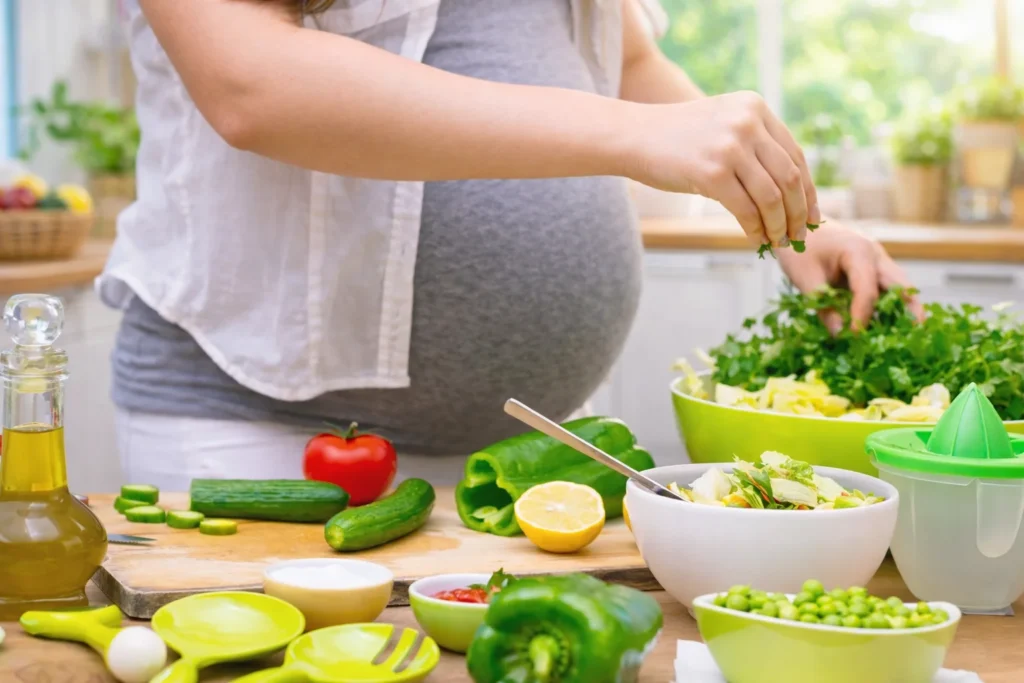
  • Nutritional deficiencies: Since you don’t vomit during this time, you can ensure the proper growth of your baby by eating nutritious food to your heart’s content.

The disappearance of nausea is a positive signal for your body that your hormones have now adjusted well to pregnancy. However, remember that not everyone’s body is the same. In some cases, there may be a little nausea at the beginning of the second trimester, but it is not as intense as in the first three months. During this time, you should forget about those miserable days of vomiting and drink more water and follow a healthy diet. No vomiting does not mean eating too many fried foods, but the real task now is to choose foods that are good for you and your baby.

Power begins to increase

The desire to lie down all the time or the feeling of giving up on your body during the first three months of pregnancy starts to disappear like magic in the Second Trimester. This is called the most ‘energetic’ period of pregnancy. When the hormonal fluctuations settle down a little, the body regains its vitality. You will feel that the tasks that used to take you like a mountain to do in the first trimester, you are now doing them quite effortlessly. Due to this extra energy, your mind is also quite alert, which helps you to organize your preparations for becoming a mother in advance.

Positive changes that come to your life due to the increase in energy during this time:

  • Relief from fatigue: That annoying feeling of falling asleep suddenly during the day or messing up your body reduces a lot in this Second Trimester.
  • Concentration on work: If you are an employee or do housework, you will see that you are now able to complete the tasks with much more concentration.
  • Desire for exercise: As the body’s inertia is reduced, there is an incentive to do light walking or pregnancy yoga during this time.
  • Sociability: As fatigue decreases, the mood is created to spend time with relatives or friends and go out for a walk.
  • Home preparation: This is the best time to do hard work like shopping for the baby or cleaning the house.

The main reason for this extra energy in the body is that your placenta or womb is now fully formed and it has shared the responsibility of taking care of the baby. By utilizing this Second Trimester period, you can increase your stamina further through nutritious food and light physical exercise. However, remember, do not lift anything heavy or put excessive pressure on your body just because you feel more energetic. Enjoy this leisurely time, listen to music, read books and prepare yourself with a cheerful mind for the days ahead.

Discover more here: Early detection pregnancy test

The stomach starts to grow.

When you reach the second trimester of pregnancy, when you stand in front of the mirror, you will see the biggest change in your body—your growing belly. Although no one outside may notice it much during the first three months, during this time the uterus starts to expand upwards and forwards. This is what we affectionately call the ‘baby bump’. As your belly grows, the existence of the little one inside you will now feel much more real. Your old clothes will now feel tight around the waist, reminding you that a new life is growing rapidly inside you.

Things you will notice as your belly grows:

  • Changes in clothing: From now on, you will need to wear loose or maternity clothes, so that there is no pressure on your belly.
  • Stretch marks: Due to the tightening of the skin, there may be mild itching on the belly and some white or pink spots or stretch marks may appear.
  • Changes in the navel: In many cases, the belly button may protrude outwards due to the growing belly, which is very normal during pregnancy.
  • Body Balance: The increasing size of your belly changes your body’s center of gravity, so it is important to be careful while walking.
  • Feeling heavy: Due to the growing belly, doing things like bending over or tying your shoelaces may seem a bit difficult towards the end of this Second Trimester.

However, a growing belly does not mean that your back or waist will hurt a lot. If you practice sitting and sleeping in the right position, you will be able to enjoy this change quite a bit. You can use a good quality moisturizer or coconut oil to reduce the itching caused by the tension in the belly skin during this time. A growing belly is not just a physical change, it is a symbol of your pride in motherhood. So welcome this beautiful time with joy and confidence.

Feeling baby move

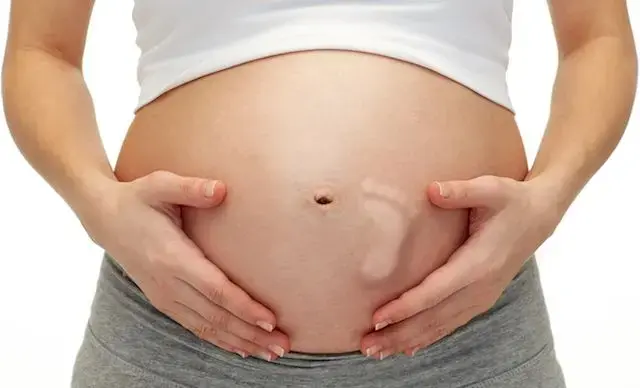
The most magical moment of the second trimester of pregnancy is when the mother feels the baby’s gentle movements inside the womb for the first time. This feeling usually begins between 18 and 24 weeks, which many call ‘quickening’. At first, it may feel very light, like butterflies flying or popping bubbles in the stomach, which takes a while for first-time mothers to understand. But as time passes, these movements become more pronounced and the mother realizes that her baby is moving its arms and legs or digging inside. This movement of the baby is not only a joy, but it is also a big sign of the baby’s well-being. This sweet feeling is felt the most when you sit or lie down quietly, which creates an invisible but deep bond of love between the mother and the baby.

Hands and feet forming

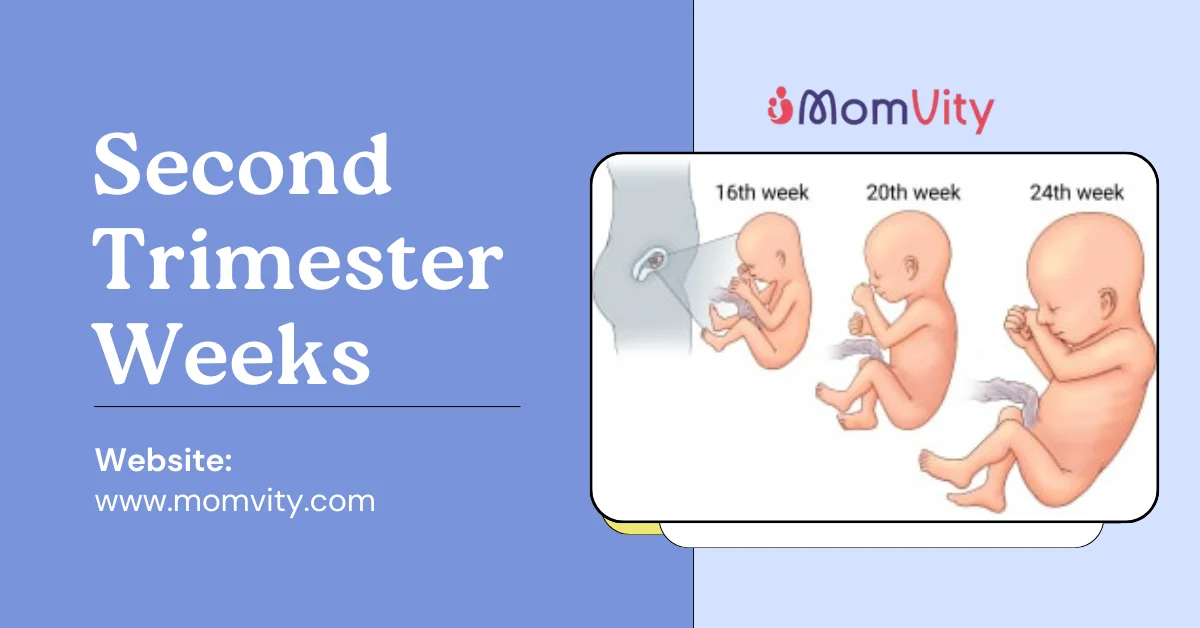
During the second trimester of pregnancy, the baby’s physical structure begins to develop at an incredible pace. In particular, the baby’s arms and legs are now much longer and stronger than before. It is at this time that the baby’s elbow and knee joints start working, which allows him to fold his arms and legs or kick inside the womb. What is more surprising is that at this time, the baby’s tiny fingers separate from each other and their own unique ‘fingerprints’ or fingerprints begin to form on the tips of their fingers. The baby’s feet and palms are now fully formed, and he can even touch his face with his hands or hold the umbilical cord tightly. The bones gradually harden during this time, which makes the baby more active, and you can feel these movements of his arms and legs as light taps from outside the womb.

Baby’s heartbeat can be heard

  • Clear heartbeat: The baby’s heartbeat becomes much stronger during this time.
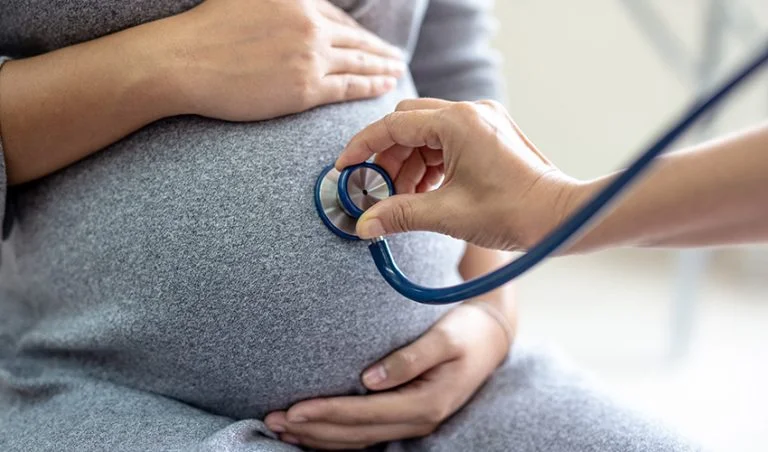
  • Doppler use:During regular checkups, doctors can use a ‘Doppler’ device to let you hear the baby’s heartbeat.
  • Bonding with mother: Hearing the baby’s heartbeat for the first time is one of the most emotional and memorable moments for parents.
  • Signs of health: A regular and rhythmic heartbeat proves that your baby is growing healthily inside.
  • Fast pace: Remember a baby’s heartbeat beats almost twice as fast as an adult’s.

What precautions should you take in the Second Trimester?

The second trimester of pregnancy is the most comfortable, but it is very important to follow some extra precautions during this time. Since your belly starts to grow and the amount of blood circulation in your body increases during this time, even a small carelessness can cause major discomfort. Feeling light during this time does not mean that you will do everything in a hurry like before. Rather, from now on, you will have to pay more attention to the balance of your body and the safety of your baby. If you are a little aware of everything, from proper eating habits to the way you walk, you will be able to pass this wonderful time without any complications.

Special precautions that you should take during this time:

  • Do not lift heavy objects: It is strictly forbidden to lift heavy buckets, furniture or heavy bags during this time, as it can put extra pressure on the uterus and back muscles.
  • Sleeping position: Always try to sleep on your left side; this allows the blood and nutrients to flow best to the baby.
  • Comfortable shoes: Avoid wearing heels completely, as your body’s center of gravity changes and you run the risk of falling; always wear flat and soft shoes.
  • Travel precautions: Avoid long journeys or bumpy roads. If you are going somewhere far, be sure to consult your doctor first.
  • Avoid standing for long periods of time: Standing for long periods of time can cause swelling of the feet or dizziness, so take breaks between work.
  • Caution in medication: Do not take common gastric or painkillers without consulting a doctor, because every medication can now affect your baby.

Finally, remember, your body will tell you when it is tired. Whenever you feel unwell or feel very tired, rest immediately. Although minor pain or tension is normal in the Second Trimester, if you notice anything like bleeding, severe abdominal pain or a sudden decrease in the baby’s movements, contact your doctor without delay. Regular health check-ups and staying cheerful are the best precautions at this time. Give yourself time and enjoy these beautiful days, because you are now going through a wonderful experience of motherhood.

Some common problems in the second trimester

Even though the body is quite settled during this middle period of pregnancy, it is not that there are no problems at all. Rather, as the belly grows, some new minor troubles arise for which you need to be mentally prepared. At this time, due to the enlargement of the uterus, you may feel a kind of tension around the stomach or waist, which can make you quite uncomfortable at times. Also, due to hormonal changes in the body, digestive problems or heartburn are also very common. Although these problems are not very serious, you should be careful so that they do not cause too much disruption in your daily life.

The problems that you may face during this time are:

  • Constipation or not clearing the stomach, which can make you uncomfortable throughout the day
  • Swelling and heaviness in the legs when standing or sitting for a long time
  • Sudden tension in the leg muscles during sleep at night and severe pain
  • Problems such as bleeding from the gums or softening of the gums due to hormones
  • Sudden dizziness or feeling very weak, which can be due to blood pressure
  • Ripening of the skin of the abdomen Itching all the time due to stretch marks

Since a new life is taking place inside your body, there is no choice but to accept these small changes. However, if you drink enough water regularly and include fibrous foods in your diet, you will get a lot of relief from stomach problems. And if you keep your legs a little elevated with a pillow under your legs while sleeping, swelling or pain in your legs will be reduced to a great extent. Remember that whenever your body gives you any signal, give yourself some time and do not worry at all because these problems come for a very short time and then go away with time.

When is it necessary to see a doctor?

Although the Second Trimester of pregnancy is usually very comfortable, if you suddenly experience some symptoms, you should consult a doctor without delay because a little awareness can prevent any major danger. Regular checkups cannot be stopped just because your body feels good. Rather, you should keep a close eye on every change in your body. Many times, we consider minor pain or discomfort to be normal and ignore it, which is not right at all. Therefore, it would be wise to contact your doctor immediately if the following symptoms appear.

  • Take immediate action if you see any symptoms.
  • Any type of bleeding or abnormal fluid discharge from the vagina.
  • Unbearable severe pain in the lower abdomen or waist that does not subside even after resting.
  • Suddenly decreasing or not being able to feel the baby’s movements at all.
  • Sudden swelling of the hands, feet or face accompanied by severe headache.
  • Feeling of body chills with repeated vomiting or fever.
  • Having blurred vision or problems like dizziness all the time.

Follow these precautions to keep your pregnancy as safe as possible. It is very important to walk. Don’t be afraid of any symptoms, but don’t neglect them either, because as a mother, your first responsibility is to ensure the safety of yourself and your baby. If you feel anything unusual, don’t hesitate to call the doctor or go to the hospital. Your right decision at the right time will make it easier for your unborn child to see the light of the world, so take care of yourself and always be vigilant.

General Questions and Answers about Second Trimester FAQ

What changes occur in the body during the second trimester of pregnancy?

Your uterus begins to enlarge during this time and your belly button becomes more prominent. This is commonly called the “baby bump.” Hormonal changes can cause dark patches (melasma) or a dark line (linea nigra) from the navel to the bottom of the uterus. Breasts also increase in size and in some cases, a light discharge may occur. The mother experiences a “pregnancy glow” as blood circulation increases, but this can also cause problems such as a stuffy nose or bleeding gums.

When will I feel my baby move?

Quickening

The baby’s movements are usually first felt between 16 and 24 weeks of pregnancy. At first, it feels like butterflies fluttering in your stomach or a light bubble rising. If you’ve been a mother before, you might feel it as early as 16 weeks, but if you’re a first-time mother, it may take around 20 weeks. These movements become more pronounced and regular after 24 weeks.

What tests are important to do at this time?

Anomaly Scan

This important ultrasound is done between 18 and 22 weeks. It checks whether every organ of the baby’s body is formed properly and whether there are any birth defects.

Glucose Screening

This test is done between 24 and 28 weeks to detect gestational diabetes. It ensures that your body is able to process sugar or glucose properly.

Regular Checkups

At each visit, the doctor will check your blood pressure, weight, and fundal height. In addition, blood and urine tests may be done as needed to check for anemia or other infections.

Common Problems and How to Deal With Them

Back and Back Pain

As the baby grows, the body’s center of gravity changes, which puts pressure on the back. Avoiding high heels, using pillows between your knees while sleeping, and bending over to avoid lifting heavy objects can help reduce this pain.

Leg cramps

The leg muscles may usually feel tight at night. Drinking enough water, eating foods rich in calcium and magnesium, and doing light stretching before bed are very beneficial.

Constipation and Gastric

As the digestive process slows down due to hormones, acidity and constipation may occur. Eat more fibrous foods (vegetables, fruits) and make it a habit to eat small, frequent meals rather than eating too much at once.

Conclusion 

During this stage, the baby’s organs and nervous system develop rapidly, which lays the foundation for his future health. For the mother, it is a time to adapt to physical changes, where proper rest and nutrition are essential. This 14 to 27 week experience is unique for every mother, taking her one step closer to the fullness of motherhood.

What to do next

During this period of pregnancy, you should create a specific birth plan and practice regular light exercise. It is also a good idea to finish shopping for baby essentials and packing the hospital bag at this time, as the body can become much heavier in the next three months.

  • Key tips for staying healthy
  • Eat enough calcium and iron-rich foods.
  • Make sure to drink at least 8-10 glasses of water every day.
  • Understand your body’s signals and get enough rest if you feel tired.
when does second trimester start

When Does Second Trimester Start?

After overcoming the stress of the first three months of pregnancy, your Second Trimester begins when you enter the fourteenth week. Simply put, doctors consider the period from the end of the thirteenth week to the end of the twenty-seventh week as the second trimester. During this time, the baby inside your body becomes the size of a lemon and starts growing rapidly. This brings a great message of relief for expectant mothers because from this time onwards, your body adapts completely to pregnancy and you feel much fresher and more vibrant than before.

As this middle period of pregnancy begins, your appetite returning and nausea decreasing will feel like a huge blessing. During this Second Trimester, you will be able to experience every moment of your motherhood very closely, which will prepare you mentally for the next stage. If you pay attention to proper nutrition and light exercise from the beginning, you will be able to spend this entire period very happily. So whenever thirteen weeks pass on your pregnancy calendar, give yourself a little extra congratulations because you have now entered the most golden period of pregnancy.

What does Second Trimester mean?

The second trimester of pregnancy is a wonderful time in the entire journey when both your body and mind find great peace. Simply put, the period from the thirteenth week of pregnancy to the twenty-seventh week is called this. During this time, the baby’s body structure is almost complete and he now starts gaining weight very quickly. The initial instability of your body decreases and a kind of stability comes that gives you a new joy of being a mother. During these three months, the little person inside you starts to make his presence known and you feel much stronger than before physically.

Key aspects of this period at a glance

  • The second trimester is formed by the middle three months of pregnancy, that is, the fourth, fifth and sixth months.
  • This is a stage where the main organs of the baby’s body such as the kidneys, liver and lungs start working.
  • As the hormones of the mother’s body come under control at this time, nausea and fatigue are largely eliminated.
  • It is during this time that the baby’s ears are fully formed, due to which he can hear you and outside sounds.
  • The uterus of your body is now The baby starts growing and the belly becomes clear, revealing your motherhood

This Second Trimester is said to be the safest and most comfortable time of the entire pregnancy because now the fear of miscarriage is reduced a lot and the mother can be much more active. During this time, you will start eating your favorite foods again and your skin will have a special glow that will impress everyone. This is the best time to enjoy the joy of the baby’s growth and these beautiful changes in your body, so do not neglect this time and spend every day with a smile because it will be one of the best memories of your life.

When Does Second Trimester Start General Schedule

When the pregnancy journey crosses the thirteenth week and reaches the fourteenth week, your Second Trimester officially begins. According to the general calendar, it lasts from the beginning of the fourth month of your pregnancy to the end of the sixth month. This time is considered by doctors to be the safest time of pregnancy because after overcoming the stress of the first three months, the body now finds a rhythm. When you enter this time, you will see that your nausea has decreased and you are getting a new taste for food again. This is a time when you can feel the existence of your upcoming child very deeply because from this initial time, every organ of the baby’s body starts to reach perfection.

Some information about the general schedule of this period

  • The period from thirteen weeks one day to twenty-seven weeks and six days is called the Second Trimester in terms of weeks.
  • These three months in terms of months include the fourth, fifth and sixth months of your pregnancy.
  • It is towards the beginning of this schedule that your baby’s fingerprints are formed and he starts to yawn.
  • Most mothers feel the first movements of the baby within fifteen to twenty weeks. Get a schedule
  • Around 20 weeks, it is usually time to have a major ultrasound, which is called an anomaly scan.

As soon as you start your second trimester, you will notice that your body’s energy level has increased much more than before. It is important for you to follow this schedule because every week the baby develops new things that you need to know. During this time, your placenta starts working fully, which provides nutrition to the baby. This period is not only a time of physical changes for you, but also a time of mental preparation. So, keeping this schedule in mind, you can arrange your regular checkups and diet plan so that the days ahead are easier and more beautiful.

When does the Second Trimester end?

As soon as you complete twenty-seven weeks of pregnancy, your Second Trimester or the second three months ends. In simple words, entering the twenty-eighth week means that you are entering the final stage of pregnancy, i.e. the third trimester. Passing this time means that the major organs of your unborn child’s body are now almost ready to function and he will now be busy gaining weight rapidly to see the light of the world. The time until the end of twenty-seven weeks is as much a time of peace for the mother as it is a milestone in the child’s development because at the end of this period the child can open his eyes and start responding to external light or sounds.

The end of your second trimester means that you are now at the very end of motherhood. During this time, your body weight also changes significantly because the baby is growing very quickly. After twenty-seven weeks, you should increase your body care and rest so that you can handle the next stresses. The end of the middle part of this beautiful journey means that your waiting period is almost over. So it is wise to finish the necessary shopping or home arrangements for the baby before this period ends because the body will become much heavier in the last three months.

Why the start of the second trimester is so important

The beginning of the second trimester of pregnancy brings a huge sense of relief to an expectant mother because at this time the risk of miscarriage decreases dramatically and the mother feels much more physically secure. After overcoming the hormonal fluctuations of the first three months, the body now reaches a stable state that creates an ideal environment for the proper growth of the baby. At this time, the important organs of the baby’s body such as the brain, heart and lungs begin to develop rapidly and the baby’s movements begin to form a spiritual bond with the mother. Therefore, the beginning of this stage means moving a long way towards a healthy and successful pregnancy that gives you new confidence and joy in your mind.

The main reasons for the importance of this period are given below.

  • The risk of miscarriage is reduced by about ninety-five percent compared to the first three months, which eliminates the mother’s mental anxiety.
  • The placenta or womb is now fully functional and ensures the necessary supply of oxygen and nutrients to the baby.
  • The baby’s hearing is developed, so he can respond to his mother’s voice and external sounds. Learns
  • The baby’s body parts become complete and his bones start to strengthen, which lays the foundation for further growth
  • As the mother’s nausea and fatigue subside, the mother can return to normal eating and activities
  • It is at this time that it is possible to know for sure whether the baby has any birth defects through anomaly scans

The beginning of this Second Trimester turns the tide of your entire pregnancy because now you not only take care of your body but also get the opportunity to talk to the baby and enjoy his movements. At this time, as your body’s strength returns, you can prepare yourself for the big preparations of the future, such as decorating the baby’s nursery or completing the necessary shopping. The importance of this stage is immense because it greatly increases the baby’s chances of survival and leads you towards a beautiful and easy delivery, so it should be your main responsibility to ensure proper checkups and nutritious food by giving importance to this time

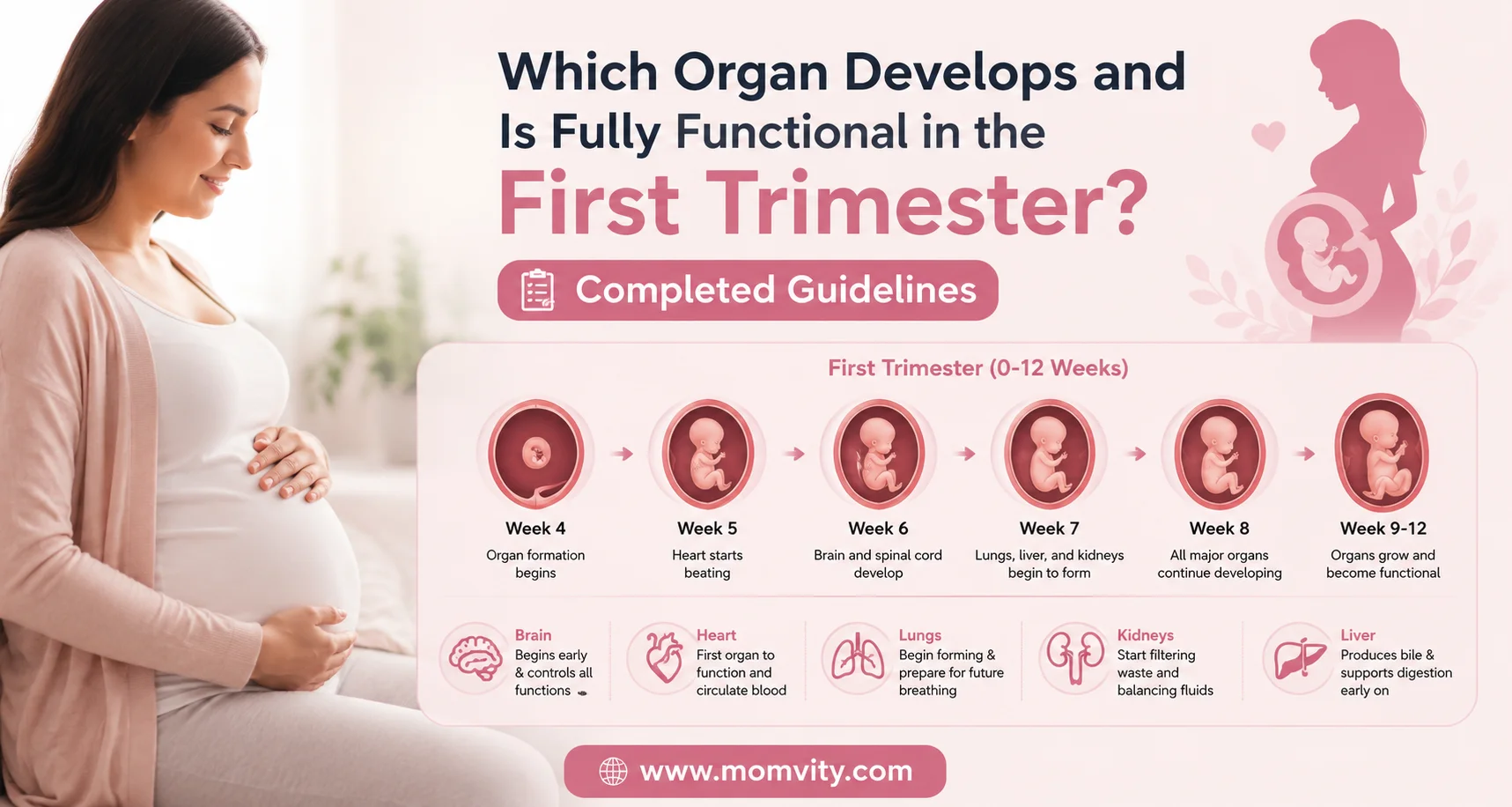
Signs of the end of the first trimester

The first three months of pregnancy or the first trimester means that your body is now entering the next phase through a major change. As this period ends, the initial hormonal instability starts to decrease and the body becomes much more stable. When you see that your unbearable nausea and severe aversion to food are gradually decreasing, you will understand that you are moving towards the second trimester. This is a time when you will feel much fresher and more active than before because the constant fatigue and sleepiness of the first phase are now gone, which gives you new energy to do your daily work.

Some common symptoms of the end of the first trimester

  • Nausea and discomfort with food odors decrease dramatically and the appetite starts to increase
  • As the uterus now rises above the pelvis, the pressure on the bladder decreases and the frequency of urination decreases
  • The initial intense sensitivity and pain of the breasts decreases a lot, but the size continues to increase
  • Your energy level returns to your body and you want to lie down all the time like in the first trimester No
  • Frequent mood swings are somewhat under control and you feel calmer than before
  • A slight bulge or baby bump begins to appear in the lower abdomen as the baby grows

These signs mean that your placenta is now fully formed and has taken over the responsibility of producing your pregnancy hormones, due to which your body feels much more comfortable. At this time, your skin and hair may have a special glow or pregnancy glow, which is one of the beautiful signs of the end of the first trimester. Passing this stage is a big milestone for you because now you can enjoy your pregnancy a lot more and new plans will be formed in your mind about the upcoming child, so accept these changes with a smile and prepare yourself for the next beautiful days

Decreased nausea

The unbearable nausea and bad food odors of the first three months of pregnancy start to subside nicely at this time, which is a huge relief for an expectant mother. The main reason for this change is that your body’s hormones have now adjusted to the pregnancy nicely and the placenta is now fully functional and taking on its responsibilities. You will suddenly notice that your lost taste is returning and you can now eat foods that used to make you uncomfortable. As the nausea subsides, your body’s supply of nutrients increases and you feel much more active and alert than before, which makes your whole day enjoyable.

Explore more here: early pregnancy symptoms

Increased interest in food

As the second stage of pregnancy begins, your aversion to food disappears and a new kind of interest or taste develops, which is a very positive sign for the health of you and your baby. At this time, as the body’s hormones stabilize and nausea decreases, you may feel much hungrier than before and you start to develop a kind of special attraction or craving for different types of food. This is basically a signal from your body because now the little person inside you is growing very fast and needs additional nutrients and calories to build his bones and muscles. Therefore, by taking advantage of this new interest in food, you can now easily consume nutritious foods rich in protein, calcium and iron, which will directly help in maintaining your body’s energy levels and the proper weight gain of the baby.

What changes occur in the body when the second trimester begins?

As you enter this second stage of pregnancy, your body will undergo some visible and internal changes that will remind you every moment that a new life is growing inside you. At this time, your uterus has now risen above your lower abdomen and your belly starts to grow clearly round, which even outsiders can see when they see you are pregnant. Due to hormonal changes, your skin may have a special glow or pregnancy glow. In many cases, a black line or linea nigra may appear in the middle of the abdomen. These changes not only change your external appearance but also increase the amount of blood circulation in your body, making you much fresher than before.

The main changes that occur in your body during this time are:

  • Due to the enlargement of the uterus, you may feel slight tension or pain in the waist and lower abdominal muscles at times.
  • The size of the breasts increases and the area around the nipples becomes much darker than before.
  • Body weight starts to increase rapidly because now the baby’s bones, muscles and fat have started to form.
  • Due to the increased blood circulation, your Gums may become much softer than before and may bleed occasionally
  • A blocked nose or light nosebleeds are also normal due to swelling of the membranes inside the nose
  • Mild itching or stretch marks may begin to appear on various parts of the body, especially the abdomen and thighs

Stomach slowly growing

During this period of pregnancy, your uterus now starts to rise above the pelvis, making your belly appear much more pronounced and rounder than before. This change is basically a manifestation of your baby’s rapid growth as he is now making more space for himself inside the belly. At first, your regular clothes may feel a little tight, but gradually your belly will grow to the point where everyone will be aware of your motherhood. As the uterus grows, the skin on your belly may feel a slight pull, which sometimes causes itching, but this growing belly makes you feel the presence of your baby at all times, which is a matter of utmost satisfaction for an expectant mother.

Weight gain begins

In this second stage of pregnancy, the process of gaining weight becomes much more regular and visible, which is one of the main indicators of the healthy development of the baby. Once you start eating normally after the nausea and aversion to food of the first three months have passed, your body weight starts to increase by about half a kilogram or a little more per week. This extra weight is not just your body fat, but it is the combined result of your growing uterus, amniotic fluid, placenta, and the formation of the baby’s bones and muscles. This process of weight gain prepares your body for delivery and helps provide the baby with the necessary nutrients. Therefore, instead of worrying about the weight gain during this time, you should accept this change positively by eating nutritious foods.

Hormone stability

In this second stage of pregnancy, your body’s hormones, especially estrogen and progesterone, reach a state of balance, which gives you a lot more peace of mind after the instability of the first three months. Due to this stability, your problems like frequent mood swings or crying for no reason start to decrease, and you regain a lot more control over your emotions. As a result of this positive hormonal change, your skin and hair appear to have a special glow, which makes this period of pregnancy the most beautiful and enjoyable for you. The return of this hormonal rhythm in the body is a big milestone for your and the baby’s well-being because it gradually prepares your body for the next big change.

What happens to the baby when the second trimester begins?

The beginning of the second trimester of pregnancy means that your little one is now going through a very rapid change that is truly amazing. During this time, every organ of the baby’s body not only grows in size but also begins to acquire the ability to perform specific functions. During these fourteen to twenty-seven weeks, the baby learns to move its arms and legs and gradually begins to respond to your words or the sounds of the outside world. When you are at this stage, your baby is not just a living being but now begins to take on the appearance of a full-fledged human being and a world of its own likes and dislikes is formed.

The main changes in the baby during this time are given below.

  • The baby’s bones now start to transform from soft cartilage to hard bone and the bone structure becomes strong.
  • The baby’s hearing develops, due to which he can hear the mother’s voice, the sound of the heartbeat and loud noises outside.
  • A kind of white waxy coating or vernix is ​​formed on the baby’s skin, which protects him in liquid water.
  • The baby’s fingernails are fine Starts to grow and develops its own unique fingerprint
  • It is at this stage that the baby regularly starts swallowing amniotic fluid which helps in the development of its digestive system and lungs
  • The baby’s eyelids and eyebrows are formed and it is now sensitive to light and can move its eyes

This amazing growth of the baby creates a new life inside your body which you can feel through occasional light tapping or movement. In this Second Trimester, the baby’s brain develops very quickly and it can now do things like sucking its thumb or yawning effortlessly. To ensure this healthy growth of the baby, you need to eat plenty of calcium and iron rich foods now because now its bone and blood production is in full swing. Every movement of the baby and this invisible bond with you will make this period of pregnancy the most memorable chapter of your life.

Does everyone enter the Second Trimester at the same time?

Although the time to enter the second trimester of pregnancy is theoretically the same for everyone, it may seem a little different depending on each mother’s physical experience and the method of calculating pregnancy. According to the general rules of medicine, everyone enters this stage after the end of thirteen weeks, that is, from the first day of the fourteenth week. However, this time may vary by a few days based on the date of your last menstrual period or ultrasound report. Depending on how quickly your body is adapting to pregnancy or how long the symptoms of the first trimester have been decreasing, the time to experience this trimester may seem different to each person. Therefore, the changes in your body, rather than the time of day, are the real signs of entering this new stage.

Although everyone reaches the fourteenth week at the same time according to the calendar, this experience can be unique depending on your physical sensations. Some mothers may feel a huge surge of vitality as early as the fourteenth week, while for others it may take another week or two for this relief to come. There is nothing to worry about because of this difference because every woman and every pregnancy progresses at its own pace. The important thing is to maintain your regular checkups and take care of yourself according to how the doctor calculates the gestational age of your pregnancy, because this period is a major milestone for the safety of you and your baby.

When is it important to tell the doctor?

Although you are usually in a good mood during this second stage of pregnancy, you should not ignore some physical symptoms if they appear at all. Because it is easier to avoid major dangers if you can quickly identify any small problem during pregnancy. Although this time is considered safe, if your body gives any unusual signals, it is most important to consult a doctor immediately for your and your baby’s safety. Many times, we think of simple pain or discomfort as something that can cause complications later. Therefore, it is wisest to contact your gynecologist without hesitation as soon as the following symptoms appear.

Seek medical advice immediately if you experience any of the following symptoms:

  • Sudden vaginal bleeding or a large amount of watery fluid is released
  • Continuous severe pain in the lower abdomen or frequent contractions in the uterus that do not subside even after resting
  • The baby’s movements that you used to feel regularly suddenly decrease a lot or do not occur at all for a few hours
  • Sudden severe dizziness, blurred vision, or a severe headache all the time, which can be a sign of high blood pressure
  • Hands and feet Or abnormal swelling of the face and also decreased urine output or burning sensation in urination
  • High fever with severe body shaking or repeated vomiting which increases the risk of dehydration and infection

It is very important to follow these precautions to keep your pregnancy as risk-free as possible. Do not panic when you see any symptoms, take action with a calm mind and always keep your doctor’s contact number handy. Remember that as a mother, your awareness is the biggest guarantee of your baby’s healthy birth, so whenever your body indicates something unusual, do not minimize it and seek expert opinion. Your little extra caution will give you a beautiful and successful motherhood.

Conclusion 

The second trimester of pregnancy is the most joyful and relaxing chapter in the life of every expectant mother, where you begin to feel a spiritual bond with your unborn child. During this time, you can overcome minor body problems and prepare for the days ahead with renewed enthusiasm. The rapid growth of your baby gives you a feeling of unearthly happiness every moment. Remember, the key to a healthy pregnancy is proper nutrition, adequate rest, and a positive mindset. So, accept every change in your body with a smile and enjoy this golden time by following the doctor’s advice regularly, because your awareness and care will build a beautiful and healthy future for your child.

Popular Posts

Latest Posts

pregnancy food guidelines

A huge guide to pregnancy food guidelines and the nectar of food on the way to the arrival of Sonamani

Don’t be afraid of pregnancy food guidelines or the right rules of eating during pregnancy, mother. In this new light of 20 Rome 2026, a detailed guide to which foods are nectar and which are poison for the good health of you and your baby.

pregnancy food guidelines

Listen, my dear mothers, that long nine-month journey of pregnancy has been like a worship. A miraculous miracle is now taking shape inside your body. A small soul, a piece of your liver, Sonamani is now building its own body from your bones, flesh and blood. This is a cosmic process, here your main tool is your eating plate. Whatever you put in your mouth, Sonamani will get exactly that nutrition. This is why it is so important to know about pregnancy food guidelines in our time. In the past, the mothers of Geram did not let them eat whatever they got, they would selectively feed them the good things. On this bright day of 20 Rome 2026, you will have to be a brave and fighting mother. If you do not know which food will build your baby’s brain and which will harm it, then your nine months of suffering may go in vain. Remember, mother, pregnancy does not mean eating food for two, but eating food with double the nutrition. Whatever you eat should be a blessing to every cell of your baby’s body. If you go, then with the touch of Geramya Maya, you will help your baby to step into this position with a smile.

The first step of pregnancy and the main basis of pregnancy food guidelines

Go understood, after receiving the news of Bean, a tide of joy started flowing in my heart. But amidst this joy, you will have to strengthen your food rules. Many people say, “Mother, eat more and more,” but I say, pay attention to quality rather than quantity. This is the first lesson of pregnancy food guidelines. Your food should have a beautiful combination of protein, calcium, iron and vitamins.

Folic acid and the formation of the baby’s nerves

Mothers, in the first three months of pregnancy, folic acid works like magic for the development of the baby’s bones and nerves. Green vegetables, pulses and citrus fruits are rich in it. If you eat a bowl of greens and pulses every day, the fear of your baby having birth defects will completely disappear. This is a very important part of pregnancy food guidelines. Are you putting green vegetables in your diet today, mother?

Iron power and elimination of anemia

Your body has a lot of blood during pregnancy. As your baby grows, your blood will become weak. There is no comparison between raw vegetables, liver, eggs and red meat to increase this blood. According to pregnancy food guidelines, you should include something rich in iron in your daily diet. If your blood is low, your body will become weak and you will not get energy during pregnancy.

The friendship of vitamin C and iron

Let me tell you a secret, mom, if you eat a little lemon juice or vitamin C fruits with iron-rich foods, the body can absorb that iron very quickly. These small tricks are the real beauty of pregnancy food guidelines.

Calcium reserves and protection of mother’s bones

When the baby grows inside the womb, it draws all the calcium from your body to build its bones. If you do not eat calcium properly, your teeth will become brittle and there will be permanent pain in your waist. This is why milk and dairy products are very important in pregnancy food guidelines.

The glory of milk, curd and cheese

Try to drink at least one glass of pure milk every day. If milk smells bad, then eat curd or cheese. Calcium will strengthen your baby’s bones and teeth and make your body like beans. These foods are absolutely royal ingredients in the list of pregnancy food guidelines.

Chew small fish and bones

Small fish of the sea like Mala, Dhela or Kachaki fish increase the brightness of your eyes and strengthen your bones. Chewing these fish with bones provides a lot of calcium. There is no alternative to fresh small fish from the market to ensure pregnancy food guidelines, mother.

The magic of protein or meat and the structure of the baby’s body

Every organ, muscle and liver of the baby is made of protein. If you eat less protein, the baby will be born very weak and limp. In pregnancy food guidelines, protein is called the foundation of life.

The need for eggs and chicken meat

Eggs are the cheapest and best protein in the world. At least one well-cooked egg a day is like nectar for you and the baby. Chicken or mutton also increases the strength of the body. However, keep in mind, mothers, that the meat should be cooked thoroughly. Raw or semi-cooked meat is strictly prohibited in pregnancy food guidelines.

Nutrition of pulses and grains

Those who eat less fish and meat should eat more pulses, chickpeas and nuts. Pulses are a unique food to meet the lack of protein. The more diverse food you eat, the more nutritious your baby will taste. This is the real lesson of pregnancy food guidelines.

Importance of water and liquid food

Mothers, do you know that your baby is surrounded by a clear bag of water? To maintain this water or amniotic fluid, you will have to drink a lot of water. In pregnancy food guidelines, lack of water is considered the biggest danger.

Relationship between constipation and water

Constipation or stomach cramps are very common during pregnancy. To avoid this problem, it is important to eat at least 10-12 glasses of water and fibrous foods (such as yam husk or fruit) a day. The more water you drink, the more toxins your body will get rid of. This is a silent medicine of pregnancy food guidelines.

Coconut water and fruit juice

Instead of drinking colorful juices from the market, drink coconut water or fresh fruit juice made at home. This will relieve the body’s fatigue and keep the mind alert. To ensure pregnancy food guidelines, mothers completely avoid dirty drinks from outside.

Keeping a clear mind and having affection for food

Mothers, eat whatever you eat with a happy heart. If you eat when you are bored or forcefully, the food does not taste good to your body. You create a strange affection for food. When you sit down to eat, talk to your child in your mind “Look, Dad/Mom, what a beautiful meal I have brought for you.”

Eat little by little and often

During pregnancy, eating too much at once can cause heartburn or vomiting. One of the best rules of pregnancy food guidelines is to eat little by little every two hours. This also makes the body feel light and the flow of nutrients to the child is also continuous.

Tips to avoid adulteration in the market

These days, vegetables contain a lot of poison. Soak them in salt water for at least half an hour before cooking. This awareness has become a modern part of pregnancy food guidelines. The responsibility of protecting your precious baby lies solely with you.

Ideal daily food list for pregnancy

Food CategoryExamplesWhy You Should Eat This
Main CarbohydratesRed/Brown rice, Whole wheat roti (Atar ruti).To provide a continuous supply of energy.
ProteinEggs, Chicken, Fish, Lentils (Dal).To build the baby’s body structure and muscles.
CalciumMilk, Yogurt (Doi), Cheese (Ponir), Small fish.To strengthen both mother’s and baby’s bones.
Vitamins & FiberLeafy greens, Colorful vegetables, Fruits.To increase blood count and prevent constipation.
Fluids / LiquidsPure water, Coconut water, Soup.To keep the body refreshed and maintain amniotic fluid.

Poisoning of forbidden foods and strict rules of pregnancy food guidelines

Listen, mom, during pregnancy, the mind often becomes confused. The taste of salty or sour foods makes the tongue water, and it is at this opportunity that we put something wrong in our mouth. But mother, nature is now keeping your body in a very sensitive state. There are some foods that are good during normal times, but they are absolutely poisonous during pregnancy. Recognizing these forbidden foods is the biggest test of pregnancy food guidelines.

Hidden dangers of raw papaya and pineapple

The elders of Geram do not mix, mom do not touch raw papaya and pineapple in the early stages of pregnancy. The skin of raw papaya contains latex which can cause uterine contractions and premature abortion or bleeding. Similarly, the bromelain present in pineapple softens the cervix. These two fruits are the forbidden foods written in red ink in the pregnancy food guidelines. Are you not giving these to your mouth by mistake, mother?

Death trap of raw and semi-cooked food

Many people like to eat semi-cooked eggs (poached) or semi-cooked meat. But mother, this semi-cooked food is the home of all the strange germs called ‘Salmonella’ or ‘Listeria’. These germs can reach the baby through your blood and veins and damage his heart and brain. For this reason, the pregnancy food guidelines have strict instructions – whatever you eat should be steaming hot and well-cooked.

Precautions while cooking fish

Do not eat fish if there is blood near the bones while cooking it. The fish will be hard and run away. Even raw fish, if not washed properly and cooked in a tight net, will be against the pregnancy food guidelines.

Mercury poisoning in sea fish and be vigilant

Fish is our main food, but not all sea fish are as good as your goldfish. Some large sea fish contain a type of poison called ‘methyl mercury’. This poison can completely destroy the development of the baby’s growing nervous system. This is why there is a special guideline for selecting sea fish in the pregnancy food guidelines.

Which fish should you avoid and why?

Large sea fish such as shark, swordfish, and king mackerel should be avoided completely. These fish take in a lot of ocean dirt and chemicals. Modern doctors in 2026 say that eating these fish is the same as eating poison. These are the harmful aspects of pregnancy food guidelines.

Praise for small fish and river fish

Instead, you can eat small sea fish (shrimp, salmon, rupchanda) or our native river fish. Omega-3 fatty acids help in the development of the baby’s brain, which is abundant in small fish. There is no alternative to fresh live fish to ensure pregnancy food guidelines, mother.

Open food on the roadside and toxic dust

Mothers, who doesn’t get mouth watering when you see fuchka, chatpati or roadside pickles during pregnancy! But those open foods contain thousands of flies and toxic dust on the road. Your liver is very delicate during pregnancy, so those foods can directly go against the pregnancy food guidelines and push you towards jaundice or typhoid.

Dangers of open syrup and rotten ice

The ice used in roadside sugarcane juice or lemon juice is often made with drain or dirty water. These syrups are strictly prohibited drinks in the pregnancy food guidelines. If you get thirsty, always keep boiled water with you at home. Coconut water is a real friend at this time.

The abundance of packaged foods and chemicals in the market

Colorful chips, noodles or packaged foods contain a large amount of preservatives or tasting salts. These chemicals directly attack the baby’s hormones. For this reason, the pregnancy food guidelines have asked to completely avoid processed foods or packaged foods. Fresh food prepared at home is the best gift for your precious baby.

Explore more here: what foods affect breast milk

The bad effects of tea, coffee and alcoholic beverages

Mothers, many have the bad habit of drinking tea or coffee all day long. But tea and coffee contain caffeine, which increases your baby’s heart rate and prevents the baby from gaining weight. This excess caffeine intake is against the pregnancy food guidelines.

Caffeine and sleep disturbance

It is better not to drink more than one cup of tea or coffee a day. Excess caffeine will disrupt your sleep and increase the baby’s restlessness. The more peacefully you sleep, the better your baby will be. Remember, mothers, anything intoxicating (such as drugs, tobacco or alcohol) can cause harm to your baby. These are the biggest warnings of the pregnancy food guidelines.

The deadly bite of salt and white sugar

We often eat a lot of salt in cooking or love sweet foods. But excess salt during pregnancy will increase your blood pressure, which can cause your feet to swell (pre-eclampsia). This excess salty food is also a silent enemy of pregnancy food guidelines.

Jaggery or honey instead of sugar

Eating too much sugar or sweets increases the risk of developing diabetes during pregnancy. If you want to eat sweets instead, eat jaggery or pure honey in moderation. Colorful sweets or cakes and biscuits bought in the market are completely excluded from the list of pregnancy food guidelines.

Stale food and bacteria in the refrigerator

Understood mom, many of us cook a lot at once, store them in the refrigerator and eat them again and again. But during pregnancy, a strange bacteria called ‘Losteria’ grows very quickly in this stale food. This is why stale food is avoided in pregnancy food guidelines it has been said.

The correct rule for heating food

If you have to eat food from the refrigerator, then eat it immediately by heating it up. Warm food is absolutely poisonous. For the health of your precious child, try to eat fresh food, mother. There is no alternative to fresh food to keep the body fresh.

The day of delivery is approaching and the final preparations for pregnancy food guidelines

Go mother, understand that the last three months of pregnancy (third trimester) are the most important time. During this time, the baby’s bones become strong and its skin color and skin are formed. There is a lot of pressure on your body now, so your eating habits will have to be completely adapted. At this time, the main goal of pregnancy food guidelines is to give you physical strength like a bean and keep the baby’s weight right. If you slack on nutrition now, your body will respond during the bean. In this new light of 20 Rome 2026, you will have to be a completely alert mother.

Ways to overcome heartburn and digestive problems

In the end, due to the growth of the baby, there is pressure on the stomach or stomach, so even if you eat a little, the stomach becomes bloated and the chest burns. To avoid this problem, the pregnancy food guidelines have a magical rule – do not eat all at once, but eat small meals 5-6 times throughout the day. Mothers should completely avoid fried foods and extra spices. Go to bed at least two hours after eating at night, so that the food has time to digest.

Glory to constipation and fibrous foods

Mothers, towards the end, stomach cramps or constipation are very common due to taking iron pills or due to the pressure of the baby. To avoid this problem, eat more red flour bread, lentils, and fruits with peels. According to the pregnancy food guidelines, it is absolutely necessary to have vegetables like isabgul husk or patal, jhing in your daily diet. If the stomach is clean, the mind also feels good and the pain during menstruation is less.

 Post-baby recovery and food quality

After having a baby, your body goes through a lot of changes. At that time, there is no alternative to food to bring your body back to its previous state and to reduce the flow of breast milk. The rules of pregnancy food guidelines must be followed even after birth so that both you and your baby stay healthy.

The magic of black cumin and garlic to increase breast milk

The mothers of Geram give hot rice with black cumin and garlic to the mothers of Biyani. This is a natural remedy. Black cumin and garlic increase the production of milk in your body and help the uterine wound to dry up quickly. These foods should be an integral part of your pregnancy food guidelines. The more liquid and nutritious food you eat, the more satisfied your baby will be.

The power of ghee and sesame oil

After delivery, the joints of the body become loose. Pure ghee and sesame oil help restore the internal strength of your body. But remember, everything in moderation, mother. Excessive oily food will make you gain weight, which will be difficult to reduce later. Pregnancy food guidelines means being healthy, not just getting fat.

Peace of mind and the sacred bond of food

Mother, do you know when you happily feed a child rice, your baby gets that feeling of happiness in your stomach? If you eat it with fear, worry or crying, then that food acts like poison. The biggest lesson of pregnancy food guidelines is food is a sacred blessing.

Tips for overcoming food aversion

Many people vomit at the smell of food during pregnancy. To overcome this, you can add a little lemon juice or grated ginger to food. Keep your mind calm. Talk to your child, tell him how much you are struggling for him to eat good food. This strength of mind, this is what will give you courage during that difficult labor pain.

Responsibility and affection of family members

At this time, it is the responsibility of the men of the house and the mothers-in-law to take care of and cook the favorite foods of the pregnant mothers. By giving food to the feet with affection, the mother’s taste increases. pregnancy food guidelines is not only the responsibility of the mother alone, this is a joint fight of the entire family.

Conclusion

This long journey of motherhood is an epic of infinite patience and sacrifice. We saw in our detailed conversation that pregnancy food guidelines is not just a list of food, but it is the foundation of your child’s life. Eating nutritious food at the right time, avoiding harmful foods and mental peace – by combining these three things, your precious one will come into the world like a piece of the moon. 20 Rome On this new day of 2026, make yourself a successful mother. Fresh nutritious food, proper rest and trust in Allah will make you recover quickly. May your precious child come to your lap with a sharp intellect and a healthy body, this is my prayer, mother. Take care of yourself, because a beautiful future depends on your health.

FAQ (10 important questions and answers)

1. Which is the most beneficial fruit according to pregnancy food guidelines? Ripe bananas, apples and oranges. They are rich in potassium and vitamin C.

2. How many eggs can be eaten during pregnancy? Eating at least one boiled egg a day helps meet the baby’s protein needs.

3. Can tea and coffee be avoided at all? One cup of liqueur tea or coffee can be consumed a day, but if you eat too much, there is a risk of the baby losing weight.

4. Why is raw papaya harmful? Raw papaya pulp can cause uterine contractions, increasing the risk of premature birth.

5. What is the alternative if you cannot drink milk? Yogurt, chickpeas or paneer can be consumed instead of milk. Small fish are also a good source of calcium.

6. How important is water in pregnancy food guidelines? At least 10-12 glasses of water a day are essential to maintain the fluid around the baby and reduce constipation.

7. Is it safe to eat liver? A small amount of liver can be eaten once or twice a month, but too much vitamin A can harm the baby.

8. Can you eat the outside of the chickpeas? No, mother, there is a risk of jaundice and typhoid germs in it.

9. Is eating late at night harmful? 

Yes, eating late can cause digestive problems and heartburn.

10. Is seafood safe during pregnancy? Yes, but it is absolutely safe to eat small fish while avoiding large seafood (which has high mercury).

Scroll to Top